Table of Contents >> Show >> Hide
- The Viral Fight Was Never Just About the Food
- Blindness Doesn’t Erase Someone’s Need for Independence
- Why the Girlfriend’s Reaction Makes Sense
- What Healthy Couples Would Do Instead
- What Restaurants Can Learn From This Mess
- The Real Lesson Behind the Headline
- Experiences Related to This Topic: What Real-Life Dining Tension Often Feels Like
- Conclusion
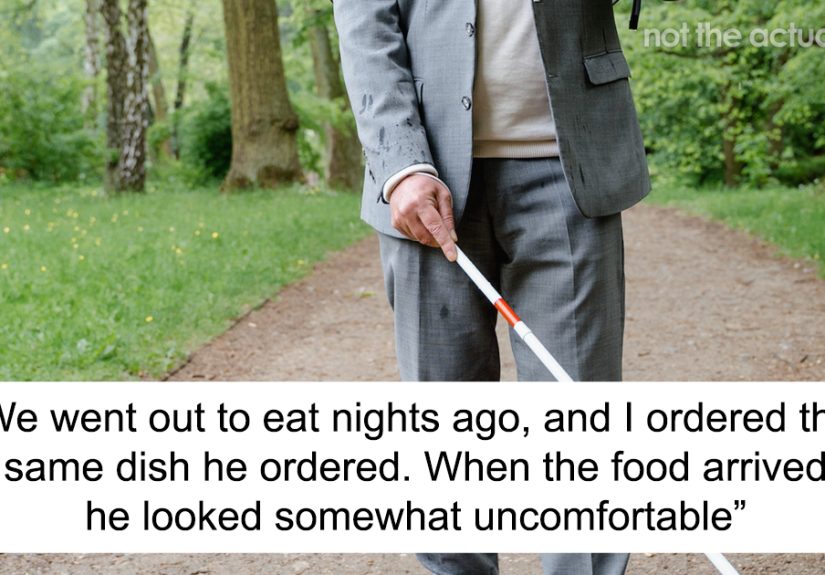
Some internet headlines arrive wearing clown shoes, and this one absolutely stomps into the room in full size 13s. A blind boyfriend touches his girlfriend’s food at a restaurant to make sure she ordered the same dish he did. She gets grossed out, grabs his plate instead, and suddenly dinner becomes a low-budget relationship thriller with entrées. It sounds ridiculous, petty, and oddly specific. Which is exactly why people clicked.
But once the meme dust settles, the story is about more than a wandering hand and a doomed date-night appetizer. It opens up a much bigger conversation about trust, control, disability etiquette, restaurant accessibility, and one timeless relationship truth: if your coping mechanism keeps violating your partner’s boundaries, it is not quirky. It is a problem.
This is what makes the headline so sticky. On the surface, it reads like internet drama with a side of mashed potatoes. Underneath, it raises serious questions. Does blindness excuse behavior that makes a partner uncomfortable? What should accessible dining actually look like? Where does reassurance end and control begin? And why do so many couple fights start with something tiny, then reveal a whole underground subway system of resentment?
The Viral Fight Was Never Just About the Food
The headline appears to stem from a viral retelling of a Reddit conflict: a woman said her blind fiancé would get upset when she ordered food different from his, then touch her plate to confirm whether she had chosen the same dish. Eventually, after he did it again, she snapped and took his plate instead. That detail made the story go viral because it managed to be both deeply weird and strangely relatable.
Not because most people have had a blind partner inspect their pasta like a detective on a carb-related stakeout. But because plenty of people have dated someone who turned a personal preference into a quiet rule. Order what I order. Dress how I like. Don’t change the routine. Don’t surprise me. Don’t make me uncomfortable. Over time, those little habits stop feeling like preferences and start feeling like supervision.
That is why readers reacted so strongly. The touch itself was unpleasant, yes. But the deeper issue was the implication behind it: I don’t trust your word, so I’m going to verify it myself. Nothing spices up date night quite like being treated as both girlfriend and menu compliance officer.
Blindness Doesn’t Erase Someone’s Need for Independence
Here is the part that matters most: blindness is real, complicated, and often poorly understood. But it does not automatically make a blind person helpless, irrational, or entitled to ignore another person’s boundaries. In fact, most disability and blindness guidance points in the opposite direction. The goal is independence, not constant paternalism. The goal is access, not control.
That matters because sighted people often swing between two bad extremes when talking about blindness. One is condescension: acting as though a blind adult is made of porcelain and must be managed like a fragile houseplant. The other is avoidance: pretending blindness changes nothing at all, even when accessible tools or accommodations are clearly needed. Real life sits in the middle. Blind and low-vision people use a mix of skills, routines, tech, verbal description, tactile strategies, memory, and environmental cues to do daily tasks, including dining out.
And no, “randomly touching your partner’s dinner like it owes you answers” is not generally listed as a gold-standard accessibility technique.
Accessible dining is supposed to support choice
Restaurant accessibility is not just about ramps and doors. It is also about communication. A blind or low-vision diner may need a server to read the menu, explain specials clearly, describe plate placement, or identify table items. Some restaurants offer braille menus. Others provide accessible digital menus or verbal guidance. Some diners use smartphones to zoom, scan, or read text aloud. These are practical ways to preserve independence without making the meal feel like a scavenger hunt hosted by chaos.
In other words, there are plenty of tools for a blind diner to know what is on the table without policing what is on someone else’s plate. If reassurance is needed, the couple can simply talk. If the menu is the problem, the restaurant can help. If routine matters, that can be discussed beforehand. There are options before we arrive at “surprise food pat-down.”
Assistance works best when it is invited
One of the clearest themes in blindness etiquette is simple: ask before helping. Do not grab. Do not assume. Do not decide for the other person what they need. That principle matters in reverse, too. If a blind person needs support, that support should be collaborative rather than imposed on everyone around them. Accessibility is not a free pass to bulldoze someone else’s comfort.
That is why this quarrel lands awkwardly. The boyfriend’s blindness may explain why tactile information feels useful to him. It does not explain why he felt entitled to override his partner’s repeated objections. One issue is about disability. The other is about boundaries. Mixing them together only muddies both.
Why the Girlfriend’s Reaction Makes Sense
Some readers focused on whether the girlfriend overreacted. After all, he only touched the food. He did not throw it. He did not lick it. He did not challenge it to a duel. But “only touched it” misses why people are particular about food in the first place.
Food is personal. People have hygiene preferences, texture sensitivities, cultural expectations, and plain old emotional boundaries. Many people do not want anyone handling their meal once it hits the table. That does not make them dramatic. It makes them normal.
More importantly, the reaction was not just about a hand on a plate. It was about a repeated behavior after prior conflict. When a partner keeps doing the same thing you have clearly said bothers you, the emotional charge builds interest like a credit card bill. Eventually, the new incident is no longer new. It becomes a rerun with terrible ratings and even worse communication.
So when she took his plate, she was not responding only to that moment. She was responding to the history attached to it. That is how couple quarrels usually work. Nobody is ever just fighting about olives, text messages, dishwasher loading, or one suspiciously touched plate of food. They are fighting about what the pattern means.
What Healthy Couples Would Do Instead
Healthy relationships are not conflict-free museums where nobody raises their voice and every disagreement is solved with herbal tea and a perfectly timed apology. They are messier than that. But they do tend to share a few core habits: kindness, reliability, honesty, mutual respect, and boundaries that actually mean something.
That is the missing ingredient here. Not love. Not even trust, at first. Respect. Respect is what lets two people be different without treating difference like disobedience.
Step one: say the real thing out loud
If the boyfriend feels anxious when his partner orders something different, that feeling needs translation. Maybe the sameness gives him comfort. Maybe ordering the same meal helps him feel included. Maybe he worries about being left out of the shared experience. Maybe he has a controlling streak wearing a fake mustache labeled “preference.” Whatever the reason, it should be stated directly.
“I feel thrown off when our meals are different because I can’t compare them in the same way.”
“I feel embarrassed asking questions at restaurants and sameness makes me less anxious.”
“I know this sounds odd, but I get weirdly upset when I can’t picture what you ordered.”
Those are conversations. Sneaky plate touching is not a conversation. It is a behavior looking for a defense attorney.
Step two: separate need from method
There is a huge difference between respecting someone’s need and accepting every method they choose to meet it. Needing reassurance is understandable. Verifying it by touching someone else’s dinner after they asked you not to is not.
This is where boundaries save relationships from turning into hostage situations with appetizers. A healthy boundary might sound like this: “I’m happy to tell you what I ordered, but I’m not okay with you touching my food.” Clear, direct, boring. Boring is good. Boring is where peace lives.
Step three: build a practical workaround
Couples who last are rarely magical mind-readers. They are usually decent system-builders. They create small routines that prevent the same stupid fight from happening every Thursday at 7:15 p.m.
For this couple, the workaround could be simple. Read the menu choices aloud together. Confirm orders verbally before the server leaves. Have the server identify plates on arrival. Use clock-face descriptions. Use a phone to scan the menu. Decide in advance whether the meal is meant to be shared, separate, or compared. The point is not to produce a romantic flowchart. The point is to remove friction before it becomes a personality test.
What Restaurants Can Learn From This Mess
The easiest version of this story to consume is the gossipy one: wow, what a bizarre couple fight. The more useful version asks why so many dining experiences still depend on sighted assumptions.
Accessible service helps everyone relax. When restaurants train staff to communicate clearly, describe plate placement, read menus without sounding annoyed, and treat blind diners like capable adults, they reduce awkwardness for everybody at the table. They also reduce the chance that couples end up inventing their own clumsy workarounds.
Accessibility is not charity. It is competent hospitality. And competent hospitality is a lot cheaper than becoming the place where somebody fought over chicken parmesan because the menu system was about as accessible as a locked treasure chest.
The Real Lesson Behind the Headline
So who was wrong? The cleanest answer is this: blindness may explain why tactile confirmation felt natural to the boyfriend, but it does not excuse repeated disrespect for his partner’s stated boundary. The girlfriend’s retaliation was not exactly a Nobel Prize in conflict resolution, yet her frustration was understandable because the issue was not one accidental touch. It was a pattern of mistrust and control.
That is why this story keeps getting passed around. It is not just about one dinner. It is about how relationships fall apart in miniature. A person keeps doing a small thing. The other person keeps objecting. Nobody addresses the real feeling underneath. Then one day, an ordinary meal bursts into flames and both sides act shocked that the kitchen is on fire.
If this headline teaches anything, it is that accessibility and autonomy belong together. Blindness deserves accommodation, respect, and practical support. Partners deserve honesty, consent, and boundaries. When either side forgets that, even a simple dinner can turn into a case study in how not to love somebody.
Experiences Related to This Topic: What Real-Life Dining Tension Often Feels Like
Stories like this go viral because they tap into experiences many couples quietly recognize. Not the exact headline, perhaps, but the emotional mechanics underneath it. One partner has a habit that seems small to them and intrusive to the other. The habit grows roots. The resentment grows leaves. Eventually, the whole thing looks less like a dinner date and more like two people auditioning for a courtroom drama set in a bistro.
For couples navigating disability, these moments can be even more layered. A blind or low-vision partner may already be doing constant mental work in public spaces: processing noise, tracking voices, listening for clues, figuring out where everything is, deciding when to ask for help, and managing the social pressure of not wanting to seem inconvenient. That can make routine feel comforting. It can also make unexpected differences feel bigger than they would to someone else.
Meanwhile, the sighted partner may be doing their own invisible labor. They might be reading menus, describing surroundings, handling little logistics, or trying to help without being overbearing. If those roles are not discussed openly, both people can wind up feeling underappreciated. One feels controlled. The other feels unsupported. Neither one is technically arguing about the salad anymore.
Food adds another emotional layer because meals are loaded with meaning. They can represent romance, comfort, fairness, independence, routine, culture, money, and care. A couple may think they are debating one plate, when in reality they are colliding over autonomy, sameness, embarrassment, intimacy, or social expectations. One person thinks, Why are you making this a big deal? The other thinks, Why do you keep acting like my discomfort doesn’t count? That mismatch is where ordinary dinner tension becomes relationship static.
There is also the public factor. Fighting in a restaurant hits differently. Nobody wants to become the table other diners pretend not to notice while absolutely noticing. Public embarrassment tends to amplify everything. A comment feels sharper. A gesture feels ruder. A small violation feels theatrical. Once shame enters the chat, logic usually leaves through the side door.
That is why the most relatable part of this story is not the weirdness. It is the familiarity of unspoken strain. Many couples have some version of this exact emotional script: one partner seeks certainty in a way that feels invasive, the other partner finally snaps, and both leave the interaction feeling misunderstood. The healthiest couples are not the ones who never trigger each other. They are the ones who learn to decode the trigger before it becomes a ritual. They figure out how to say, “Here is what I need,” without turning that need into a rule for the other person’s body, choices, or plate of food.
Conclusion
In the end, this headline works because it is both absurd and revealing. Yes, it is the kind of story that makes people drop their fork and say, “He did what?” But it also shines a light on a serious point: accessibility without respect is not true accessibility, and reassurance without trust is just control dressed in softer clothes.
Couples do not need perfect scripts, matching entrées, or synchronized bites to have a healthy relationship. They need communication that is honest, accommodations that preserve dignity, and boundaries that are clear enough to survive dessert. If they can manage that, the next dinner date has a much better chance of ending with a shared check instead of a shared grudge.