Table of Contents >> Show >> Hide
- What Makes a Smokeless Fire Pit Different?
- 1. Pick the Right Location Before You Ever Light It
- 2. Use the Right Fuel, Because Not All Wood Deserves the Job
- 3. Understand That Carbon Monoxide Is Still a Real Risk
- 4. Start Small and Let Airflow Do the Work
- 5. Keep Kids, Pets, and Distracted Adults at a Safe Distance
- 6. Keep Fire Control Tools Within Reach
- 7. Respect Local Rules, Burn Bans, and Air Quality Alerts
- 8. Shut It Down Properly and Handle Ash Like It Is Still Hot
- 9. Maintain the Fire Pit So It Stays Safe
- Common Smokeless Fire Pit Mistakes to Avoid
- The Best Mindset for Safer Backyard Fires
- Real-World Experiences With Smokeless Fire Pit Safety
There is something deeply magical about a backyard fire. It turns ordinary folding chairs into “outdoor lounge seating,” makes people suddenly interested in telling ghost stories, and somehow convinces everyone that marshmallows count as a food group. But before you strike a match and cue the cozy vibes, let’s clear up one important thing: a smokeless fire pit is not a risk-free fire pit.
It is simply engineered to burn more efficiently and produce less visible smoke than a traditional pit when used correctly. That “when used correctly” part is doing a lot of heavy lifting. Use wet wood, place the pit too close to the house, ignore wind, or treat hot ashes like yesterday’s news, and your relaxing backyard hangout can turn into a very bad evening with an even worse smell.
This guide walks through the smartest smokeless fire pit safety tips for real-life homeowners, renters, hosts, and casual flame admirers. Whether you own a stainless steel wood-burning model, a portable backyard pit, or you are just researching outdoor fire pit safety before buying one, these tips will help you stay warm, safe, and dramatically less likely to explain things to your insurance company.
What Makes a Smokeless Fire Pit Different?
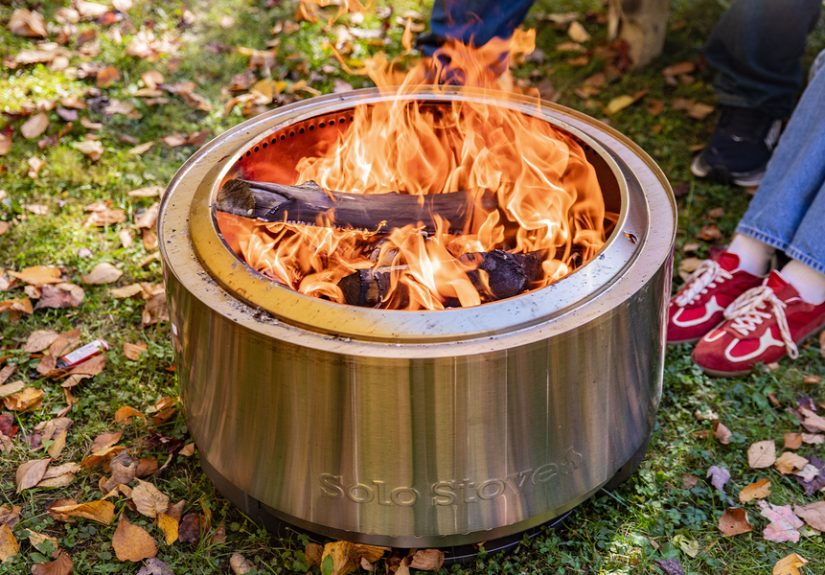
A smokeless fire pit uses a design that improves airflow and encourages a second burn of smoke particles before they leave the pit. In plain English, it is basically a smarter bonfire. Air enters from below and through side vents, the fire burns hotter, and a lot of the visible smoke gets burned off before it reaches your face.
That sounds glorious, and honestly, it often is. But “smokeless” does not mean “smoke-proof,” and it definitely does not mean “you can put it wherever you want and hope for the best.” If you use damp wood, overload the fire pit, block airflow, or light it on a windy night, you will still get smoke, sparks, and enough drama to make your neighbors remember your address.
That is why smokeless fire pit safety starts with understanding the product’s limitations. Efficient combustion can reduce smoke and improve comfort, but you are still dealing with open flame, hot metal, airborne embers, and combustion gases. Cozy? Yes. Casual? Not quite.
1. Pick the Right Location Before You Ever Light It
If there were a gold medal event in fire pit mistakes, “setting it up too close to something flammable” would be on the podium every year.
Keep safe clearance on all sides
The best placement for a smokeless fire pit is on a level, stable, noncombustible surface with generous open space around it. Concrete, stone, gravel, pavers, or another heat-tolerant surface is usually a smart bet. Grass is not ideal. A wooden deck is even less ideal. A covered porch is basically a terrible audition.
A good rule is to keep your fire pit well away from siding, fences, patio furniture, railings, tree branches, pergolas, overhangs, and anything else that would prefer not to be set on fire. Leave extra room overhead too. Heat rises. Trees do not enjoy surprises.
Watch the wind and slope
Even the best fire pit placement can be ruined by a gusty evening. Wind changes ember direction, shifts smoke, and makes the whole setup harder to control. Avoid lighting your pit on very windy days, especially in dry seasons or areas with brush nearby. Also, make sure the fire pit sits on an even surface. A tilted fire pit is one wobble away from becoming the villain in your backyard story.
2. Use the Right Fuel, Because Not All Wood Deserves the Job
If your fire pit had a dating profile, it would say: “Seeking dry, seasoned hardwood. No drama. No trash. No mystery materials.”
Burn dry, seasoned wood
Dry, seasoned wood burns hotter, cleaner, and more efficiently. That matters even more in a smokeless fire pit, because these units rely on strong airflow and high temperatures to reduce smoke. Wet wood does the opposite. It hisses, smolders, creates more smoke, and makes the fire pit perform like it is half asleep.
Hardwoods such as oak, hickory, or maple are often excellent choices because they burn steadily and produce consistent heat. Softwoods can work in a pinch, but they may spark more and burn faster.
Never burn treated or dirty materials
Do not burn pressure-treated lumber, painted wood, plywood, cardboard with coatings, trash, yard waste, plastics, or random leftovers from your garage cleanout. That is not “being resourceful.” That is creating toxic smoke, extra ash, unpredictable flare-ups, and a deeply regrettable smell.
Smokeless fire pits are designed for proper firewood, not household experiments. If you would hesitate to roast a marshmallow over it, do not burn it.
3. Understand That Carbon Monoxide Is Still a Real Risk
This is the part where the fun article briefly puts on a serious hat.
Any device that burns fuel can produce carbon monoxide. A smokeless fire pit may burn more efficiently, but it is still a combustion appliance. That means one non-negotiable rule: use it outdoors only. Not in a garage. Not in a shed. Not in a tent. Not in a screened room with “great airflow, probably.” Outdoors. Fully outdoors.
It is also smart to avoid placing the pit close to open windows, doors, vents, or any pathway where smoke and combustion gases could drift into the house. People often think the low-smoke design makes placement less important. It does not. Cleaner combustion is helpful, but it does not erase physics.
If you have guests with asthma, heart disease, COPD, or other respiratory concerns, be thoughtful. Even reduced wood smoke can still irritate sensitive lungs. Smokeless is better for comfort, but it is not a hall pass for poor judgment.
4. Start Small and Let Airflow Do the Work
A lot of people assume a better fire starts with “more stuff.” More kindling. More paper. More logs. More enthusiasm. More lighter fluid. That last one is a hard no.
Build a modest, breathable fire
Smokeless fire pits work best when airflow is not blocked. Start with a small, structured fire using a fire starter, dry kindling, and a few properly sized pieces of wood. Give the flames time to establish themselves. Once the fire is going well, add logs gradually.
Do not overfill the pit. Stuffing wood high above the rim or cramming in oversized logs can interfere with airflow, create unstable flames, and increase the chance of sparks. Think “controlled campfire,” not “historical reenactment of a beacon warning system.”
Skip gasoline, lighter fluid, and other chaos potions
Never use gasoline, kerosene, alcohol, or any flammable liquid to start or revive a fire. The vapors can ignite unexpectedly, causing flash flames and serious burns. Use purpose-made fire starters or dry newspaper and kindling instead.
And while we are on the subject, be extra cautious with tabletop liquid-burning products. Some models have been the subject of serious consumer safety warnings. If your “tiny stylish flame feature” requires pouring fuel into an open reservoir, treat it with enormous caution or skip it altogether.
5. Keep Kids, Pets, and Distracted Adults at a Safe Distance
Fire pits are fascinating. To children and pets, they are essentially glowing chaos magnets. To distracted adults holding snacks and telling stories, they are surprisingly easy to underestimate.
Create a kid-free and pet-free zone
Keep a clear safety zone around the fire pit. Chairs should be set back enough that nobody trips into the pit while standing up, leaning in, or gesturing dramatically during a story that definitely happened exactly the way they said it did.
Young children should be closely supervised at all times, and pets should not be allowed to wander near the hot metal or chase sparks. Even after the flames die down, the exterior of a smokeless fire pit can stay dangerously hot for quite a while.
Dress and behave like you are near fire, because you are
Avoid loose sleeves, dangling scarves, and synthetic fabrics that melt easily. Use long roasting forks if you are cooking. Do not lean over the pit to adjust wood with bare hands. And no, flip-flops are not serious fire pit footwear, no matter how relaxed the playlist is.
6. Keep Fire Control Tools Within Reach
The best time to think about emergency backup is before something goes sideways.
Keep a bucket of water, garden hose, shovel, sand, or an appropriate fire extinguisher nearby whenever the pit is in use. You may never need them, and that is the dream. But if a spark lands in dry mulch, a chair cushion catches an ember, or the wind suddenly gets ambitious, you will be very glad you planned ahead.
Also, never leave the fire unattended. Not for “just one minute,” not for a bathroom trip, not for refilling drinks, and not because someone else “is basically watching it.” A live fire should always have a responsible adult actively keeping an eye on it.
7. Respect Local Rules, Burn Bans, and Air Quality Alerts
One of the most overlooked fire pit safety tips has nothing to do with wood, metal, or flame. It is this: make sure you are allowed to have the fire in the first place.
Check local regulations
Fire pit rules vary by city, county, HOA, apartment complex, and wildfire season. Some places restrict open burning, some allow recreational fires with conditions, and some issue temporary burn bans during dry or windy periods. You do not want to discover local fire rules because a neighbor learned them faster than you did.
Think about smoke and neighbors
Even a low-smoke fire can still create air pollution. On poor air quality days, skip the backyard fire. If the smoke is drifting into your neighbor’s open windows, that is also a clue that tonight is not the night. Fire pit etiquette is safety’s more charming cousin.
8. Shut It Down Properly and Handle Ash Like It Is Still Hot
Because it probably is.
Let the fire burn down completely
When you are ready to end the evening, stop adding wood and allow the fire to die down. Follow your manufacturer’s instructions for extinguishing. Some smokeless models are designed to cool naturally rather than being doused with water. Pouring water into certain metal pits can warp components, damage finishes, or create a steam-and-ash mess that nobody enjoys cleaning up.
Dispose of ash the smart way
Do not dump hot ash into a plastic trash can, cardboard box, garden bed, or mulch pile. Wait until the ashes are fully cooled, then place them in a dedicated metal container with a tight-fitting lid. Keep that container away from the house and other combustibles until you are absolutely sure everything is cold.
This step sounds fussy until you remember that stray embers can hide in ash for hours. Sometimes much longer. Fire has an annoying habit of pretending to be finished.
9. Maintain the Fire Pit So It Stays Safe
A neglected fire pit burns less efficiently and can become less safe over time.
Clean ash and inspect the unit
Remove excess ash after the pit has cooled. Built-up ash can affect airflow, trap moisture, and contribute to corrosion in some models. Check for warping, loose parts, blocked vents, or signs of wear. If the fire pit uses accessories like stands, spark screens, grills, or ash pans, make sure everything fits properly and is used as intended.
Store it like you paid money for it
Once the pit is fully cool and clean, cover it or store it according to the manufacturer’s instructions. A ventilated weather cover can help protect the finish and reduce moisture issues. This is not just about appearance. Rust, standing water, and clogged vents can all affect future performance and safety.
Common Smokeless Fire Pit Mistakes to Avoid
- Using the pit under a roof, overhang, pergola, or low branches
- Burning wet wood and wondering why the “smokeless” magic vanished
- Putting the unit on an unstable, sloped, or combustible surface
- Leaving the fire unattended for “just a second”
- Letting children, pets, or tipsy adults crowd the rim
- Ignoring local burn bans, red flag warnings, or poor air quality days
- Dumping ashes too soon or storing them in the wrong container
- Using flammable liquids to start the fire
- Assuming low smoke means low heat, low risk, or low responsibility
The Best Mindset for Safer Backyard Fires
If you remember only one thing from this article, make it this: a smokeless fire pit is a comfort product that still demands fire discipline. It is designed to improve the experience, not replace basic safety habits.
When used properly, these fire pits can be cleaner, more pleasant, and easier on your clothes, your guests, and your dignity. You are less likely to smell like a campfire sandwich the next morning. But safe enjoyment comes from a combination of good design and good behavior: proper placement, dry wood, constant supervision, smart shutdown, and respect for local conditions.
In other words, the best fire pit accessory is not a fancy stand or premium lid. It is common sense with a flashlight nearby.
Real-World Experiences With Smokeless Fire Pit Safety
One of the most useful things about learning smokeless fire pit safety tips is that the lessons usually come from everyday backyard moments, not dramatic movie scenes. Most people do not get in trouble because they built some giant cinematic inferno. They get in trouble because they made one small assumption that seemed harmless at the time.
A common first-time experience goes like this: someone buys a beautiful smokeless fire pit, sets it up on the patio, tosses in a bunch of random firewood, lights it, and spends the first twenty minutes wondering why it is smoking like an old train. The problem is usually not the product. It is the fuel. Once they switch to properly seasoned wood and stop piling logs like they are trying to build a beaver dam, the fire pit suddenly performs the way it was advertised. The lesson is simple: efficient fire pits reward good technique.
Another very real experience happens with placement. People love the idea of putting a fire pit under a covered patio because it feels cozy and intentional, like an outdoor living room from a home design show. Then they realize heat collects overhead, smoke drifts where it should not, and the whole arrangement feels a little too exciting. Moving the pit farther out into the open usually fixes the problem immediately. What felt like an aesthetic compromise turns out to be a huge safety upgrade.
Families with kids often discover that the biggest risk is not the flame itself but the curiosity it creates. Children want to get closer. Dogs want to investigate. Guests want to cook things on sticks with the confidence of people who have never dropped a marshmallow directly into a live fire. The best hosts tend to establish a rhythm: chairs set back, roasting tools ready, one adult always watching, and a clear boundary around the pit. It sounds basic, but that setup changes everything.
There is also the ash lesson, which many fire pit owners learn exactly once. Ashes can look dead long before they actually are. People clean out the pit the next morning, assume the remains are cold, and nearly create a secondary problem in the trash can or yard waste bin. After one close call, they become lifelong members of the “metal ash container with lid” club.
Wind is another teacher. Plenty of backyard fires begin on a calm evening and turn tricky when the weather shifts. Smoke starts moving sideways. Embers travel farther than expected. Suddenly everyone is standing up, moving chairs, and trying to look casual while definitely not feeling casual. Experienced fire pit owners learn to read the conditions before lighting and to call off the plan when the weather is not cooperating. The most underrated safety decision is sometimes choosing hot cocoa and blankets instead.
And finally, many people come away with the same conclusion after a season of use: a smokeless fire pit is at its best when it is treated less like a novelty and more like a small outdoor appliance with a live flame. Keep it clean, use the right wood, store it properly, and respect the heat. Do that, and it becomes one of the best parts of a backyard. Ignore those basics, and it becomes a very expensive reminder that “less smoke” never meant “less responsibility.”