Table of Contents >> Show >> Hide
- Why This Claim Is Less Crazy Than It Sounds
- The Internet Was in South Park’s DNA From the Beginning
- From “Everybody’s Downloading It Anyway” to “Let’s Put It Online”
- Why Parker and Stone Believe Piracy Helped
- The Business Twist: The Internet Eventually Paid Up
- The Counterargument Still Matters
- What the Entertainment Industry Can Learn
- Experiences Around the Topic: What It Felt Like When South Park Lived in the Wild West Internet
- Conclusion
At first glance, this sounds like one of those entertainment-industry opinions that should arrive with a helmet and a warning label. Piracy helped a TV show? Really? In most boardrooms, that sentence would cause three lawyers to faint into a decorative ficus.
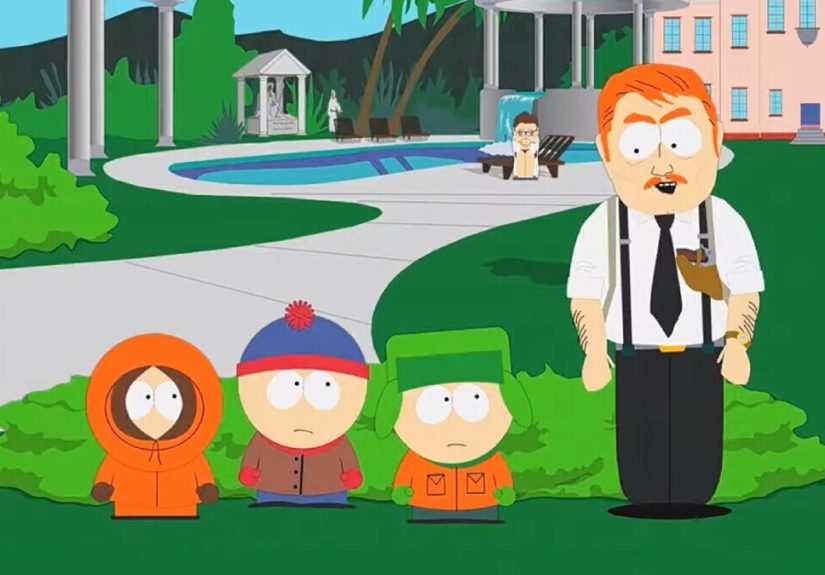
But when the show in question is South Park, and the people saying it are Trey Parker and Matt Stone, the idea starts to make a weird kind of sense. Their long-running animated hit was born in the exact kind of messy, chaotic internet culture that copyright traditionalists hated and fans absolutely loved. Before streaming platforms became corporate fortresses with monthly fees and password drama, South Park was already behaving like online-native content. It spread fast, it spread informally, and it reached the kind of audience that actually wanted to evangelize it.
That is the heart of Parker and Stone’s argument. They did not see early digital piracy only as stolen value. They saw it as proof of demand, evidence of fandom, and, most importantly, free advertising with a filthy little mouth. Instead of treating the internet like a burglar sneaking in through the window, they eventually treated it like the front door. That decision helped turn South Park from a provocative cable cartoon into a durable digital franchise whose value only grew as media companies learned that online attention can be converted into very real money.
Why This Claim Is Less Crazy Than It Sounds
When people hear “piracy helped the show,” they often assume Parker and Stone were cheering for unpaid distribution out of pure anti-corporate mischief. That is only part of the story, and probably the funniest part. The larger point is more strategic: for a show with a young, internet-savvy fan base, copying was also discovery.
South Park was never built for passive background viewing. It thrived on word-of-mouth, late-night “you have to see this” energy, dorm-room recommendations, message-board outrage, and the kind of cultural buzz that cannot be neatly scheduled between ad breaks. A pirated file did not always replace a paying customer. Sometimes it created one. Sometimes it created a lifelong fan. Sometimes it turned a curious teenager into the person who would later buy DVDs, quote the show for twenty years, and keep the franchise culturally alive long after other animated hits had gone soft around the middle.
In other words, the creators were looking at behavior, not just balance sheets. If millions of people were hunting for the show online, that was not simply theft. It was also demand screaming through a megaphone.
The Internet Was in South Park’s DNA From the Beginning
The pre-streaming, pre-social, pre-everything origin story
Long before there were official apps, endless content libraries, and fifteen different platforms asking for your credit card number, Parker and Stone made The Spirit of Christmas, the short that effectively functioned as South Park’s boot-up screen. That short circulated online in the 1990s, back when “viral” was not yet a polished marketing adjective but a thing that happened when people forwarded a file because it made them laugh like maniacs.
That matters. South Park did not merely survive on the internet; it was introduced to a broader culture through internet circulation. Its rough, cutout visual style looked unconventional on television, but online it felt native, almost destined for digital sharing. The show’s attitude was equally compatible with the web: rude, fast, highly quotable, and impossible to ignore. It was basically message-board fuel in cartoon form.
That early circulation created a powerful lesson for Parker and Stone. The internet was not just where infringement happened. It was where fandom happened. And fandom, unlike panic, is usually worth following.
From “Everybody’s Downloading It Anyway” to “Let’s Put It Online”
The smartest response was convenience, not a tantrum
One of the most revealing things about Parker and Stone’s public comments on digital piracy is how practical they sounded. They were not delivering a TED Talk on copyright philosophy. They were looking at their actual audience and noticing a plain truth: many South Park fans were exactly the kind of internet users who would hunt down episodes online if the official version was hard to access.
So instead of building a moral panic around that behavior, the creators moved toward a legal alternative. In 2008, South Park Studios launched with free, ad-supported episodes online. The joke attached to the move was vintage Parker and Stone: they said they were sick of having to download their own show illegally. Beneath the joke was a serious business insight. If the audience wants digital access, give it to them. Fast. Legally. Without making them crawl through a hedge maze first.
This was not just fan service. It was market positioning. Many media companies at the time feared the web would cannibalize TV audiences and physical sales. Parker and Stone took the opposite approach. If the internet was where attention lived, that was where the show should live too. Their view was that the online audience could add to the total ecosystem instead of draining it.
That idea ended up looking downright prophetic. The audience that watched clips, shared links, and searched for episodes online was not some disposable side crowd. It became part of the franchise’s long-term value. Years later, digital rights that once looked like a quirky side bet became one of the most lucrative assets in the show’s entire business story.
Why Parker and Stone Believe Piracy Helped
1. Piracy was proof of obsession
You do not pirate a show because you feel mildly curious while folding laundry. You pirate a show because you really want to watch it. That distinction matters. In the early internet era, piracy often revealed where passion was strongest. For South Park, that passion came from exactly the audience the show was built to attract: younger viewers, online communities, comedy obsessives, and people who liked their satire served with the emotional maturity of a firecracker.
Parker and Stone could read that behavior for what it was: fan intensity. The files moving around online were not random accidents. They were signals.
2. Piracy lowered the barrier to entry
The easier a show is to try, the faster it spreads. That was true in the Napster-and-BitTorrent era, and it is still true in the age of clips, memes, and algorithmic recommendations. Friction kills discovery. A complicated paywall, limited cable access, or slow regional rollout can shrink a show’s cultural footprint. A quickly shared file, on the other hand, can make a show feel like essential viewing overnight.
For a comedy built around shock, timing, and social chatter, being widely seen mattered almost as much as being formally sold. A joke no one watches is just an expensive diary entry.
3. Digital sharing expanded the brand, not just individual episodes
What gets passed around online is rarely just a product. It is a vibe, a reputation, a sense that this is the thing everyone is talking about. South Park benefited enormously from that effect. Even people who had not watched every episode knew the show’s energy. They knew it was outrageous, topical, and allergic to reverence. That kind of reputation snowballs online.
Once a show becomes culturally unavoidable, money tends to find it later through ads, licensing, merchandise, events, streaming deals, and sheer longevity. Piracy may not directly deposit cash into the creators’ pockets, but the visibility it creates can boost the machine that eventually does.
4. Fighting fans is usually bad branding
Entertainment history is littered with companies that confused audience enthusiasm with criminal treason. Parker and Stone, by contrast, often sounded like they understood the difference between malicious exploitation and fans going where access already was. Their answer was not to romanticize piracy forever. It was to outcompete it with convenience and humor.
That move made them look smart, fan-friendly, and culturally fluent. It also kept South Park aligned with the very internet culture that helped build it.
The Business Twist: The Internet Eventually Paid Up
Here is where the story becomes beautifully ironic. The same digital territory that once scared legacy media became one of the biggest reasons South Park turned into a modern entertainment gold mine. Over time, the show’s online reach, library value, and streaming appeal became massive bargaining chips.
That shift is the real punch line. What once looked like “people are watching without paying” evolved into “everyone wants the digital rights.” And those rights became extraordinarily valuable in the streaming era. By 2025, reported agreements around the franchise were landing in the range of one of television’s richest deals, with Paramount extending the partnership and securing dozens of new episodes. The show that once spread through unruly internet channels became the kind of property giant media companies fight over in boardrooms with very expensive coffee.
So when Parker and Stone suggest that piracy helped the show rather than hurting it, they are not saying lost revenue is imaginary. They are saying something more interesting: visibility created leverage. Cultural ubiquity created long-term value. And the internet did not dilute South Park; it trained the world to keep wanting it.
The Counterargument Still Matters
To be fair, piracy is not automatically a gift wrapped in rebellious charm. It can absolutely hurt creators, especially smaller ones without licensing muscle, merchandising power, or giant back catalogs. Not every artist can afford to treat unauthorized distribution as promotional glitter.
South Park is a special case because Parker and Stone had a uniquely internet-friendly show, unusually sharp business instincts, and the willingness to pivot early. They also had a brand strong enough to monetize attention later. A lesser-known series might not get the same happy ending. Sometimes piracy is just piracy.
But their story still matters because it exposes the weakness of a one-size-fits-all anti-piracy narrative. Access, convenience, timing, and fan behavior matter. If audiences are jumping fences to find your show, the first question should not always be “How do we punish them?” Sometimes the better question is “Why is the gate so stupid?”
What the Entertainment Industry Can Learn
Parker and Stone’s attitude toward digital piracy points to a lesson many media companies learned the hard way: people will often choose legal access when legal access is simple, affordable, and immediate. The enemy is not always the audience. Often it is friction.
That lesson now feels obvious, but it was not obvious when studios were still clutching physical media and treating the web like a raccoon in the attic. South Park helped prove that digital distribution could expand a franchise instead of poisoning it. The show met viewers where they already were, embraced the internet’s speed, and let online enthusiasm strengthen the brand rather than embarrass it.
In classic South Park fashion, Parker and Stone did not deliver this lesson in a tidy corporate memo. They delivered it with jokes, profanity, and a strategy that looked reckless right up until it looked brilliant.
Experiences Around the Topic: What It Felt Like When South Park Lived in the Wild West Internet
To really understand why Parker and Stone believe digital piracy helped South Park, you have to remember what the audience experience felt like in those early years. This was not the age of a giant universal search bar where everything lived three clicks away. Watching something online often felt like a quest. You heard about a clip from a friend, a roommate, a message board, or an email chain with a subject line that looked like it had been written by a caffeinated goblin. Then you went looking.
And South Park was exactly the kind of show people went looking for. It was too outrageous to ignore and too quotable to keep to yourself. Fans did not just want to watch it; they wanted to pass it around like forbidden candy. Sharing an episode or a short clip felt like handing someone a backstage pass to the funniest, rudest thing on the planet. That experience mattered. It made the show feel discovered rather than merely programmed.
There was also a thrill in how perfectly South Park fit digital culture. Its scenes were short and punchy. Its jokes traveled well. Its animation was simple enough to look at home on a fuzzy computer screen. Even when the files were clunky and the quality was all over the map, the show’s voice still cut through. In a weird way, the roughness helped. South Park never looked too polished to be online. It looked like it belonged there, causing trouble.
For many viewers, pirated access was not a grand ideological stand against media corporations. It was simply the fastest route to the thing everyone was suddenly discussing. That urgency is easy to underestimate now. Comedy lives on timing. If an episode was hot and you saw it late, you missed half the fun. Watching quickly meant participating in the conversation while it was still alive. That social energy gave South Park an advantage far bigger than any one transaction.
There was also a feeling that the show understood its audience. When Parker and Stone later leaned into official online access, it did not feel like a corporate compromise. It felt like recognition. Fans who had been treated like pirates-in-waiting by other media companies suddenly got a version of the message that said, more or less, “Yeah, we know how you watch stuff. Here. Use this.” That created goodwill, and goodwill is one of the most underrated currencies in entertainment.
So the “experience” tied to this story is not just about downloading files. It is about how a show becomes part of people’s habits, jokes, conversations, and identity. South Park was not weakened by becoming easy to find. It became a bigger deal because it was easy to find, easy to share, and impossible to forget. That is why Parker and Stone’s argument still resonates. They understood that, for the right kind of show, digital access is not the leak in the boat. It is the current that carries the boat farther.
Conclusion
Parker and Stone’s view of digital piracy is not a universal law, but it is a sharp case study in how modern entertainment really spreads. South Park thrived because its creators recognized that attention has value before it has price. The internet made the show easier to discover, easier to obsess over, and easier to turn into a lasting cultural force. Later, the same digital ecosystem that once looked like a threat became one of the biggest reasons the franchise held enormous leverage in the streaming marketplace.
That does not mean piracy is harmless. It means the conversation is more complicated than “copy equals catastrophe.” In South Park’s case, piracy acted like a loud, chaotic signal flare announcing that the audience was already there. Parker and Stone did the smart thing: they listened. Then they built a legal model that met fans where they lived, laughed, and clicked.
For a show that has spent decades mocking authority, it is only fitting that one of its smartest business lessons came from ignoring old industry dogma. Sometimes the audience is not stealing your relevance. Sometimes it is proving you have it.