Table of Contents >> Show >> Hide
- Why Shorter Fall Days Can Feel So Rough
- The Mindset Shift That Helped Me Most
- How I Make the Most of Shorter Fall Days
- 1. I Protect My Mornings Like They Are Premium Real Estate
- 2. I Move Earlier Instead of Waiting for the Perfect Time
- 3. I Treat Late Afternoon Like a Transition, Not a Crash
- 4. I Make My Home Brighter Before I Need It to Be
- 5. I Keep My Sleep Schedule Boring on Purpose
- 6. I Stop Treating Evenings Like Leftover Daytime
- 7. I Put Something Pleasant on the Calendar Every Week
- Simple Fall Habits That Make a Big Difference
- When to Get Extra Support
- My Experience With Shorter Fall Days, in Real Life
- Conclusion
Fall has excellent public relations. It shows up wearing a chunky sweater, carrying a cinnamon candle, and pretending that soup counts as a personality. And to be fair, autumn does have plenty going for it: crisp air, better sleep weather, football, apple desserts, and leaves that suddenly decide to become tiny stained-glass windows.
But let’s not ignore the obvious villain in this otherwise charming seasonal movie: the shorter days. One minute it is 4:37 p.m.; the next minute your house looks like it belongs in a low-budget ghost story. The loss of daylight can make the workday feel more cramped, your energy feel oddly wrinkled, and your motivation pack its little suitcase and leave town before dinner.
That is exactly why I stopped treating fall darkness like a minor inconvenience and started treating it like something I had to plan for. Once I did, the season got a whole lot easier. I still do not love the “sunset before I’ve answered my last email” experience, but I have learned how to make shorter fall days feel less like a seasonal punishment and more like a cue to live a little smarter.
This is how I make the most of them: with better timing, brighter mornings, gentler evenings, and just enough strategy to keep myself from becoming a decorative throw blanket with a pulse.
Why Shorter Fall Days Can Feel So Rough
The problem is not just aesthetic, though the aesthetic is admittedly rude. Shorter fall days change how much natural light you get, and light does more than help you find your keys. It helps regulate your internal body clock, influences alertness, and plays a role in sleep timing and mood. When daylight shrinks, many people notice they feel sleepier earlier, less energized in the afternoon, or oddly out of sync with their normal routine.
For some people, the shift is mild. For others, it is much more noticeable. If you start feeling sluggish, less motivated, moodier, or more interested in carbs than usual, you are not automatically “bad at fall.” You may simply be responding to the real effects of less daylight on your routine and body clock.
When It Is More Than Just Seasonal Annoyance
There is also a more serious version of the “shorter days are ruining my vibe” problem: seasonal affective disorder, often called SAD. It is a type of depression tied to seasonal changes, most often beginning in late fall or winter. Symptoms can include low mood, fatigue, social withdrawal, sleeping more than usual, trouble concentrating, and craving heavier comfort foods.
That does not mean every person who wants to eat mac and cheese in dim lighting has SAD. It does mean we should stop acting like seasonal mood shifts are imaginary. If your symptoms feel intense, last more than a couple of weeks, interfere with daily life, or make it hard to function, it is worth talking with a healthcare professional. Fall is cute. Persistent depression is not something to white-knuckle through with a pumpkin muffin.
The Mindset Shift That Helped Me Most
The biggest change I made was surprisingly simple: I stopped trying to live like it was still July. A lot of the frustration of fall comes from expecting long, bright, high-energy days from a season that is clearly not offering them. That is like getting mad at a slow cooker for not being an air fryer. Wrong appliance. Wrong expectations.
Instead of asking fall to behave like summer, I started adjusting my day around what fall actually is: darker earlier, cooler, quieter, and better suited to rhythm than spontaneity. Once I accepted that, everything got easier. I stopped wasting daylight on nonsense. I got more intentional about mornings. I built evening routines I actually looked forward to. And I learned that shorter days feel less depressing when they feel designed.
How I Make the Most of Shorter Fall Days
1. I Protect My Mornings Like They Are Premium Real Estate
In fall, morning light becomes much more valuable to me. I try to get exposed to natural light early, even if all I can manage is a quick walk, coffee on the porch, or ten minutes near a bright window before work. That one choice changes the tone of my day more than almost anything else.
Morning light helps me feel awake sooner, and it makes the entire day feel less like one long slide into darkness. It also nudges me toward a more regular sleep-wake rhythm, which matters a lot once evenings get darker and cozier and dangerously compatible with accidental 8 p.m. naps.
If you work from home, this can be ridiculously practical. Open the blinds immediately. Move your first task near a window. Take phone calls while walking outside. Do not spend the brightest part of the day acting like a cave enthusiast.
2. I Move Earlier Instead of Waiting for the Perfect Time
My fantasy self loves the idea of an evening workout. My actual fall self, however, becomes emotionally attached to socks and warm beverages by 5 p.m. So I stopped pretending that I would suddenly become a twilight jogger every November.
Now I front-load movement whenever I can. Morning walks, lunchtime errands on foot, a quick workout in the late afternoon, even a ten-minute stretch break outside if the day gets away from me. The point is not to create a cinematic fitness montage. The point is to move before darkness turns me into a highly sedentary casserole.
This strategy works because exercise does double duty in fall. It boosts energy and mood in the moment, and it also supports better sleep later. That is especially helpful in a season when darkness arrives early enough to trick your brain into thinking bedtime should be somewhere around “immediately after dinner.”
3. I Treat Late Afternoon Like a Transition, Not a Crash
The hardest part of shorter days is usually not the morning. It is that awkward late-afternoon drop, when the light fades, your energy wobbles, and every task suddenly feels rude. I used to power through that stretch badly. Now I plan for it.
A good fall reset for me looks like this: stand up, turn on lamps before the room gets gloomy, drink water, step outside for five minutes if I can, and decide on one realistic priority for the evening. Not seven. One. This tiny ritual stops the day from collapsing into that classic seasonal mood of “well, it is dark now, so I guess my personality is over.”
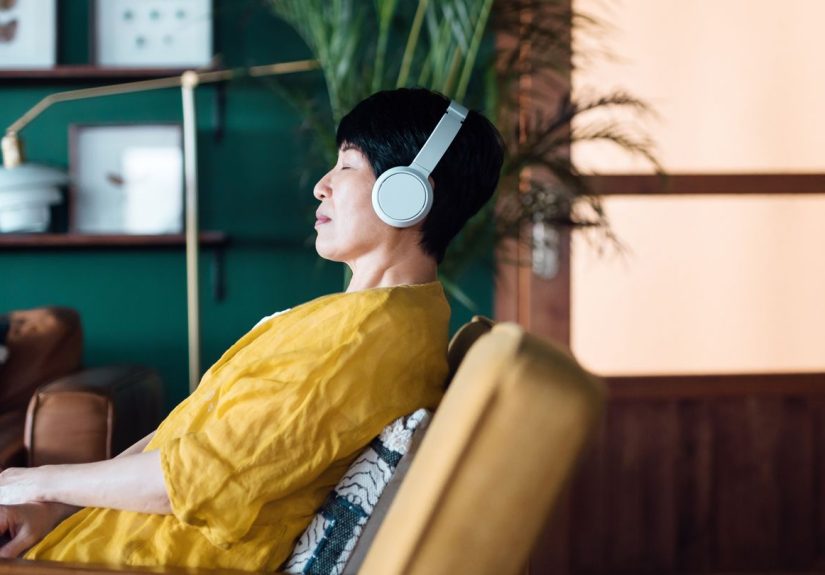
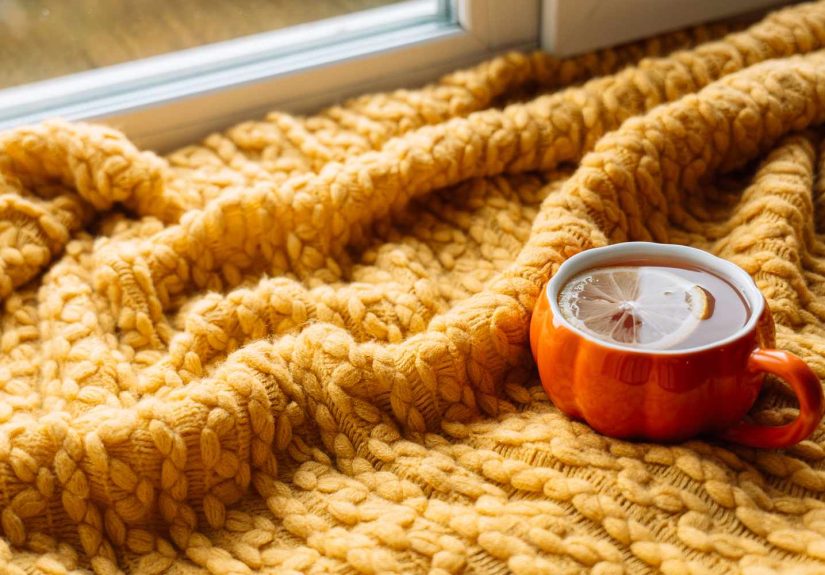
Sometimes I add a small reward to make the transition feel intentional instead of sad: a better playlist, fresh tea, a candle I genuinely like, or a sweater dramatic enough to qualify as emotional support fabric. Tiny comforts count. Fall is basically the Olympics of tiny comforts.
4. I Make My Home Brighter Before I Need It to Be
One of the sneakiest mistakes I used to make was waiting until I felt gloomy to turn on lights. By then, the room already felt dim, my posture had collapsed, and I was three minutes away from scrolling in the dark like a Victorian orphan with Wi-Fi.
Now I light the room earlier. I open curtains during the day. I use lamps instead of relying on one sad overhead bulb. I make my workspace feel alert in the afternoon and my living room feel warm in the evening. It sounds minor, but it changes the entire emotional temperature of the day.
There is also a difference between helpful light and unhelpful light. I want brighter light earlier in the day, but I try to dial things down closer to bedtime. That means less harsh light late at night and less screen glare when I am supposed to be winding down. I do not need my phone convincing my brain that midnight is actually a great time to become extremely interested in kitchen organizers.
5. I Keep My Sleep Schedule Boring on Purpose
Fall can mess with your sense of time. When it gets dark early, you may feel ready for bed too soon. Then you stay up too late because you are not actually sleepy enough. Then you wake up groggy and offended. It is a whole cycle.
What helps me most is keeping my wake-up time consistent, even when the evenings feel weird. I also try to make the hour before bed more predictable: lower lights, fewer screens, calmer tasks, same general bedtime. It is not glamorous, but it works.
This is one of those areas where routine quietly beats motivation. You do not need a magical nighttime transformation. You need a few repeatable cues that tell your body, “We are closing the store now.”
6. I Stop Treating Evenings Like Leftover Daytime
Summer invites you to stretch the day. Fall does not. And the sooner I stopped trying to cram daytime ambition into nighttime darkness, the more peaceful my evenings became.
Instead of expecting myself to be equally productive at 8:30 p.m. in November, I started giving evenings a different job. Evenings became for cooking, reading, calling a friend, folding laundry while listening to something good, taking a bath, making soup, or doing exactly one manageable task that makes tomorrow easier.
That shift matters because it replaces resentment with rhythm. I am not losing my evening; I am using it differently. Fall nights are not ideal for pretending I am a machine. They are excellent for being a person.
7. I Put Something Pleasant on the Calendar Every Week
Shorter days can quietly shrink your world if you let them. You go out less. You see fewer people. You tell yourself you are “just tired,” and before long, your social life is basically you and a bowl of pasta making prolonged eye contact.
So I schedule one thing each week that makes darkness feel less isolating. A weeknight dinner, a Saturday morning market, a bookstore trip, a walk with a friend, a movie night, a soup swap, anything. The event does not have to be fancy. It just has to exist.
This helps because fall can trick you into passive living. The days get shorter, and suddenly you are waiting for energy, waiting for spring, waiting for better weather, waiting for your mood to improve on its own. I have found that a small plan is often enough to interrupt that drift.
Simple Fall Habits That Make a Big Difference
If I had to boil all of this down into the most effective everyday checklist, it would be this: get light early, move your body before dark, brighten your indoor space in the afternoon, keep your sleep schedule steady, and make evenings feel cozy instead of chaotic.
I also try not to overcorrect. I do not need a total seasonal identity overhaul. I do not need to buy twelve matching blankets and reinvent myself as a candle-based philosopher. I just need a few practical habits that keep my energy from falling off a cliff when the sun clocks out early.
That is the trick, really. Making the most of shorter fall days is not about pretending you love the darkness. It is about creating enough light, structure, and pleasure around it that the season stops feeling like a daily ambush.
When to Get Extra Support
If shorter days leave you feeling mildly annoyed, lifestyle changes may be enough. But if you feel persistently down, hopeless, exhausted, withdrawn, or unable to enjoy normal life, do not reduce that to “I guess I just hate winter.” Talk to a doctor or mental health professional. There are real, evidence-based treatments for seasonal depression, including light therapy and other options, and getting help early can make a meaningful difference.
There is no prize for suffering elegantly through a season you are barely surviving. Ask for support sooner than you think you need it. Your future self, ideally one who is not staring into darkness at 5:12 p.m. wondering what happened to joy, will appreciate it.
My Experience With Shorter Fall Days, in Real Life
If I had to describe my relationship with shorter fall days honestly, I would say it started as a yearly betrayal. Every September, I feel irrationally confident. The air gets crisp, I buy apples like I am opening a pie empire, and I tell myself this year will be different. This year I will be organized, serene, and deeply aligned with the season. Then early November arrives, the sun disappears in the middle of what feels like the afternoon, and suddenly I am standing in my kitchen at 5:03 p.m. wondering why the darkness feels personal.
What changed for me was not one dramatic life hack. It was noticing patterns. I realized I always felt better on fall days when I got outside early, even briefly. I noticed that if I waited until evening to exercise, I almost never wanted to do it. I noticed that a gloomy room made me feel gloomier, which seems obvious now, but apparently I needed multiple autumns and one especially tragic late-afternoon slump to figure it out.
So I started experimenting. I moved my coffee to the brightest window. I began taking quick morning walks, not because I suddenly became a person who loves brisk air on my face before 8 a.m., but because I loved feeling less groggy by 10 a.m. I turned on lamps earlier. I stopped scheduling mentally heavy tasks for late afternoon whenever possible. I gave myself permission to make dinner earlier, wear the soft sweater, and call it self-respect instead of seasonal surrender.
I also became much less ambitious at night, and that may be the most helpful shift of all. For years, I treated fall evenings like failed summer evenings. I kept expecting myself to be just as energetic, social, and productive after dark, even though the season clearly was not set up that way. Once I stopped doing that, I was less frustrated. Evening became a softer part of the day instead of a disappointing one. I read more. I cooked more. I took longer showers. I made the house feel warm on purpose. I stopped asking the night to prove that I was still “making the most” of every hour.
That does not mean I love shorter days now. Let’s not get reckless. I still think sunset at an absurdly early hour is one of fall’s least charming habits. But I no longer feel flattened by it. I know what helps. I know that if I get outside early, move my body, keep my lights warm and my evenings calm, I can enjoy the season without feeling swallowed by it. And maybe that is the realistic goal.
Not to become one of those people who claims darkness at dinnertime is magical. Not to post up in a knit blanket and declare that the season has healed me. Just to build a version of fall that works for real life. A version where the days may be shorter, but they still feel full. A version where I am not waiting for spring to feel like myself again. A version where I can admit that yes, shorter days are the worst part of fall, and still say that I know how to make something good out of them anyway.
Conclusion
Shorter fall days may never become my favorite seasonal feature, and frankly, they do not need to. The goal is not to fall in love with 4:45 p.m. darkness. The goal is to respond to it well. When I prioritize morning light, move earlier, protect my sleep, brighten my space, and treat evenings as a different kind of good instead of a lesser version of day, fall becomes much easier to enjoy.
That is how I make the most of shorter days: not by fighting the season, but by adjusting to it with enough intention to keep my mood, energy, and routine from getting pushed around. Fall still gets to be cozy. I just refuse to let it be chaos.