Table of Contents >> Show >> Hide
- Why Childhood Scares Stick Like Gum on a Sneaker
- The Scary Movies That Wrecked Our Peace (and Our Bedtime Routines)
- 1) Jaws (1975): The Ocean Was Never the Same
- 2) Poltergeist (1982): The House Itself Became the Villain
- 3) Gremlins (1984): Cute Things Can Betray You
- 4) Halloween (1978): Babysitting Never Looked Safe Again
- 5) The Shining (1980): Hotels, Hallways, and the Horror of “Too Quiet”
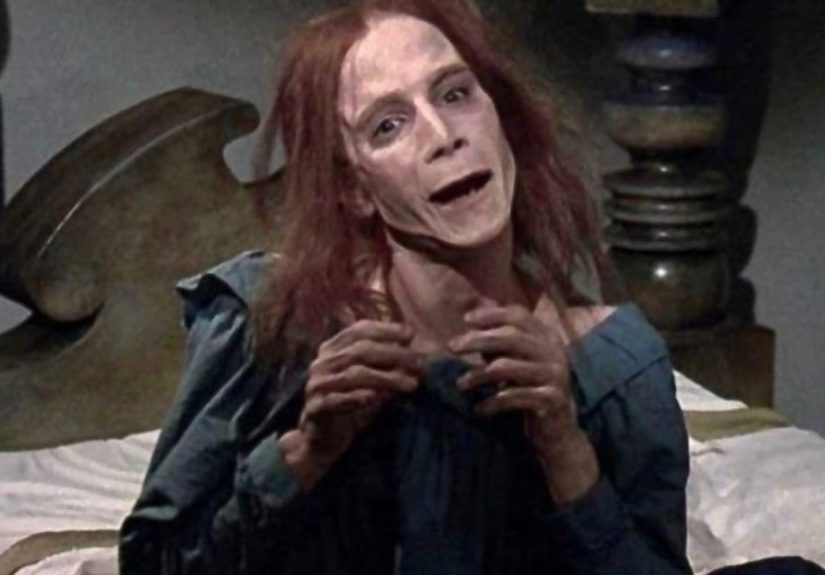
- 6) The Exorcist (1973): The Movie With a Reputation
- 7) A Nightmare on Elm Street (1984): Sleep Became a Risky Activity
- 8) Child’s Play (1988): Dolls (and Toys) Lost Their Innocence
- 9) It (1990): Clowns, Storm Drains, and Instant Distrust
- 10) The Sixth Sense (1999): The “Wait… What?” Fear
- 11) The Blair Witch Project (1999): “What If It’s Real?”
- 12) The Ring (2002): Technology Turned Creepy Overnight
- Why These Movies “Messed Us Up” (But Also Made Us Horror Fans)
- Rewatching as an Adult: How Not to Ruin Your Own Sleep
- The “Messed Us Up” Experience: 10 Very Real Kid Memories (About )
- Conclusion: We’re Fine. Probably.
- SEO Tags
There are two kinds of people in this world: (1) the ones who watched a “totally normal movie” as kids and slept like angels, and (2) the rest of uswho
stared at the ceiling at 2:13 a.m., convinced the hallway was whispering our government name.
If you’re here, congratulations: you survived the Golden Age of Accidental Childhood Horror. Maybe you caught a scene while your parents thought you were
“already asleep.” Maybe an older sibling ran the TV like a tiny tyrant. Maybe you just wandered into the living room at the exact wrong timelike a deer stepping
onto a highway made of nightmares.
This list isn’t about the goriest movies ever made. It’s about the ones that hit kid logic like a jump scare: “If it’s in the house, it can get me.”
“If it’s in the water, I’m never swimming again.” “If it’s in my dreams, I’m… literally trapped forever.” Great times.
(And a quick note: some of these films are not kid-friendly. If you’re a teen reading this now, check ratings and watch with a trusted adult if you choose to revisit them.)
Why Childhood Scares Stick Like Gum on a Sneaker
When you’re a kid, your brain is basically running a powerful imagination app on an unstable operating system. You can understand that a movie is “pretend,”
but your body doesn’t always get the memo. A creepy sound in a film doesn’t just feel creepyit feels like a warning siren meant specifically for your bedroom.
Kids also think in big, bold rules: safe vs. not safe. Horror movies hack that system. They take places that should be safeyour home,
the bathtub, the closet, the TV, the beach, your own mind while you’re asleepand they stamp them with a big red “ABSOLUTELY NOT.”
And then there’s the “how did we even see these?” factor. Cable, sleepovers, weekend marathons, video-store covers that promised “fun,” and that one friend whose parents
believed in freedom (and apparently mild psychological chaos). Add in the confusing era when some surprisingly intense movies were rated more mildly than you’d expect,
and boom: a generation of adults who still don’t love static on a television screen.
The Scary Movies That Wrecked Our Peace (and Our Bedtime Routines)
1) Jaws (1975): The Ocean Was Never the Same
Jaws didn’t just scare kidsit rewired beach vacations. It took a normal idea (“water is refreshing”) and replaced it with a new idea (“water is a mystery
soup that may contain consequences”). The genius of the movie is that it makes fear feel logical: you can’t see what’s below you, your legs are dangling,
and suddenly you’re doing the world’s fastest backpedal in knee-deep water.
Childhood takeaway: lakes, pools, bathtubs, and even a glass of water at night became suspicious. Because kid brains don’t do “context,” they do “pattern.”
Big water? Fear. Medium water? Fear. Tiny water? Still fear. Thanks, cinema.
2) Poltergeist (1982): The House Itself Became the Villain
Poltergeist hit kids where they liveliterally. It turned the suburban home into a place where normal stuff (closets, toys, TVs, shadows) could become
deeply not normal. You know what children love? Predictability. You know what this movie does? Deletes predictability and laughs while doing it.
The real childhood trauma highlight is how it attacks the idea of “my room is my safe zone.” After Poltergeist, every closet door looked like it had secrets,
and every toy in the corner seemed a little too quietlike it was waiting for you to turn off the light.
3) Gremlins (1984): Cute Things Can Betray You
Gremlins is a masterclass in emotional whiplash. It starts with “aww” and ends with “why would you do this to me, Christmas?” For kids, the scariest
part wasn’t just the chaosit was the betrayal of the adorable. A fluffy pet-like creature is the ultimate kid dream. This movie said, “Yes… and also: consequences.”
It also helped define a whole era of family entertainment that was willing to spook younger viewers instead of playing everything soft. The result? Millions of
children learning that “comedy” and “horror” can share a room and gang up on you together.
4) Halloween (1978): Babysitting Never Looked Safe Again
Halloween taught kids the oldest lesson in the book: “Adults are not always paying attention.” It’s slow, tense, and patientlike a horror movie that
knows you have a bedtime and wants to ruin it efficiently.
For kids, the fear wasn’t about complicated mythology. It was about the vibe: quiet streets, ordinary houses, and the unsettling idea that danger can blend in.
Suddenly, every dark window at night looked like it could be looking back.
5) The Shining (1980): Hotels, Hallways, and the Horror of “Too Quiet”
The Shining is the kind of movie that doesn’t need to chase you. It just stands there, calmly, and lets your imagination sprint in circles. As kids,
the most disturbing part was the atmosphere: long empty hallways, the feeling of isolation, and the sense that something is wrong even when nothing is happening.
This is also where a lot of us learned a terrible new skill: hearing silence as if it’s a sound. After this movie, the phrase “big empty building” stopped
sounding fun and started sounding like a trap.
6) The Exorcist (1973): The Movie With a Reputation
Many kids didn’t sit down and watch The Exorcist from start to finish. They encountered it the way you encounter a cursed artifact: through a clip,
a commercial, a conversation at school, or a TV moment that you were absolutely not supposed to be seeing.
What messed kids up was the reputation. Adults talked about it like it was a test of bravery. The title alone sounded forbidden. And once you’ve heard
something is “the scariest movie ever,” your brain starts building fear before the movie even beginslike pre-loading anxiety.
7) A Nightmare on Elm Street (1984): Sleep Became a Risky Activity
Kids are supposed to sleep. It’s basically their job. A Nightmare on Elm Street took that basic life function and turned it into a problem to solve.
If danger can reach you in dreams, where do you go? Nowhere. Congratulations: you’ve discovered existential dread before algebra.
The lasting childhood effect was simple: bedtime became a negotiation. “One more light.” “One more drink.” “One more check of the hallway.”
We weren’t stallingwe were doing risk management.
8) Child’s Play (1988): Dolls (and Toys) Lost Their Innocence
Child’s Play didn’t create fear out of nowhereit weaponized a pre-existing childhood truth: toys already look like they might be alive.
They have faces. They sit in chairs. They stare. They are quiet for hours. That’s suspicious behavior, frankly.
After Child’s Play, many kids started a new bedtime habit: positioning dolls so they couldn’t “watch” them, or removing them entirely.
If your childhood bedroom looked suddenly minimalist, it wasn’t a design choice. It was survival.
9) It (1990): Clowns, Storm Drains, and Instant Distrust
For a lot of kids, It didn’t feel like a movieit felt like an event. A miniseries meant it could spread its terror across multiple nights, like
your own personal anxiety subscription service.
It also took everyday placesstreets after rain, sewer grates, basementsand made them feel charged with danger. And clowns? Many children didn’t need help
being uneasy about clowns. It simply made that unease permanent, laminated it, and filed it under “core memory.”
10) The Sixth Sense (1999): The “Wait… What?” Fear
The Sixth Sense is a different kind of childhood scar. It isn’t nonstop terror; it’s the slow realization that the world in the movie is
not operating by the rules you assumed. Kids love rules. This movie quietly removes them, then asks you to keep walking.
The result was kids staring into the corners of rooms, thinking about shadows too hard, and suddenly wondering if every creak in the house had meaning.
It’s the kind of film that makes you afraid of your own thoughtspolitely, with good storytelling and a very serious mood.
11) The Blair Witch Project (1999): “What If It’s Real?”
The Blair Witch Project didn’t just scare kids with what was on screen. It scared them with the idea that it might not be fiction.
Its marketing and presentation blurred lines at a time when the internet still felt mysterious and authoritative (which is hilarious now, but it wasn’t funny then).
For children, the shaky-camera style made it feel less like a “movie” and more like evidence. It brought a new fear: not a monster you can see, but a presence
you can’t explain. Also, it made camping seem like a hobby for people who don’t value peace.
12) The Ring (2002): Technology Turned Creepy Overnight
The Ring took a normal objectsomething you could hold, rewind, and shareand made it feel dangerous. That’s why it hit kids so hard: it suggested that
fear could be delivered through everyday life. No haunted houses required. Just… the living room.
And because the movie leans heavily on mood and unsettling imagery instead of constant on-screen brutality, it sticks in your head. It’s the kind of horror that
follows you into quiet momentslike when the TV flickers, or your phone glitches, or you hear static and your brain goes, “Absolutely not.”
Why These Movies “Messed Us Up” (But Also Made Us Horror Fans)
Here’s the weird part: many of us look back on these films with affection. Not because the fear was fun in the moment (it was not), but because those first
scares taught us how stories work. We learned that music matters. That pacing matters. That what you don’t see can be scarier than what you do.
We also learned something strangely useful: fear is a feeling that rises, peaks, and passes. A good scary movie is basically practice for handling big emotions.
As adults, we call it “stress tolerance.” As kids, we called it “I’m never going in the ocean again.”
Rewatching as an Adult: How Not to Ruin Your Own Sleep
Pick your timing wisely
If you know you’re prone to late-night overthinking, don’t start a classic horror movie at 11:45 p.m. That’s not bravery. That’s bad planning.
Watch with a “commentary friend”
A friend who points out behind-the-scenes facts, practical effects, or filmmaking tricks can turn dread into appreciation. Suddenly it’s not “a cursed tape,” it’s
“wow, that shot is beautifully unsettling.”
Give your inner kid a break
If a certain movie still gets you, that doesn’t mean you’re weak. It means your brain remembers. Childhood fear is stickyand honestly, that’s kind of the point.
The “Messed Us Up” Experience: 10 Very Real Kid Memories (About )
1) The first time you saw Jaws, you tried to bargain with physics. “If I stay in the shallow end, I’m safe.” As if fear politely respects pool depth.
Suddenly, you were side-eyeing drains, corners, and any shadow that moved like it had an agenda. You didn’t just avoid the oceanyou avoided the idea of the ocean.
2) After Poltergeist, you made a new rule: closets stay closed. Not “because it looks tidy,” but because you were convinced closets were portals that pretended
to be storage. And if your bedroom had a tree outside the window? That tree became a full-time suspect.
3) Gremlins made you distrust anything adorable with big eyes. Stuffed animals got demoted from “comfort” to “possible traitor.” If a toy looked too cute,
you started wondering what it was hiding. Also, “after midnight” became a suspicious concept. Like… midnight happens every day. That’s a lot of opportunities for trouble.
4) A Nightmare on Elm Street created the “sleep strategy era.” You tried to stay awake as long as possible, which led to the classic kid experience of
falling asleep by accident and waking up furious at your own body. You didn’t fear bedtimeyou feared losing control of bedtime.
5) Child’s Play triggered the Great Doll Migration. Dolls moved from beds to shelves, from shelves to closets, and from closets to “the box in the garage.”
If a doll’s eyes caught the light the wrong way, it was over. Toys were supposed to comfort you. Now they were silently judging you.
6) The It effect was immediate: storm drains became a “do not approach” zone, and clowns became a “do not trust” category. You could be at a birthday party
and still feel like you needed an escape plan. The wild part is how your brain took one movie and applied it to everyday life with full confidence.
7) The Sixth Sense gave you the unsettling feeling that a room could be full even when it looked empty. You started noticing quiet details: the way a hallway
looked at night, the way a door could be slightly open, the way a shadow could be “just a shadow” but also… maybe not.
8) The Blair Witch Project made woods feel personal. Not “fun nature walk” woods“this forest knows your name” woods. If you went camping afterward, every
twig snap became a full-body alert. You didn’t need to see anything. Your imagination did all the work, unpaid and overtime.
9) The Ring created a new fear: normal technology acting weird. A glitchy screen, an old TV, static, a strange tonesuddenly your heart was running a sprint.
You didn’t even have to be watching a horror movie to feel nervous. Your brain became a haunted-house sound designer all by itself.
10) And the most universal memory: the post-movie routine. You sprinted to the bathroom, avoided mirrors (because mirrors are suspicious at night), jumped onto your bed
from a distance (because under the bed is a separate country), and slept with a blanket pulled up like it was a force field. Did it make sense? No. Did it help?
Absolutely.
Conclusion: We’re Fine. Probably.
If these movies messed us up, they also gave us stories we still talk about decades laterat sleepovers, at parties, and in the bright safety of daytime.
They turned ordinary places into spooky symbols, taught us how powerful mood can be, and proved that childhood imagination is the strongest special effect
in human history.
And if you still don’t love ocean water, clowns, static TVs, or closets that “feel too deep,” you’re in excellent company. Consider it your official badge
of survival from the era of accidental childhood horror.