Table of Contents >> Show >> Hide
- Shampoo, Soap, and Shampoo Bars: What’s the Difference?
- Why pH Matters (Yes, Even If Your Dog Can’t Spell “pH”)
- So… Should You Use Human Shampoo or Baby Shampoo on Dogs?
- How to Choose the Right Shampoo Soap for Your Dog
- When a Medicated Shampoo Is the Right Call (And How It’s Different)
- How Often Should You Bathe Your Dog?
- How to Use Shampoo Bars and Soap-Style Products Without the Drama
- Common Bath-Time Problems (And How to Fix Them)
- Quick FAQs
- Conclusion: The Clean Pup Plan (Without the Itchy Aftermath)
- Bath-Time Experiences: of Real-World Lessons From Shampoo Bars to Sudsy Chaos
Your dog has two talents: (1) unconditional love and (2) locating the one thing in the yard that smells like
“ancient swamp + mystery.” When bath day arrives, you’ve got optionsliquid shampoos, shampoo bars, and “soap”
products marketed for dogs. They all promise a clean, soft coat… but some will leave your pup comfy, and others
can leave them itchy, flaky, or smelling like a botanical candle exploded.
This guide breaks down what “shampoo soap for dogs” really means, how to choose the right one, and how to use it
so your dog comes out cleannot squeaky-stripped. We’ll keep it practical, a little funny, and extremely
rinse-focused (because residue is the plot twist nobody wants).
Shampoo, Soap, and Shampoo Bars: What’s the Difference?
Dog shampoo (liquid)
Traditional dog shampoo is a liquid cleanser made for canine skin and coat. Most are formulated to be gentler
than human products and are designed to rinse clean while leaving a dog’s natural oils more intact.
“Soap” for dogs
Some products are true soap (made from oils + an alkali like lye), and some are “soap-like” cleansers that act
more like shampoo. The label can be confusing because “soap” sounds wholesome, like something your grandma
would approve of. But chemistry doesn’t care about vibes.
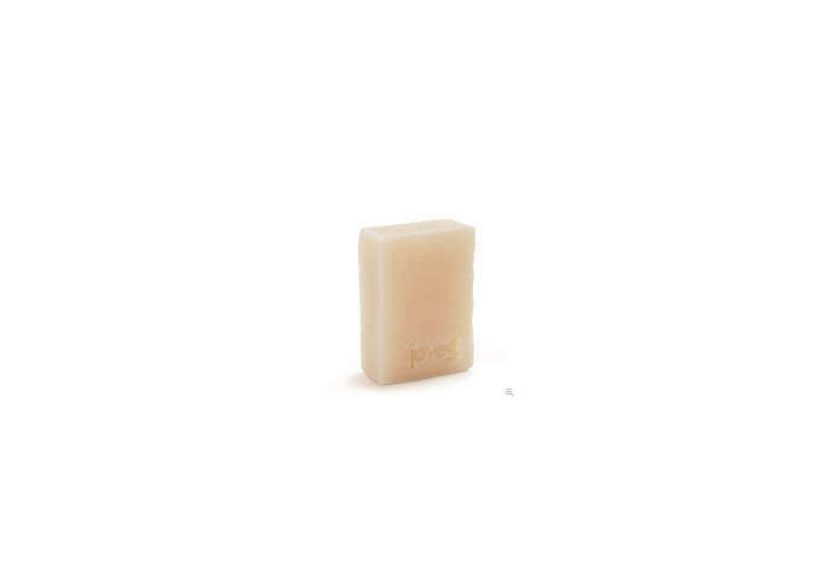
Shampoo bars
A shampoo bar is basically a solid version of shampoo. You wet it, rub it on the coat, and lather. The big wins:
less plastic, easy storage, great for travel, and often surprisingly long-lasting. The potential downside:
some bars behave more like true soap than shampoo, and that can matter for skin comfort.
Why pH Matters (Yes, Even If Your Dog Can’t Spell “pH”)
Human skin is naturally more acidic, while dog skin tends to be closer to neutral. That means a product designed
for people can disrupt a dog’s skin surface balance, drying them out and making irritation more likely. Translation:
your “gentle” human shampoo may be gentle… for humans.
This is why veterinarians and major pet-health organizations consistently recommend using shampoos made for dogs
(including puppy-specific formulas when appropriate), rather than human shampoos or even baby shampoo as a routine
choice.
So… Should You Use Human Shampoo or Baby Shampoo on Dogs?
For regular bathing: no. Human shampoos (including baby shampoo) are not formulated for canine skin. In a true
emergencysay your dog rolled in something you can’t describe without gaggingsome groomers and pet resources say
a tiny amount of mild baby shampoo can be used sparingly, once, with a very thorough rinse. But it shouldn’t be
your normal plan.
If your dog is prone to itching, dandruff, redness, or ear gunk after baths, switching to a dog-specific,
fragrance-free shampoo (or bar) is often the simplest upgrade you can make.
How to Choose the Right Shampoo Soap for Your Dog
Picking a cleanser is less about “what smells like coconut paradise” and more about your dog’s skin, coat,
lifestyle, and any medical issues. Here’s a smart way to shop.
1) Start with your dog’s “category”
- Normal skin, normal coat: A gentle dog shampoo or shampoo bar, ideally hypoallergenic and lightly scented (or fragrance-free).
- Dry or sensitive skin: Look for fragrance-free, dye-free, soothing formulas (often with oatmeal and/or aloe) and avoid heavy perfumes.
- Oily coat / “doggy odor”: A deodorizing dog shampoo can help, but don’t over-batheodor can be a skin-health issue, not just a “needs more lavender” issue.
- Allergies, recurrent itching, or skin infections: Ask your veterinarian about a medicated shampoo plan. This is not the moment for guessing.
- Puppies: Use puppy-labeled products when possible. Puppies are basically tiny chaos gremlins with delicate skin.
2) Ingredients that often help (with specific “why”)
- Colloidal oatmeal: Common in itch-relief shampoos; can soothe irritated skin and support moisture.
- Aloe: Often included for soothing and hydration (but still: patch-test if your dog is sensitive).
- Moisturizers/conditioners: Helpful if your dog gets dry after bathsespecially in winter or in dry climates.
- Fragrance-free bases: “No added perfumes” is a big deal for dogs that itch easily.
3) Things to be cautious about
- Heavy fragrance and dyes: Smell is nice, but skin comfort is nicer.
- “Essential oil cocktail” products: Some essential oils can irritate pets, and a few (like tea tree oil) can be risky if used incorrectly or in high concentrations. If a bar smells like a spa day for humans, pause and read the label carefully.
- Harsh cleansing feel: If your dog’s coat feels squeaky or straw-like after bathing, that’s often a sign the cleanser is stripping oils too aggressivelyor you didn’t rinse enough.
When a Medicated Shampoo Is the Right Call (And How It’s Different)
Medicated shampoos are not just “regular shampoo with a fancier label.” They’re meant to treat specific problems
like bacterial or yeast overgrowth, seborrhea, or certain dermatitis patternsoften with active ingredients such as
chlorhexidine (antiseptic) and antifungals like ketoconazole or miconazole.
Two important things make medicated bathing different:
-
Contact time matters. Many medicated shampoos need to sit on the skin for several minutes (commonly
5–10 minutes) before rinsing so the active ingredients can work. -
Frequency is condition-dependent. Some dogs need weekly medicated baths; others need a short course,
then maintenance. This should be guided by a veterinarian, especially if your dog has recurring infections.
If you’ve been bathing your dog “a lot” to fight itching and it isn’t improving, don’t escalate to daily baths.
That can worsen dryness and inflammation. Instead, treat the underlying cause with your vet’s help.
How Often Should You Bathe Your Dog?
The honest answer: it depends. Many healthy dogs only need baths occasionallythink every few weeks to every couple
of monthsunless they get dirty, smelly, or have skin needs. Some pet-care resources suggest a monthly rhythm for
many dogs, while others emphasize “only as needed,” with non-shedding breeds sometimes benefiting from a more
predictable schedule (like every 6–8 weeks). And at minimum, some guidance suggests at least a few baths per year.
What changes the schedule?
- Coat type: Thick undercoats and long coats can trap dirt and moisture.
- Lifestyle: Swimmers, hikers, and mud enthusiasts may need more frequent baths (or at least a rinse).
- Skin conditions: Medicated plans can require weekly bathing (or other schedules) temporarily.
- Allergy season: Some itchy dogs benefit from more frequent gentle bathing to remove allergensagain, ideally vet-guided.
A good rule: if your dog is clean, comfortable, and not smelly, you don’t need a “because it’s Sunday” bath.
Over-bathing can strip oils and trigger itch.
How to Use Shampoo Bars and Soap-Style Products Without the Drama
Shampoo bars are awesomeuntil you accidentally create a “half-lathered, fully offended” dog. Here’s the method
that keeps things efficient.
Step-by-step bath routine
- Brush first. Brushing removes loose fur and tangles so the cleanser reaches the skin instead of just washing the top layer of fluff.
- Use lukewarm water. Hot water can dry skin and make bath time feel like a betrayal.
- Wet thoroughly. Especially on double-coated dogswater has to reach the undercoat or the cleanser won’t distribute well.
-
Lather smart. For a bar: wet the bar and rub it between your hands, or glide it over the coat, then massage.
For liquids: consider diluting a bit in water for easier spreading and rinsing. - Mind the face. Avoid shampoo on the head/face. Use a damp washcloth to gently clean around eyes and muzzle.
- Let it sit if directed. If you’re using medicated shampoo, follow the label and your vet’s instructions for contact time.
- Rinse like you mean it. Rinse until you think you’re done… then rinse again. Residue is a common cause of post-bath itch.
- Towel dry and keep warm. If your dog tolerates it, a low-heat dryer can help (especially for thick coats), but don’t overheat.
Shampoo bar pro tips
- Keep the bar dry between baths: Store it on a draining soap saver or rack so it doesn’t turn into shampoo pudding.
- Cut it in half: A smaller bar is easier to grip, especially when your dog performs their signature “wet dolphin” escape maneuver.
- Do a quick patch test: If your dog is sensitive, try the new product on a small area first and watch for redness or itching.
Common Bath-Time Problems (And How to Fix Them)
“My dog is itchy after baths.”
The most common culprits are (1) not rinsing enough, (2) bathing too frequently, or (3) using a product that’s too
harsh or too fragranced. Switch to a gentle, fragrance-free dog shampoo or bar and rinse thoroughly. If itching
persists, talk to your vetespecially if you see redness, bumps, odor, or recurring ear issues.
“The bar doesn’t lather much. Is it broken?”
Some gentle formulas foam less, and hard water can reduce lather. Lather isn’t the same as cleaning power.
Focus on even coverage and good massage, then rinse well.
“My dog still smells right after a bath.”
If the smell is “wet dog,” drying better helps. If the smell is yeasty, sour, or persistent, it may be a skin
issue (like yeast overgrowth) rather than a “needs stronger fragrance” problem. That’s a vet conversation, not a
perfume arms race.
Quick FAQs
Can I use dish soap (like Dawn) on my dog?
Dish soap is designed to cut grease. It can strip oils aggressively and isn’t ideal for routine bathing. In rare
“emergency” situations (like greasy substances), it may be used with caution and thorough rinsing, but follow up
with a gentle dog shampoo later.
Is “natural” always safer?
Not automatically. “Natural” can still irritate, especially if the product uses strong essential oils or heavy
fragrance components. The safest bet for sensitive dogs is usually a simple, fragrance-free dog shampoo formulated
for skin comfort.
Do I need conditioner?
Some dogs do great with shampoo alone. If your dog gets dry, flaky, or staticky after bathsespecially in winter
or with frequent washingconsider a dog conditioner or moisturizing rinse.
Conclusion: The Clean Pup Plan (Without the Itchy Aftermath)
“Shampoo soap for dogs” can mean a lot of things: liquid shampoo, shampoo bars, or soap-style cleansers. The best
choice is the one that matches your dog’s skin needs, avoids unnecessary irritation, and rinses clean. For many
dogs, a gentle, dog-specific, fragrance-free cleanser is the sweet spotespecially if your pup is prone to itch.
If your dog has ongoing skin issues, don’t guess with stronger and stronger products. Medicated shampoos can be
extremely effective, but they work best with the right ingredients, the right contact time, and a vet-guided plan.
And for everyone: rinse thoroughly, skip the face shampoo, and accept that your dog may still sprint around the
house afterward like a triumphant, damp goblin. That’s not a bug. That’s a feature.
Bath-Time Experiences: of Real-World Lessons From Shampoo Bars to Sudsy Chaos
The first time I tried a shampoo bar for a dog, I expected a calm, eco-friendly montage: gentle lather, sparkling
coat, birds singing, the dog offering a polite “thank you.” What I got was more like an action movie where the
hero is slippery, fast, and deeply suspicious of my intentions.
Lesson one: bars are fantasticif you prep like a professional. I didn’t. I walked into the bathroom with
a single bar and a dream. Thirty seconds later, the bar launched from my hand like a watermelon seed and skidded
across the tub. The dog stared at it as if it were a sea creature. That’s when I started cutting bars in half.
Smaller bar = better grip. Better grip = fewer shampoo bar escape attempts.
Lesson two: wet fur is not automatically “ready for shampoo.” Double-coated dogs, especially, can look soaked on
top while the undercoat stays stubbornly drylike a rain jacket hiding a fluffy secret. When I didn’t fully wet
the coat, the bar lathered unevenly and I ended up with a dog that was clean in stripes. Think “zebra,” but
offended. Now I take an extra minute to get water all the way through the coat before I even think about lather.
Lesson three: the rinse is the whole game. The biggest improvement in post-bath comfort came not from buying a
fancier product, but from rinsing longer than felt necessary. There’s a moment where you think, “Surely this is
enough rinsing.” That moment is a liar. Residue can cling to dense coats and skin folds, and itchy dogs will file
a formal complaint with their nails at 2 a.m. I started rinsing in sectionsback legs, belly, chest, necklifting
the fur as I go. The difference in “scratchy after bath” problems was night and day.
Lesson four: avoid the face shampoo trap. One ambitious attempt to “just clean the muzzle quickly” led to a
dramatic head shake and the kind of look that says, “You have broken the social contract.” Now the face gets a
warm washcloth wipe, nothing more. Everyone stays happier.
Lesson five: the best product is the one your dog tolerates consistently. A lightly scented shampoo might smell
amazing, but if it makes your dog itchy or you dread bath day because it’s too hard to rinse out, it’s not the
right match. Once I switched to a simpler, dog-specific formula (and used the bar properlydrain rack, smaller
piece, thorough wetting), bath time became faster, calmer, and noticeably better for the dog’s skin. The coat
stayed soft, the “wet dog” smell faded quicker with better drying, and the post-bath zoomies became a celebration
instead of a stress response. That’s the real win: clean dog, comfortable skin, and a bathroom that doesn’t look
like a shampoo bar crime scene.