Table of Contents >> Show >> Hide
- What Is a Water Whip Pie Crust?
- Why This Retro Pie Crust Still Works
- Retro Water Whip Pie Crust Recipe
- How to Blind Bake a Water Whip Pie Crust
- Best Uses for This Old-Fashioned Pie Crust
- Tips for a Better Flaky Pie Crust
- Water Whip Pie Crust vs. Butter Pie Crust
- Common Mistakes to Avoid
- How to Store and Make Ahead
- Why Retro Recipes Like This Feel So Good Right Now
- Conclusion
- Kitchen Experiences With Retro Water Whip Pie Crust
- SEO Tags
If pie crust usually makes you feel like you are negotiating with a moody cloud of flour, welcome home. The retro water whip pie crust recipe is one of those old-school baking tricks that sounds a little suspicious at first, then wins you over like a charming aunt who shows up with a handwritten recipe card and absolutely no patience for nonsense. Instead of cutting cold fat into flour in the classic way, this vintage method whips shortening with boiling water and a splash of milk until the mixture looks almost creamy. The result is a dough that is surprisingly easy to handle, wonderfully tender, and flaky in that humble, practical, “I was born to hold pie filling” kind of way.
This old-fashioned pie crust has become newly interesting to modern bakers because it solves a few common pie problems. It is simple. It is budget-friendly. It does not demand elite pastry-school wrist action. And it feels delightfully retro without tasting outdated. If you love vintage desserts, nostalgic recipes, or just want a flaky pie crust recipe that skips the drama, this one deserves a spot in your kitchen.
What Is a Water Whip Pie Crust?
A water whip pie crust is a vintage shortening-based crust made by whipping boiling water into shortening, then adding flour and salt to form the dough. Think of it as the practical cousin of a classic butter crust: less fussy, often easier to roll, and historically rooted in the kind of thrifty home baking that valued good texture without unnecessary complication.
The “whip” part matters. You are not just stirring ingredients together and hoping for the best. You whip the hot liquid and shortening until the mixture turns thick and creamy, almost like soft whipped frosting’s less glamorous but more useful sibling. That step helps distribute the fat before the flour goes in, giving the dough a tender structure and a pleasant flake once baked.
It is also worth clearing up one pie-world confusion right away: this is not the same thing as British hot-water crust pastry. That style is usually sturdier and designed for savory pies that need to stand tall. Retro water whip pie crust is still a tender dessert-style pastry, just made with a different mixing method.
Why This Retro Pie Crust Still Works
Vintage recipes survive for a reason. Usually because they are delicious, efficient, or too stubborn to disappear. This one checks all three boxes.
1. It is beginner-friendly
Traditional pastry often depends on keeping chunks of fat cold and visible. That produces beautiful layers, but it can also produce panic. Water whip crust skips the classic cut-in step, so there is less worry about whether your butter pieces are too big, too small, too soft, or secretly plotting against you.
2. It rolls out with less attitude
After a short chill, the dough becomes smooth and cooperative. Instead of tearing like tissue paper at the exact moment you need confidence, it tends to roll with fewer tantrums. That makes it especially good for home bakers who want a dependable crust for cream pies, fruit pies, and holiday baking.
3. It is budget-conscious
Because the recipe traditionally uses shortening rather than all butter, it has roots in economical home baking. That matters now just as much as it did decades ago. Butter is wonderful, but it is also expensive enough these days to deserve its own security detail.
4. It bakes up tender and flaky
Shortening helps hold structure, which is one reason many bakers like a shortening crust or a butter-shortening blend. Butter wins on flavor, but shortening often wins on easy handling and shape retention. Water whip pastry leans into that strength while still delivering a crust that feels light rather than heavy.
Retro Water Whip Pie Crust Recipe
Ingredients
- 3/4 cup vegetable shortening
- 1/4 cup boiling water
- 1 tablespoon milk
- 2 cups all-purpose flour
- 1 teaspoon salt
How to Make It
- Start with the shortening. Place the shortening in a medium mixing bowl.
- Add the hot liquid. Pour the boiling water and milk over the shortening.
- Whip until creamy. Break up the shortening with a fork, then beat or whisk until the mixture becomes smooth, thick, and fluffy enough to hold soft peaks. This is the signature move of the whole recipe, so do not rush it.
- Add the dry ingredients. Sprinkle in the flour and salt. Stir just until the dough comes together and starts cleaning the sides of the bowl.
- Bring it together gently. Turn the dough onto a clean surface and knead only a few times, just enough to smooth it out.
- Divide and chill. Split into 2 discs, wrap, and chill for about 30 minutes.
- Roll it out. Roll each disc between sheets of parchment or on a lightly floured surface.
- Use as needed. This recipe makes enough for two single crusts or one double-crust pie.
How to Blind Bake a Water Whip Pie Crust
If your filling is no-bake, creamy, or especially wet, blind baking is your best friend. Not your loud friend. Your useful friend. The one who brings pie weights and good judgment.
- Preheat your oven to 450°F.
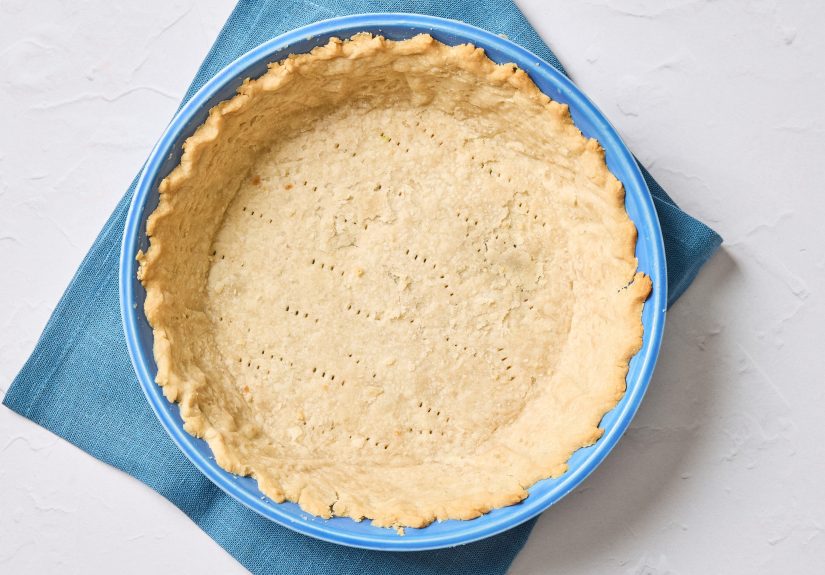
- Fit the crust into the pie plate and prick the bottom and sides lightly with a fork.
- Line the shell with foil or parchment and add pie weights, dry beans, or sugar.
- Bake for 8 minutes.
- Remove the liner and weights, then bake 6 to 8 minutes more, until golden.
- Cool completely before adding a no-bake filling.
For pies that will go back into the oven, you can partially bake the crust instead of fully blind baking it. That helps prevent the dreaded soggy bottom, which sounds like a Victorian insult but is, unfortunately, a real pie problem.
Best Uses for This Old-Fashioned Pie Crust
This retro pie crust recipe is versatile, but it shines brightest in pies where a tender, flaky shell matters more than deep buttery flavor. Great matches include:
- Banana cream pie
- Coconut cream pie
- Chocolate silk pie
- Lemon meringue pie
- Pumpkin pie
- Classic apple pie
- Cherry pie
- Vintage custard pies
Because the dough is easy to roll, it is also handy for lattice tops, decorative cutouts, and those moments when you want your pie to look like you calmly planned it that way instead of assembling it in a blur while butter smudges your shirt.
Tips for a Better Flaky Pie Crust
Do not overmix after the flour goes in
This dough is forgiving, but gluten still exists, and gluten still loves to turn overworked pastry into something with the tenderness of a throw pillow. Once the flour is absorbed, stop.
Chill the dough before rolling
Even though this recipe starts with hot liquid, chilling is still essential. Resting the dough helps relax gluten and firms the fat, which makes rolling easier and helps the crust keep its shape in the oven.
Roll gently from the center outward
Do not attack it like you are flattening a cardboard box. Smooth, even strokes work better and reduce shrinkage later.
Fit the dough into the pan without stretching
Stretching seems harmless in the moment. Then the crust bakes and snaps back like it just remembered boundaries. Let the dough settle naturally into the plate.
Use the right pie plate
Glass and metal pie plates tend to encourage better browning than thick, heavy stoneware. If you want that nicely baked bottom crust instead of pale pastry sadness, pan choice matters.
Freeze the shaped crust briefly before baking
If you have time, a quick chill or freeze after shaping the crust can help preserve the edges and keep decorative crimps from melting into a vague memory.
Water Whip Pie Crust vs. Butter Pie Crust
There is no need to start a family feud over pastry fat. Both styles have their place.
Water whip pie crust is easier to handle, more budget-friendly, and reliably tender. It is perfect when you want an old-fashioned pie crust recipe that behaves itself.
All-butter pie crust brings richer flavor and dramatic flaky layers, but it can be more delicate and temperamental, especially in warm kitchens.
If butter crust is the glamorous movie star, retro water whip pie crust is the character actor who quietly steals the whole film. One gets the spotlight. The other gets the job done.
Common Mistakes to Avoid
Skipping the whipping step
If you do not whip the shortening and hot liquid until creamy, you miss the whole point of the method. The dough will still exist, sure, but it will not have the same texture or ease.
Adding extra flour too early
The dough may look soft at first. Chill it before deciding it needs more flour. Too much flour can make the crust dry and tough.
Overworking the dough
Mix just until combined, then stop. Pie dough is not bread dough. It does not need a workout plan.
Underbaking the crust
A pie crust should look properly golden, especially on the bottom. Pale pastry rarely becomes crisp by wishful thinking alone.
How to Store and Make Ahead
This dough is excellent for planning ahead. You can refrigerate the wrapped discs for up to 2 to 3 days, or freeze them for longer storage. Thaw frozen dough overnight in the refrigerator before rolling. You can also blind bake the shell ahead of time, cool it completely, and store it until filling day. That is especially useful during holiday baking, when counter space disappears and everyone suddenly needs the oven at once.
Why Retro Recipes Like This Feel So Good Right Now
There is something deeply satisfying about a recipe that does not try to impress you with a ten-paragraph identity crisis. Water whip pie crust knows what it is. It is practical, nostalgic, and impressively low-maintenance. It belongs to that lovely category of vintage baking where skill matters, but perfection does not get to be the boss of everything.
And maybe that is why this crust still resonates. It reminds us that a good homemade pie does not need trend-chasing ingredients or a culinary TED Talk. Sometimes all it needs is flour, shortening, boiling water, and a little confidence. Maybe also a rolling pin. And maybe a backup rolling pin if the first one has gone missing in the mysterious drawer dimension.
Conclusion
The retro water whip pie crust recipe deserves its comeback. It is easy, thrifty, surprisingly flaky, and refreshingly straightforward. For bakers who want a vintage pie crust recipe with modern reliability, this method hits a sweet spot between nostalgia and practicality. Whether you are baking a holiday apple pie, a cool cream pie, or just trying to prove to yourself that homemade crust does not have to be terrifying, this old-fashioned technique is a smart one to keep in your back pocket.
Make it once and you may find yourself doing what generations of home bakers have done before: writing it down on a recipe card, tucking it into a kitchen drawer, and pretending you discovered a secret. Honestly, you kind of did.
Kitchen Experiences With Retro Water Whip Pie Crust
One of the most interesting experiences with a retro water whip pie crust recipe is how strange the first step feels if you grew up learning traditional pastry. Most bakers are trained to think “cold fat, cold water, minimal touching, proceed with caution.” Then this vintage method strolls in and cheerfully tells you to pour boiling water over shortening and whip it until fluffy. It feels wrong in the same way some of the best old recipes do: suspicious at first, then weirdly brilliant.
The first time many people make this crust, there is a brief moment of doubt right after the boiling water goes in. The shortening looks messy, the bowl looks questionable, and the baker looks at the recipe card like it might be playing a prank. Then the whipping starts. Suddenly the mixture changes texture, becoming creamy and thick, and the whole method begins to make sense. That transformation is part of the fun. It feels like you are watching a recipe reveal its personality in real time.
Another common experience is pure relief during rolling. Traditional pie dough can be dramatic. It cracks. It shrinks. It sticks to the counter with the emotional intensity of a breakup scene. Water whip dough, after a short chill, often feels smoother and more willing to cooperate. That does not mean it is magically foolproof, but it does mean the average home baker spends less time bargaining with the crust and more time actually making pie.
There is also a distinct nostalgia factor. Even if you did not grow up with this exact recipe, it tastes and behaves like something from a handwritten church cookbook, a metal recipe box, or a grandmother who measured flour with confidence instead of digital precision. The method has that same practical charm. It is not trying to be fashionable. It is trying to get dessert on the table, and honestly, that energy is refreshing.
For holiday bakers, the experience can be especially satisfying. When you are making several pies at once, a crust that comes together quickly feels like a gift from the baking gods. The dough can be mixed, chilled, rolled, and fitted without the constant fear that the butter is melting or the pastry is about to become tough. It is a useful recipe when the kitchen is warm, the oven is busy, and somebody is already asking when dessert will be ready even though the pie is still in pieces.
There is also the quiet joy of serving a pie made with a crust people do not expect. Guests often assume “retro” means dry, bland, or merely charming in a historical-documentary sense. Then they take a bite and get a tender, flaky shell that actually holds together. That contrast is delightful. A water whip crust does not need to shout. It just shows up, supports the filling, and makes everyone look slightly surprised in the best possible way.
Maybe the best experience of all is that this recipe makes homemade pie feel approachable again. Not precious. Not overly technical. Just approachable. It reminds bakers that a good pie crust does not have to be perfect to be deeply satisfying. It can be a little rustic, a little uneven, and still completely wonderful. In fact, that may be the most retro thing about it: this crust was made for real kitchens, real schedules, and real people who wanted dessert more than they wanted stress.