Table of Contents >> Show >> Hide
- What Makes Fatsraptor’s Comics So Addictive?
- Dark Humor With a Cartoon Smile
- Why “Unexpected Twists” Matter So Much
- The Fatsraptor Voice: Playful, Weird, and Comfortably Unhinged
- Why Dark Comics Thrive Online
- Recurring Themes That Make These Comics Click
- Humor That Respects the Reader’s Intelligence
- Why Readers Keep Coming Back for More
- Final Thoughts
- Extra Reflections: The Reader Experience of Falling for a Fatsraptor Comic
If your sense of humor lives somewhere between “that was adorable” and “well, that escalated directly into the abyss,” then Fatsraptor’s comics are probably your kind of chaos. The appeal of these strips isn’t just that they’re dark. Plenty of people can make a joke grim. The real trick is making it grim and genuinely funnywithout sounding like a teenager who just discovered irony and black coffee on the same day.
That’s where Fatsraptor shines. The comics pull readers in with familiar setups, playful cartoon energy, and the kind of rhythm that whispers, “Relax, friend, this is going somewhere cute.” Then, seconds later, the punchline kicks the door off its hinges. The result is a style of dark humor that feels sharp, absurd, and weirdly charming. It’s the comedic equivalent of being handed a cupcake and discovering there’s hot sauce in the frostingsurprising, a little dangerous, and somehow impossible to stop tasting.
In this roundup-inspired deep dive, we’re looking at why “60 Hilariously Dark Comics With Unexpected Twists By ‘Fatsraptor’” works so well, what makes the artist’s voice stand out in a crowded webcomic universe, and why readers keep returning for one more joke even when they know that “one more joke” may emotionally trip them on the staircase.
What Makes Fatsraptor’s Comics So Addictive?
The first reason is simple: timing. Great dark comics depend on timing more than elaborate art, dense dialogue, or flashy concepts. Fatsraptor understands that a short comic lives or dies by the last beat. Each panel is doing quiet setup work, building a tiny contract with the reader. You think you know the genre. You think you know the direction. Then the final image or line yanks the steering wheel into a ditchin the best possible way.
That kind of twist-based humor works because it plays with expectation. A reader enters with a mental script: a sweet animal joke, a fairytale riff, an awkward social scene, a mundane life moment. Fatsraptor lets that expectation grow just enough to feel stable, then flips it. Not randomly, either. The best strips don’t feel like shock for shock’s sake. They feel inevitable in hindsight, which is exactly why they land.
And then there’s the tone. Fatsraptor’s work doesn’t come across as mean-spirited for the sake of edginess. The voice feels more mischievous than hostile. Even when the comics veer into morbid or absurd territory, there’s a wink in the structure. It’s less “I want to offend you” and more “I know exactly where you thought this was going, and I regret to inform you that we are now driving off a comedy cliff together.”
Dark Humor With a Cartoon Smile
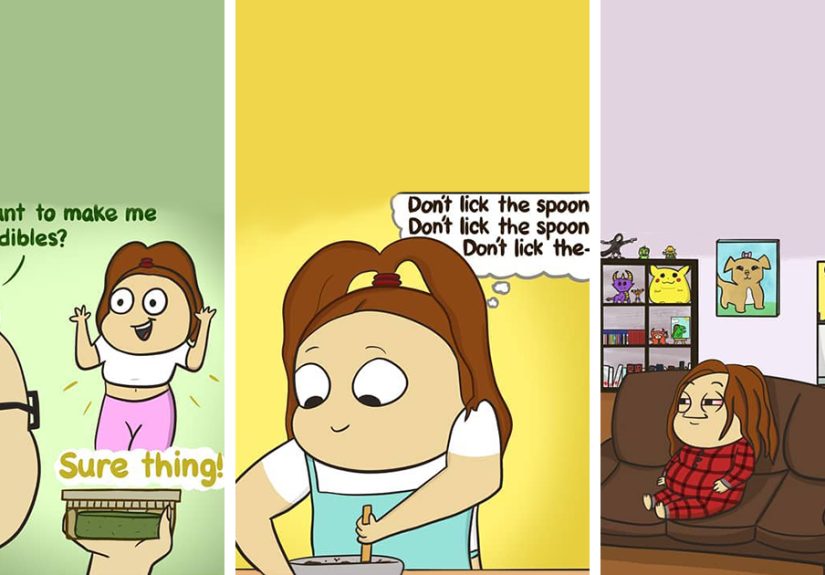
One of the smartest things about Fatsraptor’s style is the contrast between visual softness and narrative menace. Cute characters, clean shapes, expressive faces, and a colorful, approachable style make the comic look inviting. Then the joke swerves into existential dread, social awkwardness, or gleeful nonsense. That clash is part of the fun.
Dark humor often works best when it arrives in a package that seems harmless. In comics, that tension becomes even stronger because the art does half the deception. A grim joke delivered in a grim style can feel heavy. A grim joke delivered in a sweet, almost cozy visual language feels sneakier. The comic doesn’t just tell the joke; it stages a tiny ambush.
This is why webcomics with unexpected endings tend to spread so easily online. They’re fast to consume, easy to share, and satisfying on first read. But the really good ones reward a second look. You notice how carefully the artist set the trap. A facial expression in panel one. A suspiciously innocent bit of dialogue in panel two. A visual clue you ignored because you were too comfortable. Suddenly the whole strip feels tighter and smarter than it did at first glance.
Why “Unexpected Twists” Matter So Much
Let’s be honest: if a comic promises an unexpected twist and then delivers exactly what your brain predicted by panel two, that comic has basically served you room-temperature water and called it a cocktail. Surprise matters. It is the engine of the laugh.
Fatsraptor seems to understand that surprise alone is not enough, though. The best twist endings don’t just surprise readers; they reframe everything that came before. That’s what turns a decent joke into a memorable one. You laugh once because the ending caught you off guard, and then maybe laugh again because the setup now looks brilliantly suspicious.
This is also why the “60 comics” format feels right for an artist like this. The appeal is cumulative. One twist comic is funny. Ten twist comics show range. Sixty twist comics reveal a full comic worldviewa creator who keeps finding new angles on discomfort, absurdity, fairy tales, monsters, relationships, and the deeply unstable emotional scaffolding of modern life.
The Fatsraptor Voice: Playful, Weird, and Comfortably Unhinged
Fatsraptor’s appeal also comes from voice. In webcomics, voice is everything. Plenty of artists can draw well. Plenty can write a punchline. Fewer can make a comic feel unmistakably theirs after only a few panels.
Here, the voice feels casual, internet-literate, and delightfully unpredictable. The jokes often behave like someone telling a story with a straight face while quietly sliding the table away beneath your coffee. There’s a strong sense of comic confidence in that. The strips rarely feel overexplained. They trust the reader to catch up, which makes the humor feel sharper.
There is also a refreshing lack of polish in the best sense of the word. Not sloppyalive. The comics feel like they come from a creator who likes exploring ideas, not embalming them. That gives the work energy. The joke doesn’t feel processed by committee. It feels discovered, tested, and launched like a paper airplane with suspicious intent.
Why Dark Comics Thrive Online
Dark humor has always had an audience, but the webcomic format gives it perfect conditions. Online readers love quick emotional shifts. They love a joke that can be understood in seconds and discussed for minutes. They love content that looks innocent enough to click and strange enough to remember. Fatsraptor fits that ecosystem beautifully.
Webcomics also make room for niche tastes. Not everyone wants wholesome, affirming, soft-focus optimism all day long. Sometimes readers want humor that acknowledges life is bizarre, messy, awkward, and occasionally held together with duct tape and denial. Dark comics don’t just entertain; they can feel oddly honest. They exaggerate the weirdness people already sense in everyday life.
That honesty matters. A lot of dark humor fans aren’t looking for cruelty. They’re looking for recognition. They want jokes that understand embarrassment, fear, social discomfort, and the absurdity of being a person with bills, memories, anxieties, and a browser history that should probably remain between them and the void.
Recurring Themes That Make These Comics Click
1. Ordinary situations gone gloriously wrong
Many strong twist comics start in the everyday world: conversations, errands, dating, family dynamics, awkward encounters, or tiny emotional struggles. Fatsraptor uses that familiarity as bait. The normalcy makes the turn feel stronger when the strip suddenly plunges into surreal or morbid territory.
2. Monsters, myths, and pop-culture logic
Dark comics thrive when they remix familiar figures. Boogeymen, witches, fairy-tale archetypes, spooky creatures, and genre clichés all become useful tools because readers arrive with built-in expectations. Fatsraptor can then twist those expectations into punchlines that feel both familiar and fresh.
3. Social discomfort as comedy fuel
Some of the funniest dark comics don’t need blood, doom, or apocalypse. They just need human awkwardness pushed one inch past the limit. Fatsraptor seems especially effective at taking an already uncomfortable situation and nudging it into comic catastrophe.
4. Cute visuals carrying chaotic ideas
This contrast is a major signature of modern webcomic humor. It lowers the reader’s guard, heightens the shock, and makes the comic more shareable. The joke can be intense, but the presentation stays breezy enough to invite a laugh before the brain fully files a complaint.
Humor That Respects the Reader’s Intelligence
One reason dark comics fail is that they confuse offensiveness with cleverness. Fatsraptor’s stronger strips avoid that trap. The humor tends to come from structure, not just taboo. That distinction matters.
A clever dark joke gives the reader something to solve. It introduces a harmless-looking premise, then reveals a hidden logic beneath it. You feel the click when the comic lands. That click is satisfying. It treats readers as participants rather than targets. The joke isn’t merely dumped onto them; it unfolds through them.
That’s also why readers who enjoy absurdist humor, satire, and twist endings often overlap. All three rely on pattern recognition. You’re reading not just for what happens, but for how the comic guides your assumptions. Fatsraptor’s strips often work because they understand that comedy is architecture. The laugh comes from the design.
Why Readers Keep Coming Back for More
A collection like “60 Hilariously Dark Comics With Unexpected Twists By ‘Fatsraptor’” succeeds because it creates momentum. Every comic teaches readers the same lesson: don’t get comfortable. Naturally, readers get comfortable anyway. That’s half the fun. They know a twist is coming, but they don’t know which twist, when it will hit, or how hard it will body-slam their expectations.
That unpredictability turns browsing into bingeing. You tell yourself you’ll read five comics. Suddenly you are thirty-eight comics deep, laughing at something morally questionable involving a mythical creature, a social misunderstanding, or an innocent sentence with deeply cursed consequences. At that point, you are no longer reading responsibly. You are committed.
And maybe that’s the biggest compliment you can give a dark humor artist: the work doesn’t just shock. It entertains. It invites. It builds trust while also repeatedly betraying that trust in tiny, hilarious ways. That balance is hard to achieve, and Fatsraptor makes it look easy.
Final Thoughts
Fatsraptor’s comics prove that dark humor still has plenty of room to surprise readers. In a crowded online space full of recycled jokes and predictable punchlines, these strips feel sharp because they understand the mechanics of surprise, the power of visual contrast, and the strange comfort of laughing at life’s more unhinged possibilities.
What makes “60 Hilariously Dark Comics With Unexpected Twists By ‘Fatsraptor’” such an appealing title is also what makes the comics themselves so bingeable: they promise mischief, deliver precision, and leave readers with that rare reaction every humor creator wantsan immediate laugh followed by, “Wow, that was wrong. Anyway, show me the next one.”
For fans of webcomics, dark comedy, absurd punchlines, and clever twist endings, Fatsraptor offers exactly the kind of reading experience the internet was built for: fast, funny, slightly cursed, and impossible to forget.
Extra Reflections: The Reader Experience of Falling for a Fatsraptor Comic
Reading a long batch of dark twist comics creates a strangely specific emotional journey. At first, you approach like a normal person. You observe the art. You appreciate the setup. You feel smart. By comic six or seven, though, you begin developing what can only be described as survival instincts. Your brain starts scanning for danger. A smiling character? Suspicious. A wholesome pet? Extremely suspicious. A calm opening line about a totally normal day? That comic is absolutely hiding a grenade under the floorboards.
And yet, the funniest part is that this defensive reading style never fully protects you. A good twist artist adapts faster than the reader. Once you expect darkness, the joke can pivot into absurdity. Once you expect absurdity, it can lean into emotional awkwardness. Once you brace for cruelty, it might fake you out with sincerity for two panels before the last frame plants a comedy rake directly in your path. Fatsraptor’s work has that elastic quality. It doesn’t only rely on one kind of “gotcha.” It keeps changing the shape of the surprise.
There’s also a community aspect to comics like these. Dark webcomics tend to live especially well in group chats, social feeds, and comment sections because they trigger immediate reaction. People don’t just say, “Nice comic.” They say, “I hate that I laughed,” or “That ending took me out,” or “Why would you do this to me before coffee?” That kind of response is gold online. It means the comic created an emotional snap strong enough to make people perform their reaction publicly, which is basically the internet’s favorite hobby after overusing the word “literally.”
Another interesting part of the experience is how these comics can make readers feel seen without getting sentimental about it. A lot of modern humor is built around anxiety, dread, awkwardness, burnout, and the general sense that adulthood is a haunted escape room with bills. Dark comics translate those feelings into something manageable: a joke with a shape. You laugh because the strip exaggerates reality, but you also laugh because some tiny part of it feels painfully recognizable. The monster is fake. The vibe is not.
That may be why readers often become loyal to artists like Fatsraptor. The comics deliver more than punchlines. They deliver a perspectivea way of looking at the world that says, “Yes, everything is a little ridiculous, and yes, that can be funny.” Not in a cold or hopeless way, but in a mischievous, coping-through-cleverness way. It’s humor that shrugs at the chaos and turns it into a tiny performance.
By the end of a 60-comic run, the experience feels less like casually browsing and more like entering a very specific comedy ecosystem. You start to recognize the rhythm. You anticipate the trap. You admire the craftsmanship. Most importantly, you keep going. That’s the real magic. In an age of endless scrolling, getting someone to stop, laugh, and immediately want another comic is no small achievement. Fatsraptor’s strips pull that off with style, surprise, and just enough darkness to keep the whole thing deliciously unstable.