Table of Contents >> Show >> Hide
- What Is Respiratory Failure?
- Acute vs. Chronic Respiratory Failure: What Is the Difference?
- Common Causes of Respiratory Failure
- Symptoms of Respiratory Failure
- How Respiratory Failure Is Diagnosed
- Acute-on-Chronic Respiratory Failure
- Treatment Overview: What Doctors May Do
- Prevention and Risk Reduction
- Living With Chronic Respiratory Failure
- Experiences Related to Respiratory Failure: What Patients and Families Often Notice
- Conclusion
Respiratory failure sounds like something your lungs simply “decide” to do on a Monday morning after one too many stairs. In reality, it is a serious medical condition that happens when the respiratory system cannot move enough oxygen into the blood, remove enough carbon dioxide from the blood, or both. The result is not just feeling winded after chasing the dog down the driveway. It can affect the brain, heart, kidneys, and every organ that depends on oxygenwhich is, inconveniently, all of them.
Respiratory failure may happen suddenly, which is called acute respiratory failure, or it may develop slowly over time, which is called chronic respiratory failure. Both can be dangerous, but they behave differently. Acute respiratory failure is usually an emergency. Chronic respiratory failure may creep in quietly, often in people with long-term lung or neuromuscular conditions, until everyday activities start feeling like Olympic events.
This guide explains the difference between acute and chronic respiratory failure, common causes, warning symptoms, diagnostic tests, and real-life experiences that help make the topic easier to understand without turning your brain into a medical textbook smoothie.
What Is Respiratory Failure?
Respiratory failure occurs when the lungs and breathing system cannot maintain healthy blood gas levels. That means oxygen may fall too low, carbon dioxide may rise too high, or both problems may occur together.
Oxygen is the fuel your cells need to function. Carbon dioxide is a waste gas your body needs to remove. When the balance goes sideways, the body starts sending distress signals: shortness of breath, rapid breathing, confusion, bluish lips or fingertips, extreme sleepiness, and sometimes loss of consciousness.
Two Main Blood Gas Problems
Doctors often describe respiratory failure based on what is happening in the blood:
- Hypoxemic respiratory failure: Oxygen levels are too low. This is common in pneumonia, acute respiratory distress syndrome, severe asthma attacks, pulmonary edema, and blood clots in the lungs.
- Hypercapnic respiratory failure: Carbon dioxide levels are too high. This often happens when breathing becomes too weak or too slow, as in severe COPD, opioid overdose, neuromuscular disease, obesity hypoventilation syndrome, or chest wall disorders.
Some people have both low oxygen and high carbon dioxide. The lungs, like an overworked customer service department, may be failing at multiple jobs at once.
Acute vs. Chronic Respiratory Failure: What Is the Difference?
The key difference is timing. Acute respiratory failure develops quicklywithin minutes, hours, or days. Chronic respiratory failure develops gradually over weeks, months, or years. The causes, symptoms, and treatment approach may overlap, but the urgency is often very different.
Acute Respiratory Failure
Acute respiratory failure is a sudden inability to breathe well enough to support the body. It can follow a severe infection, lung injury, asthma attack, COPD flare-up, trauma, drug overdose, sepsis, or acute respiratory distress syndrome, also called ARDS.
This type is usually treated as a medical emergency because oxygen levels may drop rapidly, carbon dioxide may rise quickly, and organs may suffer damage. A person may need oxygen therapy, noninvasive ventilation, mechanical ventilation, medications, or intensive care depending on the cause and severity.
Chronic Respiratory Failure
Chronic respiratory failure develops slowly. It is commonly linked to long-term conditions such as chronic obstructive pulmonary disease, severe asthma, cystic fibrosis, pulmonary fibrosis, sleep-related breathing disorders, obesity hypoventilation syndrome, spinal cord injury, muscular dystrophy, or amyotrophic lateral sclerosis.
Because it appears gradually, the body may partly adapt. That adaptation is helpful, but also sneaky. A person may not realize how limited their breathing has become until they can no longer walk across a room, climb stairs, sleep comfortably, or carry groceries without stopping for air.
Common Causes of Respiratory Failure
Respiratory failure is not usually a disease by itself. It is the result of another condition interfering with breathing, oxygen exchange, or carbon dioxide removal. Think of it as the smoke alarm, not the fire.
Lung Diseases
Many lung diseases can lead to respiratory failure. Pneumonia can fill air sacs with fluid and inflammation. COPD can narrow and damage airways, trapping air and making carbon dioxide removal difficult. Asthma can tighten the airways so severely that air barely moves. Pulmonary fibrosis can stiffen the lungs, making oxygen transfer harder. ARDS can cause widespread lung inflammation and severe oxygen problems.
Heart and Circulation Problems
The lungs and heart are roommates. When one throws a party, the other hears the noise. Heart failure can cause fluid to back up into the lungs, leading to pulmonary edema and low oxygen levels. A pulmonary embolism, which is a blood clot in the lung, can block blood flow and suddenly reduce oxygen exchange.
Brain, Nerve, and Muscle Conditions
Breathing depends on signals from the brain, healthy nerves, and working muscles. Stroke, brain injury, spinal cord injury, Guillain-Barré syndrome, myasthenia gravis, muscular dystrophy, and ALS can weaken the breathing system. In these cases, the lungs may be structurally fine, but the “breathing machinery” is not getting the message or cannot do the work.
Chest Wall and Obesity-Related Causes
Severe kyphoscoliosis, rib injuries, chest trauma, or obesity hypoventilation syndrome can restrict lung expansion. When the chest cannot expand properly, each breath becomes less effective. Over time, carbon dioxide may rise, especially during sleep.
Medication, Substance, and Sedation Effects
Some medicines and substances can slow breathing, especially opioids, sedatives, anesthesia, and certain combinations of drugs. This can cause carbon dioxide to build up and oxygen to fall. This type of respiratory failure can happen quickly and requires urgent medical attention.
Infections and Sepsis
Severe infections such as pneumonia, influenza, COVID-19, and sepsis can trigger respiratory failure. Infections may inflame the lungs directly or cause body-wide inflammation that damages oxygen exchange. In ARDS, the lungs become inflamed and leaky, making it difficult for oxygen to pass into the bloodstream.
Symptoms of Respiratory Failure
Symptoms depend on whether oxygen is low, carbon dioxide is high, how quickly the problem develops, and what caused it. Some signs are obvious, while others are subtle enough to be mistaken for fatigue, anxiety, aging, or “I probably just need more coffee.”
Symptoms of Low Oxygen
- Shortness of breath or air hunger
- Rapid breathing
- Fast heartbeat
- Bluish lips, fingertips, or skin
- Chest discomfort
- Restlessness or panic
- Extreme fatigue
Symptoms of High Carbon Dioxide
- Morning headaches
- Confusion or trouble concentrating
- Drowsiness or unusual sleepiness
- Flushed skin
- Slow or shallow breathing
- Shaking hands or muscle twitches
- In severe cases, reduced alertness
Emergency Warning Signs
Seek emergency help right away if someone has severe shortness of breath, blue lips or face, confusion, fainting, chest pain, inability to speak full sentences, extreme sleepiness, or rapidly worsening breathing. Acute respiratory failure is not the time to “sleep it off” or ask the internet to vote.
How Respiratory Failure Is Diagnosed
Doctors diagnose respiratory failure by combining symptoms, physical examination, oxygen measurements, blood gas testing, imaging, and tests that look for the underlying cause. The goal is not only to confirm respiratory failure, but to answer the big question: Why is this happening?
Medical History and Physical Exam
A healthcare professional may ask about lung disease, heart problems, smoking history, medication use, recent infections, sleep symptoms, occupational exposures, and how quickly symptoms appeared. During the exam, they may listen for wheezing, crackles, weak breath sounds, abnormal heart rhythms, or signs of fluid overload.
Pulse Oximetry
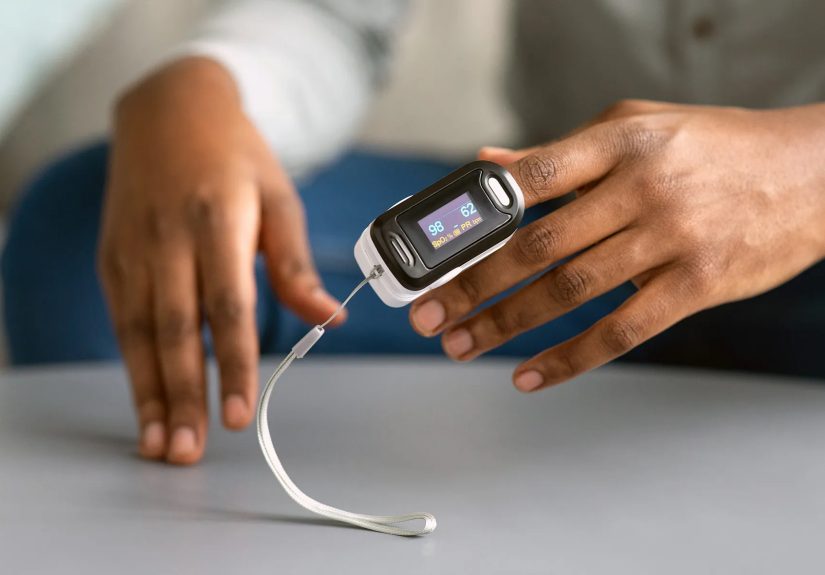
Pulse oximetry uses a small sensor placed on a finger, toe, or ear to estimate oxygen saturation. It is quick and painless. A low reading can suggest hypoxemia, but it does not measure carbon dioxide. That is why a person can have a decent oxygen number and still be in trouble from high carbon dioxide.
Arterial Blood Gas Test
An arterial blood gas test, often called an ABG, measures oxygen, carbon dioxide, blood pH, and bicarbonate. It helps doctors determine whether respiratory failure is hypoxemic, hypercapnic, acute, chronic, or acute-on-chronic. The test involves drawing blood from an artery, usually at the wrist. It is not everyone’s favorite spa treatment, but it provides valuable information.
Chest X-Ray and CT Scan
Imaging can reveal pneumonia, collapsed lung, pulmonary edema, lung scarring, tumors, trauma, or signs of ARDS. A CT scan may be used when doctors need more detail or suspect a pulmonary embolism, interstitial lung disease, or another condition not clearly visible on a basic X-ray.
Blood Tests and Infection Testing
Blood tests may check for infection, inflammation, anemia, kidney function, electrolyte problems, or heart strain. Doctors may also test for viral infections, bacterial pneumonia, or sepsis when symptoms suggest an infectious cause.
Pulmonary Function Tests
For chronic respiratory problems, pulmonary function tests measure how well the lungs move air and transfer oxygen. Spirometry is commonly used to diagnose and monitor COPD and asthma. These tests are usually performed when the person is stable, not during a severe emergency.
Sleep Studies
If chronic respiratory failure is worse at night or linked to sleep-related breathing problems, a sleep study may be recommended. Sleep apnea and obesity hypoventilation syndrome can cause nighttime oxygen drops and carbon dioxide buildup.
Acute-on-Chronic Respiratory Failure
Some people live with chronic respiratory failure and then suddenly worsen. This is called acute-on-chronic respiratory failure. For example, a person with COPD may normally have higher-than-average carbon dioxide levels. Then pneumonia, influenza, a COPD flare, heart failure, or a medication side effect pushes the system past its limit.
This situation can be tricky because the person’s “normal” blood gas values may already be abnormal. Doctors compare current test results with the person’s baseline when available. Treatment focuses on stabilizing the acute problem while respecting the chronic condition underneath.
Treatment Overview: What Doctors May Do
Treatment depends on the cause and severity. The first priority is supporting breathing and protecting organs. The second priority is treating the underlying trigger.
Oxygen Therapy
Supplemental oxygen may be delivered through nasal cannula, face mask, high-flow nasal oxygen, or other devices. In some chronic lung diseases, oxygen must be carefully adjusted because too much or too little can cause problems. This is why oxygen therapy should be guided by medical professionals.
Noninvasive Ventilation
Noninvasive ventilation, such as BiPAP or CPAP, supports breathing through a mask. It can help people with COPD exacerbations, sleep-related breathing disorders, heart failure-related pulmonary edema, or certain cases of high carbon dioxide.
Mechanical Ventilation
If a person cannot breathe adequately on their own, doctors may use mechanical ventilation through a breathing tube. This is common in severe acute respiratory failure, ARDS, major trauma, or reduced consciousness.
Treating the Cause
Depending on the diagnosis, treatment may include antibiotics for bacterial pneumonia, bronchodilators and steroids for asthma or COPD exacerbations, diuretics for pulmonary edema, blood thinners for pulmonary embolism, airway clearance therapy, or management of neuromuscular disease.
Prevention and Risk Reduction
Not every case of respiratory failure can be prevented, but risk can often be reduced. Avoiding smoking, staying current with recommended vaccines, treating COPD and asthma consistently, using prescribed oxygen or breathing devices correctly, managing heart disease, and seeking early care for infections can all help.
People with chronic lung disease should know their personal warning signs. These may include increased shortness of breath, more mucus, changed mucus color, fever, swelling in the legs, needing more pillows to sleep, lower oxygen readings, or unusual sleepiness. Having an action plan with a healthcare provider can prevent a small flare from becoming a full-blown emergency starring your lungs in a disaster movie.
Living With Chronic Respiratory Failure
Chronic respiratory failure changes daily life, but it does not automatically erase independence. Many people manage it with oxygen therapy, pulmonary rehabilitation, medications, breathing exercises, nutrition support, sleep treatment, and careful monitoring.
Pulmonary rehabilitation can be especially helpful. It combines supervised exercise, education, breathing strategies, and confidence-building. Patients often learn how to pace activities, conserve energy, use inhalers correctly, and recognize flare-ups earlier.
Home oxygen, when prescribed, should be used exactly as directed. Skipping oxygen because it feels inconvenient may make fatigue, heart strain, and confusion worse. The oxygen tubing may not be a fashion accessory, but neither are hospital wristbands.
Experiences Related to Respiratory Failure: What Patients and Families Often Notice
One of the most common experiences people describe before a respiratory failure diagnosis is the feeling that breathing problems “snuck up” on them. A person with chronic lung disease may first notice that walking to the mailbox takes longer. Then grocery shopping becomes exhausting. Then showering feels like a workout. Because the change is gradual, many people adjust their lives around symptoms without realizing how much they have given up.
Family members may notice changes before the patient does. They may see someone pausing halfway through a sentence, sleeping more during the day, avoiding stairs, or becoming confused in the morning. In chronic hypercapnic respiratory failure, morning headaches and grogginess can be important clues. People may blame poor sleep, stress, or age, when the real issue is carbon dioxide not being cleared well overnight.
Acute respiratory failure feels very different. Patients who recover often describe intense air hunger, fear, and the sense that they could not get enough air no matter how hard they tried. Family members may remember the speed of the change: one day a cough, the next day rapid breathing and confusion. In pneumonia, sepsis, severe asthma, or ARDS, symptoms can accelerate quickly. That is why urgent evaluation matters when breathing suddenly worsens.
Another experience is the emotional adjustment after hospitalization. Someone who needed high-flow oxygen, BiPAP, or a ventilator may feel grateful but shaken. It can be frightening to realize breathing is not something we can take for granted. Recovery may include weakness, anxiety, sleep disturbance, or frustration with slower-than-expected progress. Families may also feel nervous, watching every cough like it is a weather radar for disaster.
Practical changes often make a big difference. Patients learn to sit while showering, organize frequently used items at waist height, take rest breaks before becoming exhausted, and use pursed-lip breathing during activity. Some keep a pulse oximeter at home if their clinician recommends it, but they also learn not to obsess over every number. Symptoms, trends, and medical guidance matter more than a single reading taken while the dog is barking and the hand is cold.
People using oxygen therapy may initially feel self-conscious. Over time, many discover that oxygen gives them freedom rather than taking it away. It may allow them to walk farther, think more clearly, sleep better, or participate in family activities. The equipment can be annoying, yes, but breathing better tends to win the argument.
Caregivers also learn to watch for patterns: increased sleepiness, new confusion, swelling, fever, lower oxygen levels, or more breathlessness than usual. They may help track medications, appointments, inhaler technique, oxygen supplies, and emergency plans. A calm plan is far better than panic-Googling “blue lips what now” at 2:00 a.m.
The biggest lesson from real-world respiratory failure experiences is simple: do not ignore changes in breathing. Shortness of breath is not a personality flaw. It is a signal. Whether the problem is sudden or slow, early medical attention can change the outcome. The lungs may be quiet workers, but when they complain, it is wise to listen.
Conclusion
Respiratory failure happens when the body cannot get enough oxygen, remove enough carbon dioxide, or both. Acute respiratory failure develops quickly and can be life-threatening. Chronic respiratory failure develops gradually and is often linked to long-term lung, heart, nerve, muscle, or sleep-related conditions.
The most important symptoms include worsening shortness of breath, rapid breathing, bluish lips or fingertips, confusion, extreme sleepiness, chest discomfort, and morning headaches. Diagnosis may involve pulse oximetry, arterial blood gas testing, imaging, pulmonary function tests, sleep studies, and blood work to identify the underlying cause.
Respiratory failure is serious, but understanding the difference between acute and chronic forms helps patients and families act faster, ask better questions, and work with healthcare professionals on safer long-term management. When breathing changes suddenly or severely, treat it as urgent. Your lungs are not being dramatic; they are filing an important report.