Table of Contents >> Show >> Hide
- Why Make Scrambled Eggs Without Milk?
- Ingredients for Scrambled Eggs Without Milk
- How to Make Scrambled Eggs Without Milk: 13 Steps
- Step 1: Choose Fresh Eggs
- Step 2: Crack the Eggs Into a Bowl
- Step 3: Add Salt Early
- Step 4: Whisk Until the Yolks and Whites Fully Combine
- Step 5: Decide Whether to Add Water
- Step 6: Use the Right Pan
- Step 7: Heat the Pan Gently
- Step 8: Add Butter or Oil
- Step 9: Pour in the Eggs
- Step 10: Stir Slowly for Creamy Eggs or Fold for Fluffy Curds
- Step 11: Add Mix-Ins at the Right Time
- Step 12: Remove the Eggs Before They Look Fully Done
- Step 13: Serve Immediately
- Best Tips for Soft and Fluffy Scrambled Eggs Without Milk
- Common Mistakes to Avoid
- Flavor Variations for Scrambled Eggs Without Milk
- Food Safety Notes for Scrambled Eggs
- Experience-Based Advice: What Really Makes Milk-Free Scrambled Eggs Better
- Conclusion
Scrambled eggs without milk are not a sad little breakfast backup plan. They are, in fact, one of the easiest ways to make eggs that taste more like eggs: rich, golden, tender, and ready for toast duty in minutes. Many people add milk because they were taught it makes eggs fluffier, but the truth is more deliciously simple. You can make soft, creamy, fluffy scrambled eggs with no milk at all by focusing on technique: proper whisking, gentle heat, the right pan, a little fat, and the courage to take the eggs off the stove before they turn into yellow packing peanuts.
This guide breaks the process into 13 clear steps so you can make scrambled eggs without milk whether you are dairy-free, out of milk, lactose intolerant, cooking for kids, or simply trying to make breakfast before your coffee has fully introduced itself to your brain. You will also learn why eggs become rubbery, how to season them, what to add instead of milk, and how to avoid common mistakes.
Why Make Scrambled Eggs Without Milk?
Milk is not required for scrambled eggs. Eggs already contain water, fat, and protein, which means they can become creamy and tender on their own when cooked correctly. Adding milk may dilute the natural egg flavor, and if the heat is too high, the extra liquid can separate, leaving watery eggs on the plate. Nobody asked for breakfast soup.
Making scrambled eggs without milk gives you more control over texture. For soft and creamy eggs, use low heat and stir slowly. For larger fluffy curds, use medium-low heat and fold gently. For dairy-free scrambled eggs, replace butter with olive oil, avocado oil, or a plant-based butter. The secret is not dairy; the secret is patience, heat control, and stopping at the right moment.
Ingredients for Scrambled Eggs Without Milk
Basic Ingredients
- 2 to 3 large eggs per serving
- 1 teaspoon butter, olive oil, avocado oil, or ghee per 2 eggs
- Pinch of kosher salt or fine sea salt
- Freshly ground black pepper, optional
- 1 to 2 teaspoons water per egg, optional for extra fluffiness
Optional Add-Ins
- Chopped chives, parsley, dill, or green onions
- Cooked spinach, mushrooms, peppers, or onions
- Shredded cheese, if dairy is not a concern
- Hot sauce, salsa, pesto, or chili crisp
- Cooked bacon, turkey sausage, smoked salmon, or diced ham
How to Make Scrambled Eggs Without Milk: 13 Steps
Step 1: Choose Fresh Eggs
Start with good eggs. Fresh eggs usually have thicker whites and brighter yolks, which helps create a better scramble. Large eggs are the standard for most recipes. If your eggs are very cold from the refrigerator, let them sit on the counter for 5 to 10 minutes while you prepare your pan and toppings. Room-temperature eggs are not mandatory, but slightly less-cold eggs cook more evenly.
Step 2: Crack the Eggs Into a Bowl
Crack the eggs into a medium bowl instead of directly into the pan. This gives you a chance to remove shell pieces, inspect the eggs, and whisk them evenly. It also prevents the first egg from starting to cook before the others arrive at the party.
Step 3: Add Salt Early
Add a small pinch of salt before whisking. Salt helps season the eggs throughout and can improve tenderness when given a little time to dissolve. You do not need much. For 2 or 3 eggs, a pinch is enough. You can always add more at the table, but you cannot remove salt unless you have a tiny kitchen wizard hiding in the drawer.
Step 4: Whisk Until the Yolks and Whites Fully Combine
Whisk the eggs with a fork or small whisk until the mixture is evenly yellow with no clear streaks of white. This matters because unevenly mixed eggs cook unevenly. A thorough whisk also introduces a little air, which helps the eggs cook into lighter curds. You do not need to whip them like cake batter; just whisk until smooth and unified.
Step 5: Decide Whether to Add Water
If you want fluffier scrambled eggs without milk, add 1 to 2 teaspoons of water per egg. Water turns to steam as the eggs cook, gently lifting the curds. Use a light hand. Too much water can make eggs loose or watery. If you prefer rich, dense, creamy eggs, skip the water and rely on low heat plus butter or oil.
Step 6: Use the Right Pan
A nonstick skillet is the easiest option for scrambled eggs, especially for beginners. An 8-inch skillet works well for 2 to 3 eggs, while a 10-inch skillet is better for 4 to 6 eggs. A well-seasoned cast-iron skillet can also work, but it needs enough fat and gentle heat. Avoid a pan that is too large, because the eggs will spread thin and overcook quickly.
Step 7: Heat the Pan Gently
Set the skillet over low to medium-low heat. High heat is the main villain in the scrambled egg universe. It causes egg proteins to tighten quickly, pushing out moisture and creating a rubbery texture. Low heat gives you time to form soft curds and pull the eggs before they dry out.
Step 8: Add Butter or Oil
Add butter, olive oil, avocado oil, ghee, or plant-based butter to the pan. Butter gives classic flavor and helps create a creamy texture. Olive oil adds a slightly fruity taste and works beautifully for dairy-free scrambled eggs. Let the fat melt and coat the pan, but do not let butter brown unless you specifically want a nutty flavor.
Step 9: Pour in the Eggs
Pour the whisked eggs into the pan. The eggs should begin to set slowly, not sizzle aggressively. If they hiss like an angry cat, the pan is too hot. Remove the pan from the heat for a few seconds, lower the burner, and continue.
Step 10: Stir Slowly for Creamy Eggs or Fold for Fluffy Curds
For creamy scrambled eggs, stir constantly with a silicone spatula, moving the eggs in small circles and scraping the bottom of the pan. For fluffy scrambled eggs with larger curds, let the eggs sit for a few seconds, then gently push the set edges toward the center and tilt the pan so uncooked egg flows into the empty spaces. Both methods work without milk; the difference is texture.
Step 11: Add Mix-Ins at the Right Time
Add herbs near the end so they stay fresh and bright. Add cooked vegetables, meats, or cheese when the eggs are about halfway set. Avoid adding raw watery vegetables directly into the eggs unless you cook them first. Mushrooms, spinach, onions, and peppers release moisture, and that moisture can turn your scramble into a puddle with ambition.
Step 12: Remove the Eggs Before They Look Fully Done
Take the pan off the heat when the eggs are mostly set but still slightly glossy. Residual heat will finish cooking them on the plate. This is one of the most important steps. If the eggs look completely done in the pan, they may be overdone by the time you sit down. Perfect scrambled eggs should look soft, moist, and tendernot dry, stiff, or bouncy.
Step 13: Serve Immediately
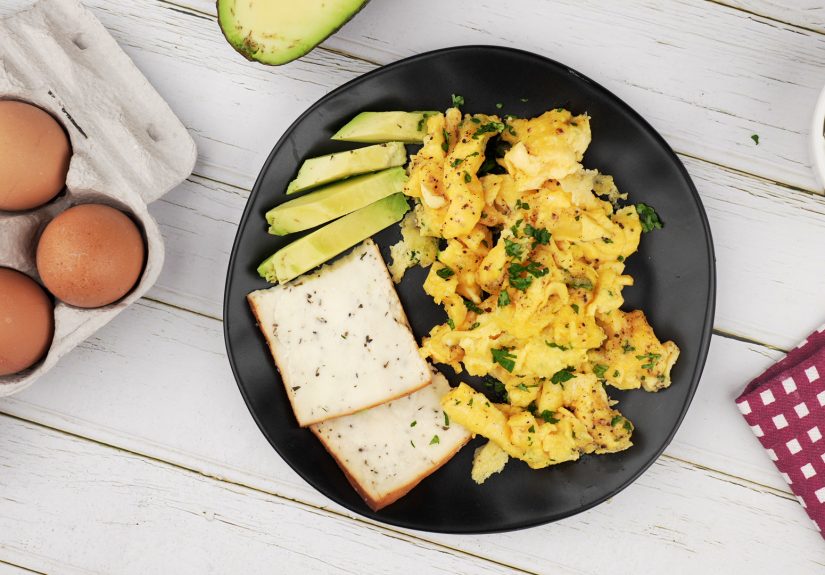
Scrambled eggs are best served right away. Spoon them onto warm toast, tuck them into breakfast tacos, pile them next to roasted potatoes, or serve them with avocado and fruit. Finish with pepper, herbs, hot sauce, or a sprinkle of flaky salt. Congratulations: you made scrambled eggs without milk, and nobody had to call the dairy department.
Best Tips for Soft and Fluffy Scrambled Eggs Without Milk
Keep the Heat Low
Low heat is the easiest path to soft scrambled eggs. It gives the eggs time to form tender curds instead of seizing up. If you are in a rush, you can use medium-low heat, but stay close and stir frequently. Scrambled eggs cook fast, and they do not respect multitasking.
Use Enough Fat
A small amount of fat prevents sticking and improves texture. Butter, olive oil, ghee, and avocado oil all work. For dairy-free scrambled eggs, choose olive oil or a neutral plant-based butter. Fat also carries flavor, making the eggs taste richer without needing milk.
Do Not Over-Whisk or Under-Whisk
Whisk enough to combine the yolks and whites completely. Under-whisked eggs can cook in streaks, with bits of white and yolk separating in the pan. Over-whisking for a long time is unnecessary. A short, energetic whisk is perfect.
Remove the Pan From Heat When Needed
If the eggs are cooking too quickly, lift the pan off the burner. This simple move gives you control. Professional cooks often move eggs on and off heat to keep the texture soft. At home, it is also a great way to avoid panic-scrambling, which is like regular scrambling but with more regret.
Common Mistakes to Avoid
Mistake 1: Cooking Over High Heat
High heat creates dry, rubbery eggs. It may feel faster, but it usually costs you texture. Use low or medium-low heat for the best scrambled eggs without milk.
Mistake 2: Adding Too Much Water
A little water can make eggs fluffy, but too much makes them watery. Stick with 1 to 2 teaspoons per egg, or skip it entirely for a creamier result.
Mistake 3: Leaving Eggs in the Hot Pan
Even after you turn off the burner, the pan stays hot. Transfer the eggs to a plate as soon as they reach the right texture. Otherwise, they will keep cooking and may dry out.
Mistake 4: Adding Raw Vegetables Too Late
Watery vegetables should be cooked before they go into eggs. Sauté mushrooms, onions, spinach, and peppers first, then add the eggs or fold the cooked vegetables in near the end.
Flavor Variations for Scrambled Eggs Without Milk
Dairy-Free Herb Scrambled Eggs
Cook the eggs in olive oil and finish with chopped chives, parsley, and black pepper. Serve with sourdough toast and sliced tomatoes for a simple, bright breakfast.
Breakfast Taco Scrambled Eggs
Scramble the eggs with a pinch of cumin and fold them into warm tortillas with salsa, avocado, cilantro, and pickled onions. Add black beans for a more filling meal.
Veggie Scrambled Eggs
Sauté spinach, mushrooms, and bell peppers before adding the eggs. Cook gently and finish with herbs. This version is colorful, hearty, and excellent for using leftover vegetables before they begin their slow journey to the back of the fridge.
Protein-Packed Scrambled Eggs
Add cooked turkey sausage, smoked salmon, diced chicken, or beans. Keep the heat gentle and add the protein near the end so it warms without drying out the eggs.
Food Safety Notes for Scrambled Eggs
For the safest result, cook scrambled eggs until they are thickened and no visible liquid egg remains. People who are pregnant, older adults, young children, or anyone with a weakened immune system should avoid undercooked eggs. Store eggs in the refrigerator, use clean utensils, and do not leave cooked eggs at room temperature for more than two hours. Breakfast should be comforting, not a science experiment with consequences.
Experience-Based Advice: What Really Makes Milk-Free Scrambled Eggs Better
After making scrambled eggs without milk many different ways, the biggest lesson is that the pan matters almost as much as the eggs. A small nonstick skillet is forgiving. It lets the eggs gather into soft curds instead of spreading into a thin layer that cooks too fast. When using a large pan for only two eggs, the eggs often become dry before you can fold them properly. Matching the pan size to the number of eggs is a tiny choice that makes a surprisingly big difference.
The second lesson is that butter is helpful, but it is not the only path to great scrambled eggs. Olive oil makes excellent dairy-free scrambled eggs with a smooth texture and a slightly savory flavor. Avocado oil works well when you want something neutral. Plant-based butter can also work, but some brands contain more water than others, so the eggs may cook a little differently. If the eggs look loose, give them a few extra folds over low heat and remove them from the pan as soon as they set.
Another experience worth sharing: water is useful, but only in small amounts. A teaspoon or two per egg can help create steam, making the eggs lighter. However, adding a big splash because you are feeling optimistic can backfire. The eggs may turn pale, wet, or bland. When in doubt, use less water and focus on cooking gently. The best scrambled eggs without milk come from technique, not from trying to replace milk with a dramatic mystery liquid.
Timing is also everything. The most common mistake is waiting until the eggs look perfect in the skillet. By then, they are usually already past perfect. Eggs keep cooking from residual heat, especially in a heavy pan. The better move is to stop when they look slightly glossy and just a little softer than you want. Slide them onto a plate, and within seconds, they settle into the ideal texture. It feels early the first few times, but it works.
Seasoning can be simple. Salt before cooking gives the eggs flavor from the inside, while black pepper, herbs, hot sauce, or salsa can be added after cooking. Fresh herbs are especially good because they make the eggs taste brighter without weighing them down. Chives are classic, parsley is clean and fresh, and dill is excellent if you are serving the eggs with smoked salmon or toast.
For busy mornings, the best practical method is to prep everything before the eggs hit the pan. Toast the bread, slice the avocado, pour the coffee, and set out the plate first. Scrambled eggs cook in just a few minutes, and they are not the kind of food that politely waits while you search for a clean fork. Once the eggs start cooking, give them your attention. The reward is a soft, warm breakfast that tastes like effort but takes less time than scrolling through your phone and pretending to decide what to eat.
Conclusion
Learning how to make scrambled eggs without milk is less about removing an ingredient and more about mastering the basics. Fresh eggs, a good pan, gentle heat, proper whisking, and smart timing can create eggs that are fluffy, creamy, and full of flavor. Milk is optional; technique is not. Whether you like your eggs soft and custardy or fluffy with larger curds, the 13 steps above give you a reliable method for breakfast, brunch, lunch, or a quick dinner when the refrigerator is giving “minimalist lifestyle.”
Once you understand the method, you can customize the eggs endlessly with herbs, vegetables, proteins, sauces, and toast combinations. Keep the heat gentle, remove the eggs before they dry out, and serve them immediately. That is the simple, delicious secret to scrambled eggs without milk.
Note: This article synthesizes widely accepted cooking techniques and U.S. food-safety guidance into original, publication-ready content.