Table of Contents >> Show >> Hide
- What Is a Recycled Sailcloth Large Holdall?
- Why Recycled Sailcloth Stands Out
- Features That Make a Great Recycled Sailcloth Holdall
- Who Should Buy a Recycled Sailcloth Large Holdall?
- How to Choose the Right One
- How to Style and Use It
- Care Tips for Long-Term Use
- Why the Recycled Sailcloth Large Holdall Has Lasting Appeal
- Experience: Living With a Recycled Sailcloth Large Holdall
- Conclusion
A great bag should do three things well: carry your stuff, survive your lifestyle, and avoid looking like it gave up halfway through design school. That is exactly why the recycled sailcloth large holdall has become such an appealing choice for travelers, commuters, beach regulars, gym-goers, and people who simply appreciate gear with a good backstory.
Unlike ordinary duffels that arrive with all the personality of a tax form, a large holdall made from recycled sailcloth brings history, texture, and practical toughness to the table. The fabric once worked hard out on the water, dealing with wind, salt, sun, and motion. Now it gets a glamorous second act carrying sneakers, chargers, a jacket, and that one pair of “just in case” shoes you insist are necessary. Maybe they are. Maybe they are not. The bag is too polite to judge.
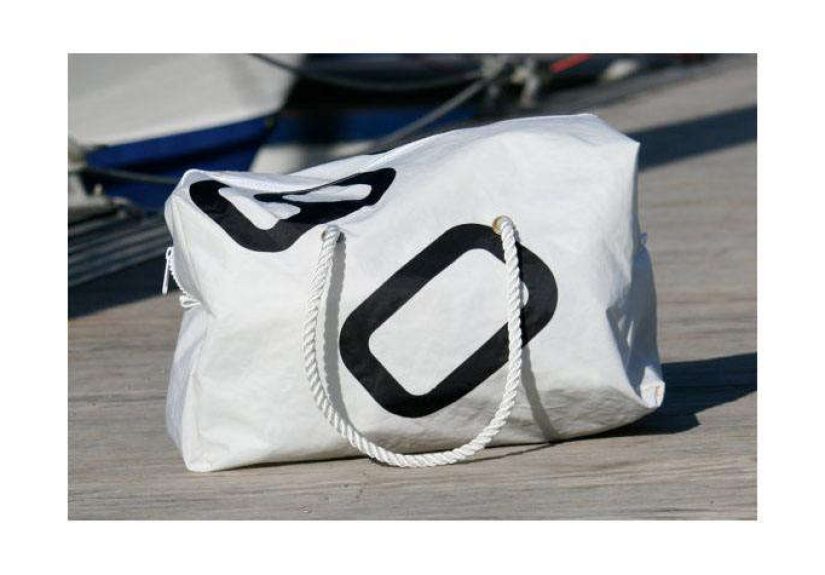
In simple terms, a recycled sailcloth holdall is a roomy travel or utility bag made from retired sail material, often paired with rope handles, webbing straps, zippers, pockets, and reinforced stitching. Because the original fabric was designed for demanding marine use, the finished bag often feels lightweight yet substantial, structured without being stiff, and rugged without becoming clunky. It is the rare accessory that can look equally appropriate on a dock, in an airport, or in the trunk of a car heading toward a weekend escape.
What Is a Recycled Sailcloth Large Holdall?
A large holdall is basically the broad-shouldered cousin of the everyday tote. It offers more capacity than a casual handbag and more flexibility than a hard suitcase. When made from recycled sailcloth, the holdall gains a second identity: part travel bag, part sustainability story, part conversation starter.
Most recycled sailcloth bags use woven polyester sail material, commonly associated with classic cruising sails. That matters because this kind of fabric has long been valued for durability, shape stability, and the ability to hold up under repeated use. In bag form, that translates into a product that can handle weekend packing, groceries, damp towels, gym gear, or unpredictable life in general without collapsing into a sad fabric puddle.
The “large” in large holdall matters, too. This is the size category people reach for when they need one bag to bridge multiple jobs. It can function as a weekender, an oversized beach bag, a road-trip companion, a sports bag, or a carry-on-style soft bag, depending on the design. If your life has a habit of saying, “Bring everything, but make it look effortless,” this is the lane.
Why Recycled Sailcloth Stands Out
1. It has real-world toughness
Sailcloth is not decorative fluff. It was engineered to perform under stress, which is one reason recycled sail bags often feel far more substantial than they first appear. Good sailcloth can resist wear, keep its shape, and tolerate regular handling without behaving dramatically. That makes it especially attractive for a holdall, where the fabric must deal with stuffing, lifting, dragging, and the occasional rough landing on a hotel floor.
2. Every bag has character
One of the best things about recycled sailcloth is that it does not pretend to be factory-perfect. Panel lines, zigzag stitching, faint marks, sail numbers, and subtle variations in shade are part of the appeal. In a world of cloned accessories, a sailcloth bag feels individual. Not “look at me, I am wearing a lampshade” individual. Better than that. Quietly memorable.
3. It supports reuse over waste
Choosing a recycled or upcycled bag fits neatly into a more circular approach to buying. Instead of sending retired material to the waste stream and then producing entirely new fabric for a bag, brands that repurpose sailcloth give existing material a second working life. That does not magically solve all environmental problems, but it is a practical example of reuse doing what reuse does best: extending value, reducing waste, and making better use of resources already in circulation.
4. It blends style and function better than expected
Some sustainable products look so earnest they seem designed mainly to win moral support. Recycled sailcloth holdalls usually avoid that trap. They have a clean nautical look, a crisp texture, and a slightly utilitarian charm that feels timeless rather than trendy. That makes them easier to integrate into everyday life, which is important because the most sustainable bag is often the one you genuinely want to keep using.
Features That Make a Great Recycled Sailcloth Holdall
Not every large holdall deserves applause. Some are beautiful but impractical. Some are durable but organized like a kitchen junk drawer. The best versions get the basics right.
Roomy interior
A large holdall should hold a solid weekend’s worth of clothing, toiletries, tech accessories, and extras without forcing you into advanced packing geometry. A generous main compartment is essential, especially if the bag is meant to serve as a weekender or travel holdall.
Thoughtful organization
Open space is useful, but internal zip pockets, end pockets, or quick-access compartments make a huge difference. You do not want your headphones doing mixed martial arts with your keys at the bottom of the bag. A holdall should feel spacious, not chaotic.
Comfortable carry options
Rope handles look fantastic and reinforce the nautical identity, but the best bags also consider comfort. Reinforced handholds, shoulder straps, or adjustable carry options can make a big difference when the bag is fully loaded. A handsome bag is wonderful. A handsome bag that does not try to dislocate your shoulder is better.
Water resistance and easy care
Recycled sailcloth often handles splashes and damp conditions better than delicate fashion materials, which is one reason it works so well for beach, boat, and travel use. That said, “water resistant” is not always the same as fully waterproof. A smart buyer looks for lining details, zipper quality, reinforced bottoms, and simple care instructions such as spot cleaning or gentle washing where appropriate.
Strong construction
Large bags need real reinforcement: sturdy seams, dependable zippers, quality webbing, secure rings, and a base that does not fold in protest every time you set it down. When a brand combines retired sailcloth with durable secondary materials like nylon lining or heavy-duty hardware, the result can be both more practical and more long-lasting.
Who Should Buy a Recycled Sailcloth Large Holdall?
This type of bag works best for people who value durability, story-driven design, and versatility. It is especially well suited to:
- Weekend travelers who want a soft-sided alternative to hard luggage
- Beachgoers who need a roomy, easy-to-clean carryall
- Boaters and coastal lifestyle fans who appreciate authentic maritime materials
- Gym users who want a bag with more personality than standard athletic duffels
- Shoppers trying to buy fewer, better-made accessories
- Gift buyers looking for something useful and distinctive
It is also a good fit for people who dislike overly polished bags. Recycled sailcloth has texture, history, and a little edge. It says, “Yes, I am stylish, but I have also seen weather.”
How to Choose the Right One
Think about your real use case
If you need an airline-friendly weekender, look for a shape that is flexible and easy to stow. If you want a beach or boat bag, prioritize splash resistance, easy cleaning, and open access. If this will be your gym holdall, pockets and odor-management strategies matter more than romance.
Check the balance between recycled sailcloth and support materials
A great bag often combines reclaimed sail panels with practical add-ons like sturdy lining, reinforced trim, or water-resistant secondary fabric. That blend can make the bag more usable day to day, especially in a larger size.
Expect variation
Because sailcloth is reclaimed, no two bags are exactly alike. That includes panel placement, stitching, insignia, sail numbers, and subtle signs of a past life. For most buyers, that is part of the magic. If you need absolute visual uniformity, you may be happier with a conventional mass-market duffel. But honestly, where is the fun in that?
Look for craftsmanship, not just concept
“Made from recycled material” is a good start, not the finish line. The best holdalls show care in the details: clean construction, strong handles, practical dimensions, durable hardware, and finishing choices that support everyday use. A sustainability story should be backed by competent bag-making, not just an inspirational paragraph on a product page.
How to Style and Use It
The beauty of a recycled sailcloth holdall is that it is surprisingly adaptable. For a casual coastal look, pair it with jeans, a sweatshirt, white sneakers, and sunglasses that suggest you might own a boat even if your only vessel is a rideshare. For travel, it works with everything from leggings and a windbreaker to a relaxed blazer and loafers. Because the bag usually comes in crisp neutrals, nautical stripes, or simple sail-number graphics, it plays nicely with a wide range of wardrobes.
Functionally, it also earns its keep. Use it for a two-night trip, a farmers’ market run, a gym session, a beach day, or a family car ride where somebody will inevitably ask if there is room for one more towel. There is usually room for one more towel. There is always one more towel.
Care Tips for Long-Term Use
If you want your recycled sailcloth bag to last, treat it like a hardworking piece of gear rather than a disposable fashion fling. Shake out sand and debris regularly. Spot clean when needed. Let the bag dry fully after exposure to moisture. Avoid storing it in a damp, sealed environment. If the brand allows machine washing, follow those instructions closely; if not, a soft cloth, mild soap, and a little patience usually go a long way.
Also, do not overload the bag just because it looks fearless. Even a durable holdall deserves basic respect. A weekend wardrobe? Excellent. A small anvil collection? Probably not the design brief.
Why the Recycled Sailcloth Large Holdall Has Lasting Appeal
Trends come and go, but bags that combine usefulness, durability, and a believable story tend to stick around. That is the sweet spot for a recycled sailcloth large holdall. It offers the practicality people want from a travel or utility bag, while also answering a growing desire for products that feel less disposable and more meaningful.
It is not just about being eco-friendlier. It is about choosing something with texture, history, and purpose. A retired sail already proved it could work hard in a demanding environment. Turning that material into a roomy, handsome holdall is not a gimmick. It is smart design with a salty breeze running through it.
Note: Because recycled sailcloth is reclaimed material, markings, stitching, sail numbers, and panel patterns will naturally vary. That variation is not a flaw. It is the whole plot twist.
Experience: Living With a Recycled Sailcloth Large Holdall
Living with a recycled sailcloth large holdall feels different from living with an ordinary bag, mostly because it slips so easily between roles. On Friday afternoon, it can be a work bag stuffed with a laptop sleeve, notebook, charger, and a light jacket. By Saturday morning, it has become a road-trip companion holding sneakers, a sweater, toiletries, and snacks that were absolutely not meant to be opened before the car left the driveway. By Sunday evening, it is somehow carrying a damp towel, two books, sunglasses, and the mysterious extra shirt nobody remembers packing. The bag just keeps rolling with it.
What surprises many people first is the texture. Recycled sailcloth usually does not feel floppy or overly precious. It has body. It feels like it came from a world where materials were expected to perform, not merely pose for social media. That structure makes packing easier because the bag opens well, stands up better than many slouchy totes, and gives your gear a little more order even before the pockets get involved.
Another part of the experience is the way people react to it. Recycled sailcloth holdalls tend to attract the good kind of attention. Not flashy attention. Curious attention. Someone notices the stitching, the sail number, the crisp white panel, or the rope handles and asks where the bag came from. Suddenly you are telling a tiny story instead of just naming a brand. In a market full of accessories that blur together, that sense of identity matters more than people expect.
Day to day, the bag shines in the little moments. It is easy to grab for a quick overnight trip. It works well in the back seat, under a café table, on a hotel bench, or by the front door waiting for the next errand. It also tends to age with grace. Minor creases and signs of use rarely make it look worse; they usually make it look more believable. A bag built from retired sail material almost seems to enjoy gaining a little more life experience.
There is also something satisfying about the emotional side of ownership. A recycled sailcloth holdall does not feel anonymous. It feels chosen. You know the material had a first chapter before it entered your closet, and that gives the object a little gravity without making it fussy. It is practical, but it also feels personal.
Of course, no bag is perfect for everyone. If you prefer highly structured compartments, rolling wheels, or ultra-technical travel features, you may want something more specialized. But for people who want one bag that can handle everyday carry, short trips, casual travel, and a bit of coastal attitude, the experience is hard to beat. A recycled sailcloth large holdall feels useful in the way the best products do: it earns its place quickly, and then you wonder why your other bags are still hanging around pretending to be relevant.
Conclusion
The recycled sailcloth large holdall is more than a stylish bag with a clever origin story. It is a smart blend of rugged material, flexible function, and low-key individuality. It suits modern buyers who want a holdall that can handle travel, errands, and everyday chaos while also reflecting better habits around reuse and long-term value.
If you want a bag that is roomy, durable, distinctive, and a little more interesting than the average duffel, this category deserves serious attention. It is proof that sometimes the best way forward starts with giving great material a second wind.