Table of Contents >> Show >> Hide
- What Is ProDentim?
- ProDentim Ingredients: What They May Do
- Why the Oral Microbiome Matters
- What the Science Says About Oral Probiotics in 2025
- What ProDentim Seems to Do Well
- Where You Should Keep Your Skepticism Handy
- Is ProDentim Worth Trying?
- Who Might Like ProDentim Most
- Who Should Talk to a Professional First
- Final Verdict
- Experience-Based Perspective: What Using ProDentim Often Feels Like in Real Life
Editorial note: This review synthesizes product information and current oral-health guidance from major U.S. medical and dental sources, including the American Dental Association, CDC, NIH, FDA, Mayo Clinic, Cleveland Clinic, Harvard Health, Colgate, WebMD, JADA, and ProDentim’s official marketing materials. No source links are included here so the piece stays clean and publication-ready.
If you have ever looked at your bathroom counter and thought, “Between the toothpaste, floss, rinse, tongue scraper, and that sad toothbrush I forgot to replace, how is my mouth still acting dramatic?” welcome to the club. That frustration is exactly why oral probiotic supplements such as ProDentim have become a hot topic in 2025. They promise a smarter approach to dental wellness by supporting the oral microbiome, the community of bacteria living in your mouth, rather than simply trying to blast every microbe into oblivion.
So, is ProDentim the secret to healthier teeth, fresher breath, and happier gums, or is it just another supplement with a shiny sales page and a lot of confidence? The honest answer sits somewhere in the middle. The idea behind oral probiotics is scientifically interesting, and there is real research suggesting certain strains may help support gum health, reduce bad breath, and improve the balance of mouth bacteria. But no probiotic candy, chew, tablet, or lozenge gets to bench your toothbrush. Not now. Not in 2025. Probably not ever.
This review takes a balanced look at ProDentim, what it contains, what the science around oral probiotics actually says, who it may help, where the marketing gets ahead of the evidence, and how to decide whether it deserves a place in your oral-care routine.
What Is ProDentim?
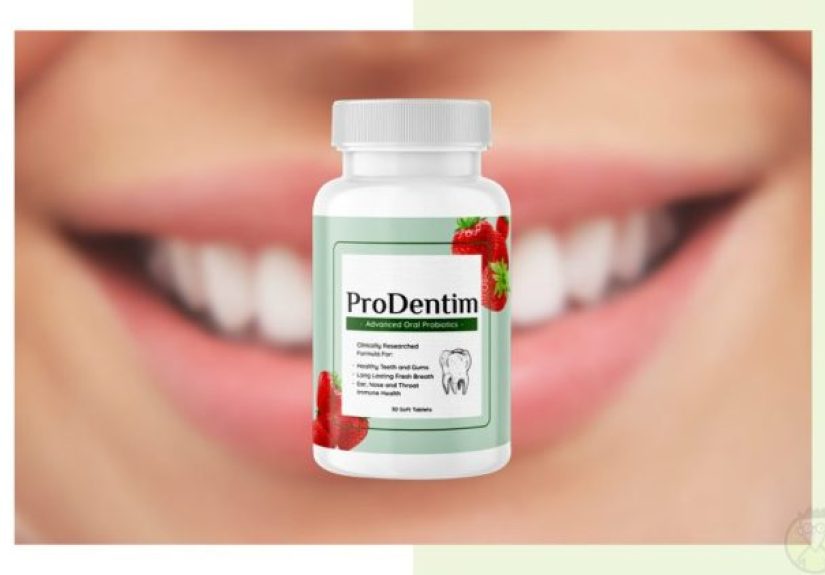
ProDentim is marketed as a chewable oral probiotic supplement designed to support teeth and gum health by adding beneficial bacteria to the mouth. According to the official product materials, it contains a 3.5-billion probiotic blend along with additional ingredients such as inulin, malic acid, tricalcium phosphate, and peppermint.
The product’s marketing centers on one core idea: your mouth needs balance, not just brute force. In plain English, that means a healthy mouth is not sterile. It is an ecosystem. When the balance of bacteria shifts in the wrong direction, you can end up with more plaque, bad breath, gum irritation, and a greater risk of dental trouble over time.
That basic concept is not nonsense. In fact, it lines up with current interest in the oral microbiome. The catch is that a smart scientific idea is not the same thing as proof that one branded supplement will transform your smile. That is where careful reviewing matters.
ProDentim Ingredients: What They May Do
Lactobacillus paracasei
This probiotic strain is often discussed in connection with immune support and microbial balance. In oral-health conversations, it is typically positioned as a strain that may help support healthier gums and crowd out less helpful bacteria.
B. lactis BL-04
Bifidobacterium strains are more famous for gut health, but the oral-care pitch here is that they may help support a healthier bacterial environment in the mouth. That does not mean they rebuild enamel with superhero energy, but they may fit the broader “good bacteria versus troublesome bacteria” theory.
Lactobacillus reuteri
This is one of the better-known probiotic strains in the research world and has been studied for possible anti-inflammatory effects. In oral-health discussions, it is often associated with gum support and microbiome balance.
Inulin
Inulin is a prebiotic fiber, meaning it helps feed beneficial bacteria. Think of it as the snack table for the microbes you actually want hanging around. It makes sense in a formula built around probiotics, although the strongest evidence for inulin is still broader than one narrow dental promise.
Malic Acid, Tricalcium Phosphate, and Peppermint
These ingredients add a more “dental product” feel to the formula. Malic acid is often associated with fruit acids and brightness claims, tricalcium phosphate is commonly linked to mineral support, and peppermint brings freshness. The practical benefit here is less about magic and more about making the supplement feel like it belongs in an oral-care routine instead of next to your protein powder.
Why the Oral Microbiome Matters
For years, oral care was marketed like a war movie: destroy plaque, kill germs, nuke bad breath, and leave nothing standing. Modern research is more nuanced. Your mouth contains a complex microbial community. Some organisms are helpful, some are harmful, and many are simply part of the neighborhood.
When that environment becomes unbalanced, problems can follow. Cavities, gingivitis, bad breath, and periodontitis do not appear out of nowhere like surprise guests at brunch. They are often linked to bacterial activity, inflammation, diet, saliva flow, hygiene habits, and overall health.
That is why the oral probiotic trend is getting real attention. Instead of treating all bacteria like villains in a low-budget action film, the goal is to support the bacteria linked with a healthier mouth. Scientifically, that is a legitimate area of interest. Commercially, it is where the hype machine starts doing cartwheels.
What the Science Says About Oral Probiotics in 2025
Here is the balanced takeaway: oral probiotics look promising, but the evidence is still mixed, product-specific data are limited, and the best results appear to happen when probiotics are used as an adjunct, not a replacement, for standard dental care.
Several reviews and clinical discussions suggest certain probiotic strains may help improve markers related to gum inflammation, oral candidiasis, halitosis, and cariogenic bacteria. That sounds encouraging, and it is. But many of these studies are relatively short, use different strains and delivery methods, and do not prove that every supplement with “probiotic” on the label works the same way.
That point matters a lot for ProDentim reviews. Research on probiotics in general is not the same thing as research on ProDentim itself. When a supplement brand cites ingredient science, that can be useful context, but it is not equivalent to large, independent clinical trials on the finished product. In other words, the idea may be evidence-aware, but the marketing can still run faster than the data.
There is also a practical issue people forget: oral health is stubbornly behavioral. If someone is brushing in a hurry, skipping flossing, grazing on sugary snacks, breathing through their mouth all night, and ghosting their dentist for two years, a daily probiotic chew is unlikely to ride in like a tiny minty superhero and save the day.
What ProDentim Seems to Do Well
- Interesting concept: The oral microbiome angle is more modern than the old “kill everything” approach.
- Easy format: A chewable supplement is simple for people who hate swallowing capsules.
- Ingredient logic: The formula at least follows a coherent theme instead of tossing random trendy ingredients into a bottle and hoping for applause.
- May support fresher breath and gum comfort: For some users, that is the most realistic upside.
- Could fit well into a broader oral-care routine: Especially for people already doing the basics consistently.
Where You Should Keep Your Skepticism Handy
- Not a replacement for dental care: Brushing, flossing, fluoride, and professional cleanings still do the heavy lifting.
- Supplement claims need perspective: Dietary supplements are not FDA-approved like prescription drugs.
- Finished-product evidence appears limited: Ingredient studies do not automatically prove the branded formula works exactly as advertised.
- Marketing language can be dramatic: Words like “revolutionary” tend to arrive wearing a cape.
- Results vary: A person with minor breath concerns may notice something before a person dealing with active gum disease or untreated decay.
Is ProDentim Worth Trying?
For the right buyer, maybe yes. If you are curious about oral probiotics, already have solid dental habits, and want a supplement that may support breath freshness and microbiome balance, ProDentim is not an absurd product category. The theory behind it has enough legitimacy to justify cautious interest.
But if you are hoping it will reverse major dental issues, whiten teeth dramatically, or replace professional care, that is where expectations need a reality check. A chewable probiotic may be a sidekick. It is not the dentist, the hygienist, the fluoride toothpaste, and your floss all rolled into one charming little tablet.
The smartest way to think about ProDentim in 2025 is this: it is a potentially useful supportive product, not a miracle product. That distinction may not sound glamorous, but it is the kind of honesty your teeth deserve.
Who Might Like ProDentim Most
- Adults who are already consistent with brushing and flossing
- People interested in microbiome-based wellness approaches
- Those who want an oral-care supplement rather than another mouthwash
- Users focused on breath freshness and general mouth comfort
- Shoppers who understand supplements as supportive tools, not cures
Who Should Talk to a Professional First
If you have active gum disease, tooth pain, bleeding gums that persist, loose teeth, repeated infections, major dry mouth, or a suppressed immune system, talk to a dentist or physician before treating a supplement aisle like your personal dental school. Probiotics are usually well tolerated in healthy people, but oral symptoms that keep returning deserve proper evaluation. Sometimes the real issue is plaque buildup, decay, grinding, medication side effects, smoking, reflux, dry mouth, or an overdue deep cleaning.
Final Verdict
So, what is the truth behind ProDentim Reviews 2025 • Discover the Secret to Healthier Teeth? The “secret” is not really secret at all. Healthier teeth usually come from boringly effective habits: fluoride toothpaste, daily cleaning between teeth, lower sugar frequency, enough saliva, and regular dental care. ProDentim may complement that routine by supporting a healthier oral environment, especially if you like the idea of probiotics for the mouth. That is the good news.
The less glamorous news is that the product should be judged with the same standards you would use for any supplement. Respect the science, but do not marry the marketing. Appreciate the ingredient logic, but do not confuse it with proof of dramatic transformation. And whenever a sales page sounds like it wants to save your smile, your sinuses, your sleep, your confidence, and maybe your tax return, take a breath and let common sense floss first.
Bottom line: ProDentim looks more interesting than many gimmicky oral-health supplements, but it works best as an optional add-on, not a substitute for the fundamentals. If your expectations are realistic, it may be worth a try. If your expectations are cinematic, your toothbrush would like a word.
Experience-Based Perspective: What Using ProDentim Often Feels Like in Real Life
The real-life experience of trying ProDentim is usually less dramatic than the ads and more ordinary in a good way. Most people do not wake up on day three with a blindingly white smile, a choir of angels, and gums that suddenly deserve their own fan club. What often happens instead is gradual, subtle change. A user may notice their mouth feels cleaner in the morning, their breath seems a bit fresher after coffee, or their gums feel less irritated when they floss. Those are the kinds of improvements that fit the way microbiome-based products are supposed to work: slowly, quietly, and with a lot less Hollywood.
Week one is often about getting used to the routine. Because ProDentim is chewable, it feels more like a functional mint than a traditional supplement. Some people like that immediately. Others wonder whether something this simple can possibly do anything useful. That skepticism is fair. The first week is also when expectations should stay firmly on a leash. If your mouth is dry, your hygiene routine is inconsistent, or you are eating sugary snacks all day, the supplement may feel underwhelming at first. That does not necessarily mean it is useless. It usually means oral health is a group project.
By the second or third week, the people most likely to feel a difference are those who pair the supplement with better brushing, daily flossing, and more water. This is the part many reviews leave out because “I became more consistent and then noticed improvement” is less exciting than “one chew transformed my life.” Still, that is how real progress often works. Breath may improve first. Gum comfort may follow. The mouth can start to feel less coated or stale, especially first thing in the morning.
After a month or two, the realistic question becomes whether ProDentim is earning its place in your routine. If your answer is, “My breath seems better, my mouth feels balanced, and I actually enjoy using it,” that is a win. If your answer is, “I expected it to fix bleeding gums and tooth sensitivity all by itself,” then the product may feel disappointing because the expectation was too big for the category. Oral probiotics may support a healthier environment, but they do not replace professional cleanings, cavity treatment, fluoride, or periodontal care.
The best user experience usually belongs to the person who treats ProDentim as a supporting character. They still brush for two minutes. They still clean between their teeth. They still show up for dental visits before something starts throbbing like a warning drum. In that setting, ProDentim can make sense. It becomes one extra habit that nudges the mouth in a healthier direction. Not a miracle. Not a scam-proof badge of perfection. Just a potentially helpful addition in a world where better oral health usually comes from small habits repeated long enough to matter.