Table of Contents >> Show >> Hide
- What Exactly Are Potatoes Savoyarde?
- Savoyarde vs. Dauphinois vs. Scalloped vs. Au Gratin
- The Ingredients That Actually Matter (and Why)
- Classic Potatoes Savoyarde Recipe
- Pro Tips for a Gratin That Doesn’t Betray You
- Troubleshooting
- Smart Variations (Still Savoyarde-ish)
- What to Serve With Potatoes Savoyarde
- Make-Ahead, Storage, and Reheating
- Why This Recipe Works (Quick Food Science, No Lab Coat Required)
- Kitchen Stories & “Been-There” Moments (Extra )
- SEO Tags
If you’ve ever wanted a potato side dish that feels like it should be wearing a cozy sweater, Potatoes Savoyarde is your moment.
Imagine thin slices of potato baked until tender, tucked in with sweet onions, and crowned with a golden, bubbly cheese top that
makes people “just check” the casserole dish every three minutes. It’s comfort food with mannersrustic, rich, and quietly dramatic.
This guide gives you the classic broth-based Savoyarde style (lighter than cream-heavy gratins, but still absolutely not a salad),
plus smart swaps, troubleshooting, and a few “learn from my hypothetical mistakes” stories at the end.
What Exactly Are Potatoes Savoyarde?
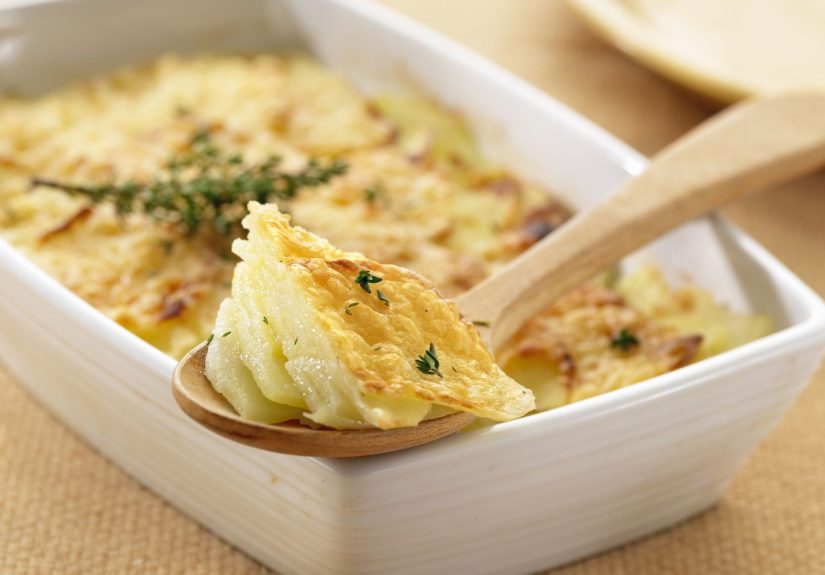
Potatoes Savoyarde (also called Savoyard potatoes) are a traditional-style potato gratin where thinly sliced potatoes bake with
onions, butter, and cheesetypically with broth instead of a cream sauce. The result is tender layers that taste deeply
potato-y (technical term), with a savory, glossy finish and a crisp top you’ll “accidentally” pick at before serving.
The key vibe: less custardy than some gratins, more savory and alpinelike the potatoes went hiking and came back with better taste.
Savoyarde vs. Dauphinois vs. Scalloped vs. Au Gratin
Potato dishes have a naming situation. Here’s the cheat sheet so you can sound effortlessly confident at dinner:
Potatoes Savoyarde
- Usually uses broth (often with onions and cheese).
- Flavor is savory, clean, and focusedpotatoes and cheese doing a duet.
Gratin Dauphinois
- Typically uses cream and/or milk, often without cheese in the classic tradition.
- More silky and rich, like the potatoes got upgraded to first class.
Scalloped Potatoes
- Often baked in milk/cream with aromatics; sometimes thickened (depending on the recipe).
- Cheese may appear, but it’s not always the headline act.
Au Gratin
- “Gratin” mostly refers to the golden toppingcheese, breadcrumbs, or both.
- In the U.S., “potatoes au gratin” usually means a cheese-forward baked potato casserole.
Translation: Savoyarde is the broth-based, onion-and-cheese gratin cousin. Dauphinois is the creamy one. Scalloped is the flexible
friend. Au gratin is the party outfit (crispy top included).
The Ingredients That Actually Matter (and Why)
Potatoes
You want slices that turn tender but don’t collapse into mashed potatoes with a tanning license. In many American kitchens,
Yukon Gold (or other yellow potatoes) are the sweet spot: creamy texture, solid structure, and a “buttery” flavor
without needing a monologue. Russets work too, but they’re starchiergreat for cream sauces, and a bit more delicate when baked with broth.
Onions
Thinly sliced onions melt into the layers and add gentle sweetness. Think “supporting actor who steals the scene.”
Broth
Broth keeps Savoyarde lighter than cream-heavy gratins while still giving you savory depth. Use low-sodium broth so you can control
salt. Chicken and vegetable broth are common in U.S. kitchens; beef broth can feel extra traditional and robust.
Cheese
Go for a nutty, melt-friendly cheese. Gruyère is a classic U.S. go-to. If you see Comté or
Emmental, those also melt beautifully and taste like they belong on a mountain table next to a crackling fire.
A small shower of Parmesan on top is optional but highly persuasive.
Butter + Garlic + Herbs
Butter adds richness. Garlic adds charm. Thyme adds the “someone here knows what they’re doing” aroma.
Classic Potatoes Savoyarde Recipe
This version keeps the Savoyarde spiritbroth-based, oniony, cheesy, crisp on topwhile staying practical for
American grocery-store reality.
Ingredients (Serves 6–8)
- 3 pounds Yukon Gold (or other yellow) potatoes, peeled or scrubbed (your call)
- 1 large yellow onion, very thinly sliced
- 2 cloves garlic, halved (for rubbing the dish) + 1 clove minced (optional, for layers)
- 3 tablespoons unsalted butter, plus extra for the baking dish
- 2 to 2 1/2 cups warm low-sodium broth (chicken, beef, or vegetable)
- 2 cups (about 7–8 ounces) grated Gruyère (or Comté/Emmental), divided
- 1/4 cup grated Parmesan (optional, for the top)
- 1 to 1 1/2 teaspoons kosher salt (start lower if broth is salty)
- 1/2 teaspoon black pepper
- 1 teaspoon fresh thyme leaves (or 1/2 teaspoon dried thyme)
- Optional: 1 bay leaf (tucked into the broth while warming)
Tools You’ll Love Having
- Mandoline (safely!) or a sharp knife
- 9×13-inch baking dish or a deep 3-quart casserole
- Foil
Step-by-Step Instructions
-
Heat the oven.
Preheat to 375°F. Butter the baking dish generously, then rub it with the cut side of a garlic clove (this is not mandatory, but it’s wise). -
Warm the broth.
Heat broth until hot but not boiling. If using thyme stems or a bay leaf, steep them for a few minutes, then remove.
Warm liquid helps the casserole start cooking immediately instead of asking your oven to do all the emotional labor. -
Soften the onions.
Melt 2 tablespoons butter in a skillet over medium heat. Add onions with a pinch of salt and cook 6–8 minutes,
stirring, until softened and lightly golden. Add minced garlic (if using) for the last 30 seconds. -
Slice the potatoes.
Slice potatoes about 1/8-inch thick. Consistency matters: thin slices cook evenly, thick slices create “crunchy surprise layers,”
which is not the fun kind of surprise. -
Layer like you mean it.
Arrange a third of the potatoes in the dish, slightly overlapping. Season lightly with salt, pepper, and a pinch of thyme.
Scatter a third of the onions and a handful of cheese. Repeat twice more, finishing with a generous layer of cheese on top. -
Add broth (without washing away your dreams).
Pour warm broth slowly down the side of the dish so you don’t disturb your neat layers.
You want the liquid to come up about 1/2 to 2/3 of the wayenough to cook and bind, not so much that you’re making potato soup. -
Dot with butter, then cover.
Dot the top with the remaining tablespoon butter. Cover tightly with foil. -
Bake covered, then uncovered.
Bake covered for 45 minutes. Remove foil and bake 25–35 minutes more, until the top is deeply golden and the potatoes are tender
when pierced with a knife. -
Rest (seriously).
Rest 10–15 minutes before serving. This helps the liquid settle and thicken so slices hold together instead of sliding into
a delicious (but chaotic) pile.
How to Tell It’s Done
- The top is browned and bubbling at the edges.
- A knife slides into the center without resistance.
- After resting, the casserole looks glossynot watery.
Pro Tips for a Gratin That Doesn’t Betray You
1) Slice evenly (future you will thank you)
Uneven slices = uneven cooking. A mandoline gives you consistent thickness and fewer “why is this still crunchy?” moments.
2) Don’t overdo the liquid
Savoyarde isn’t meant to be swimming. If your dish is deep, start with 2 cups broth and add more only if needed.
You can always add a splash mid-bake; removing liquid after the fact is… less fun.
3) Season in layers
Potatoes are polite; they won’t demand salt, but they will taste bland without it. Light seasoning in each layer beats
a desperate salt dump at the table.
4) Use low-sodium broth
Cheese and broth both bring salt. Low-sodium keeps your gratin from tasting like it fell into the ocean.
5) Resting isn’t optional
Resting time is where the magic happens: starches and cheese settle the sauce into something sliceable and luxurious.
Troubleshooting
“Mine is watery.”
- Too much broth (next time stop at 1/2–2/3 height).
- Slices were too thick (they release water as they finish cooking).
- Didn’t rest long enough (give it 10–15 minutes).
- Broth was very low-fat and the cheese amount was skimpy (fat helps emulsify and thicken).
“The top browned fast, but the inside isn’t tender.”
- Cover longer, lower the oven to 350°F, and bake until tender.
- Your slices were thick or unevenconsider a mandoline next time.
“It tastes kind of flat.”
- Add thyme, a little garlic, and a grind of black pepper.
- Try half Gruyère + half a slightly sharper cheese (like aged Swiss-style) for more personality.
- Use a more flavorful broth (or add a splash of white wine to the broth for brightness).
Smart Variations (Still Savoyarde-ish)
1) The “A Little More Decadent” Version
Replace 1/2 cup of the broth with 1/2 cup heavy cream. You’ll keep the Savoyarde structure but add extra silkiness.
2) Mushroom Savoyarde
Sauté sliced mushrooms with the onions. They add earthy depth and make the dish feel like it belongs next to a roast chicken
or a holiday centerpiece.
3) Bacon or Ham (the crowd-pleaser)
Add crisp bacon bits or diced ham between layers. Your guests will suddenly volunteer to do dishes (results may vary).
4) Breadcrumb Crunch Top
Mix 1/2 cup breadcrumbs with 2 tablespoons melted butter and scatter over the final cheese layer for extra crunch.
What to Serve With Potatoes Savoyarde
Because it’s rich and savory, pair it with something that’s either bright, green, or simply roasted:
- Roast chicken, pork loin, or a simple steak
- Salad with a sharp vinaigrette (the “balance” that makes you feel like an adult)
- Green beans, broccoli, or Brussels sprouts
- Smoked salmon or roasted mushrooms for a meatless-but-serious meal
Make-Ahead, Storage, and Reheating
Make-Ahead
You can assemble the casserole a few hours ahead, cover, and refrigerate. Let it sit at room temperature for 20–30 minutes before baking.
If baking straight from the fridge, add 10–15 minutes to the covered bake time.
Leftovers
Store covered in the fridge for up to 4 days. Reheat in a 350°F oven until hot (cover with foil so the top doesn’t overbrown).
If you’re reheating a single portion, a toaster oven is basically a genius-level move.
Freezing
Freezing is possible, but the texture may soften. If you do freeze, thaw in the fridge overnight and reheat covered, then uncover
to re-crisp the top.
Why This Recipe Works (Quick Food Science, No Lab Coat Required)
Thin potato slices cook evenly and release enough starch to help the dish set. Warm broth speeds up cooking and keeps the
layers tender. Cheese adds fat and protein that help create a cohesive, savory sauce while the top browns into that coveted gratin crust.
Covering first traps steam for tenderness; uncovering finishes the top into a crisp, golden cap.
Kitchen Stories & “Been-There” Moments (Extra )
Potatoes Savoyarde has a funny way of turning regular humans into casserole bodyguards. You know the type: the dish comes out of the oven,
and suddenly someone is standing between it and the rest of the room like it’s a celebrity trying to leave a restaurant.
“It needs to rest,” they say, while staring directly into the souls of anyone holding a fork. And honestly? Respect. Resting is where
the casserole stops being a bubbling lava lake and becomes sliceable, glossy perfection.
In a lot of home kitchens, the first Savoyarde attempt starts with big optimism and ends with one classic lesson:
broth is not the enemy… but broth is also not a swimming pool invitation. The temptation is understandablethin potatoes look thirsty,
and no one wants dry layers. But if the liquid comes too high, you don’t get that satisfying gratin texture. You get “potatoes
in a very nice hot tub.” Still delicious, yes, but not what you were aiming for. The fix is simple: pour slowly, stop at about
halfway to two-thirds up the sides, then trust the steam-and-starch teamwork.
Another common experience: slicing. The first potato is all confidence. The second is a little slower. By the third, you’re either
in a zen rhythmslice, stack, repeator you’re wondering why you didn’t buy pre-sliced potatoes and a new identity.
Even slices matter more than people expect. When they’re uniform, everything cooks together: tender center, browned top, no crunchy
surprise shards. A mandoline can feel like a cheat code here, as long as you treat the hand guard like it’s mandatory (because it is).
Then there’s the “cheese optimism” moment. People often start with a reasonable amount of cheese and think, “This is plenty.”
Twenty minutes into baking, the kitchen smells like hope, and suddenly that cheese amount seems… emotionally insufficient.
The beauty of Savoyarde is you don’t need a mountain of cheese in every layer, but you do want enough on top to form that bronzed,
bubbling crustthe kind that crackles slightly when you tap it with a spoon. If you’ve ever watched someone “test” the crust and
accidentally remove a whole corner, congratulations: you’ve witnessed a universal human event.
Finally, the serving moment: Savoyarde doesn’t just sit quietly on a plate. It shows up. It steals attention from the main dish.
It makes people ask, “Waitwhat is this?” and then go back for seconds like they’re conducting important research.
It’s also one of those dishes that tastes even better when paired with something crisp and brightlike a vinegar-dressed salad
because the contrast makes the potatoes taste richer without being heavy. In other words: Savoyarde isn’t just a side dish. It’s a
conversationalist. And it will absolutely make you look like you know what you’re doing, even if you were quietly panicking about
liquid levels ten minutes ago.