Table of Contents >> Show >> Hide
- What Is Persian Shield?
- Why Gardeners Love Persian Shield
- How To Grow Persian Shield Outdoors
- How To Grow Persian Shield as a Houseplant
- Pruning Persian Shield for Bushy Growth
- Propagating Persian Shield From Cuttings
- Overwintering Persian Shield
- Common Problems and How To Fix Them
- Best Companion Plants for Persian Shield
- Is Persian Shield Toxic?
- Persian Shield Care Calendar
- Experience Notes: What Growing Persian Shield Teaches You
- Conclusion
- SEO Tags
Persian shield is the plant equivalent of walking into a room wearing a purple velvet jacket, silver boots, and exactly zero apologies. Known botanically as Strobilanthes dyerianus or Strobilanthes auriculata var. dyeriana, this tropical foliage plant is famous for its metallic purple leaves streaked with green, silver, and deep magenta. It looks expensive, dramatic, and slightly magical, yet it is surprisingly approachable when you understand what it wants.
The short version? Persian shield likes warmth, moisture, bright filtered light, and enough humidity to feel like it just checked into a tropical spa. Outdoors, it can become a bold annual, a container thriller, or a semi-perennial plant in warm climates. Indoors, it can be grown as a houseplant if you give it strong light and keep the air from becoming drier than a forgotten cracker.
This guide explains how to grow Persian shield outdoors or as a houseplant, including light, soil, watering, pruning, propagation, overwintering, common problems, and practical growing experiences. Whether you are designing a shade garden or trying to add color to your living room without buying another throw pillow, Persian shield deserves a spot on your plant wish list.
What Is Persian Shield?
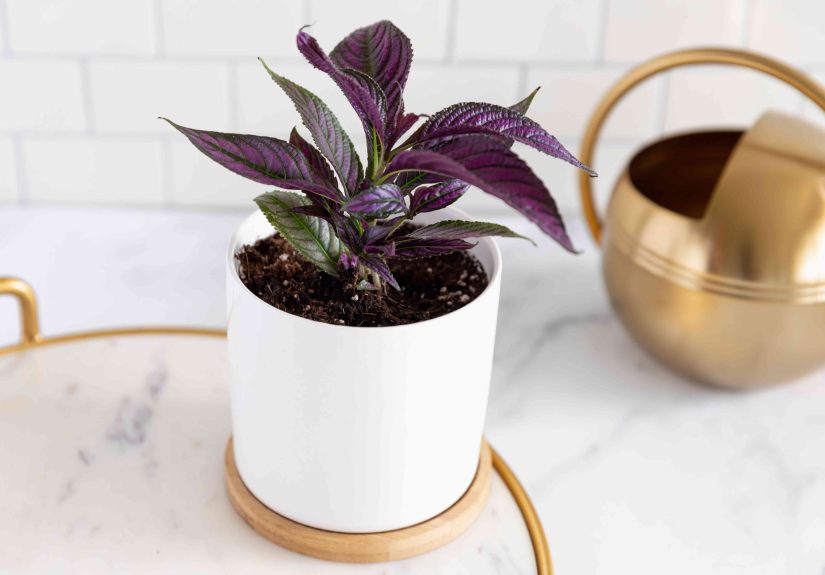
Persian shield is a tropical evergreen subshrub native to Myanmar, not Persia. The name comes from the shape and shine of its leaves, which resemble little decorative shields with a metallic purple glow. The plant belongs to the acanthus family and is grown mainly for its foliage, not its flowers.
In warm, frost-free climates, Persian shield can grow several feet tall and wide. In most of the United States, however, it is usually treated as a summer annual, a patio container plant, or a houseplant. Its leaves are lance-shaped, slightly puckered, and often display a dramatic mix of purple, silver, green, and maroon. If a leaf could shout “look at me,” this one would bring a microphone.
Quick Plant Profile
- Common name: Persian shield, royal purple plant
- Botanical name: Strobilanthes dyerianus
- Plant type: Tropical perennial, evergreen subshrub, annual in cold climates
- Best use: Containers, shade gardens, borders, mixed planters, indoor foliage display
- Light: Bright indirect light, partial shade, or morning sun
- Soil: Rich, well-draining, consistently moist soil
- Water: Moderate to regular moisture; avoid soggy roots
- Humidity: Medium to high
- Hardiness: Best outdoors year-round in warm zones; grown as annual or houseplant elsewhere
Why Gardeners Love Persian Shield
Many garden plants politely blend into the background. Persian shield does not. It brings color even when nothing is blooming, making it valuable in shade gardens, porch containers, and indoor plant collections. Its foliage pairs beautifully with chartreuse sweet potato vine, lime-green coleus, silver dusty miller, orange marigolds, pink impatiens, and deep green ferns.
Another reason gardeners love Persian shield is its flexibility. It can grow outdoors in a mixed border, sit on a patio in a pot, or live inside near a bright window. It is also relatively easy to propagate from stem cuttings, which means one healthy plant can become several more with a little patience and a clean pair of scissors. Warning: this is how “just one plant” turns into a small indoor jungle.
How To Grow Persian Shield Outdoors
Growing Persian shield outdoors is usually easiest in late spring through summer, when temperatures are warm and the danger of frost has passed. This plant does not enjoy cold soil, chilly nights, or surprise frosts. Plant it outside only after nighttime temperatures are reliably mild.
Best Outdoor Location
Choose a spot with bright filtered light, morning sun, or partial shade. In hot southern climates, afternoon sun can fade or scorch the leaves. In cooler northern areas, Persian shield may tolerate more sun, especially if the soil stays evenly moist. The goal is strong light without roasting the foliage like purple plant bacon.
Under trees, near a porch, along an east-facing wall, or in a protected patio corner can be ideal. If the color looks dull, the plant may need more light. If the leaves look bleached, crispy, or tired by midafternoon, it may need more shade.
Outdoor Soil Preparation
Persian shield prefers fertile, well-draining soil that holds moisture without becoming swampy. Before planting in the ground, improve the soil with compost or aged organic matter. Heavy clay should be loosened and amended to improve drainage. Sandy soil may need compost to help it retain enough moisture.
For containers, use a high-quality potting mix rather than garden soil. A good potting mix provides drainage, aeration, and moisture retention. Make sure the pot has drainage holes. Persian shield likes a drink, but it does not want to sit in a tiny purple bathtub.
Outdoor Watering
Water Persian shield regularly, especially during hot weather. The soil should stay lightly moist but not waterlogged. Plants in containers dry out faster than plants in the ground, so check pots often during heat waves. If the plant wilts dramatically, do not panic immediately. Persian shield can droop when thirsty and bounce back after watering, though repeated wilting will stress the plant.
A layer of mulch around outdoor plants helps conserve soil moisture and keep roots cooler. Keep mulch slightly away from the stems to reduce the chance of rot.
Fertilizing Outdoor Plants
Persian shield is grown for foliage, so it benefits from steady but not excessive feeding. Mix compost into the planting area, then use a balanced liquid fertilizer or slow-release fertilizer during the growing season. Container plants may need feeding more often because nutrients wash out with watering.
Avoid overfertilizing. Too much fertilizer can encourage weak, leggy growth and may reduce the plant’s neat shape. Think of fertilizer as lunch, not a competitive eating contest.
How To Grow Persian Shield as a Houseplant
Persian shield can be grown indoors, but it is more demanding inside than outside. Indoors, the two biggest challenges are light and humidity. Most homes are drier and darker than this tropical plant prefers, especially in winter. Still, with the right setup, Persian shield can make a stunning houseplant.
Best Indoor Light
Place Persian shield near a bright window where it receives strong indirect light. An east-facing window often works well because it provides gentle morning sun. A south- or west-facing window can also work if the plant is protected from harsh direct rays by a sheer curtain or placed a few feet back from the glass.
If the plant becomes leggy, loses purple color, or leans dramatically toward the window, it probably needs more light. A grow light can help during winter or in darker rooms. Bright light keeps the color richer and the growth more compact.
Indoor Watering
Water when the top inch of potting mix feels slightly dry. Do not let the entire root ball dry out completely, but do not keep the plant constantly soggy either. Overwatering can lead to root rot, while underwatering can cause wilting, leaf drop, and crispy edges.
Use a pot with drainage holes and empty any saucer that collects water. If your plant is in a decorative cachepot, remove the nursery pot to water, let it drain, and then place it back. This small habit can prevent many indoor plant tragedies.
Humidity for Indoor Persian Shield
Persian shield appreciates humidity. Dry indoor air can cause leaf edges to brown and leaves to drop. A humidifier is the most reliable solution, especially in winter. You can also group plants together or set the pot on a pebble tray filled with water, making sure the pot itself is not sitting directly in the water.
Misting may briefly raise humidity around the leaves, but it is not a long-term fix. If your house is extremely dry, a humidifier will do more good than a spray bottle and a hopeful attitude.
Pruning Persian Shield for Bushy Growth
Persian shield can become tall and leggy if left alone. Regular pinching encourages fuller growth. Use clean scissors or your fingers to pinch back stem tips just above a leaf node. This tells the plant to branch instead of growing into one long, dramatic wand.
Prune during active growth in spring and summer. You can remove weak stems, damaged leaves, and overly tall shoots. Outdoors, pruning helps maintain a rounded shape in containers and borders. Indoors, it keeps the plant from flopping over and taking up half the windowsill like it pays rent.
Propagating Persian Shield From Cuttings
Persian shield is commonly propagated from stem cuttings. This is often easier than growing from seed, because seeds can be hard to find and annual outdoor plants may not flower early enough to produce seed.
Simple Cutting Method
- Choose a healthy, non-flowering stem.
- Cut a 3- to 5-inch section just below a node.
- Remove the lower leaves, keeping a few leaves at the top.
- Place the cutting in moist potting mix or water.
- Keep it warm, humid, and in bright indirect light.
- Once roots form, transplant it into a small pot with fresh potting mix.
Cuttings root best in warm conditions. Covering the pot loosely with a clear plastic bag can help retain humidity, but open it regularly for air circulation. Once the cutting begins producing new growth, treat it like a young plant and gradually adjust it to normal room conditions.
Overwintering Persian Shield
If you live in a cold climate, Persian shield will not survive freezing temperatures outdoors. You have three practical options: grow it as an annual and replace it next year, bring the whole container indoors before cold weather, or take cuttings in late summer and overwinter the smaller plants indoors.
Taking cuttings is often the easiest method. Large outdoor plants can struggle indoors because they suddenly move from warm, humid, bright outdoor conditions into a drier home. Smaller cuttings adapt more easily and take up less space. They also make you feel like a plant wizard, which is good for morale.
Common Problems and How To Fix Them
Leaves Losing Purple Color
Faded leaves often mean the plant is getting either too much harsh sun or too little light. If leaves look bleached, move the plant to brighter shade or filtered light. If the plant looks dull green and stretched, give it stronger indirect light.
Wilting Leaves
Wilting is usually related to water stress. Check the soil. If it is dry, water deeply. If it is wet and the plant is wilting anyway, inspect for root problems. Constantly soggy soil can suffocate roots and lead to rot.
Brown Leaf Edges
Brown edges are common indoors when humidity is low, watering is inconsistent, or the plant receives too much direct sun. Increase humidity, water more evenly, and move the plant away from harsh afternoon rays.
Leggy Growth
Leggy Persian shield plants usually need more light and more pruning. Move the plant to a brighter location and pinch back the stems. New growth should become fuller if the plant has enough energy and warmth.
Pests
Aphids, whiteflies, and spider mites can occasionally appear, especially on stressed indoor plants. Inspect the undersides of leaves and stem tips. If pests are present, isolate the plant and treat it with insecticidal soap or horticultural oil according to label directions. Good air circulation and consistent watering help reduce pest pressure.
Best Companion Plants for Persian Shield
Because Persian shield has such bold foliage, it pairs best with plants that either contrast or calmly support its color. In containers, try it with lime-green sweet potato vine, silver licorice plant, white impatiens, pink begonias, orange marigolds, or trailing ivy. In shade gardens, it looks elegant beside ferns, caladiums, coleus, and hostas.
For a high-drama container, place Persian shield in the center as the “thriller,” add coleus or begonias as “fillers,” and let sweet potato vine or creeping Jenny spill over the edge. The result looks designed, even if your main design strategy was “I bought the pretty ones.”
Is Persian Shield Toxic?
Persian shield is generally not known as a highly toxic houseplant, but it is not grown as an edible plant and should not be consumed by people or pets. Keep it away from curious children, cats, dogs, and any family member who thinks “purple leaf salad” sounds adventurous.
Persian Shield Care Calendar
Spring
Start new plants from cuttings, repot indoor plants if needed, and begin regular feeding once growth resumes. Move plants outdoors only after nights are warm.
Summer
Water consistently, fertilize lightly, pinch stems for fullness, and protect plants from harsh afternoon sun. This is when Persian shield usually looks its most spectacular.
Fall
Take cuttings before cold weather. Bring container plants indoors before chilly nights arrive. Reduce fertilizer as growth slows.
Winter
Keep indoor plants warm and bright. Water a little less often but do not let the plant completely dry out. Increase humidity if leaf edges turn brown.
Experience Notes: What Growing Persian Shield Teaches You
Growing Persian shield teaches one lesson very quickly: this plant is honest. Some plants suffer quietly for weeks, then suddenly collapse like a Victorian character on a fainting couch. Persian shield is more direct. If it is thirsty, it droops. If the sun is too strong, it fades or crisps. If the room is too dark, it stretches toward the window as if trying to escape. That honesty makes it easier to care for once you learn to read the signals.
One common outdoor experience is that Persian shield often looks modest when first planted, then suddenly turns into the star of the container once hot weather arrives. In mild spring weather, it may sit politely and do very little. Then summer heat rolls in, humidity rises, and the plant seems to remember it is supposed to be fabulous. The leaves deepen in color, the stems fill out, and the whole plant becomes much more confident.
In containers, the biggest practical lesson is watering consistency. A Persian shield in a sunny patio pot can dry out quickly, especially if it shares space with other thirsty annuals. When the soil dries too much, the plant may wilt dramatically. Usually it recovers after a thorough watering, but repeated drought stress can cause leaf drop and dull color. A larger pot, good potting mix, and a layer of mulch can make care much easier.
Indoors, the experience is different. Persian shield can be beautiful inside, but it is not as carefree as a pothos or snake plant. It wants better light and higher humidity than many average rooms provide. A plant placed several feet from a weak window may survive, but it may lose its jewel-like color. Put the same plant near a bright window or under a grow light, and the foliage usually looks richer and healthier.
Many growers also discover that pruning feels scary at first but pays off. Cutting back a tall stem can seem cruel when the leaves are so pretty. However, Persian shield responds well to pinching during active growth. Instead of one awkward stem, the plant can produce multiple side shoots and become fuller. Those trimmed pieces can become cuttings, so pruning feels less like waste and more like making bonus plants.
Another useful experience is learning when to let go. In cold climates, overwintering a large Persian shield indoors can be challenging. The plant may drop leaves, stretch, or look less vibrant by late winter. Taking cuttings in late summer is often more successful than trying to preserve a large outdoor specimen. Small rooted cuttings are easier to place under lights, easier to keep humid, and easier to move back outside in spring.
Persian shield is not the plant for someone who wants to ignore greenery for a month and still receive applause. But for gardeners who enjoy responsive plants, colorful foliage, and a little tropical drama, it is deeply rewarding. It turns ordinary containers into conversation pieces and gives indoor plant shelves a flash of color that flowers can hardly compete with. Treat it warmly, water it thoughtfully, prune it bravely, and it will repay you with leaves that look like they were designed by a gemstone with excellent taste.
Conclusion
Persian shield is one of the best foliage plants for gardeners who want bold color without depending on flowers. Outdoors, it shines in warm-season containers, shaded borders, and tropical-style plantings. Indoors, it can thrive as a houseplant when given bright light, steady moisture, warmth, and humidity.
The key to success is balance. Give it enough light to keep the purple color strong, but protect it from scorching afternoon sun. Keep the soil moist, but never soggy. Feed lightly, prune regularly, and take cuttings before winter if you live where frost is part of the seasonal menu. Do that, and Persian shield will bring a metallic purple glow to your garden or home that looks far more difficult than it actually is.