Table of Contents >> Show >> Hide
- What Happened on 'Billions'?
- Why the Peloton Scene Hit So Hard
- The Mr. Big Shadow Was Still Fresh
- Peloton’s Response: Fast, Defensive, and Understandable
- Was This Bad Product Placement?
- Why Peloton Was Already Vulnerable
- What the Scene Says About Pop Culture and Brand Control
- Health Reality Check: Cardio Is Not the Villain
- Marketing Lessons From Peloton’s TV Trouble
- Why 'Billions' Chose Peloton So Effectively
- The Bigger Conversation: Wellness Culture Under Pressure
- Experiences and Reflections Related to the Peloton 'Billions' Moment
- Conclusion
Peloton probably did not have “become television’s favorite fictional cardiac villain” on its brand strategy bingo card. Yet there it was again: a sleek stationary bike, a high-profile TV character, and a scene that sent viewers racing to social media faster than a leaderboard sprint.
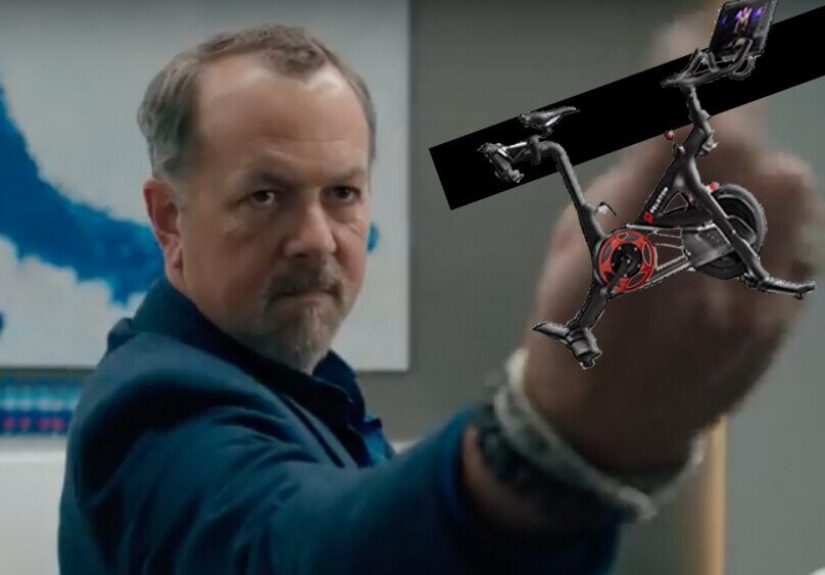
In the Season 6 premiere of Showtime’s Billions, Mike “Wags” Wagner, played by David Costabile, suffers a nonfatal heart attack after riding a Peloton bike. The moment instantly reminded audiences of another pop-culture shocker: Mr. Big’s death after a Peloton ride in HBO Max’s And Just Like That…. For Peloton, the timing was about as welcome as a surprise hill climb at minute 44.
The storyline was fictional, but the public reaction was very real. Once again, Peloton found itself forced to explain that cardiovascular exercise is generally good for people, not a luxury death trap with Bluetooth. The incident became a case study in brand reputation, product placement, crisis communication, and the weird power television has to turn a household product into a meme overnight.
What Happened on ‘Billions’?
In the Billions Season 6 premiere, Wags has a medical scare after using a Peloton bike. The character survives, but the show does not resist the obvious joke. Wags later references Mr. Big, making the connection impossible for viewers to miss.
The detail that made the moment even more fascinating is that the Billions scene was reportedly written and filmed before the And Just Like That… episode aired. The Mr. Big reference was added later in postproduction, turning an already awkward brand cameo into a razor-sharp pop-culture punchline.
That one line transformed the scene from unfortunate coincidence into full-blown commentary. It was no longer just “a character has a heart attack near a bike.” It became “television knows Peloton is having a rough PR moment, and television has decided to pedal directly into the mess.”
Why the Peloton Scene Hit So Hard
Brands appear in television all the time. A laptop logo flashes on a desk. A coffee cup sits beside a character during a breakup. A car glides dramatically through downtown traffic. Usually, the brand benefits from visibility. But when the product appears next to illness, death, embarrassment, or chaos, visibility becomes a very expensive headache.
Peloton’s challenge was not that viewers truly believed the bike caused Wags’ heart attack. Most people understand that scripted television is not a peer-reviewed medical journal, although some shows certainly act like they went to medical school for one dramatic weekend. The problem was emotional association. Two major shows had now linked Peloton bikes with cardiac emergencies in a short period of time.
That kind of repetition is powerful. A single scene can be dismissed as a plot twist. A second scene becomes a pattern. A pattern becomes a joke. And when the internet gets a joke, it does not politely put it back where it found it.
The Mr. Big Shadow Was Still Fresh
To understand why the Billions scene created such a stir, you have to rewind to And Just Like That…. In that series premiere, John James Preston, better known as Mr. Big, dies after completing a Peloton workout. The scene stunned fans and quickly became one of the most talked-about TV moments of the season.
Peloton responded quickly at the time, emphasizing that Mr. Big was a fictional character with fictional lifestyle risks. The company also released a fast-turnaround ad featuring Chris Noth and Peloton instructor Jess King, attempting to reclaim the narrative with humor. That ad was later pulled after sexual assault allegations against Noth surfaced, creating yet another PR complication.
So when Billions came along with another Peloton-adjacent heart attack, the brand was not dealing with a fresh situation. It was dealing with a sequel. And sequels are rarely gentle.
Peloton’s Response: Fast, Defensive, and Understandable
After the Billions episode aired, Peloton made it clear that it had not agreed to the use of its brand or intellectual property in the show and had not provided equipment. The company also pointed out that the show itself acknowledged cardiovascular exercise can help people live longer, healthier lives.
From a crisis communication perspective, the response made sense. Peloton had to separate the real product from the fictional storyline. It also had to remind people of a basic health fact: regular cardio is typically associated with heart health, not heart attacks.
The tricky part is tone. A brand can sound too serious and appear humorless, or it can joke too much and seem careless. Peloton had already tried humor with the Mr. Big ad, and that effort became complicated for reasons outside the bike itself. With Billions, the company chose a more direct route: deny involvement, clarify the facts, and repeat the health message.
Was This Bad Product Placement?
The term “product placement” gets tossed around whenever a recognizable brand appears in entertainment. But not every brand appearance is paid, approved, or coordinated. Sometimes a show uses a real-world brand because it adds realism. Sometimes the brand is part of the joke. Sometimes the brand wakes up the next morning, checks social media, and says, “Oh no, what did fictional people do now?”
In Peloton’s case, the company said it did not approve the Billions use. That matters because approved product placement usually gives the brand some level of control over context. Unauthorized use, depending on the circumstances, can leave a company reacting after the fact.
This is what makes the situation so interesting for marketers. Peloton did not need to buy media space to become the center of conversation. Television handed it attention for free. Unfortunately, “free attention” is not always a gift. Sometimes it is a raccoon in a glitter box.
Why Peloton Was Already Vulnerable
The Billions moment landed during a period when Peloton was already facing intense scrutiny. The company had surged during the pandemic as people built home gyms, streamed workouts, and tried to recreate boutique fitness without leaving the living room. For a while, Peloton seemed less like a bike company and more like a lifestyle movement with pedals.
Then the world changed again. Gyms reopened. Consumer habits shifted. Demand cooled. Peloton dealt with product safety controversies, recalls, executive changes, layoffs, and pressure from investors. Against that backdrop, another awkward television cameo felt bigger than one scene because the brand was already carrying a heavy backpack up a steep incline.
In other words, the Billions scene did not create Peloton’s challenges. It amplified them. A healthy brand can laugh off a rough joke. A brand under pressure has to treat every joke like it may become tomorrow’s headline.
What the Scene Says About Pop Culture and Brand Control
The Peloton saga shows that brands no longer fully control their own stories. A company can spend millions crafting an image of motivation, community, sweat, music, and personal transformation. Then a TV writer can place the product in one dramatic scene, and suddenly the public conversation shifts from “find your strength” to “is this bike cursed?”
That does not mean brands are powerless. It means they need to be prepared. Modern crisis communication is not only about recalls, lawsuits, or executive scandals. It is also about memes, fictional plotlines, and social media interpretation. The audience is part viewer, part critic, part comedian, and part stock analyst.
Health Reality Check: Cardio Is Not the Villain
It is worth saying clearly: a television scene should not scare healthy adults away from exercise. The American Heart Association recommends adults get at least 150 minutes per week of moderate-intensity aerobic activity or 75 minutes of vigorous aerobic activity, preferably spread throughout the week. Cycling, including stationary cycling, can be part of a heart-healthy routine.
That said, intense exercise should be approached wisely, especially by people with known heart disease, symptoms, or risk factors. Chest discomfort, shortness of breath, pain in the arm, neck, jaw, back, or stomach, cold sweat, nausea, or lightheadedness can be warning signs of a heart attack. Anyone experiencing those symptoms should stop exercising and seek emergency help.
The real lesson is not “avoid bikes.” It is “listen to your body.” A Peloton instructor may tell you to push, but your chest pain gets veto power.
Marketing Lessons From Peloton’s TV Trouble
1. Brand Visibility Is Not Always Brand Love
Being mentioned on a hit show can be valuable, but context matters. A product seen during a glamorous dinner scene gets one kind of association. A product seen beside a medical emergency gets another. Marketers should never confuse attention with approval.
2. Speed Matters, But So Does Strategy
Peloton responded quickly after both the Mr. Big scene and the Billions moment. That speed helped the company join the conversation before the jokes hardened into conventional wisdom. But speed alone is not enough. The message must be clear, calm, and consistent.
3. Humor Can Help, But It Can Also Backfire
Peloton’s quick comedic response to the Mr. Big incident was clever, but later events made that campaign difficult to sustain. Humor is powerful in crisis communication, but it needs a strong safety net. When a situation involves health, death, or allegations involving real people, brands must tread carefully.
4. The Internet Writes the Second Draft
Television may create the scene, but social media creates the echo. Memes, headlines, reaction videos, and jokes can reshape the meaning of a moment within hours. Brands need monitoring systems and response plans that move at internet speed.
Why ‘Billions’ Chose Peloton So Effectively
Billions is a show about power, money, ego, appetite, and the strange rituals of high-achieving people who treat relaxation like a hostile takeover. Peloton fits that world. It is expensive, data-driven, competitive, and status-coded. The leaderboard is basically Wall Street with towels.
That is why the Wags scene works dramatically. It is not random. Wags is a character defined by excess. A Peloton ride becomes a symbol of controlled intensity, the kind of wellness performance that can sit oddly beside indulgence, stress, and ambition. The joke is not simply “bike equals danger.” The joke is that even elite self-optimization can become absurd when the person doing it refuses to slow down.
The Bigger Conversation: Wellness Culture Under Pressure
The Peloton moment also taps into a broader cultural shift. During the pandemic, home fitness became a lifeline for many people. It offered structure, community, and a reason to wear workout clothes for their intended purpose instead of just calling them “soft pants for emails.” Peloton became one of the biggest symbols of that era.
But wellness brands also attract skepticism. People question whether expensive equipment, subscription classes, and performance metrics make fitness more accessible or more stressful. A show like Billions can use Peloton as shorthand for ambition disguised as self-care. The bike is not just a bike; it is a character prop that says, “This person optimizes everything, including suffering.”
That tension is why the scene resonated. Audiences were not only laughing at Peloton. They were laughing at the culture of overachievement, where even relaxation comes with a score.
Experiences and Reflections Related to the Peloton ‘Billions’ Moment
Anyone who has ever tried an intense indoor cycling class knows the emotional arc. At minute one, you feel athletic and optimistic. At minute seven, you are negotiating with your quadriceps. At minute 20, the instructor says something like “add resistance,” and you briefly wonder if your bike has been hacked by your enemies. By the cooldown, you are both proud and slightly unsure whether stairs are still part of your lifestyle.
That is why the Billions scene landed with such dark comic energy. Peloton riders understand the drama of a tough class. They know the theatrical lighting, the motivational language, the leaderboard pressure, the music drop, and the strange feeling that a person on a screen can personally judge your cadence. The show exaggerated that intensity, but it did not invent it from nowhere.
For many users, Peloton is not simply exercise equipment. It becomes part of a routine. People ride before work, after school drop-off, during lunch breaks, or late at night when the house is quiet and the laundry is pretending not to exist. They follow favorite instructors. They celebrate milestones. They join online communities. They may even speak about the bike with the warmth usually reserved for a loyal dog or a coffee machine that has never betrayed them.
That personal connection makes negative portrayals feel sharper. If a person loves their Peloton, seeing it used as a TV punchline may feel unfair. After all, the bike did not write the script. It did not ask to become a cardio-themed plot device. It was just standing there, silently expensive.
At the same time, the jokes reveal something true about modern fitness culture. Many people have experienced the pressure to turn health into performance. Steps, calories, badges, streaks, output numbers, recovery scores, sleep scores, and workout rankings can be motivating, but they can also become noisy. A healthy habit can start to feel like another inbox. The Billions scene exaggerated that tension by placing a high-stress character in a high-intensity workout environment and letting the symbolism do the heavy lifting.
There is also a relatable lesson in how people respond to warning signs. In real life, many adults minimize symptoms because they are busy, embarrassed, competitive, or convinced they can “walk it off.” Wags fits that personality perfectly. He is the kind of character who might treat chest pain as an inconvenience between meetings. The scene works because it reflects a recognizable human flaw: ignoring the body when the schedule says there is no time for a crisis.
For everyday viewers, the useful takeaway is balance. Enjoy the ride. Chase the milestone. Laugh at the leaderboard if it helps. But do not turn exercise into a duel with your own common sense. Warm up. Hydrate. Build intensity gradually. Pay attention to unusual symptoms. And remember that rest is not failure; it is maintenance. Even luxury bikes need a reset now and then.
In the end, Peloton’s unwanted role in Billions says less about the danger of indoor cycling and more about the strange life of brands in popular culture. A product can become a symbol overnight. It can represent ambition, wellness, status, community, comedy, or crisis depending on who is holding the camera. Peloton wanted to be associated with strength and transformation. Television briefly turned it into shorthand for dramatic cardiac timing. That is unfair, funny, and very 2020s all at once.
Conclusion
Peloton’s appearance on Billions became another headline-making moment for all the wrong reasons, not because a fictional scene proved anything about exercise, but because it collided with an existing narrative. After Mr. Big’s shocking death in And Just Like That…, viewers were primed to see Peloton as TV’s most suspicious piece of fitness equipment. Wags’ nonfatal heart attack gave the internet a sequel, and the internet loves nothing more than a sequel with a punchline.
For Peloton, the episode reinforced the challenge of managing brand reputation in an entertainment landscape where companies can become characters without consent. For viewers, it was a reminder that fiction can shape perception even when reality tells a more balanced story. And for anyone with a stationary bike in the corner, it was probably a good reason to ride, laugh, cool down properly, and maybe not schedule a hostile corporate takeover immediately afterward.