Table of Contents >> Show >> Hide
- What Is a Pattern Cut Design I Return Air Grille?
- Why Return Air Grilles Matter More Than People Think
- Design Benefits of Pattern Cut Design I Return Air Grilles
- Airflow Considerations: Beauty Still Needs to Breathe
- Best Places to Use Pattern Cut Design I Return Air Grilles
- Finish Options and Style Pairings
- Installation Tips for a Cleaner Result
- Maintenance: Keep the Grille Looking Good and Working Well
- Buying Checklist for Pattern Cut Design I Return Air Grilles
- Specific Example: Replacing a Hallway Return Grille
- Common Mistakes to Avoid
- Real-World Experience: What It Feels Like to Live With Pattern Cut Design I Return Air Grilles
- Conclusion
Return air grilles do not usually get the dramatic spotlight in a room. They are not the chandelier. They are not the marble island. They are not the fancy faucet everyone touches and quietly judges. But here is the truth: a well-designed return air grille can quietly make a room feel cleaner, calmer, and more complete. And when that grille features a Pattern Cut Design I, it becomes more than a necessary HVAC cover. It becomes an architectural detail that knows how to behave.
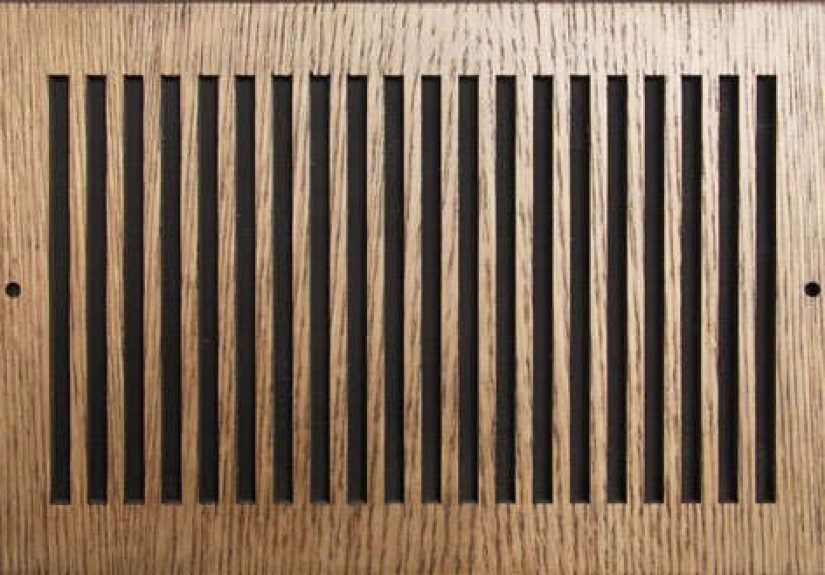
Pattern Cut Design I Return Air Grilles combine airflow performance with decorative metalwork. They are made for homeowners, builders, designers, and contractors who want the return air opening to look intentional instead of like an afterthought installed five minutes before lunch. The pattern cut face can soften the look of a wall, ceiling, or floor return while still allowing air to move back to the HVAC system.
In simple terms, a return air grille is the opening where indoor air is pulled back toward the furnace, air handler, or HVAC system. Unlike a supply register, which sends conditioned air into the room, the return grille helps complete the air circulation loop. Without proper return airflow, even a powerful HVAC system can feel like a treadmill with a bad attitude: working hard, making noise, and not getting anywhere fast.
What Is a Pattern Cut Design I Return Air Grille?
A Pattern Cut Design I Return Air Grille is a decorative metal grille with a precisely cut face pattern designed for return air applications. The “Design I” part usually refers to a specific visual style within a manufacturer’s pattern collection. It may include geometric cutouts, balanced spacing, clean lines, and a symmetrical layout that works well in traditional, transitional, modern farmhouse, craftsman, and contemporary interiors.
The grille is typically installed over a return air duct or return opening. Its job is to cover the opening, protect the duct space, and allow air to pass through with as little restriction as practical. The better models are not only attractive; they are also designed with airflow, durability, and installation convenience in mind.
Common Materials
Pattern cut return air grilles are commonly made from steel, aluminum, cast aluminum, bronze, brass, or stainless steel. For residential use, steel and aluminum are especially popular because they balance durability, cost, and finish options. Aluminum is naturally corrosion resistant and lightweight, while steel offers strength and a crisp finished look when painted or powder coated.
For high-end architectural projects, decorative metal grilles may be selected to match cabinet hardware, stair railings, lighting fixtures, or other metal accents. That is when a return air grille stops apologizing for existing and starts participating in the design plan.
Why Return Air Grilles Matter More Than People Think
The return side of an HVAC system is responsible for bringing air back to the equipment so it can be filtered, heated, cooled, dehumidified, or circulated again. If the return grille is too small, too restrictive, blocked by furniture, or poorly placed, the system may struggle to move the right amount of air.
Restricted return airflow can contribute to several comfort problems, including noisy operation, uneven temperatures, weak supply airflow, extra system strain, and dusty conditions. In some homes, a return grille that is undersized or placed in a cramped location can make the HVAC system sound like it is trying to inhale through a coffee stirrer. Not ideal. Not elegant. Not exactly the spa-like indoor environment anyone had in mind.
A well-chosen Pattern Cut Design I Return Air Grille should support both form and function. It should look good, fit correctly, and provide enough open area for airflow. Decorative does not have to mean inefficient, but the pattern must be chosen carefully.
Design Benefits of Pattern Cut Design I Return Air Grilles
1. They Make HVAC Openings Look Intentional
Standard stamped grilles can look basic, especially in a thoughtfully designed room. A pattern cut grille gives the opening a finished appearance. It can echo other design elements such as panel molding, cabinet details, tile patterns, window grids, or decorative screens.
For example, in a hallway with white wall paneling, a powder-coated white Pattern Cut Design I grille can blend in while still adding texture. In a darker accent wall, a black grille can look sleek and modern. In a historic renovation, a bronze or antique brass finish may feel more period-appropriate than a plain builder-grade grille.
2. They Offer Custom Sizing
Many decorative metal return air grilles are available in custom sizes. This matters because return openings are not always standard. Older homes, remodeled spaces, and custom HVAC layouts often come with openings that make standard store-bought grilles shrug helplessly.
Custom sizing allows the grille to cover the opening properly, align with surrounding trim, and avoid awkward gaps. A clean fit can make the difference between “custom home detail” and “someone measured this with a banana.”
3. They Work in Multiple Locations
Depending on the product construction, return air grilles may be installed on walls, ceilings, floors, cabinet toe kicks, stair risers, or built-in millwork. Floor grilles usually require stronger construction because they may experience foot traffic. Wall and ceiling grilles can often be lighter but still need rigidity to avoid bending, rattling, or warping.
Before choosing a grille, always match the product type to the installation location. A delicate wall grille used on the floor may look beautiful for about three secondsright before someone steps on it while carrying laundry.
Airflow Considerations: Beauty Still Needs to Breathe
The most important performance concept for any decorative return air grille is open area, sometimes called free area. This refers to the portion of the grille face that is actually open for air to pass through after subtracting the metal pattern. A grille with a dense pattern may look stunning but restrict airflow if it does not have enough open space.
For return air applications, lower restriction is usually better. The HVAC system needs to pull air back without excessive pressure drop. A grille with proper sizing and sufficient open area can help reduce noise and support efficient system operation.
How to Think About Sizing
Grille sizing should not be based on appearance alone. The size of the return duct, the system airflow requirement, filter location, duct layout, and grille free area all matter. A decorative grille may need to be larger than a plain grille if the cut pattern provides less open area.
For example, if a standard return grille has a high free area and a decorative pattern has a lower free area, the decorative grille may need a larger face size to allow similar airflow. This is one reason homeowners should confirm sizing with an HVAC professional, especially when replacing a large return grille or working with high-capacity equipment.
Noise Control
Return air noise often happens when air moves too quickly through a grille or duct opening. A properly sized Pattern Cut Design I Return Air Grille can help keep air velocity comfortable. If a grille whistles, hums, rattles, or sounds like it is auditioning for a haunted house soundtrack, something may be wrong with sizing, installation, fastening, filter loading, or duct design.
Soft airflow, secure mounting, clean filters, and adequate grille area all help create a quieter system. Decorative grilles should be beautiful, not chatty.
Best Places to Use Pattern Cut Design I Return Air Grilles
Living Rooms and Great Rooms
Large gathering areas often have visible return openings. In these rooms, a decorative grille can make the HVAC component feel integrated with the architecture. A Pattern Cut Design I grille in a finish that matches the trim, wall color, or metal accents can quietly upgrade the entire space.
Hallways
Many central returns are located in hallways. Because hallways are narrow, the grille is often impossible to ignore. Replacing a basic grille with a pattern cut version can make the hallway look more polished without requiring major renovation.
Bedrooms
Bedrooms benefit from quiet airflow and good pressure balance. A properly sized return grille can help air move back to the system when doors are open. In homes with central returns, transfer grilles, jump ducts, or door undercuts may also be part of the pressure-balancing strategy.
Historic Homes
Older houses often have beautiful details: original floors, decorative trim, plaster walls, and charming quirks that may or may not include one door that only closes in October. A decorative metal return air grille can preserve the character of the home better than a modern stamped grille.
Custom Built-Ins
Return openings are sometimes integrated into benches, cabinetry, window seats, or stair risers. Pattern cut grilles are useful in these applications because they can be customized to coordinate with millwork. The result looks planned rather than patched.
Finish Options and Style Pairings
Finish selection affects both durability and design. Powder coating is popular because it creates a smooth, durable finish and offers many color options. Painted finishes can blend with walls and trim. Metallic finishes such as bronze, brass, nickel, or blackened steel can create a stronger decorative statement.
White or Off-White
White and off-white grilles are ideal when the goal is subtlety. They blend beautifully with painted trim, ceilings, and walls. This option is especially useful when the pattern adds texture but should not dominate the room.
Matte Black
Matte black works well in modern, industrial, farmhouse, and transitional interiors. It pairs nicely with black window frames, black door hardware, iron stair rails, and contemporary lighting.
Bronze and Brass Tones
Warm metal finishes can add character to traditional and historic spaces. They also pair well with wood floors, antique hardware, and rich wall colors.
Installation Tips for a Cleaner Result
Before ordering a Pattern Cut Design I Return Air Grille, measure the duct opening carefully. In most HVAC grille sizing, the listed size refers to the duct opening size, not the overall outside dimensions of the grille face. That small detail has caused many measuring-related headaches, and probably a few dramatic sighs in hardware store parking lots.
Measure the width and height of the opening, confirm whether the grille will mount to drywall, wood, plaster, flooring, or metal ductwork, and check whether screw holes, frames, hinges, or filter access features are needed. If the return grille also holds a filter, make sure the replacement grille is designed as a filter return grille, not just a decorative face cover.
Keep the Area Clear
Return grilles need open space around them. Avoid blocking them with sofas, rugs, bookcases, curtains, baskets, or decorative objects. A grille hidden behind furniture may technically exist, but the airflow will be unimpressed.
Seal Around the Opening
A clean installation is not only about appearance. Gaps around duct boots or return openings can pull air from wall cavities, attics, basements, or other unwanted areas. Sealed ducts and sealed return connections help the HVAC system pull air from the intended living space instead of from dusty hidden cavities.
Maintenance: Keep the Grille Looking Good and Working Well
Return air grilles naturally collect dust because air is being pulled through them. Cleaning is simple but important. Use a soft cloth, microfiber duster, or vacuum brush attachment to remove dust from the face. For deeper cleaning, remove the grille if appropriate and wipe it gently with mild soap and water. Avoid harsh abrasives that could damage the finish.
If the grille includes filter access, replace or clean the filter according to the HVAC system’s needs and the filter manufacturer’s guidance. A clogged filter can reduce airflow, increase system strain, and make the return grille noisier.
Buying Checklist for Pattern Cut Design I Return Air Grilles
Before purchasing, review these key details:
- Opening size: Confirm the duct opening width and height.
- Overall grille size: Make sure the face covers the opening and surrounding surface properly.
- Free area: Choose a pattern and size that support adequate return airflow.
- Material: Match steel, aluminum, stainless steel, or another metal to the location and durability needs.
- Finish: Select a finish that works with walls, trim, flooring, and hardware.
- Mounting style: Confirm screw placement, frame type, and whether the grille is fixed, removable, hinged, or filter-ready.
- Installation location: Choose floor-rated construction for floor use.
Specific Example: Replacing a Hallway Return Grille
Imagine a home with a large 20-inch by 30-inch hallway return grille. The existing grille is white, bent at one corner, and has the charisma of a filing cabinet. The homeowner wants a cleaner look after repainting the hallway and adding new black door hardware.
A matte black Pattern Cut Design I Return Air Grille could make the return look intentional. However, the homeowner should not choose by appearance alone. The new grille should match the return opening size, provide enough open area, mount securely, and avoid creating airflow noise. If the decorative pattern is more restrictive than the old grille, upsizing the grille or selecting a more open pattern may be necessary.
When installed correctly, the result is subtle but powerful. The hallway feels more finished. The HVAC opening no longer looks like an apology. And the grille becomes part of the home’s design language rather than a metal rectangle everyone politely ignores.
Common Mistakes to Avoid
Choosing the Pattern Only by Looks
A decorative pattern should look good, but it also needs to breathe. Dense patterns may require larger grille sizes or careful airflow review.
Measuring the Outside Frame Instead of the Opening
This is one of the most common mistakes. Measure the duct opening, then confirm the manufacturer’s sizing method before ordering.
Using a Wall Grille on the Floor
Floor installations need stronger grilles. If people will walk on it, choose a product designed for that load.
Ignoring Filter Access
If your existing return grille opens to hold a filter, replace it with a filter-compatible grille. A fixed decorative grille may look great but make filter changes unnecessarily complicated.
Real-World Experience: What It Feels Like to Live With Pattern Cut Design I Return Air Grilles
In real homes, the biggest surprise about upgrading to Pattern Cut Design I Return Air Grilles is how quickly the room feels more finished. Most people do not wake up excited about return air openings. Nobody says, “Let’s invite friends over and show them the duct cover.” Yet once a decorative grille is installed, the difference is obvious. The wall looks cleaner. The floor looks more intentional. The ceiling looks less like a utility zone and more like part of the design.
One practical experience many homeowners notice is that decorative grilles make old return locations feel less awkward. In older houses, returns are often placed wherever the structure allowed: low on a stair wall, at the end of a hallway, inside a built-in bench, or right in the middle of a very visible wall. A pattern cut grille cannot move the return, but it can make the location feel deliberate. That is a small design miracle, and no demolition dust is required.
Another experience is the importance of finish matching. A white grille on a white wall can almost disappear, especially when the pattern is refined and the frame sits neatly against the surface. A black grille, on the other hand, can become a stylish accent. In rooms with black window frames, dark light fixtures, or iron railings, a black Pattern Cut Design I grille often feels connected to the rest of the space. It is not shouting; it is simply wearing the right outfit.
Homeowners also learn quickly that airflow still matters. A beautiful grille that restricts return air too much can create noise or comfort issues. The best experience comes from choosing the right size and pattern for the HVAC system. When the grille is sized properly, it simply does its job in the background. The room stays comfortable, the system sounds normal, and the grille looks good while quietly minding its own business. That is the dream: attractive, functional, and not demanding applause.
Cleaning is another real-life detail worth mentioning. Pattern cut grilles may collect dust along the edges of the design, especially in busy households with pets, kids, or a heroic amount of laundry lint. The good news is that most metal grilles are easy to maintain with a vacuum brush or microfiber cloth. A smoother powder-coated finish can make cleaning easier. If the grille is installed in a floor, regular vacuuming is even more important because dust, crumbs, and mystery particles tend to migrate there. Every house has mystery particles. Science has not fully explained them.
For designers and builders, the experience is often about client satisfaction. Decorative return grilles are small upgrades that make a custom project feel more complete. They are especially effective in entry halls, dining rooms, primary suites, home offices, and luxury remodels where visible mechanical components can interrupt the design. When the grille pattern coordinates with other architectural details, clients often notice the care behind the choice. It signals that the design did not stop at the obvious items.
Contractors appreciate another advantage: custom grilles can solve odd-size problems. Instead of forcing a standard grille into a nonstandard opening, a custom Pattern Cut Design I grille can be made to fit the space correctly. That means fewer awkward patches, fewer trim tricks, and fewer “we will come back to that later” moments. Spoiler: later has a way of becoming never.
The best overall experience comes when the grille is selected early in the project, not as a last-minute accessory. Early planning allows the designer, HVAC contractor, and installer to coordinate size, finish, frame style, mounting method, and airflow needs. The result is cleaner and more professional. Pattern Cut Design I Return Air Grilles may be a small part of the home, but when chosen well, they prove that even practical details can have personality.
Conclusion
Pattern Cut Design I Return Air Grilles are a smart choice for anyone who wants HVAC function without sacrificing style. They cover return air openings, support air circulation, and add an architectural detail that can elevate walls, floors, ceilings, cabinetry, and hallways. The key is choosing a grille that balances design, durability, sizing, free area, and installation requirements.
A return grille may not be the loudest design feature in the room, and honestly, that is part of its charm. It works quietly. It looks polished. It helps the HVAC system breathe. And with the right pattern cut design, it proves that even the most practical parts of a home deserve a little dignityand maybe a very nice powder coat.