Table of Contents >> Show >> Hide
- Before You Start: Safety Comes First
- Tools and Materials You May Need
- Step 1: Choose the Right Fireplace Mantel
- Step 2: Measure the Fireplace and Plan the Height
- Step 3: Locate Studs or Confirm Masonry Support
- Step 4: Dry-Fit the Mantel
- Step 5: Install the Mounting Cleat or Bracket
- Step 6: Attach the Mantel to the Support
- Step 7: Install a Full Mantel Surround
- Step 8: Fill Gaps and Finish the Edges
- Step 9: Decorate Without Creating a Fire Hazard
- Common Mistakes to Avoid When Installing a Fireplace Mantel
- When to Call a Professional
- Real-World Experience: What Installing a Fireplace Mantel Teaches You
- Conclusion
A fireplace mantel is one of those home upgrades that looks simple until you are standing in front of a brick surround with a drill in one hand, a level in the other, and a strong suspicion that the wall is laughing at you. The good news? Installing a fireplace mantel is a very doable DIY project when you measure carefully, respect fireplace safety rules, and use the right mounting method for your wall.
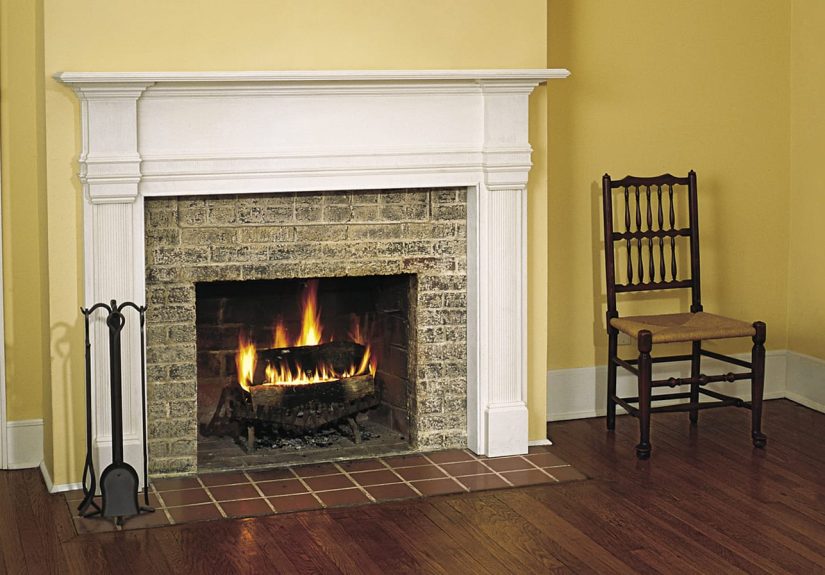
A mantel does more than frame a fireplace. It gives the room a focal point, adds architectural character, and creates a natural place for artwork, candles, seasonal decorations, family photos, or that one vase everyone pretends was not bought on clearance. Whether you are installing a floating wood mantel, replacing an outdated surround, or adding a shelf above a masonry fireplace, the process comes down to planning, safe clearances, solid anchoring, and patient finishing.
This step-by-step guide explains how to install a fireplace mantel safely and neatly, including how to measure, locate studs, install a cleat or bracket, fasten the mantel, and finish the project like someone who definitely did not panic halfway through.
Before You Start: Safety Comes First
Before choosing the prettiest mantel on the internet, check your fireplace type and clearance requirements. A wood mantel is combustible, which means it must be kept a safe distance from the firebox opening. Many building-code references use a basic rule: combustible materials should not be placed within 6 inches of the fireplace opening, and material within 12 inches of the opening is limited in how far it can project. Some factory-built fireplaces have their own tested clearances, so the manufacturer’s manual wins the argument every time.
For practical homeowner safety, keep anything that can burn at least 3 feet away from active heat sources, including fireplaces. If you use a wood-burning fireplace, have the chimney inspected and cleaned annually by a qualified professional. A beautiful mantel is not worth much if the fireplace behind it is not safe to use.
If your fireplace is gas, electric, or factory-built, read the installation manual before drilling. If you do not have the manual, look up the model number or contact the manufacturer. If the fireplace surround is stone, brick, tile, plaster, or concrete, confirm what is structural and what is decorative. Thin veneer does not support weight the way solid masonry or studs do.
Tools and Materials You May Need
Your exact tool list depends on the mantel style and wall surface, but most installations require a tape measure, pencil, painter’s tape, level, stud finder, drill, drill bits, screwdriver or impact driver, mounting cleat or bracket, lag screws, masonry anchors if installing into brick or stone, shims, construction adhesive if recommended by the manufacturer, caulk, wood filler, sandpaper, and paint or stain touch-up supplies.
If you are mounting into masonry, use a masonry bit and the correct anchor type. If you are mounting into studs, use screws or lag bolts long enough to bite securely into the framing. Avoid trusting drywall anchors alone for a heavy mantel. Drywall anchors are fine for a towel hook; a mantel is more like furniture hanging over fire. It deserves better.
Step 1: Choose the Right Fireplace Mantel
There are several common mantel styles. A floating mantel shelf is a single horizontal beam or shelf mounted above the fireplace. It gives a clean, modern look and is often installed with a hidden cleat, metal bracket, or support rods. A full mantel surround includes legs or side pieces and a header shelf, creating a more traditional built-in appearance. A stone or cast mantel can be elegant and substantial, but it is heavier and may require professional installation.
Wood mantels are popular because they are warm, versatile, and relatively easy to customize. MDF mantels are smooth and paint-friendly, but they must still meet clearance requirements if used around a working fireplace. Reclaimed beams add rustic charm, though they can be heavy and irregular, so test-fitting and leveling are extra important.
When choosing a mantel, consider the width of the fireplace opening, the surrounding wall space, ceiling height, and room style. A mantel that is too small can look timid; a mantel that is too large can make the fireplace look like it is wearing shoulder pads from the 1980s. A common design approach is to choose a mantel wider than the firebox opening but proportionate to the entire fireplace wall.
Step 2: Measure the Fireplace and Plan the Height
Start by measuring the width and height of the fireplace opening. Then measure the total available wall space around the fireplace. Mark the centerline of the firebox using painter’s tape or a pencil. This centerline becomes your best friend, especially when the brick pattern, tile joints, or old-house walls try to trick your eyes.
Next, determine the mantel height. The final height must satisfy the fireplace manufacturer’s clearance rules or local code requirements. Many homeowners prefer the mantel shelf somewhere around eye level, but safety matters more than design preference. If the mantel projects far from the wall, it may need to sit higher above the fireplace opening.
Use a level to draw a light reference line where the top or mounting bracket will sit. Step back and look at it from across the room. If the fireplace is slightly uneven, level the mantel to the room rather than blindly following a crooked masonry joint. The human eye forgives a quirky brick line more easily than a mantel that slopes like a ski jump.
Step 3: Locate Studs or Confirm Masonry Support
If your fireplace wall is drywall over framing, locate the studs with a stud finder. Mark the center of each stud across the mantel width. A strong installation should usually connect to at least two studs, and longer or heavier mantels benefit from more attachment points.
If the surface is brick or stone, determine whether you are drilling into solid masonry, veneer, or a framed wall behind the surface. For solid brick, many installers prefer drilling into the brick face rather than mortar because brick often provides better holding strength. However, older brick can be brittle, so go slowly and use the right bit. For stone veneer or tile over drywall, you may still need to reach structural studs or blocking behind the finish surface.
This is the step where patience saves the project. Do not guess where the structure is. A mantel that wiggles on day one will not magically become stronger by Thanksgiving.
Step 4: Dry-Fit the Mantel
Before drilling permanent holes, hold the mantel or mounting cleat in place and dry-fit the layout. Check that the mantel is centered on the firebox, level, and high enough to meet clearance rules. Confirm that it does not interfere with tile edges, uneven stone, fireplace doors, vents, switches, or gas controls.
If you are installing a full mantel surround, assemble the pieces on the floor first according to the manufacturer’s instructions. Make sure the shelf, legs, and header align properly before you put anything on the wall. Dry-fitting may feel like an extra step, but it is much faster than uninstalling a crooked mantel while muttering words your grandmother would not approve of.
Step 5: Install the Mounting Cleat or Bracket
Many floating mantels use a cleat system. A wood cleat is typically fastened to the wall, and the hollow back of the mantel slides over it. Some mantels use a French cleat, where angled pieces lock together. Others use a metal bracket with rods that slide into pre-drilled holes in the mantel.
Hold the cleat or bracket on your reference line. Check it with a level, then mark the fastener holes. If mounting to studs, drill pilot holes first. Pilot holes reduce splitting and make lag screws easier to drive. Fasten the cleat securely into the studs using the hardware recommended for your mantel weight.
For masonry, drill holes with a masonry bit at the marked locations. Insert the appropriate anchors or lag shields, then fasten the bracket or cleat tightly. Keep checking for level as you go. Masonry can be uneven, so shims may be needed behind the cleat to keep the mantel from tilting forward or backward.
Step 6: Attach the Mantel to the Support
Once the cleat or bracket is secure, slide the mantel into place. For a hollow floating mantel, the mantel should fit snugly over the cleat. For a rod-style bracket, align the mantel holes with the rods and gently push the mantel back until it sits flush against the wall.
Some installations call for screws driven through the top, bottom, or face of the mantel into the cleat. Others use set screws or hidden fasteners. Follow the manufacturer’s instructions, especially for heavy wood beams or prefinished mantels. If construction adhesive is recommended, apply it carefully and sparingly. Adhesive can help reduce movement, but it should not be the only thing holding the mantel unless the manufacturer specifically designed it that way.
After the mantel is seated, place the level on top and check again. If it is slightly off, use thin shims before final tightening. Trim any visible shims with a utility knife once everything is secure.
Step 7: Install a Full Mantel Surround
If your project includes legs and a header, the process is slightly different. Start with the side legs, making sure they are plumb and evenly spaced from the fireplace opening. Attach them to blocking, studs, or masonry according to the product instructions. Then set the header or shelf on top and fasten it securely.
Use painter’s tape to mark alignment points before fastening. Check the width at the top and bottom so the surround does not pinch inward or flare outward. Small gaps can be caulked later, but a badly out-of-square surround will always look a little suspicious.
For stone, cast concrete, or marble surrounds, consider hiring a professional installer. These materials are heavy, fragile, and not especially forgiving if dropped. They also often require specialized adhesive, mechanical fastening, and careful support while curing.
Step 8: Fill Gaps and Finish the Edges
Once the mantel is secured, inspect the edges where it meets the wall. Use paintable caulk for small gaps along drywall, tile, or trim. For stained wood, use a matching wood filler or colored wax pencil for small nail or screw holes. Sand lightly if needed, then touch up with paint, stain, or clear finish.
If the mantel is raw wood, finish it before heavy use. A clear polyurethane, hardwax oil, or stain-and-sealer combination can protect the surface from dust, fingerprints, and seasonal decorations. Let finishes cure according to the label before placing objects on the shelf.
Step 9: Decorate Without Creating a Fire Hazard
Decorating the mantel is the fun part, but do not let style bully safety. Avoid hanging fabric, garland, stockings, paper decorations, or dried greenery near an active fireplace. If you use candles, choose enclosed holders and keep them away from combustible decor. Battery-powered candles offer the same cozy glow without the tiny open flame trying to start a side career.
Keep heavy items secure and balanced. Large mirrors or framed art above the mantel should be attached to wall studs or proper anchors, not simply leaned against the wall if children, pets, or enthusiastic party guests are around.
Common Mistakes to Avoid When Installing a Fireplace Mantel
Ignoring Clearance Rules
The biggest mistake is treating the mantel like ordinary wall decor. A fireplace produces heat, sparks, and rising air temperatures. Always follow local code and manufacturer clearance requirements.
Using Weak Anchors
A mantel can be heavy even before you add decorations. Drywall anchors alone are usually not enough for a substantial wood shelf. Anchor into studs, blocking, solid masonry, or a properly rated bracket system.
Skipping the Level
Fireplace surrounds are often uneven, especially in older homes. Use a level throughout the project. Your eyes may say, “Looks fine.” The level may say, “Absolutely not.” Trust the level.
Drilling Without Checking What Is Behind the Wall
Walls can hide wires, pipes, gas lines, and old framing surprises. If you are unsure what is behind the surface, stop and investigate before drilling. A small delay is better than turning your simple mantel project into an emergency repair.
When to Call a Professional
A confident DIYer can install many mantel shelves, but some situations call for help. Hire a professional if the mantel is very heavy, the fireplace is factory-built and the manual is missing, the wall surface is stone veneer over unknown framing, the mantel needs structural blocking, or local code requirements are unclear.
You should also call a chimney or fireplace professional if you notice damaged masonry, smoke stains, cracks, loose brick, unusual odors, poor draft, or signs of water damage. Installing a mantel should improve the room, not cover up a fireplace problem.
Real-World Experience: What Installing a Fireplace Mantel Teaches You
Installing a fireplace mantel is one of those projects that rewards slow thinking. The first lesson is that measuring once is not enough. Measure the firebox, measure the wall, measure the mantel, then measure again after coffee. Fireplaces are not always centered on walls, and older homes often have surfaces that are charmingly imperfect, which is a polite way of saying “not square.” A mantel that looks centered to the brick may not look centered to the room, so step back often and judge the whole wall.
The second lesson is that the mounting system matters more than the mantel itself. A gorgeous reclaimed wood beam can look magazine-worthy, but if the bracket is weak or poorly anchored, the finished result will feel unstable. During a real installation, the most satisfying moment is not when the mantel slides into place; it is when you gently tug on it and nothing moves. That quiet little test is the DIY version of applause.
Another experience worth sharing: masonry drilling takes patience. Brick and stone do not always respond like lumber. The drill may wander, the bit may heat up, and dust will appear everywhere, including places dust has no business visiting. Mark holes carefully, use the correct bit, keep the drill steady, and do not force it. If the anchor hole becomes too large, the fastener may not grip properly. That is when a “quick project” starts writing jokes at your expense.
Finishing is also where many projects go from homemade to handsome. A thin bead of caulk along the wall, filled screw holes, light sanding, and a clean finish can make the mantel look built-in. Rushing this part is like baking a cake and refusing to frost it. Technically complete, emotionally disappointing.
Finally, the best mantel installations balance strength, safety, and style. It is tempting to think only about the finished photo: the mirror, the greenery, the cozy glow. But the hidden work behind the mantel is what makes that pretty picture safe. Good installation is not flashy. It is level lines, solid anchors, correct clearance, and a mantel that stays exactly where you put it. That is the kind of home improvement victory you can enjoy every time you walk into the room.
Conclusion
Installing a fireplace mantel can transform a plain fireplace into the centerpiece of your living room, family room, or bedroom. The project is approachable for many homeowners, but it deserves careful planning. Start with safety clearances, choose a mantel that fits your fireplace and room, locate solid support, install the cleat or bracket correctly, and take your time with finishing details.
The secret is not fancy equipment or professional-level carpentry magic. It is patience, accurate measuring, and respect for fire safety. Do those things well, and your new mantel will look intentional, feel sturdy, and give your room that warm, finished look everyone loves. Plus, you get bragging rights every time someone says, “Nice mantel.” Just try not to answer too quickly with, “Thanks, I installed it myself.” Wait at least three seconds. Be classy.