Table of Contents >> Show >> Hide
- Why Pallet Swing Beds Are a Pinterest Favorite
- Planning Your Modified Pallet Swing Bed
- Materials and Tools You’ll Need
- Step-by-Step: Build a Pinterest-Inspired Pallet Swing Bed
- Fun Ways to Customize Your Pallet Swing Bed
- Keeping Your Pallet Swing Bed in Great Shape
- Common Mistakes to Avoid
- Real-Life Experiences with a DIY Pallet Swing Bed
- Final Thoughts
If you’ve ever opened Pinterest “just to look for one idea” and resurfaced three hours later with
an entire backyard makeover pinned, this project is for you. One of the most-loved DIYs across
Pinterest and Hometalk is the pallet swing bed: part hammock, part daybed, all lazy-afternoon
perfection. It’s affordable, adaptable, and looks like something straight out of a boutique beach
resort.
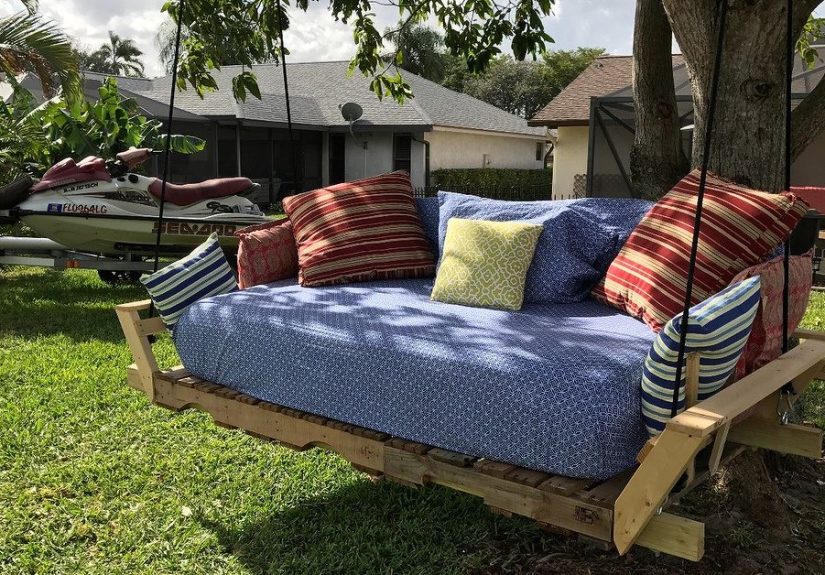
DIY bloggers have shown that with a few reclaimed pallets, basic hardware, and some safety-minded
planning, you can build a sturdy hanging bed sized for a twin mattress and customize it with arms,
a backrest, or even a pergola frame overhead.
Why Pallet Swing Beds Are a Pinterest Favorite
Pallet projects are big online for good reason: shipping pallets are often free or low-cost, they
upcycle lumber that might otherwise be discarded, and they’re already pre-framed into strong
rectangles. Turn that rectangle into a hanging platform and you’ve got a swing bed that:
- Uses inexpensive or reclaimed materials.
- Fits a standard mattress or outdoor cushion.
- Can be painted, stained, or left rustic to match your porch or garden style.
- Works under a covered porch, in a pergola, or between sturdy beams or branches.
Tutorials from DIY sites like The Merry Thought, Grillo Designs, and Owner-Builder Network all
follow the same basic recipe: build a strong pallet platform, attach hardware rated for human
weight, and hang it securely from structural supports using chain or heavy rope.
Planning Your Modified Pallet Swing Bed
Pick the Perfect Spot
Before you grab a saw, decide where your pallet bed will live. The structure above it must be
strong enough to hold at least 400–600 pounds (bed + people + motion). That usually means
load-bearing porch joists, a solid pergola frame, or a very healthy tree branch. Swing-hanging
guides from outdoor furniture brands recommend fastening into 2×6 (or larger) joists, not just
thin ceiling boards or decorative trim.
Choose the Right Size
Most DIYers design their pallet swing beds around a standard twin mattress (about 38 × 75 inches)
or a thick outdoor cushion. One popular tutorial uses two pallets plus a 12-inch center extension
to reach an 80-inch length, perfect for stretching out with a book.
Measure your space so the swing can move without hitting railings, walls, or people walking by. A
comfortable clearance is at least 18–24 inches behind and in front of the bed’s travel path.
Think Safety First
A pallet swing bed looks casual, but it should be built like real furniture. Many professional
tutorials recommend:
- Using heavy-duty through-bolted eye bolts with washers and lock nuts.
- Hanging hardware directly into joists or beams (never just sheathing or drywall).
- Keeping the seat height about 17–19 inches off the ground for easy sitting and standing.
Home improvement guides from big-box stores echo the same advice: drill pilot holes, use rated
hardware, and double-check all connections before anyone flops dramatically onto your new swing.
Materials and Tools You’ll Need
Exact supplies will vary based on your design, but most modified pallet swing beds use:
- 2–3 sturdy wood pallets (heat-treated, not chemically treated whenever possible).
- Extra 2×4 lumber for reinforcing the frame or extending the length.
- A twin mattress, outdoor daybed cushion, or layered foam covered with outdoor fabric.
- Heavy-duty chain or weight-rated rope (check the load rating per strand).
- Four galvanized eye bolts (often 1/2 × 6 inches) plus washers, lock washers, and nuts.
- Screw hooks or eye bolts for the ceiling or overhead frame.
- Carabiners or quick links to connect chain to hardware easily.
- Outdoor-grade screws, wood glue, and metal corner brackets as needed.
- Orbital sander and sandpaper (60–120 grit) to tame rough pallet boards.
- Exterior paint, stain, or sealant for weather protection.
- Drill, drill bits, measuring tape, level, and safety gear.
Step-by-Step: Build a Pinterest-Inspired Pallet Swing Bed
Step 1: Prep and Inspect Your Pallets
Start by checking each pallet for cracked boards, loose nails, or suspicious stains. Sand
everything thoroughly; most DIYers aim for “barefoot safe” since this will function more like a
bed than a work platform. The Sorry Girls and other makers recommend removing any weak boards and
replacing them with new 2×4 pieces before you go further.
Step 2: Modify the Pallet Frame
Here’s where you can really riff on the original Pinterest idea. To create a frame that fits your
mattress:
- Lay out two pallets end-to-end.
- Cut additional pallet boards or 2×4 offcuts to extend the length or fill gaps.
- Use long screws and construction adhesive to lock everything together.
Some makers add a “foot extension” for taller loungers or to create a tray-style edge to keep
cushions from sliding off. Others build a low rail around the sides using pallet boards, creating
a crib-like frame that feels secure without blocking the view.
Step 3: Add a Backrest or Armrests (Optional but Awesome)
A classic Hometalk-style modification is to convert the pallet bed into a deep outdoor sofa by
adding a back and armrests. One popular approach is cutting a pallet in half and standing the
halves upright as side arms, then securing them to the base with lag screws and metal brackets.
You can also screw vertical 2×4 posts into the back edge of the bed and run horizontal boards to
form a slatted backrest. Aim for a slight recline (10–15 degrees) for comfort.
Step 4: Sand, Paint, and Seal
Once the frame is assembled, give it a final sanding, then wipe off all dust. Many DIY guides
recommend exterior-grade paint or stain to protect the wood from moisture and sun damage. Some
homeowners go bold with turquoise or sunny yellow; others stick with classic white or a natural
stain for that beach-house look.
Step 5: Install Hardware on the Bed
Flip the frame upside down and mark four hanging points near the corners. Drill straight through
the frame and any 2×4 reinforcements, then insert your eye bolts with washers and lock nuts on
the top side. Lowe’s and porch-swing manufacturers suggest through-bolting instead of using
screw-in eyes for a stronger connection over time.
If you’re using rope, tie secure figure-eight or bowline knots; if you’re using chain, attach it
using quick links or carabiners so you can easily adjust the height later.
Step 6: Hang the Swing from Your Structure
Locate two joists or beams above your chosen spot. Following porch-swing guidelines, place
ceiling eye bolts or hangers about the same width as your bed or slightly narrower, and roughly
2.5–3 feet from the nearest wall or post for a smooth swing.
Pre-drill pilot holes to avoid splitting the wood, then screw or bolt the hangers into the
joists. Clip your chain or rope into the ceiling hardware, attach the other end to the bed, and
adjust until the mattress platform sits level and roughly chair height above the floor.
Before calling it done, test the swing gradually. Sit on it alone, then with another person,
gently bouncing to make sure nothing shifts or creaks in a worrying way.
Fun Ways to Customize Your Pallet Swing Bed
Add a Pergola or Stand
Not blessed with a covered porch? Several DIY features and Pinterest boards show pallet swing beds
built into their own freestanding pergola stands. These frames use 4×4 posts and crossbeams to
support the chains and give you a place to hang string lights, planters, or outdoor curtains.
Play with Color and Texture
The pallet bed itself is just the canvas. Layer on:
- Weather-resistant cushions in bold prints.
- Striped or patterned outdoor rugs underneath.
- Throw blankets for chilly evenings.
- Mix-and-match pillows with different textures (canvas, faux linen, woven patterns).
Many Hometalk and Pinterest examples feature neutral wood with wildly colorful textilesa smart
combo because you can refresh the look every season without repainting the frame.
Kid-Friendly Modifications
If you know kids will be using the swing, consider:
- Adding a partial safety rail around the back and sides.
- Keeping the swing lower to the ground than an adult-height bench.
- Using outdoor fabric that’s easy to wipe or hose off.
Some DIYers even build a “pallet hammock” variationmore like a cocooned platform with higher
sidesfor extra security.
Keeping Your Pallet Swing Bed in Great Shape
Pallet wood is tough, but it still needs care:
- Re-seal or re-stain the wood every couple of years, especially in harsh climates.
- Check chains, rope, and hardware seasonally for rust, fraying, or loosening.
- Store cushions indoors when not in use to prevent mildew.
- After heavy storms or snow, inspect the structure before using the swing again.
Many outdoor DIY blogs recommend a quick visual check every time you sit downif something looks
off or you hear new noises, pause the lounging and tighten or replace hardware before swinging
again.
Common Mistakes to Avoid
-
Undersized hardware. Eye screws meant for picture hanging are not going to cut
it. Use hardware rated for porch swings or hammocks, and don’t skimp on chain thickness. -
Hanging from finish boards instead of structure. Always locate joists, beams,
or solid posts with a stud finder or by probing with small pilot holes. -
Skipping the sanding step. Pallets are rough. Your skin and your outdoor
fabrics will thank you for smoothing things out. -
Overloading the swing. Check the working load limits of your rope or chain and
design for more weight than you think you’ll need. -
Ignoring clearance. A gorgeous swing that smacks the railing every time you
move is going to get annoying fast.
Real-Life Experiences with a DIY Pallet Swing Bed
Scroll through Hometalk and Pinterest and you’ll spot a theme: once people build a pallet swing
bed, it quietly becomes the most fought-over “seat” in the house. Homeowners report kids turning
it into a pirate ship, teens claiming it as their reading nook, and grown-ups sneaking out with
coffee before anyone else wakes up.
The first surprise many DIYers mention is just how solid the bed feels when it’s properly
reinforced. A pallet by itself can be a bit wobbly, but once you add 2×4 bracing through the
center and bolt everything together, the platform behaves more like a conventional daybed frame.
Combine that with through-bolted eye bolts and heavy chain, and the swing has a reassuring,
grounded feel even as it moves.
Another common experience: the project tends to grow. Someone starts with a simple platform swing
and, a few weekends later, there’s a mini outdoor living room. After seeing how comfortable the
pallet bed is, people add side tables, potted plants, a small outdoor rug, and string lights
overhead. One DIYer described their finished porch as “part campsite, part coffee shop, part
nap-zone”and that’s exactly the energy a swing bed brings.
Builders also talk about learning curves. The first time you drill into a ceiling joist or hang a
heavy object overhead, it’s normal to feel nervous. That’s why following the same safety
strategies used in porch-swing and daybed tutorialspilot holes, heavy hardware, double washers,
and gradual testingmakes such a difference in confidence. After a weekend of cautious measuring
and adjusting, most folks end up far more comfortable working with structural elements than they
expected.
On the comfort side, people quickly realize the cushioning is worth a little splurge. A thin
mattress will “bottom out” once you add a couple of loungers, while a thicker foam pad with a
durable cover keeps its shape. Several homeowners swap in twin memory-foam mattresses with
washable outdoor slipcovers for a plush feel that still survives spilled lemonade and the
occasional popsicle incident.
There are a few honest confessions, too. Some DIYers admit they underestimated how much kids would
push and twist the swing, so they later added side rails or lowered the overall height. Others
found that placing the swing too close to a corner or doorway led to awkward traffic jams on the
porch. The solutions are simplemove the bed a bit, limit the arc of the swing, or add a “gentle
swinging only” rulebut it’s helpful to know these small tweaks are normal.
Many people say the pallet swing bed changed how they actually use their outdoor space. Instead of
just walking through the yard, they now plan movie nights with a laptop and string lights,
weekend naps with a fan humming nearby, and quiet phone calls from their “floating office.” The
swing becomes a cue to slow downan invitation to put the phone down (after you’ve posted the
obligatory Pinterest-worthy photo, of course) and just enjoy the breeze.
If you’re the kind of person who loves checking off steps on a tutorial, this project will scratch
that itch. If you’re more of a “let’s see what happens if we add a cup holder here” improviser,
there’s plenty of room for creativity, too. Either way, the common experience from people who’ve
built one is the same: they wish they’d done it sooner.
Final Thoughts
A pallet swing bed, especially a modified version inspired by Pinterest and Hometalk, is one of
those rare DIY projects that looks impressive, feels luxurious, and doesn’t require a contractor-level
budget. With careful planning, strong hardware, and a little patience, you can transform humble
pallets into a floating lounge that instantly upgrades your porch or garden.
So grab your measuring tape, rescue a few pallets from the waste stream, and turn those saved pins
into a real-life outdoor retreat. Your future selfnapping in the shade, gently swaying, and
wondering why you ever sat in a regular chairwill be very grateful.