Table of Contents >> Show >> Hide
- Why Use a Paint Sprayer for Shutters?
- What You’ll Need
- Step 1: Decide Whether to Remove the Shutters
- Step 2: Clean Like You Mean It
- Step 3: Sand for Adhesion (Not for Drama)
- Step 4: Prime Only Where It Makes Sense
- Step 5: Set Up a Spraying Area That Won’t Wreck Your Sanity
- Step 6: Configure the HomeRight Sprayer (The Make-or-Break Moment)
- Step 7: Spray Technique That Looks Professional
- Weather and Timing: Paint Has Opinions
- Drying vs. Curing: Don’t Rush the “Put It Back” Moment
- Common Spray Problems and How to Fix Them
- Cleanup: The Step That Protects Your Sprayer (and Your Future Mood)
- Conclusion
- My Hands-On Experience: 500+ Words of What I Learned the Hard Way (So You Don’t Have To)
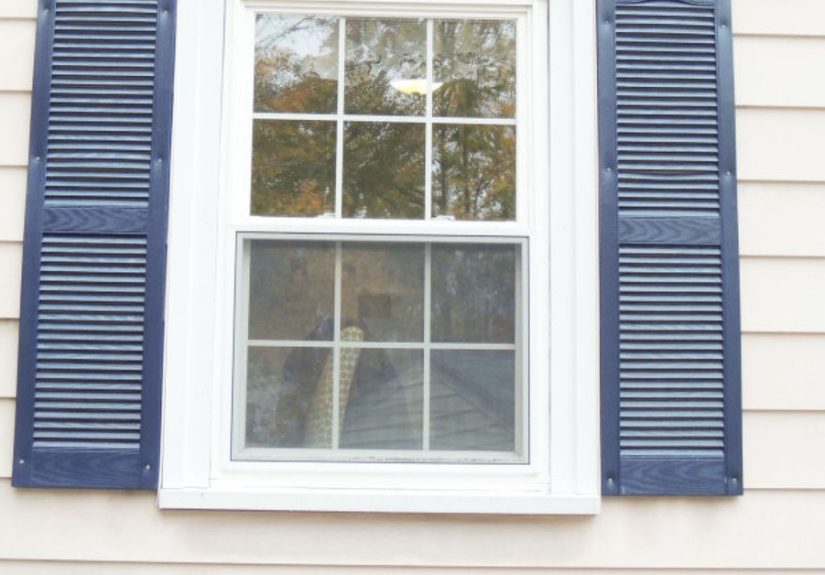
Shutters are basically the eyebrows of your house. If they’re sun-faded, chalky, or peeling, your whole exterior can look a little… permanently concerned.
The good news: painting shutters is one of the fastest ways to level-up curb appeal without taking out a second mortgage (or learning how to make perfect trim lines with a brush while crying).
In this guide, I’ll walk you through how I painted my shutters using a HomeRight paint sprayer (HVLP style), including what actually matters: prep that lasts,
sprayer setup that doesn’t spit angry polka-dots, and a finish that looks smooth instead of “windblown oatmeal.”
Why Use a Paint Sprayer for Shutters?
Shutters are full of edges, louvers, corners, and tiny shadowy crevices that seem custom-built to collect drips. A sprayer can make the job faster and more even,
especially when you’re painting multiple shutters in one session.
Sprayer perks (aka: why your brush might get benched)
- Smoother finish: Less brush-mark drama on flat panels and frames.
- Faster coverage: Once you’re set up, you can move quickly from shutter to shutter.
- Better for louvers: Spraying can reach angles that brushes love to miss.
Sprayer trade-offs (because the universe loves balance)
- Prep is non-negotiable: Spraying does not hide dirt, chalk, or flaky paint. It highlights it like a spotlight.
- Overspray is real: You’ll want drop cloths, wind awareness, and some respect for nearby objects.
- Cleaning matters: The finish is only as good as your cleanup habits.
What You’ll Need
Tools & supplies
- HomeRight paint sprayer (HVLP-type)
- Exterior paint (typically acrylic latex in satin or semi-gloss)
- Primer (as needed: bonding primer for plastic/vinyl; exterior primer for bare wood)
- Cleaner (mild detergent + water)
- Scrub brush or sponge
- Sandpaper (180–220 grit) or a sanding sponge
- Drop cloths, painter’s tape, masking paper/plastic
- Stir sticks, paint strainer/filter, funnel
- Sawhorses or a simple drying rack setup
- Protective gear: eye protection, gloves, and an appropriate mask/respiratory protection
Step 1: Decide Whether to Remove the Shutters
You can paint shutters while they’re still on the house, but removing them usually gets a cleaner finish and reduces the chance of overspray on siding, brick, trim,
and anything else you’d rather not “accidentally decorate.”
My rule of thumb
- Remove them if you want the best finish (especially with a sprayer).
- Leave them on if they’re fragile, hard to access, or you can mask like a pro.
If you remove them, label them. A simple numbering system on the back (and a quick photo) can save you from playing “Where does this one go?” later.
Step 2: Clean Like You Mean It
Exterior shutters collect pollen, dust, chalky oxidation, and mystery grime from the atmosphere’s long-running experiment called “weather.”
Paint sticks best to clean surfacesso this step is not optional.
- Rinse with a hose (or wipe down with water if you’re working indoors).
- Scrub with mild detergent + water.
- Rinse again thoroughly.
- Let them dry completely.
If your shutters are vinyl or plastic and feel chalky (powdery residue on your hand), keep cleaning until that chalk is minimizedotherwise you’re painting over a weak layer.
Step 3: Sand for Adhesion (Not for Drama)
You’re not trying to sand them down to bare material unless the paint is failing. You’re simply scuffing the surface so primer/paint can grip.
Quick sanding guidance
- If the old paint is solid: Light scuff sand with 180–220 grit.
- If paint is peeling or cracking: Scrape/sand until edges are smooth and stable.
- If shutters are glossy: Scuffing helps your coating bond instead of sliding off like it’s avoiding commitment.
After sanding, remove dust (a damp cloth or tack cloth works well). Dust is basically “anti-adhesion confetti.”
Step 4: Prime Only Where It Makes Sense
Primer isn’t always required, but skipping it when you actually need it is how paint jobs turn into “Why is it peeling already?” group chats.
When to prime
- Bare wood: Prime to seal and improve adhesion.
- Raw or difficult plastic/vinyl: Use a bonding primer designed for those surfaces.
- Major color change: Primer (sometimes tinted) can help coverage and uniformity.
- Stains/tannin bleed: Use a stain-blocking primer where needed.
Let primer dry as directed. Rushing primer is like putting on shoes before your sockstechnically possible, almost always regrettable.
Step 5: Set Up a Spraying Area That Won’t Wreck Your Sanity
A calm setup makes spraying easier and cleaner. You want stable shutters, controlled airflow, and enough room to move your arm without doing a weird “spray tango.”
Simple, effective setup
- Lay shutters flat on sawhorses or a work table protected with drop cloths.
- Elevate shutters slightly (wood blocks or small screws through scrap strips) so edges are easier to spray.
- Avoid windy days outdoors. Indoors, ventilate well and protect surrounding surfaces.
Step 6: Configure the HomeRight Sprayer (The Make-or-Break Moment)
HomeRight HVLP sprayers give you control over spray pattern and material flow. The goal is a consistent, even fan that lays down thin coats without runs.
Choose the right tip set and air cap
Many HomeRight setups include multiple tip sizes. For latex paint, a mid-size tip is typically your starting point. For larger or thicker material (like some primers),
a larger tip can help flow without excessive thinning. Use the “fine” pattern option when you want tighter control for shutter faces and frames.
Strain and stir your paint
Strain old paint and stir slowly. Straining reduces clogs and spitting; slow stirring helps avoid bubbles that can turn into texture.
Do you need to thin the paint?
Always follow the paint manufacturer’s guidance first. With HVLP, some exterior latex paints may need a small amount of thinning to atomize properly.
If you do thin, do it gradually, measure what you add, and re-test your spray pattern. The goal isn’t “watery”it’s “sprays evenly without orange peel or sputtering.”
Practice first (seriously)
Practice spraying water on cardboard/newspaper to get comfortable. Adjust flow and pattern until the fan is even. This is how you avoid learning on your actual shutters.
(Your shutters did nothing wrong. They deserve better.)
Step 7: Spray Technique That Looks Professional
Smooth spraying is mostly muscle memory. Once you do it right a few times, you’ll feel the difference immediately.
Distance and angle
- Hold the sprayer about 10–12 inches from the surface for many HVLP shutter applications.
- Keep the sprayer perpendicular to the surface to avoid heavy edges and uneven coverage.
Start moving before you spray
Begin your pass slightly off the edge of the shutter, squeeze the trigger while moving, then release after passing the opposite edge.
This prevents heavy spots at the start/stop points.
Overlap each pass
Overlap each stroke by about one-third to one-half of the spray pattern. That overlap helps you avoid striping and thin patches,
especially around louvers and frame edges.
Spray order for shutters (my favorite sequence)
- Edges first: Quick pass around the perimeter.
- Louvers: Angle slightly so you get coverage under the lips without flooding them.
- Face/frame: Even passes, top-to-bottom.
Coats: thin beats thick
Plan on two coats for most shutter projects. Thin coats reduce runs and dry more evenly.
If you’re covering a bold color change, a third light coat can be better than one heavy coat.
Weather and Timing: Paint Has Opinions
Exterior paint is picky about temperature, humidity, direct sun, and wind. If it’s too hot, paint can dry too fast and struggle to level.
If it’s too humid, drying slows down and the finish can suffer. Try to paint when conditions are mild, dry, and calmoften mid-morning or late afternoon.
If you can, avoid spraying in strong wind (overspray + debris = heartbreak). And keep an eye on rain in the forecast so your fresh coat gets time to dry.
Drying vs. Curing: Don’t Rush the “Put It Back” Moment
Paint can feel dry to the touch and still be soft underneath. Give shutters enough time to dry between coats and enough time to firm up before reinstalling.
This reduces sticking, fingerprints, and surprise texture from leaning them against something “just for a second.”
Common Spray Problems and How to Fix Them
Runs and sags
- Cause: Too much paint, too close, moving too slowly.
- Fix: Reduce flow, increase speed, keep distance consistent, and apply thinner coats.
Orange peel (bumpy texture)
- Cause: Paint too thick, spraying too far away, or drying too fast in heat/sun.
- Fix: Test a slightly adjusted viscosity (per paint label guidance), move a bit closer, and spray when conditions are calmer.
Dry spray (dusty look)
- Cause: Spraying too far away or not overlapping enough.
- Fix: Move closer, overlap passes more, and keep the sprayer square to the surface.
Sputtering or spitting
- Cause: Clogged tip/nozzle, paint chunks, or air in the pickup system.
- Fix: Strain paint, clean the tip/nozzle, confirm the pickup tube is seated, and re-test on cardboard.
Cleanup: The Step That Protects Your Sprayer (and Your Future Mood)
Clean the sprayer promptly after use. Dried paint inside a sprayer is basically glue with a marketing degree.
Flush the system with the appropriate solution (often warm soapy water for latex) until it runs clear, then disassemble and clean key parts like the pickup tube,
air cap components, and nozzle area. Let everything dry thoroughly before reassembly and storage.
A cleanup habit that pays off
If you take care of cleanup immediately, the next project starts with “plug-and-play” energy instead of “why is it coughing paint confetti?”
Conclusion
Painting shutters with a HomeRight paint sprayer is one of those DIY wins that looks way more expensive than it isif you respect the prep, practice your pattern,
and spray thin coats with consistent technique. Clean thoroughly, let paint dry properly, and you’ll end up with shutters that look crisp, smooth, and confidently
attached to a house that no longer looks like it’s squinting.
My Hands-On Experience: 500+ Words of What I Learned the Hard Way (So You Don’t Have To)
The first thing I learned is that a sprayer doesn’t magically make you “good at spraying.” It makes you fastand being fast is only helpful when you’re also consistent.
My best decision was practicing with water on cardboard until the pattern looked even. That little warm-up session saved me from doing “live testing” on an actual shutter,
which is a great way to create modern art titled Unexpected Drips at Sunset.
The second lesson: prep is the real flex. I used to think people overreacted about cleaning, but shutters prove them right. Once I scrubbed off the dust and chalky residue,
the paint laid down smoother and looked more uniform. When I skipped a corner (just one!), the sprayer didn’t hide itit highlighted it like a neon sign that said,
“Hello, I am leftover grime and I live here now.” If your shutters are older vinyl, that chalkiness is especially sneaky, so I took extra time wiping and rinsing until my cloth
stopped coming away dusty.
Third: thin coats are not optional. Shutters have angles that love to collect paint. The moment you try to “get full coverage in one pass,” your louvers start forming runs
that dry into hardened little teardrops of regret. Two lighter coats gave me a cleaner finish than one heavy coat ever could. I also realized that spraying edges first makes
the whole job easier. Once edges are covered, you can focus on the face without chasing missed lines and shadowy spots around the frame.
Fourth: conditions matter more than my optimism. On a warm, breezy day, overspray can drift, and paint can dry too quickly on the surfaceespecially in direct sun.
I got better results when I worked during calmer parts of the day and avoided blasting paint onto a shutter that felt hot to the touch. When the air was still and the surface
was cooler, the finish leveled better and looked smoother. It felt less like “spraying” and more like “laying down a controlled, even coat.” That’s the sweet spot.
Fifth: cleanup is a lifestyle choice. The one time I thought, “I’ll clean it later,” I discovered that “later” means “now you’re scrubbing dried paint out of tiny parts with the focus of a scientist.”
Flushing the sprayer right away and then cleaning the pickup tube and nozzle parts thoroughly kept everything working the next time. The sprayer behaved better, the pattern stayed more consistent,
and I didn’t have to troubleshoot sputtering that was 100% caused by yesterday’s laziness.
Final takeaway: a HomeRight sprayer can absolutely deliver a professional-looking shutter finishif you treat the project like a system. Clean, scuff, prime when needed,
practice your spray pattern, apply thin coats, respect weather, and clean up like you want your sprayer to remain your friend. Do that, and your shutters stop looking tired
and start looking intentionallike you planned the whole curb appeal glow-up on purpose.