Table of Contents >> Show >> Hide
- Why Oven-Fried Chicken Works (And Why Yours Might Not Have)
- Quick Recipe Snapshot
- Ingredients for Crispy Oven Fried Chicken
- Equipment You’ll Want (No Fancy Stuff Required)
- Step-by-Step: The Best Oven Fried Chicken Recipe
- 1) Marinate the Chicken (Optional, But Worth It)
- 2) Preheat Like You Mean It
- 3) Toast the Breadcrumbs (Crunch Insurance Policy)
- 4) Mix the Breading
- 5) Bread the Chicken
- 6) Bake Until Crispy and Cooked Through
- 7) Optional: Flip for Extra Even Browning
- 8) Rest Before Serving (Yes, Even Though It’s Hard)
- How to Get It Extra Crispy (Without Deep Frying)
- Seasoning Variations (So It Never Gets Boring)
- Serving Ideas That Make It Feel Like a Meal
- Make-Ahead, Storage, and Reheating
- Oven Fried Chicken Troubleshooting
- FAQ: Oven Fried Chicken Recipe
- Conclusion
- Real-Life Kitchen Experiences (The Kind You Learn the Crunchy Way)
Craving fried chicken but not the deep-fryer smell, the oil splatter, or the “why is my stovetop wearing grease lipstick?”
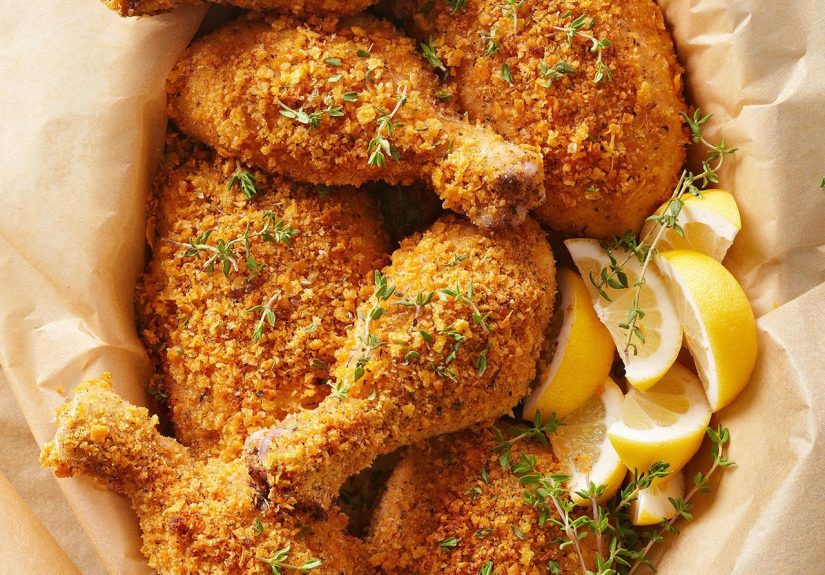
This Oven Fried Chicken Recipe is the crispy, juicy compromise your weeknight (and your kitchen) deserves.
You get crackly, seasoned coating and tender chickenwithout babysitting a pot of hot oil.
The secret is simple: a well-seasoned breading, a little fat (but not a swimming pool of it), and high heat that
browns the outside while the inside stays moist. If you’ve ever baked “breaded” chicken and ended up with a sad,
pale crust that tastes like regretdon’t worry. This method is built to avoid that.
Why Oven-Fried Chicken Works (And Why Yours Might Not Have)
Traditional fried chicken gets crisp because hot oil rapidly dehydrates and browns the coating. In the oven, we
recreate that effect with a few smart tricks:
- Hot oven + preheated pan or rack: instant sizzle contact helps start browning immediately.
- A bit of fat in the coating: butter or oil helps mimic frying and boosts color.
- Dry coating + proper spacing: steam is the enemy of crunch, so we keep airflow high.
- Seasoning in layers: flavor in the chicken, in the dredge, and in the crustno bland surprises.
Quick Recipe Snapshot
- Prep time: 20 minutes (plus optional marinating time)
- Cook time: 35–50 minutes (depends on cut)
- Total time: about 1 hour (or longer if marinating)
- Yield: 4–6 servings
- Best for: bone-in thighs/drumsticks, or boneless thighs
Ingredients for Crispy Oven Fried Chicken
Chicken
- 2 to 2 1/2 pounds chicken pieces (bone-in thighs and drumsticks are ideal)
- 1 1/2 teaspoons kosher salt (plus more to taste)
- 1 teaspoon black pepper
- 1 teaspoon garlic powder
- 1 teaspoon paprika (smoked paprika if you want extra “cookout energy”)
Marinade (Recommended for Juiciness)
- 1 1/2 cups buttermilk
- 1 tablespoon hot sauce (optional, but highly encouraged)
Breading
- 1 1/2 cups panko breadcrumbs (for maximum crunch)
- 1/2 cup all-purpose flour
- 1 1/2 teaspoons baking powder (helps the coating get craggy and crisp)
- 1 teaspoon onion powder
- 1 teaspoon paprika
- 1/2 teaspoon cayenne (optional)
- 1 teaspoon kosher salt
- 1/2 teaspoon black pepper
Fat for “Fried” Flavor
- 4 tablespoons unsalted butter, melted (or 3–4 tablespoons neutral oil)
- Optional: cooking spray for touch-ups
Equipment You’ll Want (No Fancy Stuff Required)
- Large baking sheet
- Wire rack (recommended for airflow and even crisping)
- Mixing bowls
- Tongs
- Instant-read thermometer (the easiest way to avoid dry chicken)
Step-by-Step: The Best Oven Fried Chicken Recipe
1) Marinate the Chicken (Optional, But Worth It)
Pat the chicken dry, then season it lightly with salt, pepper, garlic powder, and paprika.
Place it in a bowl or zip-top bag with buttermilk and (optional) hot sauce.
Refrigerate for at least 30 minutes, or up to 12 hours. The buttermilk tenderizes and helps the coating cling.
2) Preheat Like You Mean It
Heat the oven to 425°F. If you’re using a baking sheet without a rack, slide it into the oven to preheat.
A hot surface jumpstarts browning. If using a wire rack on a baking sheet, you can still preheat the whole setup.
3) Toast the Breadcrumbs (Crunch Insurance Policy)
In a bowl, toss the panko with melted butter until the crumbs look evenly moistened.
This step is a game-changer: it boosts browning so the coating turns golden instead of “beige and disappointed.”
4) Mix the Breading
Add flour, baking powder, onion powder, paprika, cayenne (if using), salt, and pepper to the buttery panko.
Stir well so the seasonings are evenly distributed. Nobody wants a spicy bite followed by a bland one.
5) Bread the Chicken
Lift chicken out of the buttermilk, letting excess drip off (don’t wipe it dry).
Press each piece firmly into the breading mixture, coating all sides. Use your hands to pack it onthis is how you get
those crispy, craggy bits that taste like the good part of fried chicken.
6) Bake Until Crispy and Cooked Through
Carefully place the chicken on the hot rack/baking sheet, leaving space between pieces.
Bake at 425°F until the coating is deep golden and the chicken reaches a safe internal temperature:
- Bone-in thighs/drumsticks: 40–50 minutes
- Boneless thighs: 25–30 minutes
- Boneless breasts: 20–28 minutes (watch closely to avoid dryness)
For best results, aim for 165°F in the thickest part (and for dark meat, many cooks prefer closer to
175–190°F for a more tender bite).
7) Optional: Flip for Extra Even Browning
If you’re not using a wire rack, flip the chicken about halfway through.
If you are using a rack, flipping is optionalairflow usually does the job.
8) Rest Before Serving (Yes, Even Though It’s Hard)
Rest the chicken for 5–10 minutes. The juices settle, the crust sets, and you avoid the tragedy of “all the moisture
left the chat” when you cut too soon.
How to Get It Extra Crispy (Without Deep Frying)
- Use panko: It’s lighter and crunchier than fine breadcrumbs.
- Don’t overcrowd: Crowding traps steam and softens the crust.
- Choose a rack: Air circulation reduces sogginess on the bottom.
- Butter/oil matters: Coating needs fat to brown properly in the oven.
- Finish with a quick broil: 1–2 minutes at the end can deepen colorwatch like a hawk.
Seasoning Variations (So It Never Gets Boring)
Classic Southern-Style
Add 1 teaspoon dried thyme and 1/2 teaspoon dried oregano to the breading.
Serve with mashed potatoes and gravy and pretend you’re in a comfort-food documentary.
Spicy Oven Fried Chicken
Increase cayenne to 1 teaspoon and add a pinch of chili powder. For heat lovers, brush baked chicken with a mix of
melted butter and hot sauce right before serving.
Lemon-Pepper
Add 1 teaspoon lemon zest to the breading and double the black pepper.
Serve with a simple salad and a smug sense of freshness.
Gluten-Free Option
Swap flour for a gluten-free all-purpose blend and use gluten-free panko or crushed rice cereal.
The method stays the samecrunch still happens.
Serving Ideas That Make It Feel Like a Meal
- Coleslaw (creamy or vinegar-based)
- Biscuits or cornbread
- Roasted green beans or Brussels sprouts
- Mac and cheese
- Pickles and a simple dipping sauce (honey mustard, ranch, or spicy mayo)
Make-Ahead, Storage, and Reheating
Make-Ahead
You can marinate the chicken up to 12 hours ahead. If you want to prep even more, mix the breading earlier in the day and
store it covered at room temperature.
Storage
Refrigerate leftovers in an airtight container for up to 3–4 days.
For best texture, store chicken on a paper towel-lined plate or container to absorb moisture.
Reheating (Crisp-Friendly)
- Oven: 375°F for 12–18 minutes on a rack until hot and crisp.
- Air fryer: 350–370°F for 6–10 minutes (depending on piece size).
- Microwave: Works in an emergency, but the crust will go softlike a sweater in the rain.
Oven Fried Chicken Troubleshooting
“My coating isn’t browning.”
Make sure your oven is truly at 425°F, your crumbs are mixed with butter/oil, and the chicken isn’t crowded.
If needed, lightly mist the top with cooking spray halfway through baking.
“It’s crispy but the chicken is dry.”
Use an instant-read thermometer and pull chicken as soon as it hits temperature.
Consider switching to thighs/drumsticks (more forgiving), and don’t skip the buttermilk marinade.
“The bottom is soggy.”
Use a wire rack or preheat the baking sheet. Also, avoid letting breaded chicken sit too long before bakingmoisture
softens the crust.
FAQ: Oven Fried Chicken Recipe
Can I use boneless chicken?
Yes. Boneless thighs stay juicier than breasts, but both work. Just reduce bake time and check temperature early.
Do I really need buttermilk?
It helps a lot, but you can substitute with milk mixed with a splash of lemon juice or vinegar.
You can also use plain yogurt thinned with water.
What’s the best cut for beginners?
Bone-in thighs and drumsticks. They’re flavorful, forgiving, and stay moist even if you bake a few minutes longer.
Is this healthier than deep-fried chicken?
Generally, yesoven-fried chicken uses significantly less oil than traditional frying.
You still get that satisfying crunch, just with a lighter touch.
Conclusion
A great Oven Fried Chicken Recipe isn’t about pretending baked chicken is deep-fried chickenit’s about
using oven-friendly techniques to get real crispness and real flavor. With a buttermilk soak, a seasoned panko coating,
and high heat, you’ll serve chicken that crunches loudly enough to announce itself. Pair it with something fresh, something
creamy, or something starchy, and you’ve got a dinner that feels like a win (without a fryer cleanup hangover).
Real-Life Kitchen Experiences (The Kind You Learn the Crunchy Way)
If you’ve ever tried making oven-fried chicken, you already know it’s a recipe with a personality. Many home cooks start
with high hopes, a bowl of breadcrumbs, and a vague memory of fried chicken perfectionthen wonder why the crust looks pale
or why the bottom is mysteriously soft. That’s not failure; that’s the learning curve doing its thing. One of the most common
“aha” moments people report is realizing that crispiness is a system, not a single step. It’s the temperature, the fat,
the spacing, and even the mood your oven is in that day (kiddingmostly).
A big experience-based lesson: the wire rack is the quiet hero. Plenty of cooks try baking breaded chicken directly on a
pan and end up with a crust that’s crunchy on top and kind of… steamed on the bottom. Switching to a rack often feels like a
cheat code, because it lets air circulate around the chicken and keeps the underside from turning into a soft spot. If you
don’t have a rack, preheating the pan is the next best “I learned this the hard way” tiphot metal helps start browning
right away so you’re not just drying breadcrumbs for 45 minutes.
Another common experience: people underestimate how much flavor the coating needs. Oven-fried chicken doesn’t get the same
flavor boost from hot oil as traditional fried chicken, so seasoning becomes extra important. Many cooks find that seasoning
only the breading isn’t enough; you want flavor in the chicken itself (a simple salt-and-spice pre-seasoning), plus a
well-seasoned coating. Once someone tries layering seasoning, they rarely go backbecause suddenly the chicken tastes like
“fried chicken energy,” not “breadcrumb jacket.”
Then there’s the “panko discovery.” It’s pretty common to start with regular breadcrumbs and end up with a crust that’s fine,
but not thrilling. The first time someone swaps to panko (especially when tossed with melted butter), it’s often the moment
oven-fried chicken becomes a repeat recipe instead of a one-time experiment. The coating gets lighter, crunchier, and more
goldencloser to that satisfying bite people expect. Some cooks even keep panko on hand just for this recipe, like a
crispy emergency fund.
Finally, there’s the thermometer moment. A lot of people grew up judging doneness by time alone, but chicken is notorious for
being “almost perfect” and then suddenly dry. Home cooks who start using an instant-read thermometer tend to describe it as
a confidence boost: you’re no longer guessing, cutting into pieces, or hoping the middle is cooked. It’s especially helpful
when you switch cuts (boneless thighs vs. bone-in drumsticks) or when your chicken pieces are different sizes. In real kitchens,
that one tool can mean the difference between “This is amazing!” and “It’s fine… pass the sauce.”
The best part of these shared experiences is that oven-fried chicken rewards small improvements quickly. Add a rack, raise the
heat, butter the crumbs, avoid overcrowding, and check temperatureeach change makes the next batch better. Before long,
you’ll have your own signature version: maybe spicier, maybe extra garlicky, maybe finished with a quick broil for maximum
crunch. And when someone asks for the recipe, you’ll get to say the most satisfying sentence in home cooking:
“It’s oven-fried… but trust me.”