Table of Contents >> Show >> Hide
- Why the BILLY Bookcase Is the MVP of DIY Built-Ins
- Before You Buy Anything: Plan Like a Person Who Doesn’t Want to Cry Later
- Materials and Tools: What You Actually Need (and What’s Nice to Have)
- How to Build DIY Built-Ins with BILLY Bookcases (Step-by-Step)
- 1) Prep the wall: remove or work around baseboards
- 2) Build a base platform (toe-kick) so it looks like cabinetry
- 3) Assemble the BILLY units and test-fit your lineup
- 4) Level and secure: no wobbles allowed
- 5) Hide the gaps: filler strips, seam covers, and the “one unit” illusion
- 6) Add baseboard and crown molding to match the room
- 7) Fill, caulk, sand: the unglamorous step that makes it look expensive
- Painting BILLY Built-Ins So They Don’t Peel, Chip, or Look “DIY in a Bad Way”
- Design Upgrades That Take Your IKEA Built-Ins from “Nice” to “Seriously?”
- Cost Reality Check: What DIY BILLY Built-Ins Usually Run
- Common Mistakes (and How to Fix Them Without Starting Over)
- FAQ: Quick Answers Before You Grab a Cart (and a Hot Dog)
- Conclusion: The Built-In Look Without the Built-In Budget
- Real-World “BILLY Built-In” Experiences (the stuff people wish they knew earlier)
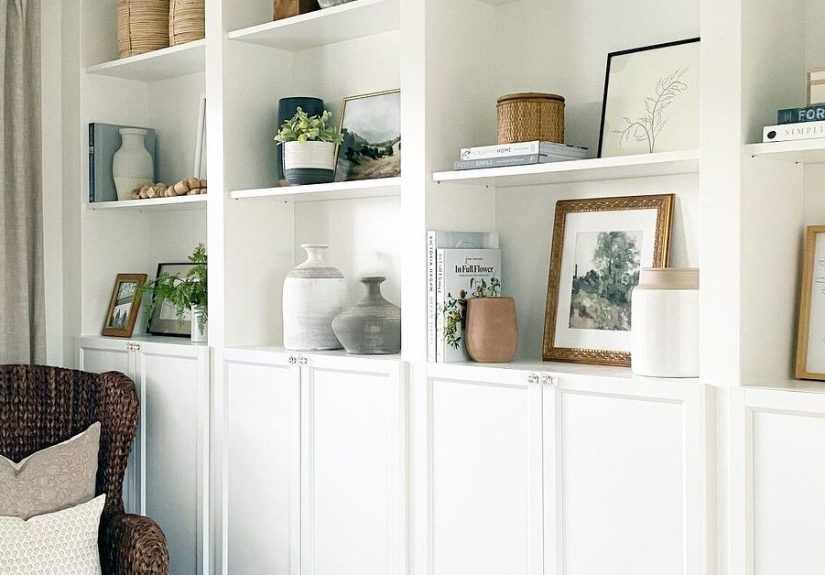
Built-ins are the design equivalent of showing up to a potluck with homemade lasagna: everyone assumes you have your life together. The only problem? Real custom built-ins often cost “new roof” money. Enter the IKEA BILLY bookcaseaka the world’s most unbothered, budget-friendly rectangleready to cosplay as high-end millwork with a little trim, paint, and confidence.
This guide breaks down how to turn plain BILLY bookcases into a wall of gorgeous DIY built-in shelves that look intentional, architectural, and suspiciously expensive. We’ll cover planning, materials, step-by-step construction, paint prep that actually holds up, and design upgrades (yes, including fancy lighting and “I read classic literature” styling).
Why the BILLY Bookcase Is the MVP of DIY Built-Ins
The reason the IKEA BILLY built-in hack is so popular is simple: BILLY units are modular, predictable, and easy to combine into a “one big custom thing” illusion. They’re tall enough to feel architectural, shallow enough not to swallow your room, and flexible enough to handle everything from a home library wall to an office backdrop.
What makes BILLY so hackable?
- Consistent sizing: predictable widths and heights make layout math doable (even if you “don’t do math”).
- Adjustable shelves: mix books, baskets, and decor without committing to one shelf height forever.
- Add-ons exist: height extensions, doors (including glass options), extra shelves, and corner/narrow pieces depending on the lineup.
- Budget-friendly base: you’re paying for the skeletonthen customizing the “designer” part yourself.
Translation: if you can assemble flat-pack furniture and operate a caulk gun without turning your living room into a modern art exhibit, you can build faux built-ins that look remarkably real.
Before You Buy Anything: Plan Like a Person Who Doesn’t Want to Cry Later
DIY built-ins live or die in the planning phase. The goal is a tight, seamless fit that looks like it was born in your house. The enemy is “random gaps” and “why does this lean like it’s tired.”
Step 1: Measure the wall (then measure it like you don’t trust yourself)
- Wall width: measure at the floor, mid-wall, and near the ceiling (homes love being slightly crooked).
- Ceiling height: measure at multiple points; ceilings also enjoy being quirky.
- Baseboards + crown: decide whether you’ll remove baseboards behind the units or build around them.
- Obstacles: outlets, vents, light switches, cable jacks, radiators, and that one mystery bump in the drywall.
Step 2: Choose your “built-in look” level
There’s a spectrum here: Simple (BILLY + trim + paint) all the way to Full send (base cabinets, face frames, lighting, doors, crown molding, and a ladder you’ll use exactly twice). Decide early, because it affects cost, tools, and complexity.
Step 3: Pick a layout that looks custom on purpose
Some layouts practically guarantee the built-in vibe:
- Wall-to-wall library: multiple BILLYs side by side, trimmed as one continuous unit.
- Symmetry moment: pairs on both sides of a fireplace or TV.
- Office power wall: shelves up top + closed storage down low.
- Reading nook frame: units on either side with a bench in the center.
Pro tip: if your wall width isn’t an exact match for your BILLY lineup, that’s not a failureit’s your opportunity to use filler strips and trim to make everything look intentional. Custom builders do this all the time. You’re just doing it with slightly more snack breaks.
Materials and Tools: What You Actually Need (and What’s Nice to Have)
Core materials
- BILLY bookcases (and optional height extension units)
- 2x4s or plywood for a base platform (toe-kick)
- Shims (your best friend when floors are not level)
- Wood screws + appropriate wall anchors (ideally into studs)
- MDF or primed pine trim (baseboard, casing, crown, and seam covers)
- Wood filler, caulk, sandpaper
- Primer + paint (more on choosing the right primer below)
Tools
- Drill/driver + bits
- Stud finder
- Level (a long level is a flex, but a useful one)
- Miter saw (or have trim cut at the store, then fine-tune as needed)
- Brad nailer (optional, but makes trim faster and cleaner)
- Caulk gun
- Utility knife + pry bar (for baseboard removal, if doing that)
How to Build DIY Built-Ins with BILLY Bookcases (Step-by-Step)
The classic BILLY bookcase built-in hack is really three projects in a trench coat: structure, seam hiding, and finishing. Do them in that order and you’ll get the “wow, those are built-ins?” reaction.
1) Prep the wall: remove or work around baseboards
For the most seamless built-in look, remove the baseboard where the units will sit so the bookcases can go flush to the wall. If you’re not removing baseboards (common in rentals), plan to use a backer strip or scribe a filler piece so the front face stays aligned.
2) Build a base platform (toe-kick) so it looks like cabinetry
Most professional built-ins sit on a base. Copy that trick. Build a simple rectangular platform out of 2x4s (or plywood) that’s slightly smaller than the footprint of your bookcases. Anchor the base into the floor/wall where appropriate, then shim until it’s dead level.
This step does three magical things: it hides uneven floors, adds “furniture weight,” and creates the toe-kick shadow line that reads like real millwork.
3) Assemble the BILLY units and test-fit your lineup
Assemble each bookcase according to the instructions. Before you start trimming, place everything on the base platform and do a full dry fit. Check spacing, check clearance around outlets, and make sure doors (if you’re adding them) can swing freely.
4) Level and secure: no wobbles allowed
Built-ins should feel like they’re part of the housemeaning they should not move when you give them a gentle shake. Shim under and behind units as needed, then:
- Attach units to each other (through the side panels, pre-drilling to avoid damage).
- Anchor to wall studs using appropriate brackets/screws for safety.
If you have kids, pets, or you live in an area where “the earth occasionally does a little dance,” anchoring isn’t optional. It’s the difference between “beautiful built-ins” and “headline I don’t want.”
5) Hide the gaps: filler strips, seam covers, and the “one unit” illusion
Even perfectly placed bookcases will have small gapsespecially at walls and ceilings. That’s normal. The built-in look comes from covering those transitions:
- Side gaps: add vertical filler strips (wood/MDF) scribed to the wall if needed.
- Between bookcases: cover seams with thin MDF strips or trim to make it read as one continuous piece.
- Top gap: build a simple soffit/fascia (a horizontal panel) or use stacked trim + crown molding.
This is also where you can “bulk up” the look by adding a face-frame style trim around the whole front. It makes the unit feel custom and less like a set of separate boxes standing in a line, waiting for a group photo.
6) Add baseboard and crown molding to match the room
Matching existing trim is the fastest way to convince the eye that your shelves have always been there. Install baseboard across the bottom, then finish the top with crown or a clean header detail. If your ceiling isn’t level (spoiler: it probably isn’t), scribing the crown or using a stepped trim build-up can save the day.
7) Fill, caulk, sand: the unglamorous step that makes it look expensive
This is where the transformation happens. Fill nail holes, smooth seams, and caulk any joint where trim meets bookcase or wall. Once dry, sand lightly so everything feels like one surface. Skipping this step is like frosting a cake and then sprinkling it with drywall crumbs.
Painting BILLY Built-Ins So They Don’t Peel, Chip, or Look “DIY in a Bad Way”
Painting IKEA furniture can be tricky because many surfaces are slick and don’t love paint the way raw wood does. The fix is not “more paint.” The fix is prep.
Paint prep that actually works
- Clean first: remove dust, oils, and life choices (especially around handles).
- Scuff sand: you’re not trying to remove materialjust dull the surface so primer can grip.
- Use a bonding primer: this is the secret handshake for slick surfaces.
- Thin, patient coats: two to three light coats beat one thick coat every time.
- Let it cure: “dry” and “cured” are not the same thing. Give it time before loading shelves like a bookstore.
If you’re going for a true built-in effect, paint the trim and the bookcases the same color. For extra depth, paint the wall behind the shelves a slightly different tone (or add wallpaper to the back panels). That’s the kind of subtle detail that makes people squint and say, “Wait… those are IKEA?”
Design Upgrades That Take Your IKEA Built-Ins from “Nice” to “Seriously?”
Closed storage on the bottom
Open shelving is greatuntil you realize you own cords, board games, and random items that aren’t aesthetically pleasing. Adding doors (or combining BILLY uppers with a deeper cabinet base) gives you that high-end “custom library” vibe and hides clutter.
Glass doors for display (without constant dusting anxiety)
Glass-front doors turn shelves into a display cabinet and help everything look calmer. Bonus: you can pretend you’re running a boutique museum of “objects I once impulse-bought.”
Lighting that looks like you planned it
- LED strip lights under shelves for a soft glow
- Puck lights at the top for a gallery feel
- Hidden cable channels so cords don’t ruin the magic
Fancy texture tricks
If you want your built-ins to look custom in a “designer did this” way, add texture: fluted panels, slatted details, cane webbing on doors, or a wallpapered back. Small changes create big visual payoffespecially when everything gets painted as one cohesive unit.
Arches, bridges, and “architectural” moments
A straight wall of shelves is classic. But if you want drama, you can add arched trim, a center “bridge” shelf, or a desk nook. These are the details that transform a basic DIY built-in bookshelf into a feature wall.
Cost Reality Check: What DIY BILLY Built-Ins Usually Run
Your budget depends on how custom you go, but most projects fall into these rough tiers:
- Basic built-in look: bookcases + base + trim + paint
- Mid-level upgrade: plus doors, thicker face trim, nicer molding
- Full custom vibe: plus base cabinets, lighting, specialty panels, hardware
The nice part: you can phase this project. Build the structure now, upgrade with doors and lighting later, and pretend it was always “the plan.”
Common Mistakes (and How to Fix Them Without Starting Over)
“My wall is not straight”
Congratulationsyou live in a real house. Use scribed filler strips, caulk small gaps, and cover bigger ones with trim. The goal is the illusion of perfectly straight lines.
“My floors are uneven”
This is why the base platform + shims exist. Level the base first, then set bookcases on top. If you try to level each bookcase individually on a wonky floor, you’ll invent new swear words.
“Paint is scratching”
Usually this is a prep issue or a curing-time issue. Scuff sand, use a bonding primer, and give paint time to fully cure before heavy useespecially on doors and high-touch areas.
“The seams are still visible”
Add seam-cover strips, use wood filler where needed, sand smooth, and caulk edges. A built-in is basically a masterpiece of hiding things politely.
FAQ: Quick Answers Before You Grab a Cart (and a Hot Dog)
Can I do this in a rental?
Yes, with limitations. Avoid permanently altering baseboards if you can, use reversible trim strategies, and consider freestanding “built-in style” that’s anchored safely but can be removed with minimal patching.
Do I need power tools?
Power tools help, but you can outsource some cuts to a lumber store and use a drill/driver for most of the work. The cleanest results come from precise trim cuts and careful finishing, not necessarily from owning every tool.
Will it hold real books?
Yesespecially when anchored properly and loaded thoughtfully. Keep the heaviest items lower, and don’t treat a single shelf like it’s a forklift.
Conclusion: The Built-In Look Without the Built-In Budget
The secret to stunning IKEA built-in shelves isn’t complicatedit’s intentional planning, a level base, secure anchoring, and finishing work that makes everything read as one cohesive, architectural feature. Start simple if you want, upgrade later if you get ambitious, and remember: trim + caulk + paint can turn almost anything into “custom.” Even a humble BILLY.
Real-World “BILLY Built-In” Experiences (the stuff people wish they knew earlier)
If you’ve ever watched an IKEA hack video and thought, “That looks easy,” you’re not wrong… but you’re also not fully right. The BILLY-to-built-in glow-up has a predictable emotional arc: excitement, optimism, mild confusion, a brief flirtation with chaos, and then the final reveal where you swear you’ll “never do this again” (until the next blank wall looks at you funny).
One of the most common “aha” moments is that the base platform is not optional if you want a pro look. DIYers who skip it often end up fighting uneven floors shelf-by-shelf, which is like trying to balance a stack of pancakes during an earthquake. A leveled base makes every other step easier: the bookcases sit straight, the trim lines up, and your doors (if you add them) stop acting dramatic.
Another frequent lesson: the wall is never as straight as you think. People plan their layout on paper, slide the shelves into place, and then discover a mysterious 3/8-inch gap that appears only on Tuesdays. The fix is almost always the samescribe a filler strip to the wall, cover seams with trim, and caulk the remaining micro-gaps. Once painted, those problem areas vanish like socks in a dryer.
Painting is where experience really shows. The folks who get that smooth, cabinet-like finish usually do three unsexy things: they clean thoroughly, scuff-sand consistently, and use the right primer. The folks who don’t… end up with paint that chips when a paperback brushes past it. The big takeaway: dry time isn’t cure time. Give your finish a real chance to harden before you load the shelves, reinstall doors, or let your cat attempt parkour.
A surprisingly emotional topic is trim choice. Many DIYers start with thin trim because it’s cheaper and easier to cut, then realize thicker trim looks more “real built-in.” The sweet spot tends to be slightly oversized baseboard (to match the room) plus substantial vertical trim between units. That extra thickness hides seams and gives the front face a more custom, furniture-grade presence.
Finally, almost everyone who loves their finished built-ins says the same thing: anchoring is non-negotiable. Even if your setup feels sturdy, attaching the units securely to the wall is what makes them feel permanent and safe. Once everything is locked in, trimmed out, and painted as one unified piece, the transformation is honestly wild like watching a plain white tee turn into a tailored blazer with pockets. And yes, you’ll probably catch yourself casually mentioning your “built-ins” to guests, as if you hired a carpenter named Lars.