Table of Contents >> Show >> Hide
There are meals, and then there are meals that feel like a weighted blanket in a bowl. That is exactly where stews and soups shine. When the weather turns rude, the day runs long, or your stomach starts sending dramatic “feed me something cozy” emails, a simmering pot of soup or stew answers with confidence. It does not need fancy plating. It does not require tiny tweezers or restaurant-level courage. It needs a good pot, honest ingredients, and enough aroma to make everyone in the house wander into the kitchen asking, “What smells so good?”
This guide rounds up nine top-rated recipes for stews and soups to warm your belly, from classic chicken noodle soup to slow-simmered beef stew, creamy tomato soup, lentil soup, chili, chowder, and more. These are the kinds of comfort food recipes that earn repeat status because they are practical, deeply flavorful, and flexible enough for real life. Forgot the celery? The soup will survive. Prefer more garlic? Welcome to the correct side of history.
Below, you will find hearty soup recipes and cozy stew ideas inspired by time-tested cooking methods used by home cooks, recipe developers, and professional kitchens across the United States. Each one includes flavor notes, practical tips, serving ideas, and small upgrades that turn a simple pot into a dinner people remember.
Why Soups and Stews Always Win the Comfort Food Crown
Soups and stews are the overachievers of home cooking. They can be budget-friendly, meal-prep friendly, freezer-friendly, and somehow still taste like you tried much harder than you did. The basic formula is beautifully simple: build a flavorful base, add vegetables, protein or beans, pour in broth or stock, season thoughtfully, and let heat do its patient magic.
The difference between soup and stew usually comes down to texture and liquid. Soups tend to be brothier or smoother, while stews are thicker, heartier, and often cooked slowly until the ingredients become tender and rich. But honestly, nobody at the dinner table is going to file a complaint if your “soup” leans stew-ish. They will be too busy looking for bread to drag through the bowl.
Our 9 Top-Rated Recipes for Stews and Soups
1. Classic Chicken Noodle Soup
Chicken noodle soup is the cardigan of the recipe world: familiar, warm, and always appropriate. A great version starts with a savory base of onion, carrot, and celery cooked until fragrant. Add chicken broth, shredded chicken, herbs, and noodles, then simmer until everything tastes like it belongs together.
The best chicken noodle soup has balance. The broth should be flavorful but not salty, the noodles should be tender but not mushy, and the chicken should stay juicy. Rotisserie chicken works beautifully for a fast weeknight version, while bone-in chicken creates a deeper homemade flavor if you have extra time.
Flavor tip: Add a squeeze of lemon juice right before serving. It wakes up the broth and keeps the soup from tasting flat. Fresh parsley or dill also brings a bright finish.
Serve it with: Saltine crackers, buttered toast, or a simple green salad. If someone is feeling under the weather, serve it in a big mug and let the steam do half the emotional work.
2. Slow-Simmered Beef Stew
Beef stew is not fast food, and that is exactly the point. This is a low-and-slow comfort recipe built on tender chunks of beef, carrots, potatoes, onions, garlic, and a rich broth that thickens into something deeply satisfying.
The secret to a memorable beef stew is browning the meat before simmering. That browned crust creates serious flavor, and the little bits left on the bottom of the pot become liquid gold once broth is added. Use beef chuck for best results because it becomes tender with slow cooking instead of drying out.
Flavor tip: Stir in tomato paste before adding broth. Let it cook for a minute or two to deepen the flavor. A splash of Worcestershire sauce can also add savory depth without making the stew taste like anything specificjust better.
Serve it with: Crusty bread, mashed potatoes, or egg noodles. This is the kind of dish that makes people say, “I’m full,” and then mysteriously return for “just one more spoonful.”
3. Creamy Tomato Soup with Grilled Cheese Croutons
Tomato soup is proof that simple ingredients can still cause applause. Start with sautéed onions and garlic, add crushed tomatoes and broth, then simmer until the flavors mellow. Blend until smooth and finish with cream, half-and-half, or a drizzle of olive oil for richness.
For a playful twist, cut grilled cheese sandwiches into cubes and float them on top like tiny golden life rafts. Suddenly, a childhood classic becomes a dinner-party-friendly bowl of nostalgia. It is cozy, cheerful, and just fancy enough to pretend you planned it all along.
Flavor tip: If the tomatoes taste too acidic, add a small pinch of sugar or a grated carrot while simmering. Fresh basil, oregano, or a pinch of red pepper flakes can also change the personality of the soup.
Serve it with: Grilled cheese croutons, garlic bread, or a basil pesto swirl. Tomato soup also pairs well with a crisp salad if you want balance, or extra cheese if you want happiness.
4. Hearty Lentil Soup
Lentil soup is the quiet champion of hearty soup recipes. It is affordable, nutritious, filling, and surprisingly flavorful when treated with care. Brown or green lentils hold their shape nicely, while red lentils break down into a softer, creamier texture.
A strong lentil soup begins with aromatics like onion, carrot, celery, and garlic. Add cumin, thyme, bay leaf, smoked paprika, or curry powder depending on the flavor direction you want. Lentils cook faster than many dried beans, making this a practical weeknight soup.
Flavor tip: Finish with vinegar or lemon juice. That tiny hit of acidity lifts the earthy lentils and makes the whole pot taste more complete. It is the culinary equivalent of turning on a lamp in a cozy room.
Serve it with: Warm pita, cornbread, brown rice, or a spoonful of yogurt. For extra heartiness, add spinach, kale, sausage, or diced sweet potatoes.
5. Butternut Squash Soup
Butternut squash soup is smooth, naturally sweet, and elegant enough for holidays but easy enough for regular Tuesday survival. Roasting the squash first gives it a caramelized flavor that boiling simply cannot match. Once roasted, blend it with broth, sautéed onion, garlic, and warm spices.
This soup can go savory, spicy, or slightly sweet. Add ginger for brightness, curry powder for warmth, coconut milk for creaminess, or sage for a classic fall flavor. It is also one of the best soups for make-ahead cooking because the flavor often improves after a day in the fridge.
Flavor tip: Top with toasted pumpkin seeds, crispy sage, chili oil, or a swirl of cream. Creamy soups love texture, and crunchy toppings keep each bite interesting.
Serve it with: A turkey sandwich, roasted vegetables, sourdough toast, or a fall salad with apples and nuts.
6. White Chicken Chili
White chicken chili is what happens when soup, stew, and chili decide to share a very successful group project. It is creamy, lightly spicy, and packed with chicken, white beans, green chiles, onion, garlic, and warm spices like cumin and oregano.
Unlike traditional beef chili, white chicken chili has a lighter color and a slightly tangy finish, especially if you add sour cream, cream cheese, or Greek yogurt. It is hearty without being heavy, which makes it perfect for game day, busy weeknights, or “I need leftovers that do not taste sad” lunches.
Flavor tip: Mash some of the beans before adding them to the pot. This thickens the chili naturally without requiring flour or cornstarch.
Serve it with: Tortilla chips, avocado, shredded cheese, cilantro, lime wedges, and jalapeños. Let everyone build their own bowl, because toppings are where personalities reveal themselves.
7. New England-Style Clam Chowder
Clam chowder is creamy, briny, and deeply comforting. A classic New England-style version includes clams, potatoes, onion, celery, broth, and dairy. The result is thick but spoonable, rich but not gluey, and full of coastal flavor even if you are eating it hundreds of miles from the ocean.
The key is not to overcook the clams. Add them near the end so they stay tender. Potatoes help thicken the chowder naturally, while a little bacon can add smoky depth. If you prefer a lighter chowder, use milk instead of heavy cream or combine the two.
Flavor tip: Add clam juice for a stronger seafood flavor. A bay leaf and a few sprigs of thyme also make the broth taste more developed.
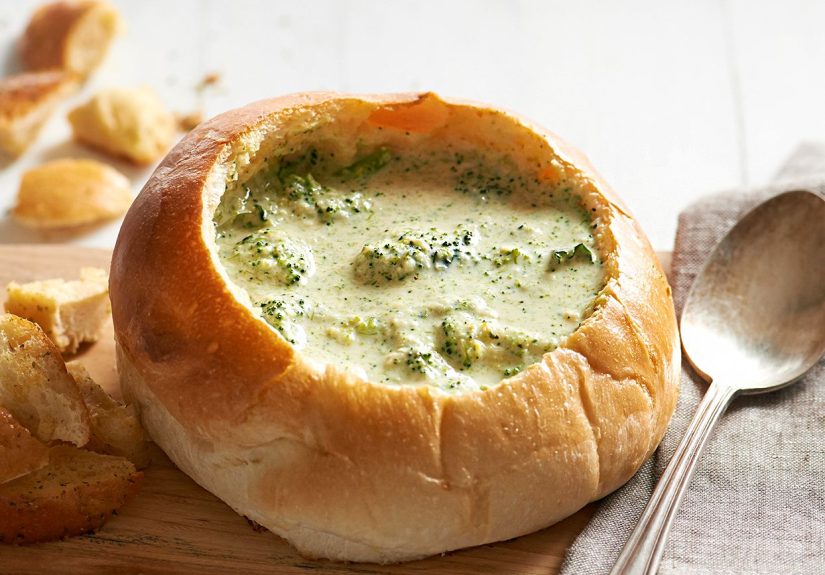
Serve it with: Oyster crackers, sourdough bread bowls, or a simple side of roasted asparagus. Chowder is not shy, so keep the sides straightforward.
8. Vegetable Barley Soup
Vegetable barley soup is rustic, nourishing, and wonderfully chewy thanks to pearled barley. It is a great recipe for using up vegetables hanging around in the fridge, including carrots, celery, mushrooms, zucchini, cabbage, green beans, and tomatoes.
Barley adds body and makes the soup feel substantial without needing meat. It also absorbs broth as it sits, so leftovers may thicken overnight. That is not a problem; just add more broth when reheating and pretend you are a soup professional. Very convincing.
Flavor tip: Brown mushrooms before adding liquid. They bring a savory, almost meaty flavor that gives vegetable soup more depth.
Serve it with: Parmesan toast, whole-grain rolls, or a sharp cheddar sandwich. For extra protein, stir in white beans or shredded chicken.
9. Spicy Sausage and Bean Stew
Spicy sausage and bean stew is bold, satisfying, and ideal for nights when a delicate little soup simply will not do. Start with smoked sausage, Italian sausage, or chicken sausage, then add onion, garlic, peppers, beans, tomatoes, broth, and herbs. Simmer until the flavors become rich and slightly smoky.
This stew is flexible. Cannellini beans make it creamy, kidney beans add firmness, and black beans bring an earthy flavor. Add kale or spinach near the end for color and freshness. A pinch of red pepper flakes gives heat without turning dinner into a dare.
Flavor tip: Deglaze the pot after browning the sausage. The browned bits at the bottom are packed with flavor, and broth or tomato juice will pull them into the stew.
Serve it with: Cornbread, rice, garlic toast, or a spoonful of sour cream. This is a sturdy bowl for hungry people, cold nights, and anyone who believes dinner should have a little attitude.
How to Make Any Soup or Stew Taste Better
Build Flavor in Layers
Great soups and stews rarely happen by dumping everything into a pot at once and hoping for applause. Start by cooking aromatics in oil or butter. Onion, garlic, celery, carrots, peppers, and spices all become more flavorful when they have a little time in the pot before the liquid arrives.
If you are cooking meat, brown it first. If you are using tomato paste, let it darken slightly. If you are adding dried spices, stir them into the fat for a few seconds to bloom their flavor. These small steps create a deeper, more rounded result.
Season Slowly and Taste Often
Soup changes as it simmers. Liquid reduces, ingredients soften, and salt levels can become stronger. Season in stages instead of all at once. Taste near the end and adjust with salt, pepper, lemon juice, vinegar, herbs, or a small amount of sweetness if needed.
One of the most common reasons homemade soup tastes dull is not a lack of effort; it is a lack of acid. A splash of vinegar, lemon juice, lime juice, or even pickle brine can brighten a whole pot. Use a light hand, taste, and adjust.
Use Texture Like a Pro
Texture matters. A creamy soup becomes more exciting with toasted seeds, croutons, herbs, or crispy bacon. A chunky stew feels more balanced with fresh parsley or sliced scallions. A bowl of chili becomes instantly more fun with tortilla chips, cheese, and lime.
Think of toppings as the final scene in a movie. You could skip them, but why miss the part that makes everyone smile?
Storage and Reheating Tips for Soups and Stews
Soups and stews are excellent for leftovers, but they should be cooled and stored properly. Divide large batches into shallow containers so they cool faster, then refrigerate once they are no longer steaming heavily. Most cooked soups and stews taste best within three to four days when refrigerated, while many freeze well for longer storage.
When reheating, warm soups and stews thoroughly. Add extra broth or water if they have thickened in the fridge. Cream-based soups should be reheated gently to help prevent separating. Pasta soups may absorb liquid overnight, so cook noodles separately if you are planning for several days of leftovers.
Personal Kitchen Experiences: What These Soups and Stews Teach You
Cooking soups and stews at home teaches patience in the most delicious way. The first time you make beef stew, you may be tempted to rush it. The meat looks cooked, the carrots look ready, and your stomach is making speeches. But then you wait another 30 minutes, and the whole pot changes. The beef softens, the broth thickens, and suddenly dinner tastes like it has a family history.
One of the best experiences with soup is learning how forgiving it can be. A chicken noodle soup can handle extra carrots. Lentil soup can welcome spinach. Tomato soup can survive a little too much garlic, and frankly, some of us would argue that “too much garlic” is a rumor invented by people who fear joy. Unlike baking, where measurements can feel like tiny legal contracts, soup gives you room to adjust.
Another lesson is that leftovers are not a punishment. Some stews actually taste better the next day because the flavors have had time to settle in and become friends. White chicken chili thickens beautifully overnight. Sausage and bean stew becomes richer. Vegetable barley soup turns into something almost risotto-like unless you loosen it with broth, which is not a mistake; it is just lunch taking creative direction.
Soup also has a way of bringing people into the kitchen. A pot simmering on the stove creates a kind of household gravity. Someone will lift the lid. Someone will ask when it is ready. Someone will “taste for seasoning” with a spoon that looks suspiciously like a small serving. This is part of the charm. Soups and stews are not precious foods. They invite participation, adjustment, and second helpings.
There is also real satisfaction in turning simple ingredients into something generous. A few onions, some beans, broth, vegetables, and spices can become a hearty meal. A leftover chicken can become soup for a crowd. A squash that looked decorative yesterday can become dinner tonight. This is why stews and soups remain top-rated comfort food recipes: they make abundance out of ordinary things.
After making enough of them, you start developing instincts. You learn that bay leaves are subtle but useful, that smoked paprika can rescue a quiet pot, that lemon juice belongs near the finish line, and that noodles should not be left unattended unless you enjoy soup with pasta pillows. You learn which bowls hold heat, which bread is best for dipping, and which family member will steal all the crispy toppings if you turn your back.
Most importantly, these recipes remind us that food does not need to be complicated to be memorable. A warm bowl at the right moment can feel like a reset button. It can soften a cold evening, stretch a grocery budget, feed unexpected guests, or make a regular weeknight feel cared for. That is the real magic of soups and stews: they are practical comfort, served one ladle at a time.
Conclusion
The best stew and soup recipes are the ones you return to again and again because they work. Classic chicken noodle soup comforts without trying too hard. Beef stew brings slow-cooked richness. Tomato soup delivers nostalgia with a creamy twist. Lentil soup, squash soup, white chicken chili, clam chowder, vegetable barley soup, and spicy sausage bean stew each bring something different to the table.
Together, these nine top-rated recipes for stews and soups prove that cozy cooking does not need to be complicated. With smart seasoning, good texture, and a little patience, a humble pot can become the most popular place in the kitchen. Add bread, bring a spoon, and prepare for the kind of meal that warms your belly and improves your moodno fuzzy socks required, though they are strongly encouraged.
Note: This article is written in original, web-ready HTML body format and synthesized from real cooking knowledge, common recipe best practices, and reputable U.S. food guidance without adding source-link clutter.