Table of Contents >> Show >> Hide
- Why This Orzo Salad Works So Well
- Ingredients for Orzo Salad with Grape Tomatoes, Feta, and Mint
- How to Make It
- Tips for the Best Pasta Salad Texture and Flavor
- Easy Variations to Try
- When to Serve Orzo Salad with Grape Tomatoes, Feta, and Mint
- Make-Ahead and Storage Advice
- Why This Recipe Earns a Spot in Your Rotation
- Kitchen Stories and Real-Life Experiences with This Orzo Salad
- SEO Tags
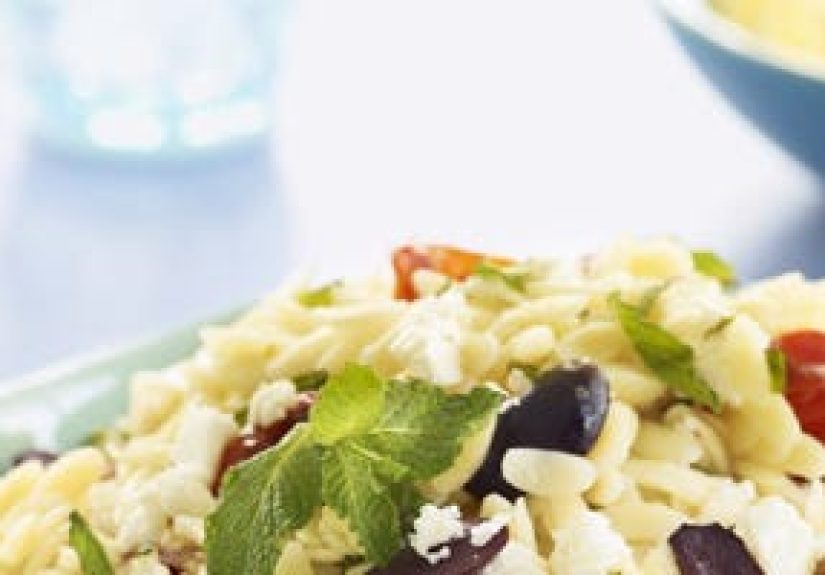
Some pasta salads are lovable but forgettable. They show up at the cookout, wave politely from the corner of the table, and taste mostly like refrigerator air and mayonnaise regret. This orzo salad with grape tomatoes, feta, and mint is not that kind of pasta salad. This one arrives dressed like it has plans. It is bright, tangy, herby, salty in the best way, and packed with juicy little tomatoes that burst like tiny flavor balloons in every bite.
If you are looking for an easy summer pasta salad that feels a bit more polished than the usual backyard bowl of mystery macaroni, this recipe is your answer. Orzo gives the dish a lighter, more elegant texture than chunkier pasta shapes, while feta adds creamy brininess and fresh mint keeps everything tasting cool and lively. The result lands somewhere between a Mediterranean side dish and the lunch you smugly look forward to all morning.
Better yet, this salad fits into real life. It works for picnics, meal prep, brunch tables, potlucks, and those evenings when turning on the stove feels emotionally dramatic but boiling pasta still seems acceptable. It can be a side, a light main course, or a very persuasive excuse to eat something straight from the mixing bowl while standing in front of the fridge. No judgment here. Pasta salad has always understood us.
Why This Orzo Salad Works So Well
The magic starts with orzo, the tiny rice-shaped pasta that behaves beautifully in salads. Because the pieces are small, every forkful grabs a little bit of everything: a juicy tomato half, a crumble of feta, a fleck of mint, a slick of lemony dressing. You do not get the dreaded “all pasta, no personality” bite. Every spoonful tastes balanced.
Then there is the flavor structure. Grape tomatoes bring sweetness and acidity. Feta cheese brings salt and creaminess. Fresh mint adds lift and surprise. Lemon juice and olive oil tie it all together with a dressing that is simple, clean, and sharp enough to wake up the whole bowl. A little garlic and red onion deepen the flavor, while black pepper keeps things from getting too polite.
This is also the kind of dish that gets better as the ingredients mingle. Give it a little rest, and the orzo absorbs the dressing, the tomatoes soften slightly, and the mint perfumes the entire salad. It is pasta salad with chemistry. Delicious, low-stakes chemistry.
Ingredients for Orzo Salad with Grape Tomatoes, Feta, and Mint
For the salad
- 1 pound dry orzo pasta
- 2 cups grape tomatoes, halved
- 6 ounces feta cheese, crumbled or cut into small cubes
- 1/3 cup finely chopped fresh mint
- 1/4 cup finely chopped flat-leaf parsley
- 1/4 cup very thinly sliced red onion
- 1 small cucumber, diced (optional, but excellent)
- 2 tablespoons toasted pine nuts or sliced almonds (optional for crunch)
For the lemon dressing
- 1/3 cup extra-virgin olive oil
- 3 tablespoons fresh lemon juice
- 1 teaspoon lemon zest
- 1 small garlic clove, finely grated or minced
- 1 teaspoon Dijon mustard
- 1/2 teaspoon dried oregano
- 1/2 teaspoon kosher salt, plus more to taste
- 1/2 teaspoon freshly ground black pepper
These ingredients create a classic Mediterranean pasta salad profile without turning the bowl into a full produce parade. You can absolutely add olives, chickpeas, roasted red peppers, or arugula if that is your style, but the core version shines because it stays focused. Tomatoes, feta, mint, lemon, done. A strong cast does not need forty supporting actors.
How to Make It
1. Cook the orzo properly
Bring a large pot of well-salted water to a boil and cook the orzo until al dente according to the package directions. You want it tender but not mushy. Pasta salad has enough problems in this world without soggy noodles joining the conversation.
Drain the orzo well. You can either let it cool slightly and toss it with a bit of the dressing while still warm, or cool it for a colder, more distinct salad texture. Both methods work. The important part is not letting it sit in a clumpy, sad heap.
2. Make the dressing
In a large bowl, whisk together the olive oil, lemon juice, lemon zest, garlic, Dijon mustard, oregano, salt, and black pepper. Taste it. It should be bright and punchy because the pasta will soften the flavor once everything is tossed together. If it tastes a little intense on its own, congratulations, you are probably right on target.
3. Build the salad
Add the drained orzo to the bowl with the dressing and toss so every little piece gets coated. Fold in the grape tomatoes, red onion, cucumber if using, parsley, and most of the mint. Add the feta last so it stays chunky instead of vanishing into salty confetti.
4. Let it rest
Set the salad aside for 15 to 20 minutes before serving, or chill it for up to a few hours. This is where the flavor settles in and the whole bowl stops tasting like separate ingredients that were recently introduced. Save a little mint and feta for the top so it looks fresh and restaurant-smart.
5. Taste and adjust
Right before serving, taste again. Add more lemon juice if it needs brightness, more olive oil if it feels dry, or another pinch of salt and pepper if the flavors seem sleepy. Pasta salad is not difficult, but it does reward that one last check-in. Think of it as a tiny performance review for your vinaigrette.
Tips for the Best Pasta Salad Texture and Flavor
Use good feta. A block of feta usually gives you a creamier texture and a cleaner, brinier taste than the ultra-dry pre-crumbled kind. If you can crumble it yourself, your salad will thank you with better texture and fewer chalky moments.
Choose ripe grape tomatoes. Since the recipe is simple, tomato quality matters. Sweet, firm grape tomatoes give the salad pop and freshness. If your tomatoes taste like they were grown in a printer, let them sit at room temperature before using and lean a little harder on the lemon and herbs.
Do not overdo the mint. Mint is the spark plug, not the engine block. You want a cool herbal finish, not the sensation that your pasta accidentally joined a mojito.
Dress thoughtfully. Orzo absorbs dressing as it sits, so pasta salad that seemed perfectly glossy at noon can feel a little thirsty by dinnertime. Holding back a spoonful of dressing for the final toss is a smart move, especially if you are making it ahead.
Add crunch if you like contrast. Toasted pine nuts, almonds, or even diced cucumber give this salad a little textural drama. Not necessary, but very fun.
Easy Variations to Try
Add protein
Turn this vegetarian pasta salad into a more filling meal with chickpeas, grilled chicken, shrimp, or white beans. Chickpeas are especially good because they echo the Mediterranean vibe and make the bowl lunch-worthy for longer than twelve minutes.
Lean into Greek-inspired flavors
Add Kalamata olives, a little extra oregano, and diced cucumber for a more Greek-style version. It becomes a cheerful cross between a classic tomato-feta salad and a crowd-pleasing pasta side dish.
Bring the heat
A pinch of red pepper flakes wakes up the sweetness of the tomatoes and the richness of the feta. This is not mandatory, but it does give the salad a little personality boost, like switching from polite sandals to sparkly sandals.
Make it greener
Fold in baby spinach, arugula, or chopped basil just before serving. This adds freshness and turns the salad into something that looks even more generous on the table.
When to Serve Orzo Salad with Grape Tomatoes, Feta, and Mint
This dish is practically built for warm weather. It belongs at cookouts, baby showers, graduation parties, poolside lunches, and lazy Sunday dinners where no one wants anything too heavy. It also makes an excellent make-ahead side for grilled meats, roasted salmon, sandwiches, or simple rotisserie chicken.
Because the flavors are so clean, it also works surprisingly well on a brunch table. Pair it with quiche, fruit, and iced tea, and suddenly you look like the sort of person who owns matching serving bowls and says things like “let’s dine outside.” Even if you are actually eating on the couch in athletic shorts, the salad still delivers.
Make-Ahead and Storage Advice
This is an ideal make-ahead pasta salad recipe. You can prepare it several hours in advance and keep it chilled until serving time. If making it a full day ahead, consider adding the mint and part of the feta closer to serving so the salad keeps its brightest flavor and prettiest finish.
Store leftovers in an airtight container in the refrigerator. If it firms up or dries out a little, loosen it with a splash of olive oil and a squeeze of lemon before serving again. Pasta loves a comeback story.
For food safety, do not leave the salad out for hours on a hot patio while everyone keeps saying they are “about to eat.” Refrigerate it promptly after serving, especially in summer. In general, leftovers are best within 3 to 4 days.
Why This Recipe Earns a Spot in Your Rotation
There are flashier salads out there, sure. Some have grilled peaches, whipped cheese, toasted seeds, charred vegetables, and enough garnish to need their own event planner. But this orzo salad wins by doing the basics brilliantly. It is fast, flexible, refreshing, and genuinely satisfying. It looks colorful without trying too hard. It tastes fresh without becoming rabbit food. It feels casual enough for Tuesday and pretty enough for company.
Most importantly, it is the kind of recipe that survives real kitchens. You can eyeball a little here and there. You can adjust the herbs. You can add extra tomatoes because you accidentally bought enough for a small tomato festival. It still works. That is the beauty of a strong pasta salad recipe: it does not demand perfection. It just asks for decent ingredients and a little common sense, which is frankly more than some dinner recipes can say.
Kitchen Stories and Real-Life Experiences with This Orzo Salad
If you make orzo salad with grape tomatoes, feta, and mint more than once, you start to notice something funny: it keeps changing jobs. The first time, it is the side dish you bring to a summer cookout because you need something easy and vaguely impressive. The second time, it becomes lunch for three straight days because you realize it holds up beautifully in the fridge. By the third round, it has turned into your “I need to bring something but I also need my dignity” recipe.
It is especially good for gatherings because it solves a bunch of practical problems at once. It does not wilt like a leafy salad. It does not need to be served piping hot. It can sit on a buffet table long enough for guests to circle it suspiciously, then enthusiastically return for seconds. And unlike some potluck dishes that somehow turn to glue the second they leave the kitchen, this one stays bright and friendly.
One of the best experiences with this salad is watching people underestimate it. They see pasta salad and think they know the story. Then they take a bite and get the lemon, the sweet tomato, the cool mint, the salty feta, and the soft chew of orzo all at once. Suddenly the bowl they ignored five minutes ago becomes the bowl they ask about. That is a deeply satisfying culinary plot twist.
This recipe is also wonderfully forgiving for everyday cooking. Have extra cucumbers? Toss them in. Need to use up herbs before they become expensive compost? Add parsley or basil. Want a little more substance? Chickpeas slide right in like they own the place. The salad never seems offended by sensible improvisation. It is one of those rare recipes that feels structured enough to trust and loose enough to live with.
There is also something quietly luxurious about how it fits into hot-weather routines. On a warm afternoon, a cold bowl of this salad from the refrigerator feels far more appealing than another heavy lunch. It is refreshing without being skimpy. You can eat it on a porch, at a desk, in a park, or directly over the sink while pretending you are just “testing the seasoning.” The location is flexible. The pleasure is consistent.
And then there is the memory factor. Dishes like this tend to attach themselves to seasons and moments. A bowl packed for the beach. A container pulled from the fridge after a long day. A platter set beside grilled chicken on a family table. A picnic where the mint made the whole thing taste cooler somehow, even though the sun was trying its best to melt everyone’s ambition. Food does that. It sneaks into the background of ordinary days and later becomes part of what made them feel good.
That is why this salad earns repeat status. Not because it is trendy. Not because it shouts. Because it works. Because it tastes clean and bright. Because it makes simple ingredients feel intentional. Because the leftovers are excellent. Because people ask for it again. In the grand universe of pasta salad recipes, that is no small achievement. Plenty of salads are edible. Far fewer are memorable. This one, happily, has both feet planted in the memorable category and a fork already on the way.