Table of Contents >> Show >> Hide
- What Are Organic Glass Compote Bowls?
- A Brief History of the Compote Bowl
- Why “Organic” Design Works So Well in Glass
- Popular Uses for Organic Glass Compote Bowls
- How to Choose the Best Organic Glass Compote Bowl
- Organic Glass vs. Crystal, Ceramic, and Metal Compotes
- Are Recycled Glass Compote Bowls a Good Choice?
- How to Style Organic Glass Compote Bowls Like a Designer
- Best Foods to Serve in Glass Compote Bowls
- Care and Cleaning Tips
- Buying Tips: What Makes a Bowl Worth It?
- Specific Styling Examples for Real Homes
- Common Mistakes to Avoid
- Personal Experience: Living With Organic Glass Compote Bowls
- Conclusion
Some home accessories quietly do their jobs. A spoon rests. A plate behaves. A napkin folds itself into polite corners and asks for nothing. Then there are organic glass compote bowls: charming little scene-stealers that can turn a scoop of berries, a handful of candies, a floral arrangement, or even a plain Tuesday into something that looks intentionally styled. They are the tableware equivalent of “I woke up like this,” except they are made of glass, usually footed, and much better at holding lemon mousse.
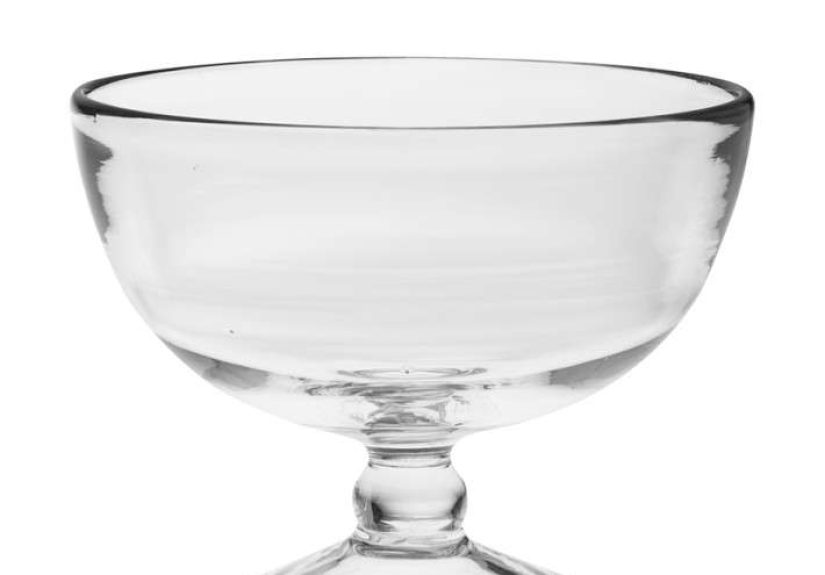
At their simplest, compote bowls are raised serving dishes traditionally used for fruit, desserts, sauces, candies, and decorative displays. Add the word “organic,” and the design becomes softer, more relaxed, and more human. Instead of sharp symmetry or stiff perfection, organic glass compote bowls often feature hand-shaped curves, subtle ripples, irregular rims, transparent color, and a slightly wavy personality. They look refined without acting like they need their own security detail.
Today, these bowls sit at the sweet spot between vintage charm and modern natural design. They can feel old-world, minimalist, coastal, rustic, romantic, or gallery-like depending on how you style them. That versatility explains why they show up everywhere from wedding tables to kitchen islands, open shelving, holiday buffets, and casual dinner parties where the host definitely said, “Oh, I just threw this together,” while secretly arranging grapes by color.
What Are Organic Glass Compote Bowls?
Organic glass compote bowls are footed or pedestal-style glass bowls with natural-looking shapes, soft lines, and a handmade or hand-finished appearance. The word “organic” does not usually mean the glass is made from certified organic materials. Glass is typically made from mineral-based ingredients such as sand, soda ash, limestone, and cullet, or recycled glass. In home decor, “organic” usually describes the design language: flowing, imperfect, tactile, and inspired by nature.
A classic compote bowl usually has three main parts: a base, a stem or pedestal, and a shallow-to-medium bowl. The elevated design gives whatever is inside more presence. A fruit salad looks brighter. Chocolate truffles look fancier. A few garden roses suddenly look like they were invited to a magazine shoot.
Key Features of Organic Glass Compote Bowls
- Soft, irregular shapes: The rim may be gently uneven or hand-finished instead of perfectly circular.
- Subtle ripples: Mouth-blown or hand-shaped glass often has faint waves, bubbles, or variations that catch light beautifully.
- Footed design: The pedestal adds height, making food and flowers easier to see on a table.
- Transparent or tinted glass: Clear, amber, smoke, green, blush, and jewel-toned glass are especially popular.
- Multipurpose use: They work for desserts, fruit, candies, nuts, florals, candles, and seasonal displays.
A Brief History of the Compote Bowl
The compote bowl has been around for centuries, and like many useful household objects, it has worn several hats. Historically, compotes were all-purpose serving dishes, often footed, sometimes lidded, and commonly made of glass, crystal, porcelain, or metal. In 19th-century homes, pressed or blown glass compotes were used to present desserts, jellies, fruit, candies, and sauces with a bit of ceremony.
That matters because compote bowls were never merely containers. They were presentation pieces. Before social media, people still wanted their tables to look impressive; they just had fewer hashtags and more jelly molds. A raised glass bowl brought height and sparkle to the table, turning preserved fruit or sweets into a centerpiece.
American pressed glass compotes from the 1800s show how deeply this form became part of domestic entertaining. Many antique examples have decorative patterns, scalloped rims, or ornate stems. Modern organic glass compote bowls simplify that tradition. They keep the height and elegance but trade heavy ornamentation for fluid lines and relaxed beauty.
Why “Organic” Design Works So Well in Glass
Glass is naturally suited to organic design because it responds beautifully to heat, breath, and hand movement. When glass is blown or shaped while molten, it can capture small variations that make each piece feel alive. Those tiny differences are not flaws; they are the visual equivalent of a signature.
Organic glass also plays with light in a way ceramic or metal cannot. A slightly wavy rim creates shadow. A thicker base bends light. A colored bowl glows near a window. Even a simple clear compote can make strawberries look brighter and whipped cream look dangerously persuasive.
Organic Does Not Mean Messy
One common misconception is that organic design means rough, rustic, or unfinished. Not quite. The best organic glass compote bowls balance softness with polish. They may have an irregular edge, but the rim should still feel smooth. They may have visible ripples, but the bowl should still sit securely. Think “handmade elegance,” not “science experiment that escaped the dishwasher.”
Popular Uses for Organic Glass Compote Bowls
The beauty of a glass compote bowl is that it does not demand a single purpose. It is practical serveware, decorative accent, and centerpiece vessel all in one. If your cabinets are already staging a rebellion, this kind of multipurpose piece earns its shelf space.
1. Serving Fruit and Desserts
Fruit is the classic use for a compote bowl, and for good reason. The raised shape allows colorful produce to shine. Try citrus slices in winter, berries in spring, peaches in summer, or pears and figs in fall. For dessert, organic glass compote bowls are ideal for puddings, custards, trifles, mousse, sorbet, panna cotta, and ice cream. Individual compote bowls make guests feel special, even if the dessert came from the freezer aisle and was transferred with theatrical confidence.
2. Creating Centerpieces
A footed glass compote bowl makes an excellent centerpiece because it gives height without blocking conversation. Low floral arrangements work especially well. Place a floral frog, chicken wire, or a taped grid inside the bowl, then build outward with greenery, large blooms, and delicate stems. The result feels abundant but not towering.
For a no-flower option, fill the bowl with seasonal objects: lemons, artichokes, moss balls, ornaments, pinecones, mini pumpkins, shells, or floating candles. Clear glass keeps the look light, while tinted glass adds mood and color.
3. Styling Open Shelves
Organic glass compote bowls look beautiful on open kitchen shelves, especially when mixed with ceramics, wood boards, cookbooks, and woven baskets. Their transparency keeps shelves from feeling too heavy. A smoky gray or pale green bowl can add just enough color without turning your kitchen into a gift shop display.
4. Holding Snacks and Small Bites
Nuts, olives, dried fruit, wrapped candies, chocolate-covered almonds, and crackers all look better in a compote bowl. The footed form creates a sense of abundance, even when the snack is just pretzels. This is good news for hosts who believe entertaining should be stylish but not require emotional recovery afterward.
5. Decorating for Holidays
Organic glass compote bowls are holiday workhorses. For Thanksgiving, fill one with cranberries, persimmons, walnuts, and greenery. For Christmas, use ornaments, sugared fruit, ribbon, or evergreen clippings. For Easter, try dyed eggs, pastel candies, or spring flowers. For Halloween, use black grapes, dried oranges, or tiny gourds. The bowl stays the same; the mood changes with the season.
How to Choose the Best Organic Glass Compote Bowl
Choosing the right compote bowl depends on how you plan to use it. A large centerpiece bowl is not the same as a set of small dessert compotes. Before buying, think about size, stability, color, care instructions, and whether the bowl is intended for food, flowers, or decor.
Size and Capacity
Small compote bowls are excellent for individual desserts, fruit cups, yogurt parfaits, and candies. Medium bowls work well for family-style fruit, nuts, or small arrangements. Large compote bowls are best for centerpieces, dramatic fruit displays, or generous salads. If you entertain often, a set of smaller bowls plus one larger centerpiece piece gives you the most flexibility.
Shape and Depth
Shallow bowls are ideal for flowers and decorative styling because they let arrangements spread outward. Deeper bowls are better for food, especially fruit salads, sauces, layered desserts, or anything involving whipped cream and ambition. A wide rim looks elegant, but make sure the bowl is practical enough for spoons to reach the bottom without guests performing dessert archaeology.
Color and Finish
Clear glass is the most versatile choice. It works with every table setting and highlights colorful food. Amber glass adds warmth and looks lovely with wood, brass, and fall colors. Green glass feels fresh, garden-inspired, and slightly vintage. Smoke or gray glass reads modern and elegant. Blush or jewel tones add personality, especially for parties and special occasions.
Stability
Because compote bowls are elevated, stability matters. Look for a base that feels balanced and wide enough for the bowl. A delicate stem may look beautiful, but if the bowl wobbles when filled, it may be better suited for decorative use than buffet duty. Nobody wants to watch a berry trifle lean like a nervous skyscraper.
Food Safety and Care
If you plan to serve food, confirm that the bowl is food-safe. Some decorative glass vessels are meant only for display. Also check whether the bowl is dishwasher-safe, microwave-safe, or hand-wash only. Many handmade, vintage, painted, metallic, or delicate glass pieces should be washed by hand with mild soap and a soft cloth.
Organic Glass vs. Crystal, Ceramic, and Metal Compotes
Glass compote bowls offer a light, luminous quality that makes them especially versatile. Crystal compotes can feel more formal and may have heavier cuts or decorative patterns. Ceramic compotes are often warmer and more opaque, making them excellent for farmhouse, Mediterranean, or handmade-style tables. Metal compotes, especially brass or silver, bring drama and shine but can feel more traditional.
Organic glass sits comfortably between casual and elegant. It is dressy enough for a dinner party but relaxed enough for brunch. It can hold flowers at a wedding, berries on a kitchen counter, or wrapped peppermints in an entryway without looking out of place.
Are Recycled Glass Compote Bowls a Good Choice?
Recycled glass bowls can be a smart option for shoppers who want beauty with a lighter environmental footprint. Glass recycling helps divert material from landfills, and recycled glass cullet can reduce energy needs in manufacturing because it melts at a lower temperature than raw materials. Many recycled glass pieces also have the slight color variation and wavy texture that make organic design so appealing.
That said, not every “green-looking” glass item is recycled, and not every recycled item is automatically high quality. Read product descriptions carefully. Look for terms such as recycled glass, post-consumer glass, mouth-blown, hand-shaped, hand-finished, or artisan-made. These details help you understand what you are buying beyond the pretty photo.
How to Style Organic Glass Compote Bowls Like a Designer
Styling a compote bowl is less about perfection and more about proportion. Start with the bowl’s size, color, and placement. Then choose contents that either contrast with it or enhance it.
For a Minimal Table
Use one clear organic glass compote bowl filled with green pears, lemons, or white flowers. Keep the rest of the table simple with linen napkins, plain dinnerware, and low candles. The result is clean, fresh, and quietly expensive-looking.
For a Vintage-Inspired Table
Choose amber, pink, or green glass. Add mixed flowers, lace-edged linens, antique flatware, or patterned plates. The organic shape keeps the look from feeling too stiff, while the footed profile nods to traditional entertaining.
For a Modern Dinner Party
Try smoke glass or clear glass with sculptural contents. Think black grapes, figs, white ranunculus, moss, or floating candles. Pair the bowl with matte plates and simple glassware for contrast.
For Everyday Kitchen Decor
Keep a medium compote bowl on the counter with seasonal fruit. This encourages people to eat the fruit and makes the kitchen look styled. If the fruit remains untouched for too long, congratulations: you now have a still life.
Best Foods to Serve in Glass Compote Bowls
Organic glass compote bowls are especially good for foods with color, texture, and layers. Their transparent sides show off ingredients beautifully.
- Berry compote with vanilla yogurt
- Lemon mousse with whipped cream
- Fresh fruit salad with mint
- Chocolate pudding with shaved chocolate
- Mini trifles with cake, custard, and berries
- Poached pears with syrup
- Ice cream topped with warm fruit sauce
- Candied nuts or spiced pecans
- Olives, cheese cubes, or cocktail snacks
The one thing to avoid is extreme temperature shock. Do not pour boiling-hot sauce into delicate glass unless the product is specifically designed for it. Glass may be elegant, but it does not enjoy surprises.
Care and Cleaning Tips
To keep organic glass compote bowls looking beautiful, handle them with a little common sense and a soft sponge. If the bowl is dishwasher-safe, place it securely so the stem does not rattle against other dishes. For handmade or vintage glass, hand-washing is usually safer.
Simple Cleaning Routine
- Rinse shortly after use, especially after serving sticky fruit or syrup.
- Wash with warm water, mild dish soap, and a soft cloth.
- Avoid abrasive pads that can scratch the surface.
- Dry with a lint-free towel to prevent water spots.
- Store with space around the rim and stem to avoid chips.
If using the bowl for flowers, rinse it thoroughly afterward. Floral foam, plant residue, and minerals from water can leave cloudy marks. A small amount of white vinegar diluted in water can help remove light mineral buildup, but always test carefully on special finishes.
Buying Tips: What Makes a Bowl Worth It?
A good organic glass compote bowl should feel balanced, smooth, and intentional. Small variations are part of the charm, but rough seams, sharp rims, unstable bases, or cloudy flaws may indicate lower quality. If shopping online, read dimensions carefully. Photos can make a tiny dessert cup look like a centerpiece bowl ready to host a royal banquet.
Look for product descriptions that mention mouth-blown glass, hand-shaped details, scissor-cut rims, recycled glass, or dishwasher-safe construction if those features matter to you. For vintage bowls, check for chips, cracks, repairs, and cloudiness. A little age-related character can be lovely; a hidden crack under the pedestal is less charming when it meets gravity.
Specific Styling Examples for Real Homes
In a small apartment, a clear glass compote bowl can replace multiple decorative objects. Use it for fruit during the week, flowers for dinner with friends, and wrapped chocolates when guests visit. In a farmhouse-style kitchen, an amber organic glass bowl can warm up white cabinets and butcher-block counters. In a modern dining room, a smoke-colored footed bowl filled with white tulips creates a crisp focal point.
For a wedding or event, several small compote bowls down the center of a long table can feel more relaxed than one giant arrangement. Mix heights with candles and small bud vases. The glass reflects candlelight, while the organic forms soften the overall design.
Common Mistakes to Avoid
The first mistake is overfilling the bowl. A compote looks best when the contents have room to breathe. Fruit piled too high can look messy, and flowers packed too tightly may hide the shape of the vessel. The second mistake is ignoring scale. A tiny compote on a large dining table can disappear, while a huge footed bowl on a small table can make dinner feel like it is being supervised by a glass mountain.
The third mistake is using decorative-only bowls for food. Always check product details. Some glass pieces are designed for display and may not be suitable for serving. The fourth mistake is treating handmade glass like heavy-duty storageware. Organic glass compote bowls are functional, but many are also delicate. They deserve better than being shoved behind a stack of mixing bowls and one mysterious lid nobody recognizes.
Personal Experience: Living With Organic Glass Compote Bowls
There is something surprisingly satisfying about owning a piece of serveware that works harder than it looks. My first real appreciation for organic glass compote bowls came from using one as a last-minute centerpiece. The table was set, dinner was almost ready, and the centerpiece situation was, to use a technical design term, “not happening.” A clear footed glass bowl was sitting on the shelf, so I filled it with clementines, a few sprigs of rosemary, and one slightly dramatic ribbon. Suddenly the table looked intentional. Not expensive. Not overdone. Just pulled together enough to suggest that an adult lived nearby.
That is the magic of these bowls. They create instant elevation, literally and visually. A regular bowl of fruit looks useful. A footed organic glass compote bowl of fruit looks styled. The pedestal raises the contents just enough to catch the eye, while the glass keeps everything airy. It is a small design trick, but it works almost every time.
For everyday use, I find medium-size compote bowls the most practical. Small ones are beautiful for desserts, but they require a set to make sense. Large ones are dramatic, but they need storage space and a table big enough to handle their personality. A medium bowl can sit on a kitchen island with apples, move to the dining table with flowers, and later hold wrapped candies near the coffee station. That kind of flexibility is valuable, especially if you do not want your cabinets to become a museum of “things used once during a themed brunch.”
One of the best uses is dessert presentation. Even simple food feels special in a glass compote. Vanilla pudding with berries becomes dinner-party worthy. Store-bought sorbet looks brighter. Yogurt layered with granola and fruit suddenly becomes a brunch parfait instead of breakfast assembled while checking email. The transparent sides show off layers, and the footed shape makes each serving feel like a treat.
Organic glass compote bowls also shine with flowers. Low arrangements are easier than they look. A bit of chicken wire tucked inside the bowl helps hold stems in place, and the wide opening allows flowers to spread naturally. Roses, ranunculus, tulips, dahlias, and greenery all work beautifully. The key is to let some stems lean and curve rather than forcing everything into a perfect dome. Organic glass looks best with arrangements that feel a little loose and garden-like.
Cleaning is usually simple, but I prefer hand-washing pieces with irregular rims or handmade details. It takes only a minute, and it avoids the dishwasher drama of a delicate stem knocking against a coffee mug. Drying immediately also helps keep the glass clear and sparkling. If the bowl has been used for flowers, I rinse it well and let it air out before storing it.
From a decorating perspective, these bowls are especially helpful because they bridge styles. They can soften modern rooms, add shine to rustic spaces, and make traditional tables feel fresher. Clear glass is the safest choice, but tinted glass has more personality. Amber feels warm and vintage. Pale green feels natural and relaxed. Smoke glass feels modern and slightly moody. If you already own mostly white dishes, a colored compote bowl can add interest without requiring a full tableware makeover.
The biggest lesson is this: do not save organic glass compote bowls only for special occasions. Use them. Put oranges in one. Serve popcorn in one during movie night. Fill one with shells after a beach trip. Let it hold keys for a week if life gets chaotic. Beautiful objects become more meaningful when they participate in daily life. And if a bowl can make Tuesday grapes look like a centerpiece, it has earned its place in the home.
Conclusion
Organic glass compote bowls are more than pretty table accessories. They are versatile, functional, and timeless pieces that bring height, light, and softness to the home. Their footed shape connects them to centuries of entertaining history, while their hand-shaped curves and natural lines make them feel completely current. Whether used for fruit, desserts, flowers, snacks, candles, or seasonal decor, they offer an easy way to make everyday moments look more thoughtful.
The best part is that they do not require expert styling. A handful of lemons, a few blooms, or a simple dessert is enough. Organic glass does the heavy lifting by catching light, adding texture, and making humble things feel special. In a world full of complicated decor trends, that kind of effortless beauty is worth celebrating.