Table of Contents >> Show >> Hide
- Why Marta Chrapka’s Apartment Feels So Fresh Without Feeling Trendy
- The Bones Matter: Timeless Design Starts With Architecture
- Collected, Not Decorated: The Power of Layering Old and New
- Color, Pattern, and Whimsy Without Chaos
- Timeless Interiors Still Need Personality
- Design Lessons to Borrow From Marta Chrapka’s Apartment
- Why This Apartment Resonates Right Now
- The Experience of Living With an Anti-Trend Apartment
- Conclusion
Some homes chase trends the way toddlers chase bubbles: enthusiastically, dramatically, and with very little long-term planning. Marta Chrapka’s apartment does the opposite. It doesn’t sprint after the latest “must-have” finish, internet-famous lamp, or color of the month. Instead, it floats above the trend cycle with the kind of confidence only a truly collected home can manage. The result is a space that feels timeless, whimsical, layered, and wonderfully immune to the exhausting annual ritual of declaring last year’s decor “over.”
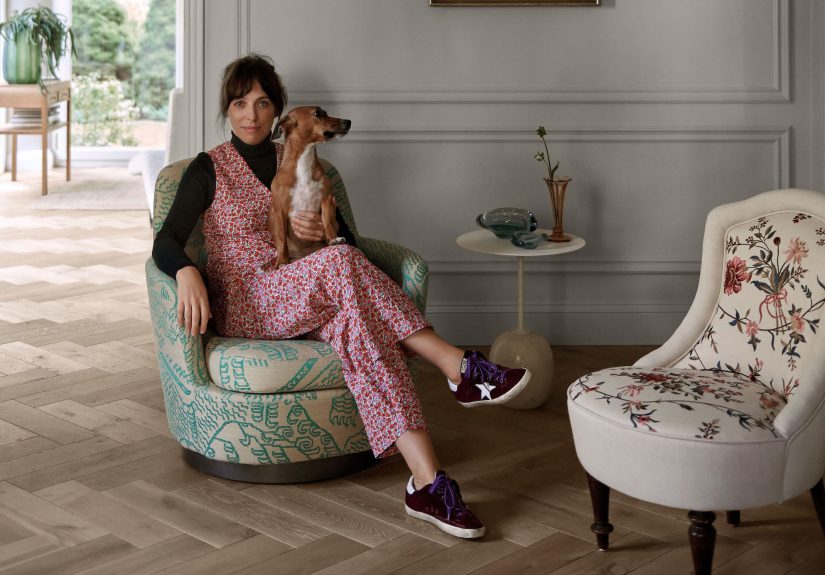
Chrapka, the Polish designer behind Colombe Studio, has built a reputation for interiors that respect history without becoming museum pieces. In her own Warsaw apartment, that instinct becomes deeply personal. This is not a showroom dressed up to impress strangers on the internet. It is a real home, one with softness, personality, visual wit, and enough soul to make perfectly matched furniture sets look like they need a nap.
What makes this apartment so compelling is not that it rejects style. It absolutely has style. Plenty of it. But it refuses to confuse style with trendiness. That is a big difference, and frankly, an important one. Trendy rooms often look great for six months and then start aging like a viral dance challenge. Timeless rooms, on the other hand, grow richer the longer you live with them. Chrapka’s apartment belongs firmly in that second camp.
Why Marta Chrapka’s Apartment Feels So Fresh Without Feeling Trendy
The magic begins with philosophy. Chrapka’s apartment is rooted in a design mindset that values permanence over novelty, character over conformity, and delight over rigid rules. That sounds lofty, but in practice it means a home built from meaningful layers: classic architecture, vintage finds, custom upholstery, thoughtful color, and decorative choices that feel personal rather than algorithm-approved.
This approach aligns with what the best American design editors and decorators keep repeating: timeless interiors are rarely sterile, overly coordinated, or obsessed with “what’s in.” They are usually shaped by natural materials, antiques, books, art, patina, good lighting, and a healthy willingness to let a room evolve. Chrapka’s apartment embraces all of that, then adds a flicker of fantasy for good measure.
In photos of the space, the apartment comes across as elegant but not uptight, romantic but not sugary, and polished without slipping into showroom blandness. That balancing act is harder than it looks. Plenty of homes can manage “pretty.” Far fewer can pull off “pretty, smart, livable, and mildly mischievous.” This one does.
The Bones Matter: Timeless Design Starts With Architecture
One of the strongest lessons from Marta Chrapka’s apartment is that timeless design usually begins with good bones. In many of her projects, Chrapka shows a clear respect for prewar architecture, period details, and the quiet authority of older buildings. That same sensibility shapes her own place. Rather than fighting the apartment’s architectural identity, she works with it. The home feels anchored by history, which gives the decorative flourishes something solid to lean against.
This is a huge reason the apartment feels lasting instead of trendy. When a room has architectural grounding, everything inside it gains credibility. Moldings, parquet or herringbone-inspired floors, generous proportions, classic openings, and carefully restored details do more than add charm. They create context. A whimsical chair suddenly feels intentional. A playful fabric reads as sophisticated instead of random. Even the boldest decorative moments behave better when the room itself has composure.
That is also why so many trend-heavy interiors age poorly. They rely on surface-level excitement rather than structural confidence. Remove the buzzy paint color and the sculptural side table, and there is often not much left to hold the room together. Chrapka’s apartment avoids that trap by building from the inside out: architecture first, decoration second, personality throughout.
Collected, Not Decorated: The Power of Layering Old and New
If there is one phrase that captures the apartment’s energy, it is this: collected, not decorated. The home feels assembled over time rather than dropped into place in a single shopping spree. That matters because rooms with genuine depth usually contain a mix of eras, textures, and references. They feel inhabited. They have memory. They do not look like someone typed “elevated eclectic apartment” into a search bar and bought the first 14 results.
In Chrapka’s world, antiques and vintage pieces are not there to play costume drama. They are there to bring weight, texture, patina, and narrative. An old chair with beautiful lines can do more for a room than three brand-new “statement pieces” trying very hard to become a personality. Vintage art softens a space. Worn wood adds honesty. A slightly eccentric lamp says, “The person who lives here has opinions,” which is always more charming than a room that says, “I came pre-approved by social media.”
At the same time, the apartment does not lean so heavily into nostalgia that it becomes fussy. This is not historical reenactment with throw pillows. The older elements are balanced by fresh upholstery, crisp silhouettes, thoughtful lighting, and a clear editorial eye. That old-meets-new tension is exactly what gives the apartment its timeless appeal. The past is present, but it is not running the whole show.
Why the Mix Works
The best layered interiors rely on contrast with control. Chrapka appears to understand that instinctively. Instead of matching everything, she lets different pieces converse. A traditional shape may sit beside a more modern line. A romantic detail may be grounded by a quieter backdrop. Decorative moments are allowed to sparkle, but they never turn the room into a costume party. In design terms, this is called restraint. In regular-person terms, it means the apartment knows when to wink and when to stop.
Color, Pattern, and Whimsy Without Chaos
The word fanciful in the title is doing real work. This apartment is not severe. It has softness, humor, and a little theatrical flair. But it never tips into visual chaos, which is where many so-called whimsical interiors lose the plot. Chrapka’s version of fanciful design is mature enough to know that charm works best when it is grounded.
Color helps enormously here. Rather than defaulting to a blanket of safe beige or trend-chasing one-note drama, the apartment appears to use color as a mood-setting device. Richer tones, romantic accents, and layered textiles create warmth and intimacy. Pattern is used not as an all-over shout, but as a series of carefully placed conversations. The effect is expressive yet controlled.
This matters for SEO-minded readers searching for timeless apartment inspiration, because it proves a useful point: timeless does not mean colorless. You do not have to live in a room that looks like an oat milk advertisement to achieve longevity. In fact, the most memorable spaces often have a point of view. The key is choosing colors and patterns that reflect your own taste instead of borrowing a trend forecast that will be outdated by pumpkin-spice season.
Chrapka’s home also understands the role of visual surprise. A fanciful apartment needs a few moments that make your eyes pause and your mouth do that tiny “oh, nice” thing. Maybe it is an unexpected fabric, an unusual grouping of art, or a piece that feels slightly offbeat in the best possible way. Those moments keep a room from feeling predictable. They are the design equivalent of a smart joke told at exactly the right time.
Timeless Interiors Still Need Personality
One of the biggest misconceptions in home design is that “timeless” means neutral, safe, or universally acceptable. That usually translates into rooms so careful they forget to be interesting. Marta Chrapka’s apartment offers a better definition. A timeless interior is not one that offends no one. It is one that reflects someone.
That distinction matters because personal spaces always outlast generic ones. When a room is filled with meaningful objects, beloved books, collected art, favorite textiles, and furniture chosen for emotional as well as aesthetic reasons, it gains staying power. It becomes difficult to date because it was never trying to belong to a specific trend year in the first place.
Chrapka’s apartment feels like that kind of home. It does not read as an exercise in branding. It reads as a life. Even the more decorative gestures seem attached to a broader worldview: a love of beauty, history, craft, and gentle irreverence. That is why the apartment feels lived-in rather than staged. And that is also why it holds attention. People are always more interesting than trends.
Design Lessons to Borrow From Marta Chrapka’s Apartment
1. Build your room around character, not novelty
Start with pieces that have shape, craftsmanship, and emotional pull. A room built around lasting qualities will age better than one built around whatever exploded on your feed this month.
2. Let architecture do some of the work
If your home has original details, highlight them. If it does not, add quiet references to classic architecture through molding, millwork, better proportions, or thoughtfully traditional materials.
3. Mix eras for depth
Combine vintage finds with newer pieces. Too much of one era can feel flat. A room with time in it feels richer, more relaxed, and much harder to date.
4. Use color bravely, but with discipline
You do not need to fear boldness. You just need to edit it. A strong room usually has a clear palette, repeated tones, and a balance between excitement and calm.
5. Choose whimsy with a straight face
Playful design works best when everything around it is not also screaming for attention. One charming gesture lands better than ten competing ones.
6. Avoid the tyranny of matching sets
If your living room looks like it arrived in one very large truck on the same day, it probably needs more life. Timeless homes almost always contain variation.
7. Let your home tell the truth about you
Not the aspirational internet version of you. The actual you. The one who loves old paintings, odd lamps, velvets, books, polished wood, or the occasional charmingly dramatic chair. That person deserves a better room.
Why This Apartment Resonates Right Now
There is a reason so many readers, designers, and home lovers respond to interiors like this one. People are tired of spaces that feel over-optimized, over-filmed, and under-lived. They want rooms with soul. They want warmth, individuality, and objects that seem to have survived a few stories. They want homes that feel less like content and more like companionship.
Marta Chrapka’s apartment meets that cultural mood beautifully. It shows that a timeless interior can still feel imaginative. It can be glamorous without being glossy, layered without being cluttered, and personal without collapsing into chaos. It can have antique energy and modern comfort. It can honor history while leaving room for fun.
Most of all, it reminds us that the best homes are not trend reports. They are private worlds. And the strongest private worlds tend to be built slowly, intelligently, and with enough confidence to ignore the annual parade of “must-have” everything.
The Experience of Living With an Anti-Trend Apartment
Imagine walking into a home that never seems to be trying too hard. Nothing in it begs for approval. Nothing feels chosen just to prove the owner is current, informed, or in possession of a deeply committed Pinterest board. Instead, the apartment greets you with a softer kind of authority. The rooms are composed, but they are also relaxed. The furniture looks as if it has stories. The colors feel like they belong to moods, not marketing campaigns. The art does not shout; it lingers.
That is the emotional power of an apartment like Marta Chrapka’s. It changes the experience of being at home. In a trend-driven interior, you are always a little aware of the room as an image. In a timeless one, you begin to experience the room as atmosphere. Morning coffee tastes slower there. Books somehow look smarter. Even the dog probably seems more literary.
There is also something deeply comforting about living among things that do not feel disposable. A vintage chair with a gently worn arm, a lamp with an odd little silhouette, a painting that is more intriguing than conventionally pretty, a textile that looks better because it has texture instead of perfection, all of these choices create a home that feels emotionally durable. You stop worrying about whether the room is still “in.” You start noticing whether it still feels like you. That is a healthier question, and a more interesting one.
An anti-trend apartment also encourages a different pace. It does not demand constant updates. It invites observation. Over time, you notice how evening light lands on the wall color, how brass softens with age, how a patterned cushion suddenly makes sense next to an antique side table you once worried was too formal. The room teaches patience. It lets beauty reveal itself in layers instead of all at once.
Guests feel it too. They may not walk in and say, “Ah yes, excellent resistance to trend churn,” because that would be a very strange thing to say in someone’s entry hall. But they will feel the difference. They will sense warmth. They will notice confidence. They will remember the room afterward, not because it copied a recognizable style, but because it had a point of view. The apartment becomes memorable in the way people become memorable: through quirks, restraint, wit, and the refusal to be generic.
And perhaps that is the real lesson of Marta Chrapka’s timeless, fanciful apartment. A home does not need to be trendy to feel relevant. It needs to be thoughtful. It needs to be layered. It needs to have enough humor to avoid stiffness and enough discipline to avoid chaos. Most of all, it needs to feel like an honest extension of the life inside it. Once a home achieves that, it no longer needs to chase fashion. It has already become something much better: lasting.
Conclusion
Nothing trendy allowed sounds like a strict rule, but in Marta Chrapka’s apartment, it feels more like a liberation. Free from the pressure to perform trendiness, the home can focus on what actually matters: beauty, comfort, history, imagination, and personality. That is why the apartment feels timeless instead of trapped in a single moment. It trusts classic bones, embraces collected layers, welcomes playful details, and proves that a fanciful interior can still be elegant.
For anyone designing a home in 2026 and beyond, that may be the most useful takeaway of all. You do not need more trends. You need better instincts. Chrapka’s apartment is what happens when those instincts are refined, romantic, and just mischievous enough to keep the whole thing alive.