Table of Contents >> Show >> Hide
- Table of Contents
- What Mental Health Actually Means
- Myth vs. Fact Roundup (The Big Ones)
- Myth #1: “Mental health problems are a sign of weakness.”
- Myth #2: “People can just snap out of depression or anxiety.”
- Myth #3: “Mental illness is rare.”
- Myth #4: “Kids don’t have real mental health issuesjust moods.”
- Myth #5: “People with mental illness are violent and dangerous.”
- Myth #6: “A diagnosis means you can’t work, study, or succeed.”
- Myth #7: “Therapy is only for people who are ‘crazy’.”
- Myth #8: “Medication changes your personality or turns you into a zombie.”
- Myth #9: “If you talk about suicide, you’ll put the idea in someone’s head.”
- Myth #10: “Recovery means you never struggle again.”
- Treatment Truths: Therapy, Medication, and Realistic Expectations
- Stigma, Language, and Why Words Matter
- Social Media “Therapy Talk”: Helpful, Harmful, and How to Tell
- How to Help Someone (Without Accidentally Being Weird About It)
- Real-Life Experiences: What People Often Go Through
- Conclusion
Let’s be honest: mental health misinformation spreads faster than a “drink more water” comment under a post about trauma.
And while hydration is wonderful, it’s not a substitute for science, support, and (sometimes) professional care.
This guide separates the loud myths from the quieter, truer factsso you can spot stigma, dodge bad advice, and make
choices that actually help.
Quick note: This article is educational, not medical advice. If you’re in immediate danger or thinking
about harming yourself, call 911 (U.S.) or go to the nearest emergency room. If you need 24/7 support,
you can call, text, or chat 988.
What Mental Health Actually Means
Mental health isn’t just the absence of a diagnosis. It’s your ability to cope with stress, think clearly, feel emotions,
build relationships, and function day-to-day. It can be strong, shaky, improving, or overwhelmedsometimes all in the same week.
And mental health exists on a spectrum. You can have a tough season without having a mental disorder, and you can have a mental
disorder while still working, parenting, studying, laughing, and living a meaningful life. The point isn’t to label every bad day.
The point is to understand what’s happening and respond with the right tools.
Myth vs. Fact Roundup (The Big Ones)
Myth #1: “Mental health problems are a sign of weakness.”
Fact: Mental health conditions are not character flaws. Biology, genetics, life experiences, stress, sleep,
medical issues, and environment can all play a role. If “just be stronger” worked, we wouldn’t need cardiologists eitherpeople
would simply willpower their arteries into cooperation.
Example: Two people lose a job. One feels motivated. Another spirals into panic and insomnia. That difference
isn’t “weakness”it’s how stress, support, and brain chemistry interact.
Myth #2: “People can just snap out of depression or anxiety.”
Fact: You can influence symptoms (with treatment and habits), but you can’t simply flip a switch because someone
says, “Have you tried… not worrying?” (Yes. Repeatedly. Enthusiastically. Did not work.)
Depression and anxiety can affect concentration, energy, appetite, sleep, and motivation. Improvement is often a process: skills,
support, time, and sometimes medicationnot a motivational poster.
Myth #3: “Mental illness is rare.”
Fact: Mental health conditions are common, and many people experience them at some point. That’s one reason stigma
is so harmful: it convinces people they’re alone when they’re not.
Myth #4: “Kids don’t have real mental health issuesjust moods.”
Fact: Children and teens can experience anxiety, depression, ADHD, trauma responses, eating disorders, and more.
Sometimes symptoms look different than in adults (irritability, stomach aches, school refusal, sleep changes).
Example: A teen who seems “lazy” may actually be dealing with depression that makes homework feel like lifting a
refrigerator with a paperclip.
Myth #5: “People with mental illness are violent and dangerous.”
Fact: Most people with mental health conditions are not violent, and the “dangerous” stereotype is wildly
overusedespecially after tragediesbecause it’s a simple story people reach for when reality is complicated.
It’s more accurate (and more humane) to focus on facts: mental illness is far more likely to be associated with suffering and
disability than violence. Stigma makes it harder to seek helpand that’s the real danger.
Myth #6: “A diagnosis means you can’t work, study, or succeed.”
Fact: Many people with mental health conditions work, go to school, raise families, serve in leadership roles,
and do meaningful, high-performance things. A diagnosis can be a map, not a life sentence.
Practical truth: Work and school may require accommodations, structure, or treatmentjust like managing asthma
requires an inhaler and a plan. That’s not failure; it’s problem-solving.
Myth #7: “Therapy is only for people who are ‘crazy’.”
Fact: People use therapy for grief, stress, relationships, parenting, burnout, trauma recovery, and building coping
skills. Therapy is less “fix my broken brain” and more “teach me tools for a brain living in 2026.”
Myth #8: “Medication changes your personality or turns you into a zombie.”
Fact: The goal of psychiatric medication is not to erase your personality. For many people, effective treatment
helps them feel more like themselves againless stuck, less overwhelmed, more functional.
Side effects can happen and should be discussed with a clinician. The answer isn’t fear; it’s informed decisions, monitoring,
and adjustments if needed.
Myth #9: “If you talk about suicide, you’ll put the idea in someone’s head.”
Fact: Asking directly about suicidal thoughts does not “plant” suicide. For many people, it reduces isolation and
opens a door to help. Silence can be far riskier than a compassionate, straightforward question.
Myth #10: “Recovery means you never struggle again.”
Fact: Recovery often means better management, fewer symptoms, faster bounce-backs, improved quality of life, and
more choice in how you respond. It can include setbackslike any health conditionand still count as real progress.
Treatment Truths: Therapy, Medication, and Realistic Expectations
Therapy: Not just talkingtraining
Evidence-based therapies (like CBT, DBT skills, exposure therapy for anxiety, trauma-focused approaches, and others) aim to change
patterns in thoughts, behaviors, and coping. Good therapy is collaborative and practical: you learn skills, practice them, and
track what improves your life.
Medication: A tool, not a personality transplant
Psychiatric medications can support symptoms like severe anxiety, major depression, bipolar mood episodes, psychosis, ADHD, and
more. They’re often most effective when paired with therapy, healthy routines, and social support.
- Realistic expectation: Some medications take weeks to show full benefits.
- Also realistic: Finding the right medication can take trial and adjustment.
- Most realistic: You deserve follow-up caremedication shouldn’t be “Here’s a prescription, good luck.”
What actually helps (for many people)
The basics aren’t glamorous, but they matter: consistent sleep, movement, social connection, reducing substance misuse,
routines, manageable goals, and stress reduction strategies. None of these are magic alonebut together they can change the
trajectory of symptoms.
Think of mental health care like fixing a leaky roof: you might need professional repair (therapy/meds), plus regular maintenance
(sleep/routines), plus “stop throwing water at the ceiling” behaviors (substance misuse, doom-scrolling until 3 a.m.).
Stigma, Language, and Why Words Matter
Stigma is the social penalty people pay for having symptomsbeing judged, avoided, mocked, or treated as “less than.”
It can keep people from seeking help, disclosing struggles, or sticking with treatment.
Language can either reduce stigma or reinforce it. Small shifts help:
- Say “a person with schizophrenia” instead of “a schizophrenic.”
- Say “died by suicide” instead of “committed suicide.”
- Say “substance use disorder” instead of “addict” when appropriateespecially in clinical or supportive contexts.
This isn’t about policing speech. It’s about recognizing that words shape beliefsand beliefs shape whether someone feels safe
enough to get help.
How to Help Someone (Without Accidentally Being Weird About It)
Do this
- Lead with care: “I’ve noticed you seem overwhelmed. I’m here.”
- Ask open questions: “What’s been the hardest part lately?”
- Offer concrete help: “Want me to sit with you while you call a clinic?”
- Encourage support: Therapy, primary care, community resources, peer support groups.
Avoid this (gently, please)
- “Everyone feels like that.” (Sometimes true, still unhelpful.)
- “At least it’s not…” (Pain doesn’t need a competitor.)
- “Just think positive!” (If it worked, we’d prescribe it.)
When it’s urgent
If someone is talking about wanting to die, feels unsafe, or has a plan, take it seriously. Stay with them if you can,
reduce access to immediate means when possible, and reach out for crisis support.
In the U.S., you can call/text/chat 988 for 24/7, confidential support.
Real-Life Experiences: What People Often Go Through
Facts and myths are useful, but real life is where mental health gets personal. Below are experiences many people describenot as
one person’s story, but as common patterns that show how myths can complicate recovery (and how facts can make it easier).
Experience #1: “I’m functioning, so I must be fine.”
One of the sneakiest myths is that suffering has to look dramatic to be real. Plenty of people keep showing upmeetings, deadlines,
school drop-offswhile feeling like their brain is running on 2% battery and pure spite. They tell themselves, “I’m still getting
stuff done, so it can’t be depression.” Meanwhile, they’re waking up exhausted, losing joy in hobbies, and feeling numb or irritable.
The fact: high-functioning anxiety and depression exist. Functioning isn’t the same as thriving. When people finally talk to a
clinician or therapist, they often say the same thing: “I didn’t realize how heavy it was until it got lighter.”
Experience #2: The “Snap Out of It” Olympics
Many people try to beat mental health symptoms through grit alone. They start a new routine, swear off sugar, download a meditation
app, and decide they’re going to out-discipline their nervous system. Sometimes that helps a lot. Sometimes it helps a little.
Sometimes it helps until life happensillness, job stress, griefand symptoms surge again.
The fact: lifestyle changes are powerful, but they’re not always sufficient. When someone adds therapy or medication, it can feel
like upgrading from “fighting a bear with a spoon” to “fighting a bear with a plan, a team, and actual tools.” The spoon can stay,
by the way. It’s cute. It’s just not your whole strategy.
Experience #3: “Therapy is for people with huge trauma. Mine doesn’t count.”
People often minimize their pain because it doesn’t match a dramatic storyline. Maybe they had a stable childhood but still struggle
with panic. Maybe they weren’t “abused,” but they lived for years with unpredictable stress, criticism, or emotional neglect. They
feel guilty for needing support and worry they’re taking resources from others.
The fact: therapy isn’t a contest. You don’t need a “big enough reason” to get help. In practice, many people discover that what
they dismissed as “normal stress” included patternspeople-pleasing, perfectionism, avoidance, harsh self-talkthat quietly trained
their brain into chronic anxiety. Therapy helps them unlearn those patterns, one skill at a time.
Experience #4: Medication fear and the “Zombie” stereotype
People often arrive at medication discussions scaredsometimes because of a past side effect, sometimes because of a family belief
like “Those pills will change you.” When they do try medication with good follow-up care, many describe something surprisingly
ordinary: they still feel emotions, still have a personality, but they have a little more room between feeling and reacting.
They can pause. They can sleep. They can focus. They can laughand actually mean it.
The fact: medication isn’t right for everyone, and it should be monitored. But the myth-based fear can delay relief for people who
truly need it.
Experience #5: The relief of being asked directly
When someone is in a dark place, indirect conversations can feel like everyone is tiptoeing around the truth. Many people say the
most helpful moment was a friend asking, calmly and directly, “Are you thinking about hurting yourself?” Not with panic. Not with
drama. With care. That question didn’t “give them an idea.” It gave them permission to be honestand then to accept help.
The fact: compassion plus clarity saves lives. And sometimes the bravest sentence in a relationship is the simplest one: “I’m here.
Let’s get support together.”
Conclusion
The biggest myth about mental health is that it’s a private problem best handled quietly. The truth is the opposite: mental health
improves faster in the presence of accurate information, practical support, and real connection.
If you remember nothing else, remember this: a mental health struggle is not a moral failure. It’s a human experience that deserves
the same seriousnessand the same compassionwe give physical health. Swap myths for facts, shame for skills, and silence for support,
and you’re already moving in the right direction.
And if you need immediate support in the U.S., 988 is available 24/7 by call, text, or chat.


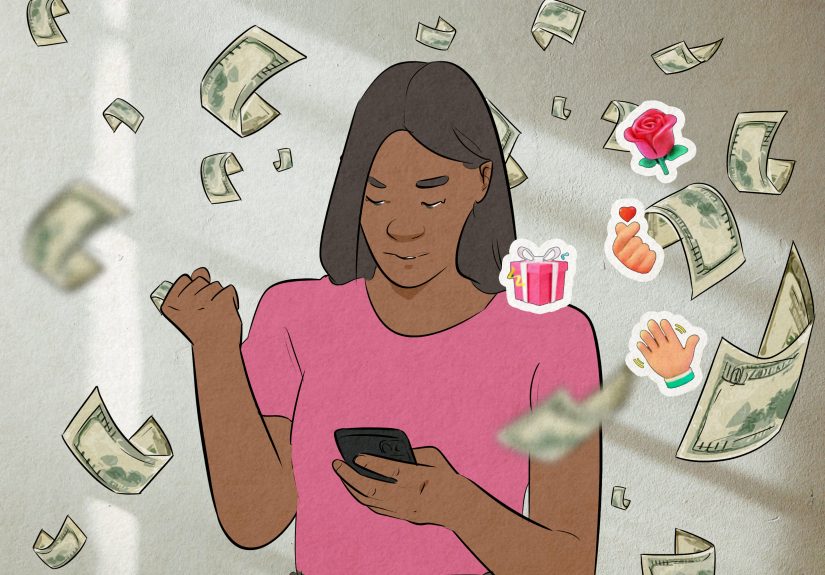



Social Media “Therapy Talk”: Helpful, Harmful, and How to Tell
Social media can normalize mental health conversationsand that’s good. But it also spreads confident misinformation,
encourages self-diagnosis based on vibes, and sells “one weird trick” solutions.
Green flags (usually)
Red flags (often)
A helpful rule: if content makes you feel doomed, labeled, or pressured to buy something immediately, pause. Real mental health
education tends to leave you feeling informed and empowerednot trapped.