Table of Contents >> Show >> Hide
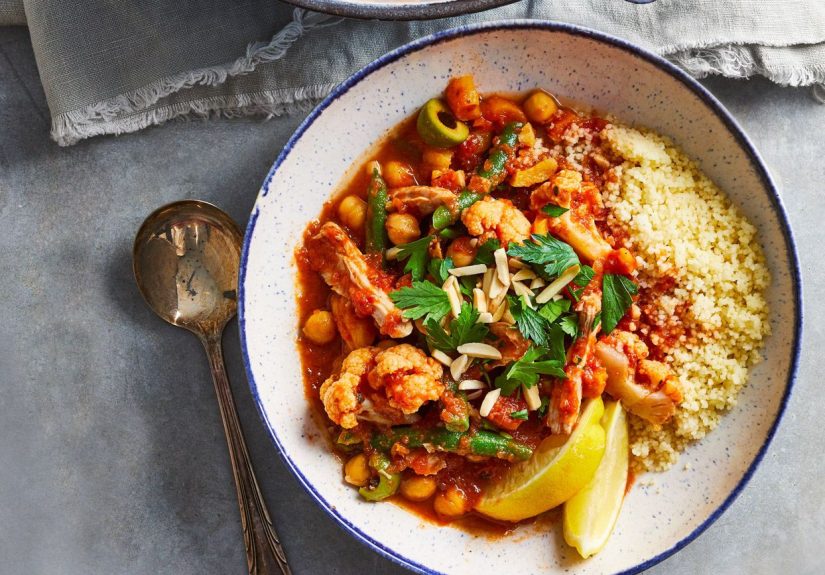
If your weeknight dinners have been feeling a little… beige, this Moroccan-style chicken and cauliflower stew is here to fix that. It’s warm-spiced, saucy, and full of big “someone cooked all day” energywithout you actually cooking all day. Think tender chicken, cauliflower that doesn’t dissolve into sadness, chickpeas for body, and a bright finish of lemon, herbs, and optional olives. It’s tagine-inspired comfort food you can make in a Dutch oven, because most of us don’t keep a clay pot on standby like we’re auditioning for a historical drama.
This recipe leans into classic Moroccan flavor cuesginger, cumin, turmeric, cinnamon, paprika, and that “what IS that delicious smell?” moment you get from a good spice blend. We’ll also talk timing tricks (so the cauliflower stays pleasantly toothsome), swaps (because life happens), and serving ideas (because sauce deserves a plan).
Quick Recipe Snapshot
- Servings: 4–6
- Time: About 1 hour (15 minutes prep, 40–45 minutes cooking)
- Skill level: Cozy and confident (you’ve got this)
- Best served with: Couscous, rice, crusty bread, or cauliflower rice
Ingredients
For the stew
- 2 tablespoons olive oil
- 2 to 2 1/2 pounds chicken thighs (bone-in or boneless; skin-on or skinless)
- Kosher salt and black pepper
- 1 large yellow onion, thinly sliced
- 4 garlic cloves, minced
- 1 tablespoon fresh ginger, grated (or 1 teaspoon ground ginger)
- 2 tablespoons tomato paste
- 1 teaspoon ground cumin
- 1 teaspoon sweet paprika
- 1 teaspoon ground coriander
- 1/2 teaspoon ground turmeric
- 1/2 teaspoon ground cinnamon
- Pinch of cayenne (optional, for gentle heat)
- 3 cups chicken broth (low-sodium preferred)
- 1 (14.5-ounce) can diced tomatoes (or crushed tomatoes for a smoother stew)
- 1 (15-ounce) can chickpeas, drained and rinsed
- 1 large head cauliflower, cut into bite-size florets (about 5–6 cups)
- 6–10 dried apricots, chopped (optional, for sweet-savory balance)
- 1/2 cup green olives, halved (optional, for salty punch)
- 1 preserved lemon, peel finely chopped (optional but amazing), or zest of 1 lemon
- Juice of 1 lemon (start with half, then adjust)
To finish
- 1/2 cup chopped fresh cilantro
- 1/4 cup chopped fresh parsley
- Toasted almonds or pistachios, chopped (optional crunch)
- Greek yogurt (optional, for creamy contrast)
- Harissa (optional, for “hello, flavor” heat)
Optional shortcut: “Ras el hanout-ish” spice blend
If you have ras el hanout, use 1 1/2 to 2 teaspoons and reduce the individual spices above. If you don’t, you can still get the vibe with a quick blend:
- 1/2 teaspoon cumin
- 1/2 teaspoon ginger
- 1/4 teaspoon cinnamon
- 1/4 teaspoon coriander
- 1/4 teaspoon allspice (optional but helpful)
Equipment
- Large Dutch oven or heavy pot with a lid
- Knife + cutting board
- Wooden spoon
- Microplane (nice for ginger/lemon, not required)
Step-by-Step Instructions
Step 1: Season and brown the chicken
Pat the chicken dry (this helps browning), then season generously with salt and pepper. Heat olive oil in a Dutch oven over medium-high heat. Brown the chicken in batchesabout 4–5 minutes per side. You’re not cooking it through; you’re building flavor.
Transfer chicken to a plate. Leave the tasty browned bits behind. They’re not “burnt,” they’re “future delicious.”
Step 2: Build the aromatic base
Reduce heat to medium. Add onion and a pinch of salt. Cook 6–8 minutes, stirring occasionally, until softened and lightly golden. Add garlic and ginger; cook 30 seconds to 1 minute.
Step 3: Bloom the spices and tomato paste
Add tomato paste and stir for 1 minute to caramelize slightly. Add cumin, paprika, coriander, turmeric, cinnamon, and cayenne (if using). Stir constantly for 30–45 seconds. This quick “bloom” wakes up the spices and makes the stew taste like you know what you’re doing (because you do).
Step 4: Add the liquids and simmer
Pour in the broth, scraping the bottom to lift all the browned bits. Add diced tomatoes and chickpeas. If you’re using chopped dried apricots, add them now.
Return the chicken (and any juices) to the pot. Bring to a gentle simmer, then cover and cook:
- Boneless thighs: 15–20 minutes
- Bone-in thighs: 25–30 minutes
Step 5: Add cauliflower at the right time
Here’s the trick: cauliflower can go from “pleasantly tender” to “why is my stew baby food?” pretty fast. Add the florets during the last 10–12 minutes of simmering, uncovered. Stir gently once or twice so they cook evenly but don’t break apart.
Step 6: Brighten and balance
When the cauliflower is tender but still holding its shape, turn off the heat. Stir in olives (if using), preserved lemon peel (or lemon zest), and lemon juice. Taste and adjust salt, pepper, and acidity. If it tastes a little flat, it usually needs one of three things: salt, lemon, or a small spoon of harissa.
Step 7: Finish like you meant it
Stir in cilantro and parsley right before serving. Top with toasted nuts for crunch. Add a dollop of yogurt if you like creamy contrast. Congratulationsyour kitchen now smells like a spice market had a very good day.
Flavor Notes: Why This Works
Moroccan-inspired stews often play with contrast: warm spices + bright citrus + savory depth. The onion-garlic-ginger base gives sweetness and aroma. Tomato paste adds concentrated savory richness. Chickpeas thicken the broth naturally, so you get a stew that feels hearty without needing flour.
Cauliflower is the perfect “sponge vegetable” here: it soaks up the spiced broth while staying mild enough to let the seasoning shine. Adding it near the end keeps it intact and avoids the dreaded cauliflower crumble.
Optional olives and preserved lemon deliver that signature salty-tangy finish found in many Moroccan chicken preparations. Dried apricots are the sweet counterpointtotally optional, but if you like sweet-savory dishes, they’re the difference between “good” and “wait…what’s in this?”
Serving Ideas
- Couscous: The classic move. It drinks up sauce like it’s getting paid per sip.
- Rice: White rice, brown rice, or turmeric rice all work.
- Crusty bread: For dunking. This stew is basically a dip with ambitions.
- Cauliflower rice: If you want a lighter bowl that’s still comforting.
Easy Variations
Make it extra veggie-forward
Add sliced carrots with the broth, or stir in baby spinach at the end until wilted. Zucchini works tooadd it with the cauliflower so it doesn’t overcook.
Make it creamier (without dairy)
Blend 1 cup of the stew (broth + chickpeas) and stir it back in. You’ll get a thicker, silkier texture without changing the flavor.
Make it spicy
Add harissa to taste at the end, or a pinch more cayenne while blooming spices. Start small; you can always escalate. Your mouth will remember your choices.
Use chicken breast
You can, but be gentle. Cut into large chunks, simmer only until just cooked through (usually 10–12 minutes), then add cauliflower. Overcooked breast in stew is… not a tragedy, but it does feel like one.
Make-Ahead, Storage, and Freezing
- Refrigerate: 3–4 days in an airtight container.
- Freeze: Up to 3 months. (Tip: cauliflower softens a bit after freezing, so if texture matters, freeze before adding cauliflower and add fresh florets when reheating.)
- Reheat: Gently on the stovetop over medium-low, adding a splash of broth if needed.
Troubleshooting (Because Stew Has Opinions)
My stew tastes “muddy” or dull
Add lemon juice, a pinch of salt, and fresh herbs. Brightness is the volume knob for spice.
It’s too thin
Simmer uncovered 5–10 minutes. Or mash a few chickpeas against the side of the pot and stir them in.
It’s too thick
Add broth a splash at a time until it loosens. Taste again for salt and lemon.
The cauliflower is falling apart
Next time, add it later, keep the simmer gentle, and cut florets a bit larger. For now: embrace it. Your stew just became naturally thicker and creamier.
FAQ
Is this a “tagine”?
It’s tagine-inspired: similar flavor profile and stew-like texture, made in a Dutch oven. Same cozy destination, different vehicle.
Do I need preserved lemons?
Nobut if you can find them, they add a special salty-fermented citrus kick. If not, lemon zest + juice still gives brightness.
What’s the best chicken cut?
Thighs win for stew: they stay tender and flavorful with simmering. Bone-in adds extra richness, boneless is faster.
of Real-World “Cooking Experience” Notes (So You Nail It)
Here’s what usually happens when people make a Moroccan-inspired chicken and cauliflower stew for the first time: they underestimate how powerful “a little spice blooming in oil” can be. The moment those spices hit warm fat, your kitchen changes personality. It smells like you suddenly own a mortar and pestle and casually say things like “notes of ginger” while staring into the middle distance. That’s the payoff for about 45 seconds of stirringso don’t skip it, and don’t rush it.
Another common first-timer moment: cauliflower timing. It’s tempting to toss cauliflower in early because it feels like a “stew vegetable,” but cauliflower is a fast talker. It’ll be firm and cute one minute, then turn into soft fragments the nextespecially if you stir aggressively like you’re trying to win a whisking contest. The practical move is adding florets near the end and stirring gently. If you want an even more reliable texture, you can roast the florets separately (high heat, oil, salt) until browned, then fold them in right before serving. That approach makes the stew feel restaurant-y in a “why is this so good?” way.
Then there’s the sweet-savory debate. Some households love dried fruit in savory dishes, others react like you suggested putting jelly on a burger. If your crowd is skeptical, start with just a few chopped apricots, or skip them and rely on onions caramelizing slightly for sweetness. If your crowd loves that contrast, go ahead and add apricotsand serve with olives or preserved lemon so the whole thing stays balanced. The best bowls of this stew usually hit three notes at once: warm spice, gentle sweetness, and bright tang at the end.
Weeknight reality also matters. Sometimes you only have chicken breast and frozen cauliflower. You can still make this workjust change the order. Simmer the sauce base first, add frozen cauliflower for only a short time (it cooks faster than fresh), and add chicken breast pieces at the very end so they don’t overcook. It won’t be identical to the “thighs + fresh florets” version, but it will still taste bold and satisfying, which is kind of the entire point of stew.
Finally, leftovers: this stew often tastes even better the next day because the spices settle in and everything becomes more cohesive. If you’re making it for meal prep, store herbs and nuts separately and add them after reheating. That way the herbs stay bright (instead of turning dark and shy), and the nuts stay crunchy (instead of doing that sad soggy thing). One fresh squeeze of lemon at the end of reheating makes the bowl taste newly cookedlike you didn’t just outsmart tomorrow’s dinner with today’s pot.