Table of Contents >> Show >> Hide
- Who Is Mark Eden Schooley?
- What Is the Mark Eden Schooley Koushi Lamp?
- Why the Mark Eden Schooley Lamp Became a Design Favorite
- Materials: Wire, Cotton, and the Beauty of Restraint
- How the Lamp Looks in Different Rooms
- Design Styles That Pair Well With a Mark Eden Schooley Lamp
- Choosing the Right Size
- How High Should You Hang It?
- Best Bulbs for a Mark Eden Schooley Lamp
- Original, Inspired, or DIY?
- Care and Maintenance
- Why This Lamp Still Feels Current
- Practical Styling Examples
- Experience Section: Living With a Mark Eden Schooley Lamp
- Conclusion
The Mark Eden Schooley Lamp, most often discussed through the now-iconic Koushi lamp, is the kind of lighting design that makes a room exhale. It does not shout, sparkle, or arrive wearing a chandelier cape. Instead, it floats. It looks handmade because it is. It looks imperfect because that is part of the charm. And it looks expensive because, well, good taste has a mischievous sense of humor.
Designed by American photographer and designer Mark Eden Schooley, who is based in Paris, the lamp became a quiet favorite in design circles for its airy structure, fabric skin, and relaxed organic shape. The Koushi lamp is commonly described as being made with hand-twisted wire and cotton, including Khadi cotton in several product descriptions. The result is a pendant light that feels part Japanese lantern, part cloud, part sculptural object, and part “I definitely read interior design magazines, but casually.”
This article explores the story, materials, styling potential, buying considerations, and real-life experience of living with a Mark Eden Schooley-style lamp. Whether you are considering an original Koushi pendant, searching for a fabric pendant lamp with soul, or simply trying to understand why a wrinkled cotton shade can make design lovers whisper dramatically, this guide will light the way.
Who Is Mark Eden Schooley?
Mark Eden Schooley is an American photographer and designer working from Paris. His creative background matters because his lamps do not feel like standard industrial products. They have the eye of a photographer behind them: soft shadows, quiet shapes, and the ability to make negative space feel intentional rather than empty.
Through Studio Koushi, Schooley has developed a recognizable design language built around natural materials, metal structures, and minimalist forms. His work has also been associated with lighting collaborations and brands such as Maison de Vacances, AY Illuminate, and Atmosphère d’Ailleurs. Across these projects, one idea remains consistent: a lamp should not merely illuminate a room; it should change the room’s mood.
What Is the Mark Eden Schooley Koushi Lamp?
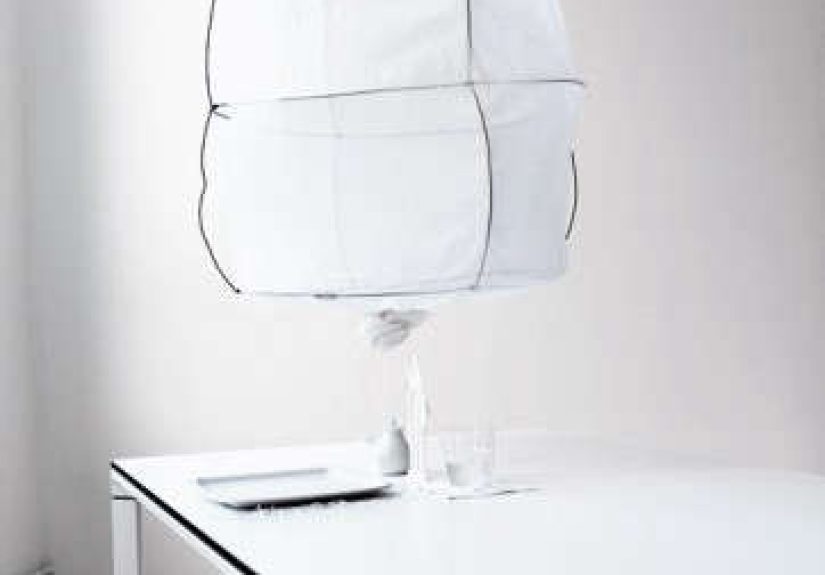
The Koushi lamp by Mark Eden Schooley is a handmade pendant light known for its organic, slightly irregular silhouette. It is typically constructed from a wire frame covered with cotton fabric. Some versions are described as using hand-twisted iron and Khadi cotton, while earlier descriptions mention steel wire and cotton voile. In plain English: it is a fabric-covered wire pendant that looks delicate, textured, and beautifully human.
The word “perfect” does not really belong here. The Koushi lamp is not perfect in the glossy showroom sense. Its edges may look softly frayed. Its body may lean into asymmetry. Its surface may wrinkle and glow unevenly. That is exactly why it works. It has the casual elegance of linen sheets, handmade ceramics, and a dinner party where nobody panics because the napkins do not match.
Key Characteristics
- Handmade appearance: Each lamp has an artisanal, one-of-a-kind quality.
- Airy structure: The wire frame creates volume without visual heaviness.
- Soft diffusion: Cotton fabric helps reduce glare and create a warm glow.
- Organic shape: The lamp looks sculptural without feeling formal.
- Minimalist style: It pairs well with modern, rustic, bohemian, Scandinavian, and Japanese-inspired interiors.
Why the Mark Eden Schooley Lamp Became a Design Favorite
The Mark Eden Schooley lamp became popular because it solved a common interior design problem: how do you add drama without adding noise? Many statement lights dominate a room. They enter like a brass marching band. The Koushi lamp, by contrast, has presence without ego.
Its lightness makes it useful in rooms that need softness. A glass pendant may feel too sharp. A metal pendant may feel too industrial. A crystal chandelier may feel like it wants its own Instagram account. The Koushi lamp sits in the middle: refined but relaxed, sculptural but not stiff, artistic but still livable.
Design blogs and interiors publications helped spread its reputation, especially after sightings in Parisian design spaces and boutique interiors. Its handmade construction also gave it the kind of authenticity that mass-produced lighting often tries very hard to imitate, usually while wearing a sticker that says “artisan-inspired.”
Materials: Wire, Cotton, and the Beauty of Restraint
One reason the Mark Eden Schooley Koushi lamp remains compelling is its limited material palette. The lamp does not rely on decorative excess. It uses wire for structure and cotton for softness. That restraint is the whole point.
The Wire Frame
The frame gives the lamp its body. Depending on the model or retailer description, the structure may be described as steel, iron, or hand-twisted wire. The frame is intentionally visible through the fabric, creating a subtle skeletal effect. It is not hidden; it becomes part of the design.
The Cotton Covering
The cotton covering gives the lamp its cloudlike personality. Fabric shades are excellent for creating diffused light because they soften the bulb’s brightness and reduce harsh shadows. In a Koushi lamp, the cotton also adds texture. The result is not just illumination; it is atmosphere.
The Handmade Difference
Handmade objects bring small irregularities. With this lamp, those irregularities are not flaws to apologize for. They are the reason the piece feels alive. In a world full of identical fixtures, a Mark Eden Schooley lamp reminds the room that hands made this thing, not just machines and a very serious spreadsheet.
How the Lamp Looks in Different Rooms
The Koushi lamp’s greatest trick is versatility. It looks delicate, but it is not limited to delicate rooms. Because of its simple form, it can blend into different interior styles while still adding personality.
Dining Room
Above a dining table, the lamp creates intimacy. Its diffused glow flatters food, faces, and the brave person who made risotto for the first time. Because the shade is visually light, it can be large without feeling oppressive. A generous pendant over a table often anchors the space, and the Koushi lamp does this with softness rather than bulk.
Bedroom
In a bedroom, the lamp works beautifully as a central pendant or even as a relaxed hanging fixture near a reading corner. Its cotton covering creates a gentle mood, especially when paired with a warm bulb. It is ideal for people who want their bedroom to feel calm, not like an airport lounge with pillows.
Living Room
In living rooms, the Mark Eden Schooley lamp can serve as an artistic focal point. It looks especially good with natural textures: linen sofas, oak tables, plaster walls, woven rugs, ceramic vases, and plants that are hopefully still alive.
Entryway
An entryway pendant needs to make a first impression without blocking movement. The Koushi lamp’s volume and lightness can make a foyer feel curated and warm. It says, “Welcome, we have taste,” but politely.
Design Styles That Pair Well With a Mark Eden Schooley Lamp
The Mark Eden Schooley Lamp fits into several popular design styles because it is simple, tactile, and organic. It does not force a room into one category.
Japandi Interiors
Japandi style blends Japanese simplicity with Scandinavian warmth. The Koushi lamp’s Japanese-inspired shape, handmade texture, and quiet color palette make it a natural fit. Pair it with pale woods, neutral walls, low furniture, and minimal clutter.
Bohemian Minimalism
If traditional bohemian style sometimes feels like a textile shop exploded politely, bohemian minimalism is the calmer cousin. A Koushi pendant adds craft and texture without overwhelming the room. It works well with rattan, linen, vintage pieces, and earthy tones.
Modern Rustic Spaces
In a modern rustic home, the lamp softens heavier elements such as stone, reclaimed wood, or black metal. Its fabric shade brings visual warmth, while its wire structure keeps it from looking too sweet.
Parisian-Inspired Rooms
Because Schooley is based in Paris and the lamp has been associated with Parisian design culture, it naturally suits interiors with relaxed European elegance. Think antique mirrors, simple linen curtains, worn wood floors, and a pendant that looks like it could have been found in a tiny design shop after three espressos and one life-changing croissant.
Choosing the Right Size
When selecting a fabric pendant lamp, scale matters. A lamp that is too small can look timid. A lamp that is too large can make guests wonder if the ceiling is molting. The goal is balance.
For dining tables, a common design guideline is to choose a pendant or chandelier that is roughly one-half to three-quarters the width of the table, while leaving breathing room around the edges. For kitchen islands or counters, multiple smaller pendants may provide better coverage than one oversized shade. With a large, airy lamp like the Koushi, you can often go slightly bigger because the fabric and wire construction keeps the visual weight low.
How High Should You Hang It?
Height affects both function and atmosphere. Over a dining table, many designers recommend hanging pendant lights around 30 to 36 inches above the tabletop, adjusting for ceiling height, shade size, and sightlines. The bottom of the fixture should not block conversation across the table. Nobody wants to discuss pasta through a glowing cotton cloud.
In open rooms or entryways, the lamp should hang high enough for safe clearance while still feeling connected to the space below. If the ceiling is very high, a longer cord can help the pendant feel intentional rather than lost in the rafters.
Best Bulbs for a Mark Eden Schooley Lamp
The right bulb is essential. A fabric pendant shade deserves a bulb that enhances warmth without creating harsh glare. Choose an LED bulb with a warm color temperature, usually around 2700K to 3000K, for a cozy residential feel. A dimmable bulb is even better because the lamp can shift from practical dinner lighting to soft evening glow.
Avoid overly bright, cool-white bulbs unless your goal is to make your living room feel like a dentist’s waiting area. The Koushi lamp is about atmosphere, not interrogation.
Original, Inspired, or DIY?
Because the Mark Eden Schooley lamp became so admired, many people have searched for DIY versions or inspired alternatives. Remodelista even published a DIY project years ago, noting that the lamp’s imperfect shape and frayed edges made it approachable for a handmade interpretation.
There is a difference, however, between being inspired by a design and expecting a homemade version to carry the same refinement. The original Koushi lamp is valued for its proportions, materials, handwork, and design lineage. A DIY version can be fun and charming, but it should be treated as an homage, not a substitute for the designer’s work.
When to Buy the Original
Buy the original if you want authenticity, craftsmanship, and the particular proportions that made the lamp famous. It is the best choice for design-focused interiors, boutique spaces, and homeowners who care about provenance.
When to Choose an Inspired Lamp
An inspired fabric pendant may make sense if your budget is smaller or you need a similar mood rather than the exact piece. Look for quality materials, safe wiring, and a shape that feels intentional rather than flimsy.
When to Try DIY
DIY is best for creative people who enjoy process as much as results. If you are easily offended by bent wire, uneven fabric, and your own glue decisions, proceed carefully.
Care and Maintenance
A cotton-covered lamp needs gentle care. Dust it regularly with a soft cloth, feather duster, or low-suction vacuum brush. Avoid soaking the fabric or using harsh cleaners, as water and chemicals may stain or distort the shade. If the lamp is installed in a kitchen, place it away from heavy grease zones. Cotton and cooking oil are not a glamorous couple.
Because pendant lights are hardwired, installation should be handled by a qualified electrician if you are not experienced with electrical work. Good design should brighten your life, not turn installation day into a suspense film.
Why This Lamp Still Feels Current
The Mark Eden Schooley lamp continues to feel relevant because it aligns with several lasting interior design values: handmade quality, natural materials, warm lighting, and sculptural simplicity. Trends come and go, but rooms always need texture, softness, and human warmth.
In recent years, many homeowners have moved away from cold, over-polished interiors and toward spaces that feel personal. The Koushi lamp fits that shift perfectly. It looks curated but not overdesigned. It has enough character to be memorable and enough restraint to live with every day.
Practical Styling Examples
Example 1: The Calm Dining Room
Place a white Koushi pendant over a natural oak dining table. Add wishbone chairs, a linen table runner, matte ceramic plates, and one large vase with branches. The room instantly feels peaceful, but not boring.
Example 2: The Textured Bedroom
Hang the lamp in the center of a bedroom with plaster-style walls, oatmeal bedding, and a low wood platform bed. Use a dimmable warm bulb. The effect is soft, restful, and quietly luxurious.
Example 3: The Modern Apartment
In a white-walled city apartment, pair the lamp with black-framed furniture, a vintage rug, and simple artwork. The lamp softens the hard lines and prevents the room from looking like a very stylish spreadsheet.
Experience Section: Living With a Mark Eden Schooley Lamp
Living with a Mark Eden Schooley Lamp is less about owning a light fixture and more about changing the emotional temperature of a room. The first thing most people notice is not the lamp itself, but the atmosphere it creates. You turn it on, and suddenly the room feels slower. Softer. More intentional. The ceiling stops being just a ceiling and becomes part of the design.
In a dining space, the experience is especially noticeable. A hard, direct fixture can make dinner feel like a meeting. The Koushi-style lamp does the opposite. It gathers people in. The fabric diffuses the light so faces look warmer, plates look more inviting, and even takeout looks like it has been emotionally upgraded. The lamp does not try to be the center of conversation, yet guests often ask about it. That is a rare design trick: being quiet and memorable at the same time.
During the day, the lamp behaves almost like a hanging sculpture. The cotton shade catches natural light, and the wire frame gives it a subtle shadow pattern. It looks best when there is a little breathing room around it. If the surrounding space is too crowded, the lamp’s delicate shape can get lost. Give it air, and it rewards you by making the whole room feel lighter.
At night, the experience depends heavily on the bulb. With a warm dimmable LED, the lamp becomes cozy and atmospheric. With a bulb that is too cool or too bright, the magic fades quickly. This is one of those fixtures that teaches you the importance of lighting temperature. The lamp may be beautiful, but the wrong bulb can make it look like it is preparing for a medical exam.
Another part of the experience is accepting imperfection. If you are the kind of person who wants every object perfectly symmetrical, the Koushi lamp may test your patience. Its charm comes from irregularity. The frame may feel organic rather than exact. The fabric may not sit with machine-like precision. But that is the point. It brings warmth because it looks touched by human hands.
Maintenance is simple but requires gentleness. Dust is the main issue, especially with lighter cotton. A soft duster used regularly keeps the shade looking fresh. In kitchens, placement matters. Hanging a cotton lamp too close to steam, grease, or enthusiastic frying is not ideal. In dining rooms, bedrooms, offices, and calm living areas, it performs beautifully.
The biggest emotional benefit is that the lamp makes a room feel designed without making it feel decorated to death. It does not demand matching furniture. It does not require a perfect home. In fact, it often looks best in rooms with a little life: books on a shelf, a wooden table with marks, a slightly rumpled linen sofa, fresh flowers that are trying their best. The Mark Eden Schooley lamp belongs in spaces where beauty and ease can sit at the same table.
For anyone considering one, the best advice is to think beyond the object. Do not ask only, “Do I like this lamp?” Ask, “Do I like the kind of room this lamp creates?” If your answer is yes, then the Mark Eden Schooley lamp may be exactly the kind of design investment that quietly improves your daily life. It will not cook dinner, answer emails, or fold laundry. Shame, really. But it will make the room where all those things happen feel softer, warmer, and more human.
Conclusion
The Mark Eden Schooley Lamp is more than a pendant light. It is a study in softness, restraint, and handmade beauty. Through the Koushi lamp, Schooley created a design that feels artistic without becoming precious, simple without becoming plain, and relaxed without becoming sloppy.
Its wire-and-cotton construction, organic silhouette, and warm diffusion make it a natural choice for dining rooms, bedrooms, living spaces, and interiors that value texture over flash. Whether you choose an original piece, admire it from afar, or use it as inspiration for a broader lighting concept, the Mark Eden Schooley lamp offers an important lesson: good lighting does not just help you see a room. It helps you feel it.
Note: This article is for interior design and informational purposes. For any hardwired pendant installation, consult a licensed electrician and follow local electrical codes.