Table of Contents >> Show >> Hide
- What Does 11 Weeks Pregnant Mean?
- Baby Development at 11 Weeks Pregnant
- Common 11 Weeks Pregnant Symptoms
- 11 Weeks Pregnant Belly: Should You Be Showing?
- Prenatal Care at 11 Weeks Pregnant
- Nutrition Tips for 11 Weeks Pregnant
- Foods and Habits to Avoid at 11 Weeks Pregnant
- Exercise and Movement at 11 Weeks Pregnant
- Emotional Health During Week 11
- When to Call a Healthcare Provider
- Practical Tips for 11 Weeks Pregnant
- Experiences Related to 11 Weeks Pregnant: Real-Life Feelings, Moments, and Lessons
- Conclusion
Welcome to 11 weeks pregnant, the stage where your body may feel like it is running three apps, two software updates, and a snack craving algorithm all at once. You are still in the first trimester, but you are getting very close to the second trimester finish line. For many people, week 11 brings a mix of excitement, fatigue, nausea, mood swings, and the very real question: “Is my belly showing, or did I just eat pasta?”
At 11 weeks pregnant, your baby is growing quickly, facial features are becoming more defined, tiny bones are hardening, and movement is happening inside the uterus even if you cannot feel it yet. Meanwhile, pregnancy hormones are still busy creating symptoms that can range from “I need a nap immediately” to “why does the refrigerator smell like betrayal?”
This guide breaks down 11 weeks pregnant symptoms, baby development, belly changes, prenatal care tips, food and lifestyle advice, and when to call a healthcare provider. It is written for real life, because pregnancy is not a perfectly filtered photo shoot. It is beautiful, weird, emotional, and occasionally powered by crackers.
What Does 11 Weeks Pregnant Mean?
Pregnancy is usually counted from the first day of your last menstrual period, not from the exact day of conception. That means when you are 11 weeks pregnant, your baby has been developing for about nine weeks after conception. You are in the final stretch of the first trimester, which runs through week 12.
This is a big developmental window. The embryo stage has passed, and your baby is now called a fetus. Many major organs and body systems have already started forming, but they will continue to mature throughout pregnancy. Think of week 11 as the construction phase where the basic structure is in place, but the wiring, plumbing, and finishing touches still need plenty of time.
Baby Development at 11 Weeks Pregnant
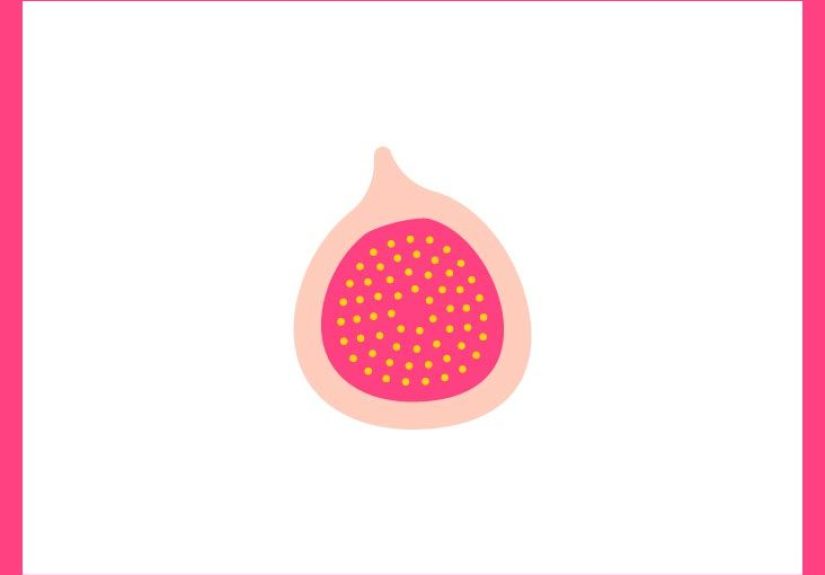
At 11 weeks pregnant, your baby is often compared to the size of a fig, lime, or small strawberry, depending on the pregnancy app you ask. Measurements vary, but the fetus is roughly around 1.5 to 2 inches long from crown to rump. That may sound tiny, but a lot is happening in that small space.
Facial Features Are Becoming More Defined
Your baby’s face is changing quickly. The eyes are still widely spaced and the eyelids remain closed, but the facial structure is becoming more recognizable. The ears are moving closer to their final position, and tiny tooth buds are forming under the gums. It is far too early for a baby selfie, but the blueprint is getting clearer.
Bones Are Hardening
Your baby’s bones are beginning to harden, a process that will continue for months. The head still makes up a large portion of the body, which is completely normal at this stage. Over the next several weeks, the body will lengthen and become more proportionate.
Tiny Movements Are Happening
At 11 weeks, the fetus may open and close tiny fists, move arms and legs, and make subtle body movements. You probably cannot feel these movements yet because the baby is still very small. Most people feel first kicks later, often sometime in the second trimester. For now, the activity is happening quietly, like a tiny dance party you have not been invited to feel yet.
External Genitals Begin Developing
The external genitals are starting to develop, but it is usually too early to determine sex accurately on an ultrasound. Even if a technician gets a good view, week 11 is often not the moment for a confident answer. Patience is not pregnancy’s most popular feature, but it is useful here.
Common 11 Weeks Pregnant Symptoms
Pregnancy symptoms at 11 weeks can vary widely. Some people feel miserable, some feel surprisingly normal, and many bounce between the two before lunch. Hormones, blood volume changes, digestion changes, and your body’s increased workload all play a role.
Nausea and Morning Sickness
Nausea is one of the most common first-trimester symptoms. Despite the name “morning sickness,” it can show up in the morning, afternoon, evening, or right when you finally thought you were safe. Some people find symptoms begin easing around this time, while others may continue feeling queasy for several more weeks.
Small meals, bland foods, crackers before getting out of bed, ginger, hydration, and avoiding strong smells may help. If you cannot keep fluids down, are losing weight, feel dizzy, or have signs of dehydration, contact your healthcare provider. Severe nausea and vomiting may need medical treatment.
Fatigue
Feeling exhausted at 11 weeks pregnant is very normal. Your body is supporting rapid fetal development, building the placenta, increasing blood volume, and adjusting to major hormonal shifts. If your couch suddenly looks like a five-star resort, that is not laziness. That is biology asking for a reservation.
Try short naps, earlier bedtimes, light movement, and balanced snacks with protein and fiber. Fatigue often improves in the second trimester, although every pregnancy writes its own script.
Breast Tenderness
Your breasts may feel sore, heavy, swollen, or extra sensitive. Hormones are preparing your body for breastfeeding, even though delivery still feels far away. A supportive bra can make a big difference, especially at night or during exercise.
Frequent Urination
You may be visiting the bathroom more often thanks to increased blood flow, hormone changes, and your uterus beginning to expand. Keep drinking water, even if your bladder has become the main character of your day. Dehydration can make headaches, constipation, and dizziness worse.
Bloating, Gas, and Constipation
Progesterone relaxes smooth muscle, which slows digestion. The result may be bloating, gas, constipation, and a belly that feels more dramatic by evening. Fiber-rich foods, water, gentle walking, and regular meals can help keep things moving. If constipation becomes painful or persistent, ask your provider which remedies are safe during pregnancy.
Food Aversions and Cravings
One day you love eggs; the next day eggs are personally offensive. Food aversions and cravings are common at 11 weeks pregnant. Strong smells may also trigger nausea. Focus on getting enough nutrition overall rather than forcing yourself to eat foods that make you gag. If vegetables are temporarily impossible, try fruit, smoothies, soups, or milder cooked options.
Mood Swings
Mood swings are common in early pregnancy. Hormones, poor sleep, nausea, body changes, and the emotional reality of becoming a parent can all affect how you feel. You may cry at a commercial, get irritated by a spoon in the sink, or feel overjoyed and anxious in the same hour. Give yourself grace. Pregnancy is not just physical; it is emotional remodeling.
Headaches and Dizziness
Some people experience headaches or dizziness during the first trimester. Possible triggers include hormonal changes, dehydration, low blood sugar, stress, lack of sleep, or caffeine changes. Eat regularly, drink water, stand up slowly, and rest when needed. Severe headaches, vision changes, fainting, or intense dizziness should be discussed with a healthcare provider promptly.
11 Weeks Pregnant Belly: Should You Be Showing?
At 11 weeks pregnant, your belly may or may not look different. First-time pregnancies often show later because the abdominal muscles have not stretched before. People who have been pregnant before may notice changes earlier. Body shape, bloating, posture, uterus position, and clothing style also matter.
If your jeans feel tight, that does not always mean it is “baby bump” yet. Bloating can do impressive work at this stage. Stretchy waistbands, leggings, flowy tops, and the classic hair-tie trick on jeans can help you stay comfortable. There is no award for wearing uncomfortable pants.
Prenatal Care at 11 Weeks Pregnant
If you have not had your first prenatal appointment yet, now is a good time to schedule one. Early prenatal care helps your provider confirm dating, review your medical history, check blood pressure, order routine labs, discuss medications, and answer questions.
Depending on your situation, your provider may discuss genetic screening options, ultrasound timing, blood tests, and lifestyle recommendations. Some screening tests are offered around the end of the first trimester or early second trimester, so week 11 is a useful time to understand your options.
Questions to Ask at Your Appointment
Consider bringing a short list of questions. Pregnancy brain is real, and it has no respect for appointment schedules. You might ask:
- Which prenatal vitamin do you recommend?
- Are my current medications or supplements safe?
- What foods should I avoid?
- How much exercise is safe for me?
- What symptoms should make me call right away?
- What screening tests are available in the next few weeks?
Nutrition Tips for 11 Weeks Pregnant
At 11 weeks pregnant, nutrition does not need to be perfect. It needs to be consistent enough to support you and your growing baby. If nausea is making meals difficult, aim for small improvements rather than an Instagram-worthy rainbow bowl at every meal.
Focus on Key Nutrients
Important pregnancy nutrients include folic acid, iron, calcium, vitamin D, protein, iodine, choline, and omega-3 fatty acids. A prenatal vitamin can help fill gaps, but it does not replace food. Try to include fruits, vegetables, whole grains, lean proteins, dairy or fortified alternatives, beans, nuts, seeds, and healthy fats when possible.
Keep Taking Folic Acid
Folic acid is especially important in early pregnancy because it helps support neural tube development. Many prenatal vitamins contain folic acid or folate, along with other nutrients. Ask your healthcare provider if you are unsure which supplement is right for you.
Eat Small, Frequent Meals
If nausea is still hanging around like an unwanted houseguest, smaller meals may be easier than three large meals. Try simple combinations such as toast with peanut butter, yogurt with fruit, rice with eggs, soup with crackers, or a smoothie with protein. Keep easy snacks nearby so your blood sugar does not drop too low.
Choose Safe Fish
Fish can provide protein and omega-3 fatty acids, but it is important to choose lower-mercury options. Salmon, sardines, anchovies, trout, and tilapia are commonly listed as lower-mercury choices. Avoid high-mercury fish such as shark, swordfish, king mackerel, and bigeye tuna. When in doubt, ask your provider for guidance based on local recommendations.
Limit Caffeine
Many pregnancy guidelines suggest keeping caffeine below 200 milligrams per day. That includes coffee, tea, energy drinks, chocolate, and some sodas. If coffee suddenly tastes like burnt sadness, this limit may take care of itself. If you love coffee, measure portions so you know where you stand.
Foods and Habits to Avoid at 11 Weeks Pregnant
Pregnancy food safety is about lowering the risk of foodborne illness and exposure to substances that may harm fetal development. Avoid raw or undercooked meat, raw seafood, unpasteurized milk or cheeses, raw sprouts, and foods that have not been stored safely. Heat deli meats and hot dogs until steaming if you choose to eat them.
Avoid alcohol during pregnancy. Also talk with your healthcare provider before taking over-the-counter medicine, herbal products, or supplements. “Natural” does not automatically mean safe in pregnancy, and your placenta does not accept marketing claims as medical evidence.
Exercise and Movement at 11 Weeks Pregnant
For many uncomplicated pregnancies, regular moderate exercise is encouraged. Walking, swimming, prenatal yoga, stationary cycling, and light strength training may be good options. If you were active before pregnancy, your provider may say you can continue with modifications. If you are just starting, begin gently.
A helpful rule is the talk test: during moderate activity, you should be able to talk but not sing. Stop exercising and call your provider if you have vaginal bleeding, chest pain, dizziness, severe shortness of breath, calf pain or swelling, fluid leakage, or painful contractions.
Emotional Health During Week 11
The emotional side of pregnancy deserves real attention. You might feel thrilled, scared, overwhelmed, detached, grateful, annoyed, or all of the above. If you have had pregnancy loss, fertility challenges, financial stress, relationship changes, or health concerns, week 11 can feel especially complicated.
Talk to someone you trust. This could be a partner, friend, family member, therapist, support group, or healthcare provider. If anxiety or sadness feels intense, persistent, or hard to manage, bring it up at your prenatal visit. Mental health is pregnancy health.
When to Call a Healthcare Provider
Some symptoms can be normal, but others deserve medical attention. Call your healthcare provider if you have heavy bleeding, severe abdominal pain, intense cramping, fever, painful urination, persistent vomiting, signs of dehydration, fainting, severe headache, vision changes, or one-sided pelvic pain.
Light spotting can happen in early pregnancy, but it is still worth mentioning to your provider, especially if it comes with pain. Trust your instincts. You are not “bothering” anyone by asking about concerning symptoms. That is exactly what prenatal care is for.
Practical Tips for 11 Weeks Pregnant
1. Build a Nausea Kit
Keep crackers, water, ginger candies, mints, a small snack, and a plastic bag in your purse or car. It may sound dramatic until the day a random smell attacks you in a grocery aisle.
2. Upgrade Your Comfort
Soft bras, stretchy waistbands, supportive shoes, and breathable pajamas can make daily life easier. Comfort is not a luxury right now; it is a survival strategy.
3. Start a Pregnancy Notes App
Use your phone to track questions, symptoms, cravings, appointment notes, and funny moments. Later, you may enjoy remembering that week when pickles were heroic and chicken was suspicious.
4. Protect Your Sleep
Go to bed earlier when possible, reduce screen time before bed, and keep snacks nearby if nausea wakes you up. A small bedtime snack with protein may help some people avoid waking up queasy.
5. Do Not Compare Your Pregnancy
Your friend may have a visible bump, zero nausea, and glowing skin. You may have bloating, acne, and a complicated relationship with toothpaste. Both can be normal. Pregnancy is not a group project with identical results.
Experiences Related to 11 Weeks Pregnant: Real-Life Feelings, Moments, and Lessons
Many people describe 11 weeks pregnant as a strange in-between stage. You may not look obviously pregnant yet, but you definitely feel pregnant. This can make daily life confusing. You might be exhausted, nauseated, emotional, and hungry, yet people around you may have no idea what is going on. If you have not announced the pregnancy, you may be quietly surviving meetings, family dinners, school pickups, or work shifts while pretending everything is normal. That takes energy.
One common experience at week 11 is feeling impatient for reassurance. You may be waiting for the next appointment, listening for a heartbeat, or counting the days until the second trimester. This waiting period can feel long. Some people cope by reading pregnancy updates, organizing appointment questions, or doing small practical tasks like comparing prenatal vitamins or planning comfortable outfits. Others cope by ignoring pregnancy apps for a few days because too much information makes them anxious. Both approaches are understandable.
Another real-life experience is the food roller coaster. A meal that sounded amazing yesterday may become impossible today. You may crave cold fruit, salty crackers, noodles, cereal, potatoes, or anything simple. Some people feel guilty when they cannot eat perfectly, but week 11 is often about doing your best with the stomach you have. If your dinner is toast, banana, and yogurt, that still counts as feeding yourself. Pregnancy nutrition is built over weeks and months, not one flawless plate.
There is also the emotional experience of body changes. Your belly may look bloated rather than pregnant, and your clothes may feel uncomfortable. This can be frustrating because you may not feel ready for maternity clothes but also cannot stand your regular jeans. The solution is not to tough it out. Try leggings, loose dresses, soft joggers, belly bands, or pants with forgiving waistbands. Your body is doing serious work. It deserves clothing that does not argue.
Many people at 11 weeks also begin thinking about announcements. Should you tell family now? Wait until after screening? Tell your boss? Tell close friends only? There is no single correct timeline. Some people want support early, while others prefer privacy until later. The best choice is the one that protects your peace, safety, and support system. You can also tell people in layers: one trusted person now, family later, social media much later, or never in a big public way.
Finally, week 11 can bring moments of quiet wonder. Even if symptoms are annoying, there may be flashes of amazement: a tiny fetus is developing bones, facial features, movements, and organs inside your body. That is wild. It is also okay if you do not feel magical every second. Pregnancy can be meaningful and uncomfortable at the same time. You can be grateful and tired. Excited and nervous. Hopeful and cranky. Human feelings are allowed here.
The best experience-based advice for 11 weeks pregnant is simple: take the day in smaller pieces. Eat what you can. Rest when possible. Ask questions. Wear comfortable pants. Call your provider when something worries you. Celebrate small milestones. And remember, you are getting close to the end of the first trimester. One cracker, one nap, one appointment, and one deep breath at a time, you are moving forward.
Conclusion
At 11 weeks pregnant, your baby is developing quickly, and your body is still adjusting to the powerful changes of the first trimester. Symptoms like nausea, fatigue, breast tenderness, bloating, cravings, and mood swings can be completely normal, but severe or concerning symptoms should always be discussed with a healthcare provider. This week is a great time to focus on prenatal care, nutrition, hydration, gentle movement, emotional support, and practical comfort.
You do not need to do pregnancy perfectly. You need good information, steady care, and permission to be a real person through the process. Whether you are glowing, queasy, sleepy, excited, anxious, or all of the above, 11 weeks pregnant is a meaningful milestone. The second trimester is getting closer, and so is the next chapter of this very strange, very special adventure.