Table of Contents >> Show >> Hide
- What macular degeneration is (and why your plate matters)
- The 3 diet goals that actually make sense for AMD
- Foods to eat for macular degeneration (and why they help)
- Leafy greens (the MVP category)
- Brightly colored vegetables (orange/red/yellow = helpful)
- Fatty fish (omega-3s and retina support)
- Nuts, seeds, olive oil, and avocado (healthy fats that help nutrients “stick”)
- Beans and whole grains (low-glycemic, high-fiber fuel)
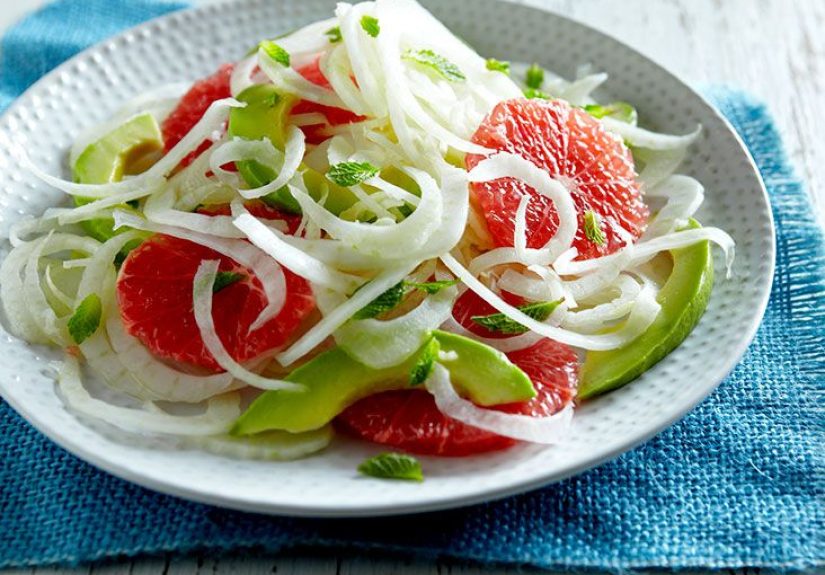
- Fruits (especially berries and citrus)
- Eggs (yes, yolks included)
- A simple “eye-health plate” you can repeat without getting bored
- Foods to limit (because your eyes don’t love chaos)
- Mediterranean-style eating: the “boring answer” that keeps winning
- What about supplements? (Where AREDS2 fits, and where it doesn’t)
- Easy meal ideas (because “eat more greens” is not a meal)
- A one-day sample menu (simple, realistic, repeatable)
- Frequently asked questions
- Real-life experiences: what people notice when they shift to an AMD-friendly diet (about )
- Conclusion
If your eyes had a “check engine” light, macular degeneration would be the moment you’d stop pretending you didn’t see it. The good news: food can’t magically “cure” age-related macular degeneration (AMD), but what you eat can support overall eye health, help protect the retina from oxidative stress, anddepending on your AMD stagework alongside your treatment plan to help slow progression.
Quick, important note: This article is for education, not medical advice. AMD is a medical condition that needs eye-care follow-up. If you have vision changes (wavy lines, a blurry spot in the center of vision, sudden worsening), contact an eye doctor promptly.
What macular degeneration is (and why your plate matters)
The macula is the small center area of the retina responsible for sharp, straight-ahead visionreading, driving, recognizing faces, and admiring your own perfectly centered selfies. In AMD, cells in and around the macula become damaged over time. While age and genetics are big factors you can’t control, lifestyle factors you can controlespecially smoking and dietstill matter.
Food influences eye health in a few big ways:
- Antioxidant protection: Many plant foods provide antioxidants that help counter oxidative stress.
- Macular pigments: Certain nutrients (especially lutein and zeaxanthin) build up in the macula and are linked to eye health.
- Vascular support: The retina depends on healthy blood vessels; heart-healthy eating often overlaps with eye-healthy eating.
- Blood sugar stability: Diet patterns that reduce blood sugar spikes may help reduce long-term stress on retinal tissues.
The 3 diet goals that actually make sense for AMD
1) Build up macular “shield” nutrients: lutein + zeaxanthin
Lutein and zeaxanthin are carotenoids found in many brightly colored and dark green foods. They’re commonly discussed in AMD nutrition because higher dietary intake is associated with better eye-health outcomes in multiple studies. Translation: your macula likes saladsbut not the sad desk-lunch kind.
2) Lower oxidative stress and inflammation with an overall pattern
AMD research doesn’t point to one magic berry that saves the day. It points to patterns: more vegetables, fruits, legumes, nuts, fish, and healthy fats; fewer ultra-processed foods and added sugars. Think “Mediterranean-ish,” not “miserable-ish.”
3) Keep blood sugar steadier with smarter carbs
High-glycemic foods (those that spike blood sugar quickly) are linked to higher AMD risk/progression in several research lines. You don’t have to fear carbsjust choose carbs that come with fiber and structure (whole grains, beans, vegetables) more often than carbs that come with… dust (chips) or sadness (sugary cereal).
Foods to eat for macular degeneration (and why they help)
Leafy greens (the MVP category)
Dark leafy greens are classic for a reason: they’re rich in lutein and zeaxanthin, plus vitamin C and other protective compounds.
- Kale, spinach, collard greens, turnip greens
- Romaine, arugula, Swiss chard
- Broccoli and Brussels sprouts (not leafy, still worthy)
Easy win: Toss a handful of spinach into eggs, pasta, soup, smoothies, or basically anything that will hold still long enough.
Brightly colored vegetables (orange/red/yellow = helpful)
Color often signals carotenoids and other antioxidants. Aim for variety across the week.
- Bell peppers, tomatoes, carrots
- Squash, pumpkin, sweet potatoes
- Corn (bonus: zeaxanthin)
Fatty fish (omega-3s and retina support)
The retina is rich in fats, and omega-3 fatty acids are often discussed in eye-health nutrition. Fish also supports heart healthhandy, because what helps blood vessels tends to help the eyes, too.
- Salmon, sardines, trout, mackerel
- Tuna (choose lower-mercury options when possible; vary your seafood)
How often? Many heart-healthy eating patterns include fish a couple of times per week. If you don’t eat fish, talk to a clinician or dietitian about omega-3 options that fit your needs.
Nuts, seeds, olive oil, and avocado (healthy fats that help nutrients “stick”)
Carotenoids are fat-soluble, meaning your body absorbs them better with dietary fat. So yes, that drizzle of olive oil is doing more than making your salad taste like food.
- Extra-virgin olive oil, avocado
- Almonds, walnuts, pistachios
- Sunflower seeds, chia, flax, pumpkin seeds
Beans and whole grains (low-glycemic, high-fiber fuel)
For AMD-friendly carbs, think: slow digestion, steadier blood sugar, more fiber.
- Beans, lentils, chickpeas
- Oats (especially less-processed styles), quinoa, brown rice
- Whole-grain bread or pasta (check for whole grains as the first ingredient)
Small swap that adds up: Replace white bread/rice more often with whole-grain versionsor pair refined carbs with fiber/protein (like adding beans or nuts) to smooth out the blood sugar response.
Fruits (especially berries and citrus)
Fruit delivers vitamin C, polyphenols, and fiber. Berries get extra love for their antioxidant content.
- Blueberries, strawberries, blackberries
- Oranges, grapefruit, kiwi
- Cherries, apples, pears
Eggs (yes, yolks included)
Egg yolks provide lutein and zeaxanthin in a form many people absorb well. Pair eggs with veggies for a double win: omelets, frittatas, breakfast tacos, or a “whatever’s-in-the-fridge” scramble.
A simple “eye-health plate” you can repeat without getting bored
If you want an easy structure that doesn’t require a nutrition degree:
- Half the plate: vegetables (include dark leafy greens often)
- Quarter of the plate: protein (fish, beans, chicken, tofu, eggs)
- Quarter of the plate: high-fiber carbs (beans, oats, quinoa, whole grains)
- Add: healthy fat (olive oil, nuts, avocado) to help absorb carotenoids
Foods to limit (because your eyes don’t love chaos)
No food is “forbidden,” but some choices are best kept as occasional visitors rather than roommates:
- Refined carbs and added sugars: soda, candy, pastries, many sugary cereals
- Ultra-processed snacks: chips, packaged sweets, highly processed fast foods
- High saturated fat patterns: frequent fried foods, heavy processed meats
- Excess sodium: not “eye-specific,” but relevant for blood pressure and vascular health
Practical mindset: add helpful foods first. When your meals are packed with vegetables, beans, fish, and whole grains, the “less helpful” stuff naturally gets crowded out.
Mediterranean-style eating: the “boring answer” that keeps winning
When researchers look at dietary patterns and AMD, a Mediterranean-style approach often shows up as a strong option. It emphasizes:
- Vegetables and fruits daily
- Legumes and whole grains often
- Fish regularly
- Olive oil and nuts as key fats
- Less red/processed meat and fewer ultra-processed foods
If you want a simple way to start: build meals around plants + healthy fats, then add protein. Your macula doesn’t need a trendy cleanse; it needs consistency.
What about supplements? (Where AREDS2 fits, and where it doesn’t)
This part matters because it’s easy to waste moneyor take something that isn’t right for you.
AREDS/AREDS2: helpful for certain AMD stages
Large clinical trials found that specific vitamin/mineral combinations (commonly referred to as the AREDS/AREDS2 formulas) can help delay progression from intermediate to advanced AMD in some people. These supplements are not a prevention strategy for people without AMD, and they generally don’t help early AMD the same way they help intermediate/late stages.
Don’t DIY the supplement aisle
High-dose supplements can interact with medications and may not be appropriate for everyone. For example, some formulations include beta-carotene, which is not recommended for people who smoke or used to smoke. Your eye doctor can tell you whether an AREDS2-style supplement makes sense based on your specific AMD stage and health history.
Bottom line: Food first, supplements when appropriate, and your eye-care clinician as the final boss of that decision.
Easy meal ideas (because “eat more greens” is not a meal)
Breakfast
- Veggie omelet with spinach + tomatoes, topped with avocado
- Oatmeal with walnuts + berries (add cinnamon; your taste buds deserve joy)
- Greek yogurt with fruit + chia seeds
Lunch
- Big salad: mixed greens + chickpeas + peppers + olive oil vinaigrette
- Tuna or salmon salad (olive oil-based) in a whole-grain wrap with leafy greens
- Lentil soup with a side of roasted vegetables
Dinner
- Sheet-pan salmon + broccoli + sweet potatoes
- Bean-and-veggie chili (extra peppers, tomatoes, and greens stirred in at the end)
- Whole-grain pasta with sautéed spinach, olive oil, garlic, and shrimp
Snacks
- Handful of nuts (pistachios, walnuts, almonds)
- Carrots + hummus
- Fruit + a spoonful of nut butter
A one-day sample menu (simple, realistic, repeatable)
- Breakfast: Oatmeal + blueberries + walnuts
- Lunch: Spinach salad with chickpeas, tomatoes, bell peppers, olive oil, and a sprinkle of seeds
- Snack: Yogurt + strawberries
- Dinner: Baked salmon, quinoa, and roasted Brussels sprouts
- Dessert: Fruit (or a small treatbecause stress is also not eye-friendly)
Frequently asked questions
Can diet reverse macular degeneration?
Diet can’t “undo” AMD-related damage, but it can support eye health and may help reduce the risk of progression when combined with appropriate medical care and healthy lifestyle habits.
Is there one “best” food for AMD?
If someone tries to sell you a single miracle food, keep your wallet in your pocket. The best evidence supports diet patternsespecially plant-forward, Mediterranean-style eatingplus key nutrients like lutein/zeaxanthin and omega-3s.
If I have wet AMD, does diet still matter?
Yes, but it’s not a substitute for treatment. Wet AMD usually requires medical management. Diet is supportivethink of it as strengthening the “foundation” while your eye doctor handles the “repairs.”
Do I have to be perfect?
No. Your eyes benefit from the direction of your habits, not a 100% perfect streak. If you eat leafy greens and fish more often than you used to, that’s progress.
Real-life experiences: what people notice when they shift to an AMD-friendly diet (about )
Because nutrition advice can sound like a list of chores, it helps to talk about what the change actually feels like in day-to-day life. Below are common experiences people report when they build a more eye-friendly patternshared as realistic, composite stories (not medical claims, and not a substitute for personalized care).
1) “I expected a miracle. I got momentum.” One common starting point is disappointment that food doesn’t create instant vision changes. Many people describe the first win as something else: control. Instead of feeling like AMD is driving, they’re doing something concreteadding greens, swapping in oats, cooking salmon once a week. The benefit they feel most quickly is often improved energy and steadier afternoon focus (because balanced meals tend to do that), which makes it easier to stick with new routines. Funny how eating real food makes your body act like it appreciates you.
2) Grocery shopping gets simpler after the “three-anchor” rule. People who succeed long-term often stop chasing “perfect” and start chasing “repeatable.” A popular approach is keeping three anchors on hand: (a) a leafy green (spinach or kale), (b) a protein (eggs, canned salmon, beans), and (c) a high-fiber carb (oats, quinoa, whole-grain bread). With those anchors, meals become mix-and-match instead of mentally exhausting. When your plan is “greens + protein + fiber + olive oil,” you can build dinner even when you’re tired.
3) Social situations are the sneaky challenge. At home, it’s easy to sauté spinach. At restaurants, it’s suddenly a carnival of fries. Many people say the most helpful mindset is “add, don’t scold.” They’ll order the entrée they want, then add a side salad or a veggie starter. Or they’ll split dessert and keep it moving. This reduces the all-or-nothing spiral (the one where you eat one cookie and decide the entire week is ruined). Spoiler: it’s not ruined. It’s just… Tuesday.
4) Family buy-in matters more than willpower. People frequently report better adherence when the household shifts together: swapping white bread for whole grain, making a big pot of lentil soup, roasting vegetables in batches. Even small changeslike putting nuts and fruit where snacks livecan change what happens on autopilot. If you’re caring for someone with AMD, the most supportive move is making the “healthy choice” the easy choice, not the lecture choice.
5) The “best” plan is the one that fits medical reality. Some people feel relieved when their clinician clarifies whether an AREDS2-type supplement is appropriate for their AMD stage. Others feel relieved when they learn supplements aren’t necessary for them right now. In both cases, the experience is similar: less guessing, more confidence. Food becomes the daily baseline, and medical care stays in its proper lane. That’s the long gamesteady habits, regular eye follow-ups, and realistic expectations.
Conclusion
A macular degeneration diet isn’t a restrictive “eye diet.” It’s a smart, heart-healthy, plant-forward way of eating that emphasizes leafy greens, colorful vegetables, fruit, beans, whole grains, healthy fats, and fishwhile limiting ultra-processed foods and sugar spikes. The benefits are practical: better nutrient intake (especially lutein and zeaxanthin), steadier blood sugar, and a pattern that supports overall health. If you have AMD, ask your eye doctor whether an AREDS2-style supplement fits your stage. Then focus on what you can do every day: build a plate your macula can cheer for.