Table of Contents >> Show >> Hide
- Why Cocktail Basics Matter More Than Fancy Ingredients
- Your Lean, No-Drama Home Mixology Kit
- Flavor Architecture: The Mixologist’s “Control Panel”
- Shake vs Stir: Your First Big Skill Upgrade
- Dilution Is an Ingredient (Not an Accident)
- Syrups and Sweeteners Without Guesswork
- Acid, Bitterness, and Carbonation: The “Wow” Layer
- Garnish Is Functional, Not Cosmetic
- Seven Zero-Proof Drink Templates Every Beginner Should Learn
- Batching for Parties Without Losing Your Mind
- Common Beginner Mistakes (And Fast Fixes)
- A 14-Day Skill Plan to Become Legit at Home
- Experience Section: 500+ Words of Real At-Home Mixology Lessons
- Conclusion
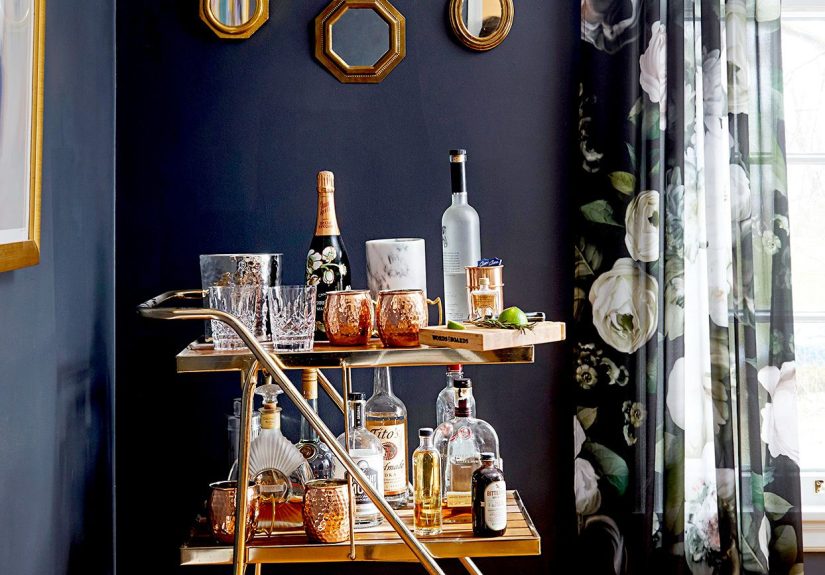
Let’s get one thing out of the way: “at-home mixologist” does not mean owning a cart that looks like a chemistry lab had a stylish baby with a vintage hotel lobby. It means understanding flavor, technique, and balance well enough to make drinks people actually finish (and ask for again). This guide is built as a modern, practical, zero-proof-friendly blueprint so anyoneincluding readers under the legal drinking agecan learn real mixology skills safely.
If you’ve ever made a drink that was either “toothpaste-level minty” or “why is this basically lemon water?”, you’re in the right place. By the end, you’ll know what tools matter, how shaking and stirring change texture, how to fix a flat-tasting drink, and how to build crowd-pleasing drinks without panic-mixing one glass at a time while your guests stare at you like it’s a live cooking show.
Why Cocktail Basics Matter More Than Fancy Ingredients
Beginners usually think better drinks come from rare ingredients. In reality, better drinks come from repeatable process. Two people can use the same ingredients and make completely different results depending on:
- Measurement accuracy
- Ice quality and dilution control
- Shake/stir decision
- Sweet-sour balance
- Temperature and glass prep
- Aroma (yes, garnish is not just decoration)
Translation: method first, shopping spree second.
Your Lean, No-Drama Home Mixology Kit
You do not need 47 tools. You need the right 8.
1) Jigger (or mini measuring cup)
Precision is everything. “Eyeballing” is fun until every drink tastes different. A jigger gives consistency and helps you learn ratios faster.
2) Shaker
Essential for drinks with citrus, dairy-free creamers, or fruit purees where aeration and chill matter.
3) Mixing glass + bar spoon
For spirit-free “clear” builds and aromatic drinks that should stay silky, not foamy.
4) Strainer
Keeps out ice shards, pulp, and herb confetti when needed.
5) Citrus press
Fresh juice beats bottled in brightness and aroma, almost every time.
6) Fine mesh strainer
Optional but useful for cleaner texture (especially with berries and herbs).
7) Ice setup
Big cubes for slower dilution, smaller cubes for faster chilling, crushed ice for texture and quick integration.
8) Knife + peeler
Citrus peels, ribbons, and garnishes are your finishing move.
Flavor Architecture: The Mixologist’s “Control Panel”
Every great drink is a balancing act across five levers:
- Sweet: syrup, fruit reduction, honey, agave
- Sour: lemon, lime, verjus, acid solutions
- Bitter: zero-proof bitters, tea concentrates, tonic elements
- Aroma: zest oils, herbs, spice mists
- Body: dilution, carbonation, texture from shaking
If a drink tastes “off,” diagnose before you dump:
- Too sharp? Add sweetness or dilution.
- Too sweet? Add acid or bitter notes.
- Too flat? Increase aroma, chill better, or add sparkle.
- Too watery? Use colder ingredients, better ice, shorter shake/stir time.
Shake vs Stir: Your First Big Skill Upgrade
When to Shake
Shake drinks that include cloudy ingredients: citrus juice, fruit puree, egg alternatives, dairy-free creamy components, or anything that benefits from froth and lift.
Goal: combine, chill, dilute, aerate.
When to Stir
Stir clear, aromatic drinks where you want silky texture and visual clarity.
Goal: combine, chill, dilute gentlywithout foaming.
How long?
Enough to chill and integrate. Too short tastes hot and disjointed. Too long tastes sleepy and diluted. Time is a guide, not a religion: ice size, room temp, and ingredient density all change the target.
Dilution Is an Ingredient (Not an Accident)
Most new mixers obsess over syrups and forget water. But water from melted ice is part of the formula. It softens sharp edges and opens aroma.
Three practical rules:
- Chill your glassware for “up” drinks to preserve structure.
- Use quality ice (clear, hard, and fresh) to avoid weird freezer flavors.
- Control contact time with ice so every round tastes the same.
Pro tip: if two drinks taste identical except one is “better,” it is often the one with better temperature and cleaner dilution.
Syrups and Sweeteners Without Guesswork
Simple syrup (1:1)
The core sweetener. Easy to blend into cold drinks and useful for fast balancing.
Rich syrup (2:1)
Thicker, sweeter, and adds body with less volumegreat when you want flavor concentration without overwatering.
Flavor syrups
Ginger, cinnamon, vanilla, mint, berrykeep one “house syrup” for signature drinks.
Storage sanity
Keep syrups refrigerated, labeled, and dated. Small batches win: fresher flavor, less waste, fewer mysterious bottles with “orange-ish?” scribbled on tape.
Acid, Bitterness, and Carbonation: The “Wow” Layer
Sweet and sour get attention, but bitterness and bubbles create complexity.
- Bitterness adds adult structure (tea concentrates, zero-proof bitters).
- Carbonation lifts aroma and brightens finish.
- Salt (tiny amount) can round harshness and make fruit feel juicier.
Use these in micro-adjustments. One extra dash can turn “meh” into “wait, what is this and can I have another?”
Garnish Is Functional, Not Cosmetic
A garnish should do at least one job:
- Add aroma (citrus twist, mint slap, expressed peel oils)
- Signal flavor (rosemary for herb-forward profile, berry for fruit-forward drink)
- Improve first sip experience (temperature, scent, expectation)
If your garnish doesn’t improve aroma or flavor cue, it’s probably just a tiny hat for your glass.
Seven Zero-Proof Drink Templates Every Beginner Should Learn
Learn templates, not just recipes. Templates teach adaptation.
1) Sour Template
Strong base + citrus + sweetener. Shake, strain.
Example: Brewed black tea concentrate + lemon + simple syrup.
2) Collins/Highball Template
Base + citrus + sweetener + soda. Build over ice in a tall glass.
Example: NA botanical spirit + lime + ginger syrup + sparkling water.
3) Spritz Template
Bitter/aromatic base + bubbly mixer. Serve cold over ice.
Example: Zero-proof aperitif + tonic + orange peel.
4) Stirred Aromatic Template
Aromatic base + bitter element + a touch of sweet. Stir and strain.
Example: Roasted barley tea reduction + NA bitters + rich syrup.
5) Smash Template
Fruit/herb + citrus + sweet + base. Shake hard; dirty dump over crushed ice.
Example: Cucumber + mint + lime + agave + seedlip-style botanical base.
6) Fizz Template
Citrus + sweet + foam component + soda. Shake first, then top bubbly.
Example: Lemon + vanilla syrup + pasteurized egg white alternative + soda.
7) Nightcap Template
Warm spice + low sweetness + bitter backbone. Stirred or built.
Example: Decaf chai concentrate + orange peel syrup + bitters + chilled water.
Batching for Parties Without Losing Your Mind
Batching is the difference between “host” and “overworked line cook.”
- Scale ingredients in a pitcher (except bubbles).
- Pre-chill the batch for better texture and less emergency ice dumping.
- Add carbonation per glass right before serving.
- Taste once after chilling and adjust acid/sweetness.
- Label options clearly (caffeinated, caffeine-free, tart, sweet).
Your future selfholding a glass and actually talking to guestswill thank you.
Common Beginner Mistakes (And Fast Fixes)
Mistake: “I measured vibes, not ounces.”
Fix: Measure everything until your palate calibrates.
Mistake: “I used old citrus because it looked okay-ish.”
Fix: Fresh juice for bright drinks; old citrus muddies flavor fast.
Mistake: “My ice tastes like freezer leftovers.”
Fix: Fresh ice and covered storage prevent odor transfer.
Mistake: “Every drink is sweet.”
Fix: Add acid, bitter notes, and more chill to reset balance.
Mistake: “I garnished with a full herb garden.”
Fix: Keep garnish intentional and aromatic.
A 14-Day Skill Plan to Become Legit at Home
Days 1–3: Tool control
Measure accurately, practice shake/stir, learn clean strain.
Days 4–6: Balance drills
Make one template repeatedly and adjust sweet/sour in small increments.
Days 7–9: Dilution and ice
Test different ice sizes and shake times; compare side-by-side.
Days 10–12: Aroma and garnish
Try peel expression, herbs, spice dusts, and salt micro-dosing.
Days 13–14: Signature drink build
Create one “house” drink with a written formula, then make it three times in a row exactly the same. Consistency is pro behavior.
Experience Section: 500+ Words of Real At-Home Mixology Lessons
The first time I tried to host a “fancy drinks night,” I spent 40 minutes cutting garnish like I was auditioning for a fruit sculpture competition, then served warm-ish, unbalanced drinks in random mugs. My friends were polite. Too polite. One said, “This is…interesting,” which is friendship code for “I love you, but no.”
That night taught me the biggest truth in home mixology: aesthetics are fun, but repeatability wins. A week later, I reran the same menu with just three upgrades: I pre-chilled glasses, pre-batched base mixes, and measured with a jigger. Suddenly, the drinks tasted cleaner, brighter, and far more professional. Nobody asked where I bought my “special syrup.” They asked why everything tasted balanced. That’s when it clicked: quality is mostly process.
My second breakthrough came from learning dilution on purpose. I used to shake everything aggressively because it looked dramatic and made satisfying noise. But one side-by-side test changed my entire style. I made two versions of the same citrus-forward zero-proof sour: one shaken briefly, one shaken longer with harder ice. The longer shake brought the drink into focusbetter chill, softer edges, fuller texture. It tasted less like “ingredients in a glass” and more like one coherent drink. Tiny timing difference, huge sensory payoff.
Then came the garnish era. At first, I treated garnish like mandatory confetti. Orange wheel? Sure. Mint sprig? Why not. Cinnamon stick? Absolutely, because holiday vibes. But after a few over-garnished failures, I switched to a simple rule: if the garnish doesn’t improve aroma on the first sip, it doesn’t belong. Now I mostly use expressed citrus peels, a single herb sprig (lightly slapped), or no garnish at all when the drink already has strong aromatic lift. Minimal garnish made my drinks taste more intentionaland much less like a craft store exploded.
One of my favorite experiments was building a house drink for weeknights: black tea concentrate, lemon, rich syrup, a dash of alcohol-free bitters, topped with sparkling water. It was cheap, quick, and shockingly versatile. On hot days, I’d add cucumber and crushed ice. On rainy nights, I’d warm the tea concentrate, reduce sweetness, and serve it in a stemmed glass just to feel dramatic in my own kitchen. Same core template, different mood. That flexibility made mixology feel less like memorization and more like creative problem-solving.
Hosting also got easier once I stopped trying to impress people with complexity. The best party menu I’ve run had only two batched options: one bright and citrusy, one aromatic and bitter-leaning, plus sparkling water and garnish choices on the side. Guests customized without chaos, and I got to actually hang out instead of shaking 22 individual drinks in a row like a panicked percussionist.
If I had to summarize the experience in one sentence: the jump from “home drink maker” to “at-home mixologist” happens when you stop chasing fancy ingredients and start mastering technique, temperature, and balance. Once those foundations lock in, creativity gets easier, confidence gets real, and even a simple three-ingredient drink can taste like something you’d happily pay for.
Conclusion
Becoming an at-home mixologist is less about collecting rare bottles and more about mastering fundamentals: accurate measuring, intentional dilution, smart shake-or-stir decisions, flavor balance, and aroma-first finishing. Start with a lean tool kit, practice a handful of zero-proof templates, and repeat until your drinks are consistent. From there, creativity becomes effortless. Your home bar doesn’t need to be expensiveit needs to be deliberate.
Master the basics, and you’ll make better drinks than most people expect from a home setup. More importantly, you’ll make drinks tailored to your taste, your guests, and your momentwithout stress, waste, or guesswork.