Table of Contents >> Show >> Hide
- What Makes Macadamia Nuts Nutritious?
- 10 Health and Nutrition Benefits of Macadamia Nuts
- 1. They Are Rich in Heart-Healthy Monounsaturated Fats
- 2. They May Support Healthy Cholesterol Levels
- 3. They Help You Feel Full and Satisfied
- 4. They Provide Fiber for Digestive Health
- 5. They Are Naturally Low in Carbohydrates
- 6. They Contain Antioxidants and Plant Compounds
- 7. They Support Energy Metabolism With Thiamin
- 8. They Provide Minerals for Bones and Connective Tissue
- 9. They Can Upgrade Skin-Friendly Eating Patterns
- 10. They Make Healthy Eating More Enjoyable
- How Many Macadamia Nuts Should You Eat Per Day?
- Best Ways to Eat Macadamia Nuts
- Who Should Be Careful With Macadamia Nuts?
- of Real-Life Experience: Making Macadamia Nuts Work in Everyday Eating
- Conclusion
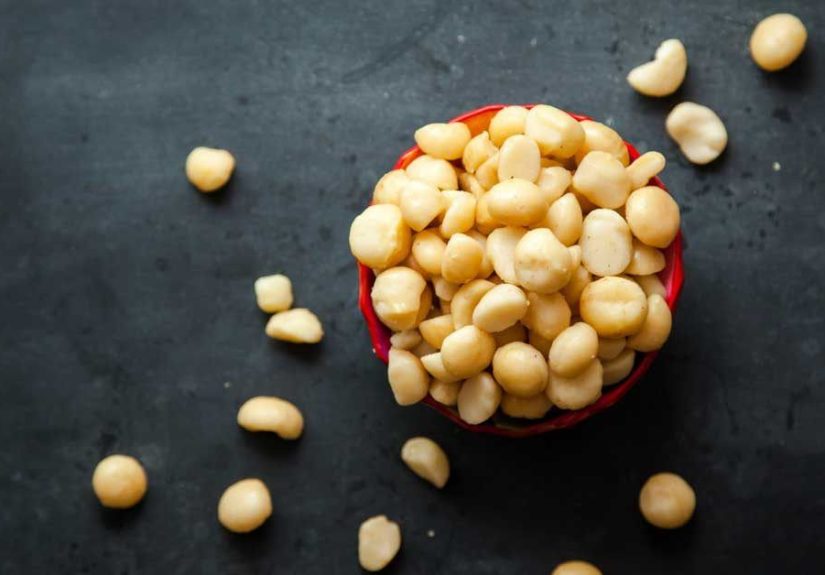
Macadamia nuts are the buttery little luxury cars of the nut aisle: smooth, rich, slightly fancy, and somehow always parked near the expensive snacks. But behind that creamy crunch is more than a pleasant way to upgrade cookies. Macadamia nuts are packed with heart-friendly monounsaturated fats, dietary fiber, plant-based nutrients, and minerals that support everyday wellness.
Of course, “healthy” does not mean “eat the whole jar while answering emails.” Macadamias are calorie-dense, so portion size matters. A typical 1-ounce serving, about 10 to 12 kernels, provides roughly 200 calories, a little over 2 grams of protein, around 4 grams of carbohydrates, and more than 20 grams of fat, much of it unsaturated fat. That combination makes them satisfying, flavorful, and useful in a balanced diet when enjoyed with a bit of common sense.
Below, we will explore the top health and nutrition benefits of macadamia nuts, how they compare with other snacks, and smart ways to use them in real life without turning your grocery budget into a dramatic documentary.
What Makes Macadamia Nuts Nutritious?
Macadamia nuts come from the macadamia tree, originally native to Australia and now grown in places such as Hawaii, California, and other warm regions. They are known for their delicate crunch, mild sweetness, and unusually high level of monounsaturated fat, the same general category of fat that gives olive oil and avocados their heart-healthy reputation.
Macadamias also provide fiber, thiamin, manganese, copper, magnesium, iron, potassium, and small amounts of other vitamins and minerals. They are naturally cholesterol-free, low in sodium when unsalted, and relatively low in carbohydrates compared with many snack foods. That is why they often appear in heart-conscious eating plans, lower-carb menus, and plant-forward diets.
10 Health and Nutrition Benefits of Macadamia Nuts
1. They Are Rich in Heart-Healthy Monounsaturated Fats
The biggest nutritional headline for macadamia nuts is their fat profile. Yes, they are high in fat, but most of that fat is monounsaturated fat. This type of fat can be part of a heart-supportive eating pattern when it replaces saturated fats and trans fats.
Think of it this way: macadamia nuts are not a “low-fat” food; they are a “better-fat” food. Swapping a handful of unsalted macadamias for chips, pastries, or heavily processed snacks may improve the overall quality of your diet. The goal is not to add unlimited nuts on top of everything else, but to use them as a smarter replacement.
For example, sprinkle chopped macadamias over oatmeal instead of adding a sugary topping, or use crushed macadamias as a crunchy coating for baked fish instead of deep-fried breadcrumbs. Small swaps can make meals feel indulgent while still supporting better nutrition.
2. They May Support Healthy Cholesterol Levels
Research on nut consumption has repeatedly linked nuts with better cardiovascular markers, and macadamia nuts have been studied specifically for their effect on cholesterol. Diets that include macadamia nuts, especially in place of less healthy fats, may help support lower total cholesterol and LDL cholesterol levels.
LDL cholesterol is often called “bad” cholesterol because high levels can contribute to plaque buildup in the arteries. Macadamias contain unsaturated fats, plant sterols, fiber, and antioxidant compounds that may all play supporting roles in heart health. They are not medicine, and they will not cancel out a diet built on fast food and wishful thinking, but they can be a smart part of a heart-conscious routine.
For best results, choose raw or dry-roasted unsalted macadamia nuts. Honey-roasted, chocolate-covered, or heavily salted versions still taste delightful, but they come with extra sugar, sodium, and calories that can dull the health advantage.
3. They Help You Feel Full and Satisfied
Macadamia nuts are small, but they know how to make an entrance. Their mix of fat, fiber, and a modest amount of protein slows digestion and helps promote satiety. That means a measured handful can feel more satisfying than a larger portion of refined crackers or candy.
This is one reason nuts can fit into weight management plans even though they are calorie-dense. The key is portion control. Eating macadamias directly from a giant bag is a bold strategy, but not always a successful one. Measure a 1-ounce serving into a small bowl, then put the bag away. Future You will appreciate this leadership decision.
Try pairing macadamias with a piece of fruit, such as an apple or berries, for a snack that combines healthy fats, fiber, natural sweetness, and crunch. It is simple, portable, and much more satisfying than a lonely vending-machine cookie.
4. They Provide Fiber for Digestive Health
Macadamia nuts contain dietary fiber, which supports regular digestion, helps feed beneficial gut bacteria, and contributes to a steadier feeling of fullness after eating. Fiber also plays an important role in heart and metabolic health because it can help improve cholesterol and blood sugar responses when consumed as part of an overall balanced diet.
A 1-ounce serving of macadamias provides a couple of grams of fiber. That may not sound dramatic, but fiber adds up across the day. Add macadamias to a salad with leafy greens, beans, vegetables, and a vinaigrette, and you suddenly have a fiber-friendly meal with texture worthy of applause.
If your current diet is low in fiber, increase fiber-rich foods gradually and drink enough water. Your digestive system likes progress, not surprise parties.
5. They Are Naturally Low in Carbohydrates
Macadamia nuts are relatively low in carbohydrates compared with many snack foods, which makes them attractive for people watching their carb intake. They can fit into Mediterranean-style, lower-carb, diabetes-conscious, or general balanced eating patterns, depending on individual needs.
Their combination of low carbs, healthy fats, and fiber means they are less likely to cause a sharp blood sugar spike compared with sugary snacks or refined grains. That said, anyone managing diabetes or another medical condition should follow personalized guidance from a healthcare professional or registered dietitian.
A practical example: instead of reaching for a sweetened granola bar in the afternoon, try plain Greek yogurt with chopped macadamias and cinnamon. You get creaminess, crunch, protein, and flavor without relying on a dessert-level sugar rush to survive the 3 p.m. slump.
6. They Contain Antioxidants and Plant Compounds
Macadamia nuts contain plant compounds, including antioxidants such as tocotrienols, flavonoids, and phenolic compounds. Antioxidants help protect cells from oxidative stress, which is a normal process in the body but can become problematic when balanced poorly by diet, lifestyle, or environmental factors.
No single food can “detox” your body or turn you into a glowing wellness influencer overnight. Your liver and kidneys already have the detox department handled. But antioxidant-rich foods such as nuts, fruits, vegetables, legumes, and whole grains can support long-term health as part of an overall nutrient-dense diet.
Macadamias are especially easy to add to meals because their flavor is mild and buttery. They work in sweet and savory recipes, from smoothie bowls to roasted vegetables. That flexibility helps you build healthier meals without feeling like you have been sentenced to plain lettuce forever.
7. They Support Energy Metabolism With Thiamin
Macadamia nuts are a notable source of thiamin, also known as vitamin B1. Thiamin helps the body convert food into usable energy and supports normal cell function. It is not a stimulant, so it will not make you feel like you swallowed a lightning bolt, but it does play an essential role in the way your body uses carbohydrates and other nutrients.
This makes macadamias a useful addition to meals that need staying power. Add them to whole-grain cereal, oatmeal, or a fruit-and-yogurt bowl. The carbohydrates provide quick and steady fuel, while the fat and fiber from macadamias help the meal last longer.
For people who tend to crash after high-sugar breakfasts, this kind of balanced combination can make mornings feel less like a roller coaster and more like a calm elevator ride.
8. They Provide Minerals for Bones and Connective Tissue
Macadamias contain minerals such as manganese, copper, magnesium, phosphorus, and small amounts of calcium and zinc. These nutrients contribute to many body functions, including bone formation, connective tissue support, enzyme activity, and energy production.
Manganese is especially important for bone health and metabolism. Copper helps with iron metabolism and connective tissue formation. Magnesium supports muscle and nerve function, blood glucose regulation, and many enzyme systems. In plain English: these minerals are tiny workers doing important jobs behind the scenes while asking for absolutely no applause.
Macadamia nuts should not be your only source of these nutrients, but they can help diversify your intake. Pair them with leafy greens, dairy or fortified alternatives, legumes, fish, whole grains, and colorful produce for a more complete nutrient picture.
9. They Can Upgrade Skin-Friendly Eating Patterns
Healthy skin is not built from one magic food, no matter what the internet says at 2 a.m. However, macadamia nuts can contribute to a skin-supportive diet because they provide healthy fats, minerals, and antioxidant compounds. Dietary fat also helps the body absorb fat-soluble nutrients from meals, such as vitamins A, D, E, and K.
Macadamia oil is sometimes used in skincare products, but eating macadamia nuts is about internal nutrition, not instant cosmetic results. A diet that includes enough healthy fats, protein, hydration, fruits, vegetables, and sleep is far more helpful than chasing miracle claims.
One easy meal idea is a salad with spinach, grilled chicken or tofu, avocado, citrus segments, and chopped macadamias. It delivers protein, vitamin C, healthy fats, crunch, and enough flavor to prevent “sad desk lunch syndrome,” a condition not listed in medical textbooks but recognized by everyone who has eaten wilted lettuce under fluorescent lights.
10. They Make Healthy Eating More Enjoyable
One underrated benefit of macadamia nuts is pleasure. Healthy eating works better when it tastes good. Macadamias add richness, texture, and a naturally buttery flavor that can make nutritious meals more appealing.
Enjoyment matters because people do not stick with eating patterns that feel like punishment. A sprinkle of chopped macadamias can turn roasted Brussels sprouts, green beans, oatmeal, yogurt, baked apples, or grain bowls into something memorable. They also pair well with herbs, citrus zest, dark chocolate, coconut, cinnamon, seafood, and tropical fruits.
When a food helps you choose a balanced homemade meal over a less nutritious option, that is a real-world benefit. Nutrition is not only about numbers on a label; it is also about habits you can repeat without sighing dramatically into your refrigerator.
How Many Macadamia Nuts Should You Eat Per Day?
For most adults, a reasonable serving is about 1 ounce of macadamia nuts, or roughly 10 to 12 kernels. This serving size gives you the flavor and nutrition benefits without adding too many calories. Athletes, highly active people, or those with higher calorie needs may use more, while people trying to reduce calorie intake may prefer a smaller portion.
The healthiest way to eat macadamias is to treat them as a replacement, not an add-on. Replace a less nutritious snack with nuts, or use them in place of butter-heavy toppings, fried crumbs, or sugary extras. That approach helps keep your overall diet balanced.
Best Ways to Eat Macadamia Nuts
Add Them to Breakfast
Chop macadamias and add them to oatmeal, overnight oats, yogurt bowls, cottage cheese, or whole-grain cereal. They bring crunch and richness without needing much sugar.
Use Them in Savory Dishes
Crushed macadamias make a delicious coating for baked fish or chicken. They also work well in pesto, grain bowls, roasted vegetables, and salads.
Pair Them With Fruit
Macadamias pair beautifully with pineapple, mango, banana, berries, apples, and citrus. The fruit adds freshness and fiber, while the nuts add staying power.
Choose Unsalted Most Often
Salted macadamias are tasty, but unsalted versions are better for everyday use, especially if you are watching sodium intake. Dry-roasted or raw macadamias are usually the cleanest choices.
Who Should Be Careful With Macadamia Nuts?
Macadamia nuts are tree nuts, so people with tree nut allergies should avoid them unless cleared by an allergy specialist. Nut allergies can be serious and may cause severe reactions.
Macadamias are also high in calories, so portion size is important for anyone managing weight. People following low-fat diets for medical reasons should ask a healthcare provider how nuts fit into their plan. Also, keep macadamia nuts away from dogs, as they can be toxic to pets.
of Real-Life Experience: Making Macadamia Nuts Work in Everyday Eating
The first thing most people notice about macadamia nuts is not the nutrition label. It is the taste. They are creamy, buttery, and just a little sweet, which makes them feel more like a treat than a “health food.” That is exactly why they can be so useful. When a nutritious food feels satisfying, you are more likely to keep it in your routine.
One practical experience with macadamias is using them as a snack bridge between meals. Imagine a busy afternoon when lunch was too light and dinner is still hours away. This is the danger zone, the place where good intentions go to wrestle with office candy, leftover birthday cake, and whatever lives in the break-room vending machine. A small container with a measured serving of macadamia nuts can help. They are rich enough that you do not need a huge amount, and the fat-fiber combination slows you down naturally.
Another experience is using macadamias to make healthier meals feel restaurant-level. Plain steamed green beans are fine, but green beans with lemon zest, parsley, olive oil, and crushed macadamias taste intentional. Oatmeal is useful, but oatmeal with cinnamon, berries, and chopped macadamias feels cozy and complete. Even a basic salad becomes more exciting when you add toasted macadamias for crunch. This matters because boredom is one of the biggest enemies of healthy eating.
Macadamia nuts are also helpful for people who are trying to reduce ultra-processed snacks. The switch does not need to be dramatic. You do not have to announce, “I am now a person who snacks responsibly,” while standing in your kitchen like a motivational poster. Just start by replacing one snack a day. Instead of chips, try macadamias with fruit. Instead of a sugary granola bar, try macadamias with yogurt. Instead of cookies every afternoon, try a few macadamias with a square of dark chocolate. That last option still feels like dessert, but it usually delivers more satisfaction with less sugar.
Cooking with macadamias can also change how you think about plant-based fat. Many people associate creamy texture with butter, cheese, or heavy sauces. Macadamias can bring a similar richness in a more nutrient-dense way. Blend them into a dairy-free sauce with garlic, lemon juice, and a little water. Crush them into a topping for baked salmon. Add them to homemade trail mix with pumpkin seeds and dried cranberries. They make meals taste generous without needing much.
The biggest lesson is moderation. Macadamia nuts are not a food you pour freely like confetti. They are delicious, calorie-dense, and very easy to overeat if the bag stays open. The best habit is to portion them first. Put a serving in a small bowl, then close the container. This simple step turns macadamias from a “how did I eat half the bag?” snack into a reliable nutrition tool.
Over time, macadamias can become part of a balanced routine: a little crunch in breakfast, a satisfying snack during busy workdays, a flavorful topping for vegetables, or a heart-friendly replacement for less nutritious fats. They will not transform your health by themselves, but they can make healthy eating easier, tastier, and more sustainable. And honestly, any food that can make oatmeal exciting deserves at least a polite round of applause.
Conclusion
Macadamia nuts offer a rich mix of flavor and nutrition. They are high in heart-friendly monounsaturated fats, naturally low in carbohydrates, and a good source of fiber, thiamin, manganese, copper, and other useful minerals. They may support healthy cholesterol levels, help with fullness, contribute to digestive health, and make balanced meals more enjoyable.
The smartest way to enjoy them is simple: choose raw or dry-roasted unsalted macadamias, keep portions around 1 ounce, and use them to replace less nutritious snacks or toppings. They are not a miracle food, but they are a delicious example of how healthy eating can feel satisfying instead of strict.
Note: This article is for general educational purposes and should not replace medical advice from a qualified healthcare professional.