Table of Contents >> Show >> Hide
- What “Lodge Logic” Really Is (Spoiler: Not a Philosophy Class)
- Quick Specs That Actually Matter in Real Life
- Why 10.25 Inches Is the “Goldilocks” Cast Iron Size
- Seasoning 101: What That Black Surface Actually Is
- How It Cooks: The Good, the Great, and the “Preheat Is Not Optional” Part
- What to Cook First (Because “Anything” Is Not Helpful)
- Care and Cleaning: Simple Routine, Big Payoff
- Accessories That Make This Skillet Even Easier
- Lodge vs. Fancy Cast Iron vs. Enameled Cast Iron
- Who This Skillet Is Perfect For (And Who Might Pass)
- FAQ: Fast Answers to Common Questions
- Final Thoughts: The “Forever Pan” That Earns Its Keep
- of Real-World Experiences With the Lodge Logic 10-1/4-Inch Skillet
Some kitchen tools arrive with a dramatic entrancegleaming, delicate, begging you to treat them like museum pieces. The Lodge Logic 10-1/4-inch pre-seasoned skillet does the opposite. It shows up looking like a humble hunk of iron, quietly daring you to throw steak, cornbread, or a whole weeknight crisis into itand then acting surprised when everything turns out better.
This article is a synthesis of product specs from major U.S. retailers and Lodge itself, plus testing notes and care advice from well-known American food and home publications. Translation: you’re getting the practical details, the real-world pros/cons, and the “don’t panic, you didn’t ruin it” maintenance tipswithout the copy-and-paste vibes.
What “Lodge Logic” Really Is (Spoiler: Not a Philosophy Class)
“Lodge Logic” is basically Lodge’s way of saying: “This is classic cast iron, and it’s ready to cook.” The headliner is the factory seasoningoil baked onto the iron so you can start cooking right away instead of performing a sacred ritual over your oven for three hours.
Lodge has been making cast iron for generations, and the reason this skillet is everywherefrom apartments with one sad burner to backyards with smokers that cost more than rentis simple: it’s tough, versatile, and forgiving. Cast iron rewards you for using it, and the Lodge 10.25-inch size hits a sweet spot for everyday cooking without feeling like you’re deadlifting for cardio.
Quick Specs That Actually Matter in Real Life
Product listings can get weirdly poetic (“artisanally engineered heat dynamics” … sure, Jan), so let’s stick to the numbers and features that change how you cook:
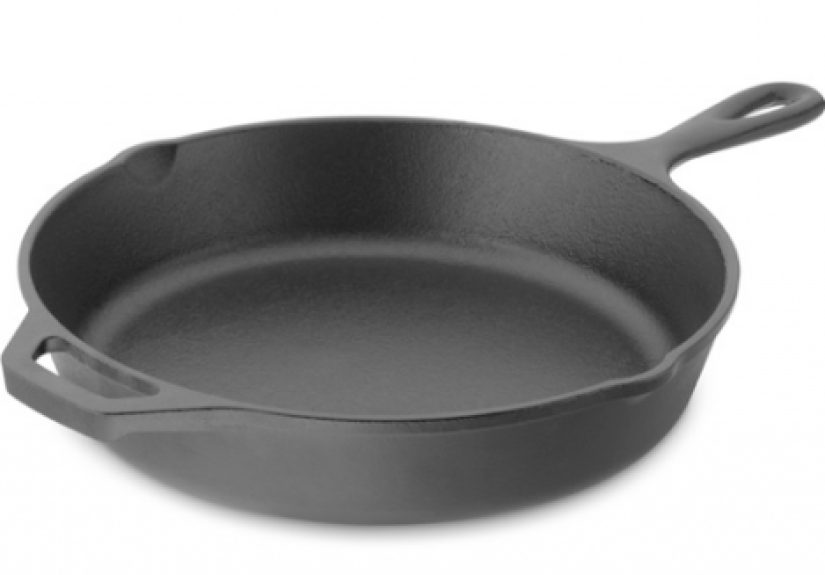
- Size: 10.25 inches (often listed as 10-1/4-inch) the go-to “one pan, many jobs” diameter.
- Weight: roughly 5.3–5.7 lb depending on the specific version/edition.
- Depth: about 2 inches (give or take a little by listing/variant).
- Seasoning: factory seasoned with vegetable oil for a natural, improving-with-use finish.
- Heat sources: stovetop (including induction), oven, grill, and campfire friendly.
- Pour spouts: two side spouts for draining grease without spilling like a cartoon villain.
- Handles: a main handle plus an assist grip on the opposite side for safer lifting.
Why 10.25 Inches Is the “Goldilocks” Cast Iron Size
If cast iron skillets were jeans, the 10.25-inch would be the one pair that fits most people and goes with everything. It’s large enough for dinner, small enough to store, and it doesn’t demand you rearrange your whole stovetop life.
Weeknight Math: What Fits
In a 10.25-inch cast iron skillet, you can comfortably sear two thick pork chops, cook several chicken thighs, build a proper breakfast hash, or brown a pound of ground beef without chasing pieces over the rim. It’s also a very friendly size for couples, small families, or anyone who likes leftovers (so, everyone).
Oven-to-Table Moves Without the Extra Dishes
The real flex of cast iron is going from stovetop to oven without switching pans. Start onions and sausage on the burner, pour in batter for a Dutch baby pancake, and finish in the oven. Or sear a steak, add butter and aromatics, and let the oven finish the job. The Lodge Logic skillet is built for this kind of “one pan, fewer regrets” cooking.
Seasoning 101: What That Black Surface Actually Is
Seasoning isn’t a coating in the nonstick-pan sense. It’s oil that has been heated until it transforms into a hard, protective layer bonded to the iron. That layer helps with release (less sticking), reduces rust risk, and improves over timeespecially if you cook with fats, preheat properly, and don’t soak it like it’s a casserole dish.
Factory Seasoning: Ready Now, Better Later
“Pre-seasoned” doesn’t mean “as nonstick as a brand-new ceramic pan.” It means you can cook tonight without starting from bare metal. Early on, eggs might still try to negotiate terms, especially if you cook them cold-pan style. But as you keep using the skilletbrowning meat, sautéing vegetables, frying potatoesthe surface becomes darker, smoother-feeling, and more forgiving.
The Soap Myth (Please Free Yourself)
Modern dish soap isn’t the seasoning assassin some internet comments make it out to be. A small amount of soap is generally fine when you need itespecially after greasy or sticky meals. The bigger enemies are prolonged soaking, dishwashers, and putting the pan away damp. Water + time = rust. Rust is not a moral failing. It’s just chemistry with an attitude.
How It Cooks: The Good, the Great, and the “Preheat Is Not Optional” Part
The Lodge 10.25-inch skillet is famous for two performance traits: heat retention and even heating once it’s fully preheated. This is why cast iron is a searing machine. It holds onto heat the way your group chat holds onto screenshots.
Searing Like You Mean It
For steak, burgers, chops, and skin-on chicken, cast iron is in its element. When the pan is properly heated, the surface energy stays steady even after cold meat hits it. That helps you get that deep brown crust (the flavor jackpot) without the pan temperature collapsing.
The Slow Preheat Is a Feature, Not a Bug
Cast iron heats slower than thinner pans. That’s not Lodge being lazy; it’s physics. Give it time: a few minutes on medium heat (not “volcanic high”) gets you a more evenly heated surface. If you rush preheating, you’re more likely to get hot spots, sticking, and the kind of smoke alarm solo that wakes the whole house.
Yes, It’s HeavyBut It’s a Useful Heavy
At around five-and-a-half-ish pounds, the Lodge Logic 10-1/4-inch skillet has real heft. That weight helps it stay stable on burners, hold heat for searing, and keep food cooking evenly. The assist handle exists for a reason. Consider it your friendly reminder to use two hands and maybe not attempt a one-handed skillet flip unless your health insurance is phenomenal.
What to Cook First (Because “Anything” Is Not Helpful)
If you want to fall in love with this skillet quickly, start with foods that build seasoning and show off cast iron’s strengths. Here are reliable crowd-pleasers:
1) Skillet Cornbread That Crisps at the Edges
Preheat the skillet in the oven while it heats. Add a spoonful of oil or bacon fat, swirl, then pour in cornbread batter. The hot pan gives you that crisp, golden edge that tastes like every good potluck memory rolled into one.
2) Steakhouse-Style Sear (Without the Steakhouse Prices)
Pat the steak dry, salt it, and preheat the pan well. Sear, flip once, add butter and aromatics, and baste. Finish in the oven if the steak is thick. Cast iron excels at creating a crust without overcooking the inside if you let the pan do its job and don’t keep poking the steak like it owes you money.
3) Crispy Potatoes and Breakfast Hash
Potatoes love cast iron because the pan stays hot long enough to develop that crisp exterior. Use a decent amount of oil, avoid overcrowding, and give the potatoes time before you stir. Hash becomes less “sad diner side dish” and more “I could open a brunch spot” energy.
4) Pan Pizza, Focaccia, and Other Carb-Based Joy
Cast iron is basically a tiny oven floor. Dough + oil + heat = crispy bottom and fluffy interior. The 10.25-inch size is great for personal pan pizzas (or “personal” pizzas, if you define personal as “I will share one slice”).
5) Roasted Vegetables That Actually Brown
Want caramelization instead of steamed broccoli sadness? Cast iron helps. Preheat the skillet, add oil, then roast or sauté veggies in a single layer. You’ll get browning and flavor with fewer “why is this wet?” moments.
Care and Cleaning: Simple Routine, Big Payoff
Cast iron care sounds intense until you realize it’s basically three steps: wash, dry, oil. Not “wash, soak overnight, forget, cry.”
After-Cooking Cleanup (The 5-Minute Version)
- Wash by hand with warm water. Use a small amount of soap if needed.
- Scrape stuck bits with a pan scraper or a non-metal brush.
- Dry completely with a towel, then warm briefly on the stove or in the oven to evaporate moisture.
- Rub a thin film of oil over the cooking surface (and rim) before storing.
Rust Happens. Here’s the Fix.
If you spot rust, don’t toss the skillet or write an apology letter. Scrub the rust off (steel wool is commonly used for rust spots), wash, dry thoroughly, then re-oil and heat to rebuild the protective layer. Many people are shocked by how “back from the dead” cast iron can be. It’s cookware, not a fragile gadget.
Re-Seasoning Basics (When You Want a Reset)
If the surface looks dull, sticky, or patchy, a re-season can help. The basic idea: apply a very thin layer of oil (thin is key), then bake the skillet at a high temperature so the oil polymerizes into a harder layer. Multiple thin layers beat one thick layer every timethick layers can turn tacky and weird, like sunscreen you forgot to rub in.
Accessories That Make This Skillet Even Easier
You don’t need accessories to use the Lodge Logic skillet, but a few small add-ons reduce hassle:
- Handle holder or silicone grip: cast iron handles get hot. Always. Forever.
- Pan scraper: a cheap, effective way to remove stuck food without stripping seasoning.
- Lid (glass or cast iron): helpful for braises, shallow frying, and keeping splatter from redecorating your kitchen.
- Chainmail scrubber: great for stubborn bits when you want more abrasion than a sponge.
Lodge vs. Fancy Cast Iron vs. Enameled Cast Iron
This is where shoppers spiral. Let’s simplify.
Lodge (This Skillet): Practical, Affordable, Dependable
The Lodge Logic 10-1/4-inch pre-seasoned skillet is widely recommended as a top value pick because it performs extremely well for the price. It’s a workhorse: sear, fry, bake, roast, repeat. If you want one skillet to do 80% of your cooking tasks for decades, this is a strong bet.
Premium “Smooth” Skillets: Lighter or Smoother, Usually Pricier
Boutique cast iron brands often aim for a smoother cooking surface and sometimes lighter weight, which can help with egg release sooner and make the pan easier to maneuver. The tradeoff is costoften many times more than Lodge. Are they nice? Absolutely. Are they necessary for great food? Not remotely.
Enameled Cast Iron: Lower Maintenance, Different Personality
Enameled skillets (think classic French brands) don’t require seasoning and are easier to clean like “normal” cookware. But enamel can chip if abused, and you typically won’t use it the same way you’d treat bare iron over campfires or hard searing sessions. If you want the cast iron benefits with less maintenance, enamel is appealingif the budget allows.
Who This Skillet Is Perfect For (And Who Might Pass)
Buy it if…
- You want a pre-seasoned cast iron skillet that’s ready to use and improves over time.
- You cook steaks, chicken, cornbread, pancakes, hash, or pan pizzaand you want better browning.
- You like tools that can go from stove to oven to grill without drama.
- You want something durable enough to become a “family pan,” whether you planned that or not.
Consider alternatives if…
- You have wrist/shoulder limitations and want something significantly lighter.
- You want maximum nonstick performance on day one with minimal learning curve (enameled may fit better).
- You hate maintenance routines, even tiny ones (though cast iron is simpler than it sounds).
FAQ: Fast Answers to Common Questions
Is the Lodge Logic 10-1/4-inch skillet oven safe?
Yes. Bare cast iron is oven safe and commonly used for baking, roasting, and finishing stovetop dishes in the oven.
Can I use it on induction or a glass-top stove?
Yes. Cast iron works on induction. For glass tops, avoid dragging the skillet to reduce scratch risklift and place.
Is it truly nonstick?
Think “naturally improving release,” not “Teflon slippery on day one.” With proper preheating and a bit of fat, it gets very goodespecially as seasoning builds.
Can I wash it with soap?
A small amount of soap is generally fine for cleaning when needed. The more important rule is: dry thoroughly and oil lightly.
Should I put it in the dishwasher?
No. Dishwashers are rough on seasoning and increase rust risk. Hand wash is the move.
Final Thoughts: The “Forever Pan” That Earns Its Keep
The Lodge Logic 10-1/4-inch pre-seasoned skillet is popular for a reason: it’s versatile, durable, and excellent at the kind of high-heat browning that makes home cooking taste like you know secrets. It’s not the lightest pan, and it won’t babysit youpreheat it and treat it like iron, not porcelain. In return, it’ll outlast trendier cookware and keep getting better the more you cook.
of Real-World Experiences With the Lodge Logic 10-1/4-Inch Skillet
If you hang around cast iron fans long enough, you’ll notice a pattern: people don’t just own a Lodge 10.25-inch skilletthey build a whole relationship with it. The first few cooks are usually a mix of excitement and mild suspicion. You might try eggs immediately, because you’ve seen those “slidey egg” videos online. The skillet responds with a polite, iron-flavored lesson: “Preheat me. Use butter. Be patient.” Once you do, breakfast suddenly feels upgraded.
Then comes the steak moment. Many home cooks have the same experience: they’ve seared meat before, but not like this. When the pan is properly heated, you hear that confident sizzle and watch a crust form that looks restaurant-level. It’s the kind of result that makes you text someone a photo of a piece of beef like it’s your newborn child. And because cast iron holds heat, you don’t get that sad gray “boiled in its own juices” effect as easily.
Next, the skillet becomes the default problem-solver. Vegetables aren’t browning? Skillet. Chicken skin isn’t crisping? Skillet. Want cornbread with a crackly edge? Skillet. Hosting brunch? You can cook bacon, then use the drippings for potatoes, then bake something in the same pan and pretend you’re effortlessly rustic. (Your guests don’t need to know you watched two cooking videos first.)
There’s also the “oops” chapter. Someone, somewhere, will leave it wet in the sink. Rust shows up like an uninvited party guest. The good news: this is where cast iron teaches confidence. A scrub, a wash, thorough drying, a light oiling, and some heat later, it’s back in action. Many people realize at this point that they don’t need to fear the pan they just need a simple routine. Wash, dry, oil. Like brushing your teeth, but with fewer dentist appointments.
Over time, the surface darkens and cooking gets easier. Foods release better. Cleanup gets faster. The skillet starts to feel “broken in,” like a leather jacket that finally fits right. Eventually, it becomes the pan you reach for without thinkingthe one that lives on the stove because putting it away feels like lying. And that’s the most honest review: the Lodge Logic 10-1/4-inch skillet doesn’t just sit in a cabinet. It gets used.