Table of Contents >> Show >> Hide
- What Exactly Is “Loaded Water”?
- Why People Swear It Boosts Energy
- The Science Part: What In Loaded Water Actually Helps?
- So… Can Loaded Water Help You Stay Energized?
- Potential Downsides (A.K.A. How to Avoid Turning Hydration Into a Side Quest)
- How to Make “Smart” Loaded Water (That Actually Supports Energy)
- Simple Loaded Water Recipes (Fun, Not Frantic)
- Who Should Try Loaded Water (and Who Should Be Careful)
- Conclusion: The Real Verdict
- Real-World Experiences: What Loaded Water Looks Like in Actual Life (Not Just on Your For You Page)
If you’ve spent more than 11 seconds on TikTok lately, you’ve probably met the newest main character of the hydration universe:
loaded water. It’s water… but wearing a bunch of accessories. Think electrolytes, fruit, maybe a splash of something fizzy, andif the recipe
creator is feeling particularly chaoticcollagen, creatine, probiotics, chia seeds, and a vitamin powder that sounds like it was named by a superhero.
The promise is bold: more energy, fewer cravings, better hydration, and a vibe that says, “I have my life together,” even if your email inbox says
otherwise. So does this viral nutrition hack actually help you stay energized, or is it just water in a fun outfit?
Let’s separate the science from the sparkle.
What Exactly Is “Loaded Water”?
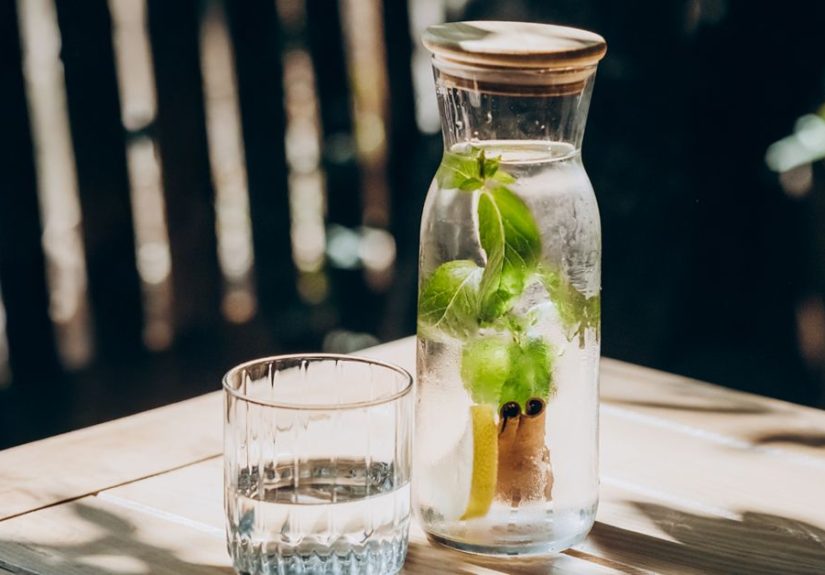
“Loaded water” (sometimes called “stacked water”) is basically water with add-ins designed to make it taste better and feel more functional.
Recipes vary wildly, but most land in a few predictable neighborhoods:
- Electrolyte packets (sodium, potassium, magnesium, etc.)
- Fruit (fresh, frozen, muddled, juiced, or “I waved a lemon near it”)
- Fiber boosters (chia seeds, inulin, “prebiotic” mixes)
- Supplements (creatine, collagen peptides, vitamin C, probiotic powders)
- Carbonation (sparkling water or prebiotic soda)
In other words: it’s a DIY functional beverage. Some versions are basically infused water. Others are a full-on potion that looks like it could power a spaceship.
Why People Swear It Boosts Energy
Here’s the thing: when people say “energy,” they might mean three different things:
- Physical stamina (less fatigue, fewer cramps, better workout performance)
- Mental pep (more focus, fewer “why am I tired at 2 p.m.?” moments)
- Motivation (the mysterious force that makes you do laundry before it becomes a public health situation)
Loaded water can help with the first two sometimes, mainly through hydration and electrolyte support. And it can help with the third… if your brain is
easily bribed by a pretty drink in a giant tumbler. (No judgment. Humans are simple creatures.)
The Science Part: What In Loaded Water Actually Helps?
1) Hydration: The Least Sexy, Most Important Ingredient
Mild dehydration can make you feel tired, foggy, headachy, and generally like you’re operating on “low battery mode.” Common signs include thirst, dry mouth,
darker urine, and fatigue. If your “loaded water” makes you drink more fluids than you otherwise would, that alone can improve how you feel.
How much do you actually need? There isn’t one magic number, but general guidance often points to total daily water (from food + beverages) around
2.7 liters/day for many women and 3.7 liters/day for many men, with adjustments for heat, activity, body size, and more.
Translation: your needs are personal, and your water bottle doesn’t need to become your entire personality.
2) Electrolytes: Helpful in the Right Moment, Not a Daily Trophy
Electrolytes (like sodium, potassium, magnesium, calcium) help regulate fluid balance, nerve signaling, and muscle function. If you’re sweating heavily,
exercising for a long time, working outdoors in heat, or recovering from vomiting/diarrhea, electrolytes can be genuinely useful. For many everyday situations,
plain water and a normal diet do the job just fine.
The catch: electrolyte mixes can vary a lot. Some popular powders contain hundreds of milligrams of sodium per serving, and some go much higher. As one example
of how wide the range can be, a comparison of leading powders lists sodium amounts around 300 mg, 500 mg, and up to
1,000 mg per serving depending on the product. That can be great if you need replenishmentbut not ideal if you’re stacking multiple packets a day
while living a mostly desk-based life and already eating a salty diet.
Bottom line: electrolytes can help you feel more energized if your “low energy” is actually “low fluids + low sodium from sweat.” But if you’re not losing a lot
of fluid and minerals, more electrolytes isn’t automatically better.
3) Carbs: Real Energy, If You Add Them (But Choose Wisely)
Here’s a truth that ruins a lot of internet magic: water itself has no calories. If you want literal energy (as in fuel), you need carbs, fat,
or protein. Some loaded water recipes include honey, juice, or sweetened mixesthose add carbohydrates that can help during long workouts or when you’re truly
under-fueled.
But if you’re sipping sugary “hydration candy” all day, you can end up with a rollercoaster: quick boost, then a crash, then you’re back in the kitchen staring
into the fridge like it owes you money. For most people, daily energy is better supported by balanced meals, sleep, and hydrationplus caffeine if you and your
nervous system have an agreement.
4) Creatine, Collagen, Probiotics: Functional… but Not Instant “Energy Water”
Some loaded water recipes toss in supplements like they’re seasoning. A quick reality check:
-
Creatine: Strong evidence supports creatine for improving performance in short, intense efforts (think sprinting or lifting). Safety data in
healthy adults at recommended doses is generally reassuring, though people with kidney risk factors should talk with a clinician first. It’s not a “sip and
instantly zoom” ingredientmore like a consistent-use performance support. -
Collagen peptides: Research is most promising for skin and joint-related outcomes, with many studies still early or mixed. It’s not an energy
booster, but people may use it as part of a broader nutrition routine. -
Probiotics: Benefits depend heavily on the strain and the condition. There’s evidence for certain digestive uses, but they’re not a guaranteed
daily “vitality sparkle.” Also: some people get gassy. Consider that your warning label.
If you like these additions and they fit your needs, fine. But if you’re using them to chase “energy,” they’re not the main lever.
So… Can Loaded Water Help You Stay Energized?
Yeswhen it fixes a real problem. Loaded water can support energy if:
- You’re not drinking enough and mild dehydration is dragging you down.
- You’re sweating a lot (exercise, heat, physical job) and need electrolyte replacement.
- You’re replacing sugary sodas/energy drinks with something lower in sugar that you’ll actually drink.
But if you’re already hydrated and eating normally, loaded water won’t magically turn you into a productivity wizard. It’s not a substitute for sleep, balanced
meals, and managing stressunfortunately, because that would be very convenient.
Potential Downsides (A.K.A. How to Avoid Turning Hydration Into a Side Quest)
Too Much Sodium (or Electrolytes in General)
Overdoing electrolyte drinks can cause problems, especially for people with high blood pressure, heart issues, kidney disease, or those taking certain
medications. Too many electrolytes can contribute to symptoms like nausea, headaches, weakness, and in serious cases, heart rhythm issuesbecause your body likes
balance, not extremes.
Sugar Creep
A “healthy” loaded water can quietly become a dessert beverage if you’re adding sweet syrups, juice, honey, and sweetened mixes all together. If your goal is
steady energy, consider keeping added sugars modest and using fruit, citrus, herbs, and carbonation for flavor first.
Supplement Pile-Ups
Supplements can interact with health conditions and medications, and they’re not always necessary. If your loaded water looks like a chemistry setespecially
with multiple servings per daytalk with a registered dietitian or clinician. Your kidneys already have a job; they don’t need an unpaid internship.
GI Drama
Chia, inulin, sugar alcohols, and some magnesium forms can cause bloating or diarrhea in sensitive folks. Start small. Your digestive system deserves an
introduction, not a surprise party.
How to Make “Smart” Loaded Water (That Actually Supports Energy)
Step 1: Pick Your Goal
- Everyday hydration: flavor + a little mineral support, low sugar.
- Workout/heat support: electrolytes (and carbs if the session is long/intense).
- Soda replacement: sparkling water + fruit + citrus + a pinch of salt (optional) for satisfaction.
Step 2: Use Add-Ins Like Accessories, Not Armor
A good rule: keep it to 1–3 add-ins most days. More isn’t “more effective”it’s just more.
Step 3: Watch the Sodium and Sugar Math
If you use electrolyte packets, check the label. Some are high-sodium by design (great for heavy sweaters; unnecessary for casual sipping). If you’re drinking
multiple servings daily, that sodium adds up fast. Same for sugar and sweeteners.
Simple Loaded Water Recipes (Fun, Not Frantic)
1) The “I Just Want to Drink Water” Starter
- Cold water
- Lemon or lime wedges
- A few cucumber slices
- Optional: mint
Clean, refreshing, and low-maintenancelike the friend who always shows up on time.
2) The Sweaty Workout Buddy
- Water (still or sparkling)
- One electrolyte serving (per label directions)
- Optional: a splash of orange juice if you’re doing a long session
Best used when you’ve actually earned it with sweat, heat, or endurance.
3) The Soda-Detox “Fizz With Benefits”
- Sparkling water
- Crushed berries or a splash of 100% juice
- Pinch of salt (optional)
Hits the “treat drink” craving without turning into a sugar bomb.
4) The “Fiber, But Make It Chill” Version
- Water
- Chia seeds (start small)
- Fruit slices
Give it time to gel. If you chug it immediately, you’re basically speed-running regret.
Who Should Try Loaded Water (and Who Should Be Careful)
Most likely to benefit
- People who struggle to drink enough and need flavor to stay consistent
- Anyone exercising hard/long, sweating heavily, or training in heat
- People recovering from fluid loss (like stomach bugs) who need rehydration support
Use extra caution (talk to a clinician if unsure)
- High blood pressure, heart failure, or kidney disease
- Those on diuretics or medications affecting electrolytes
- Anyone with a history of electrolyte imbalances
- People who are pregnant/breastfeeding and considering high-dose supplements
Conclusion: The Real Verdict
Loaded water isn’t a scamand it’s not a superpower. Think of it as a hydration strategy that can support energy when hydration or electrolyte
balance is the missing piece. If your tiredness is coming from dehydration, heavy sweating, or swapping sugary drinks for something lighter, you might notice a
real difference.
But if your “energy problem” is actually “I slept five hours, ate a granola bar for lunch, and I’m running on spite,” loaded water can’t fix that. (It can,
however, make your water taste like summer and make you feel slightly more put togetherand honestly, sometimes that’s enough to get the day moving.)
Real-World Experiences: What Loaded Water Looks Like in Actual Life (Not Just on Your For You Page)
In the real world, “loaded water” tends to fall into three camps: the habit helper, the workout tool, and the
vibe beverage. And yes, all three can be validdepending on what you’re trying to fix.
The Habit Helper: This is the person who simply doesn’t drink much water unless it’s interesting. They start with a big bottle, add lemon,
berries, or a splash of juice, and suddenly they’re finishing two refills by mid-afternoon. The “energy boost” they report isn’t mysticalit’s the boring win
of being less dehydrated. Their headaches ease up. The 3 p.m. slump is slightly less dramatic. They stop mistaking thirst for “I need a snack the size of my
face.” The loaded water didn’t add energy; it removed a small drain that was quietly taxing them all day.
The Workout Tool: This person earns their electrolytes. Think weekend runners, gym folks doing long sessions, or anyone training in a hot
climate. Their experience tends to be consistent: if they sweat hard and only drink plain water, they may feel wiped out, crampy, or “off” later. When they
add a properly dosed electrolyte mix during or after longer workouts, they feel more normalless of that post-exercise “why am I made of sand?” sensation.
Sometimes, they also add a small amount of carbs (juice, honey, or a sports drink approach) for endurance workouts, which can genuinely help performance and
perceived energy. Their success comes from matching the drink to the situation, not from turning every Tuesday meeting into an endurance event.
The Vibe Beverage: This one is underrated. Some people replace a daily soda, sweet coffee, or energy drink with sparkling water plus fruit and
a tiny flavor boost. They still get a “lift,” but it’s more behavioral than biochemical: fewer sugar crashes, less caffeine whiplash, and fewer calories they
weren’t even enjoying. The experience here is often, “I didn’t think I could quit my afternoon soda, but now I don’t miss it.” That’s a big deal.
And then there’s the cautionary tale: the person who stacks everythingelectrolytes, collagen, creatine, fiber, vitaminstwice a day, every day,
while also eating a salty diet. Their experience may start great (“I’m hydrated!”) and end weird (“Why am I bloated, thirsty, and peeing neon?”). The fix is
usually simple: pull it back to a few ingredients, use electrolytes purposefully, and let plain water be plain water.
The most consistent “real-life win” is this: loaded water works best when it helps you do the fundamentalsdrink enough fluid, replace sweat losses when needed,
and avoid turning your daily hydration into a dessert.