Table of Contents >> Show >> Hide
- What Is Knee Replacement Surgery?
- When Do You Actually Need a Knee Replacement?
- Total vs. Partial Knee Replacement
- How to Prepare for Knee Replacement Surgery
- What Happens During the Procedure?
- Benefits of Knee Replacement Surgery
- Risks and Possible Complications
- Recovery: What to Expect After Surgery
- How Long Does a Knee Replacement Last?
- Tips for a Better Outcome
- Common Myths About Knee Replacement
- Real-World Experiences People Commonly Report
- Final Thoughts
- SEO Tags
If your knee has started acting like a moody hinge on an old screen door, you are not alone. Knee pain can sneak up slowly, then suddenly make stairs feel like a personal insult. For many people with severe arthritis or major knee damage, knee replacement surgery can be a life-changing option. It is not a magic trick, and it is definitely not a casual Tuesday errand, but it can offer real relief when pain, stiffness, and limited movement start running the show.
Knee replacement surgery, also called knee arthroplasty, is designed to reduce pain, improve mobility, and help you get back to normal daily activities. The procedure involves removing damaged cartilage and bone and replacing them with artificial components, usually made of metal and plastic. In plain English: the bad surfaces come out, smoother new parts go in, and your knee gets a second chance to behave like a civilized joint.
Today, knee replacement is one of the most common joint surgeries in the United States. Estimates cited by U.S. orthopedic sources suggest that knee replacements now number well over a million procedures annually. That does not mean everyone with knee pain needs one. It does mean the surgery is no longer rare, mysterious, or reserved for only the oldest patients in the room. Surgeons now make decisions based more on pain, function, joint damage, and overall health than on age alone.
What Is Knee Replacement Surgery?
Knee replacement surgery replaces worn or damaged parts of the knee joint with a prosthesis. Depending on the extent of damage, the surgeon may replace the entire joint or only the damaged compartment. The goal is simple: relieve pain, restore function, and help the knee move more smoothly.
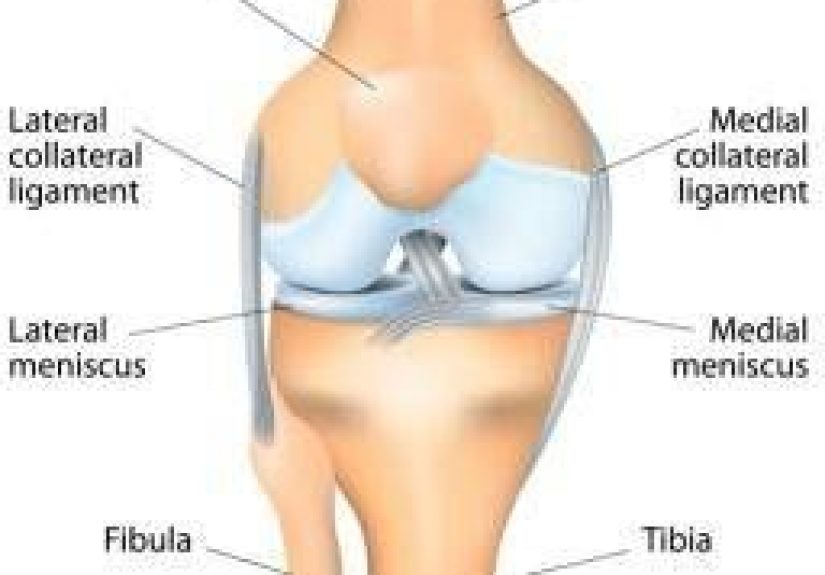
The knee is made up of three main compartments. If arthritis or damage affects the whole joint, a total knee replacement is usually considered. If damage is limited to one compartment, a partial knee replacement may be an option. Partial replacement preserves more of your natural knee, often uses a smaller incision, and may come with a somewhat faster recovery. Still, it only works when the damage is truly limited, so not everyone is a candidate.
When Do You Actually Need a Knee Replacement?
This is the million-dollar question, though your insurance company would probably prefer we not phrase it that way. Most people consider knee replacement when other treatments no longer provide enough relief. Common reasons include advanced osteoarthritis, rheumatoid arthritis, post-traumatic arthritis, or major structural damage that makes the knee painful, unstable, or hard to use.
Signs it may be time to talk with an orthopedic surgeon
- Severe knee pain that limits walking, climbing stairs, or getting up from a chair
- Persistent stiffness, swelling, or reduced range of motion
- Pain that interrupts sleep or makes everyday tasks miserable
- Knee damage visible on imaging, especially when symptoms match the findings
- Limited improvement after medication, physical therapy, injections, weight loss, activity changes, or assistive devices
In other words, knee replacement is usually not the first play in the playbook. Most surgeons want conservative treatments to be tried first unless the joint is severely damaged or the situation is urgent. Nonsurgical options may include anti-inflammatory medication, physical therapy, cortisone injections, viscosupplementation in select cases, weight management, bracing, and activity modification.
Total vs. Partial Knee Replacement
Total knee replacement is more common. It resurfaces the ends of the thighbone and shinbone and may also address the kneecap surface when needed. This approach is usually used when arthritis or damage affects more than one compartment of the knee.
Partial knee replacement replaces only the damaged section of the joint while preserving healthy bone, cartilage, and some ligaments. For the right patient, that can mean a knee that feels more natural and a quicker return to routine activities. The catch is that the rest of the knee must still be in reasonably good shape. If arthritis is more widespread than expected, a surgeon may recommend total replacement instead.
Neither option is automatically “better.” The right choice depends on how much of the knee is damaged, your anatomy, your activity level, your symptoms, and your surgeon’s evaluation.
How to Prepare for Knee Replacement Surgery
Preparation matters more than many people realize. A knee replacement does not begin on surgery day. It begins with planning, medical evaluation, and setting up your recovery environment. Your surgical team may order blood work, imaging, a physical exam, and sometimes heart testing. They will also review your medications, supplements, allergies, and health conditions.
Smart pre-surgery steps
- Ask which medicines you should stop before surgery, especially blood thinners and certain supplements
- Discuss smoking cessation, blood sugar control, and weight management if relevant
- Prepare your home for safer movement after surgery
- Arrange help with meals, transportation, pets, or stairs for the first days or weeks
- Practice exercises recommended by your care team before surgery
Many hospitals also offer pre-op education classes. These sessions can be surprisingly useful because they set expectations for anesthesia, pain control, mobility, equipment, and physical therapy. Translation: fewer surprises, less panic, and a better chance you will know why someone is suddenly so interested in whether you own a walker.
What Happens During the Procedure?
The surgery typically takes about one to two hours. You may receive general anesthesia or regional anesthesia such as a spinal block, often combined with other pain-control techniques. During the operation, the surgeon removes damaged bone and cartilage, prepares the bone surfaces, and places the prosthetic components to restore alignment and function.
The artificial knee usually includes metal components that cap the ends of the thighbone and shinbone, along with a plastic spacer that allows the joint to glide more smoothly. Some procedures also resurface the underside of the kneecap. Implant choice depends on factors such as bone quality, knee stability, anatomy, age, activity level, and the surgeon’s preferred technique.
Modern knee replacement may involve conventional instruments, computer guidance, patient-specific planning, or robotic-assisted technology. These tools can improve precision in some cases, but the best “technology” is still a well-selected patient, a skilled surgical team, and a solid recovery plan.
Benefits of Knee Replacement Surgery
The biggest reason people choose knee replacement is relief from pain that has started dominating their lives. A successful surgery can also improve mobility, function, and quality of life. Many patients return to walking more comfortably, sleeping better, climbing stairs more easily, and resuming low-impact activities they had almost given up on.
That said, the goal is improvement, not turning your knee into a superhero gadget. A replaced knee can feel different from a natural one. Some people notice stiffness, numbness around the incision, clicking sensations, or discomfort with kneeling. Those experiences are common and do not necessarily mean something is wrong.
Risks and Possible Complications
Like any major surgery, knee replacement has risks. The overall complication rate is low, but it is not zero. Possible complications include infection, bleeding, blood clots, nerve or blood vessel injury, stiffness, limited motion, continued pain, fracture, implant loosening, and wear over time.
Blood clots deserve special attention because the risk increases after surgery and hospitalization. That is why many patients receive blood thinners, compression stockings or compression devices, and instructions to move early and often. Infection prevention is also a big deal. Hospitals take precautions before, during, and after surgery, and patients are often told to watch carefully for wound redness, drainage, fever, or worsening pain.
There is also the long game: implants do not last forever. Younger, highly active patients may eventually need revision surgery, especially if the implant wears out, loosens, or the surrounding bone changes over time.
Recovery: What to Expect After Surgery
Recovery is where the real work begins. Many patients start moving the knee and walking with assistance on the day of surgery or shortly afterward. Some go home the same day, while others stay overnight or a bit longer depending on their health, pain control, and mobility.
The first few days
You can expect swelling, soreness, fatigue, and a knee that feels pretty unimpressed with the whole experience. You will likely work with physical therapy early. You may also use ice, elevation, compression, and pain medication as directed. The focus is on safe walking, getting in and out of bed, going to the bathroom, and beginning range-of-motion exercises.
The first six weeks
This period is about steady progress, not instant glory. Many patients gradually transition from a walker to a cane and then to independent walking, depending on strength and balance. Regular exercises and physical therapy are critical for improving motion and preventing stiffness. Daily activities often become much easier during this window, although swelling and fatigue can still linger.
Three months and beyond
By about three months, many people feel substantially better, though full recovery can continue for months after that. Low-impact activities such as walking, cycling, swimming, and golf are commonly recommended once healing and strength are further along. High-impact activities like running and jumping are usually discouraged because they can increase wear on the implant.
How Long Does a Knee Replacement Last?
Most modern knee replacements are expected to last at least 15 to 20 years, and many do well for even longer. Orthopedic guidance also notes that more than 90% of modern total knee replacements are still functioning well at 15 years. Longevity depends on several factors, including activity level, body weight, alignment, implant type, surgical technique, and overall health.
If the implant loosens, wears down, becomes infected, or fails for another reason, a revision knee replacement may be needed. Revision surgery is usually more complex than the original procedure, which is one reason surgeons try to choose the right timing for the first operation.
Tips for a Better Outcome
- Follow your physical therapy plan like it is your part-time job
- Take medications only as directed and ask questions if pain control is not working
- Move often, even when you would rather negotiate with gravity from the couch
- Protect the incision and report signs of infection promptly
- Use assistive devices until your surgeon or therapist says it is safe not to
- Choose low-impact exercise after recovery to protect the implant
- Keep follow-up appointments even if you feel great
Common Myths About Knee Replacement
Myth: You have to be “old enough” to qualify.
Reality: Surgeons usually focus more on pain, disability, joint damage, and health status than on a specific birthday.
Myth: Recovery is over in two weeks.
Reality: Some improvement comes quickly, but healing and strength gains continue for months.
Myth: Your new knee will feel exactly like the original factory model.
Reality: The goal is better function and less pain, not a perfect rewind button.
Myth: Surgery means you can never be active again.
Reality: Many patients return to active, satisfying lives with low-impact exercise and routine movement.
Real-World Experiences People Commonly Report
When people talk about knee replacement surgery, the conversation often starts with pain but usually ends with surprise. Not always the dramatic movie-trailer kind of surprise, either. More often, it is the quiet realization that the knee they had been constantly thinking about for years suddenly stops demanding center stage every waking minute. Before surgery, many patients describe planning life around the knee: where to park, whether there are stairs, how long they can stand, whether the grocery cart can double as a mobility aid, and how gracefully they can pretend they are “just taking their time.” The constant mental math can be exhausting.
A common experience before surgery is frustration that the knee hurts in ways other people cannot see. Friends may hear “arthritis” and picture something mild, while the person living with it is bargaining with a staircase like it owes them money. Sleep disruption is another big theme. It is not just pain while walking. It is pain at rest, pain when turning in bed, pain after sitting too long, and stiffness that makes standing up feel like rebooting rusty hardware.
After surgery, the most common early experience is a mix of relief and reality. Relief because the damaged joint has been treated. Reality because recovery is work. Patients often say they did not fully appreciate how important swelling control, regular exercise, and physical therapy would be. Many are surprised by how quickly the medical team wants them moving. Walking on the day of surgery sounds absurd until it actually happens under supervision, and then it becomes one of the first big confidence-building milestones.
Another frequent experience is learning that progress is not perfectly linear. One day you feel great and start imagining yourself hiking through national parks by next Tuesday. The next day the knee swells, sleep is off, and your confidence briefly packs a suitcase. That up-and-down pattern is common. Many people improve week by week rather than day by day. Small wins matter: bending the knee a little farther, getting in and out of the car more easily, showering without a strategic committee meeting, and walking across a room without bracing for pain.
Patients also often report that the new knee feels different, especially early on. It may click. It may feel tight. Kneeling may feel awkward. There may be numbness near the incision. These experiences can be unsettling until a surgeon or therapist explains that many of them are expected. The important distinction is between “different but normal” and “suddenly worse, red, hot, or alarming,” which should always prompt a call to the care team.
Emotionally, knee replacement can bring a strange combination of vulnerability and optimism. Some people feel impatient because they want instant results after a major decision. Others feel grateful just to sleep better, walk farther, or stand long enough to cook dinner without needing an intermission. Family support often becomes part of the story too. Patients frequently remember who drove them to appointments, who helped set up the house, and who kept saying, “Do your exercises,” even when they absolutely did not want to hear it.
Longer term, the experience many people describe is not that they feel bionic. It is that life gets less complicated. They can walk through a store without scouting every bench. They can travel with less anxiety. They can take a grandchild to the park, do yard work in moderation, or enjoy a low-impact workout without the knee filing an official protest. That may not sound glamorous, but in everyday life, it is huge. The best knee replacement stories are often not about doing extraordinary things. They are about getting ordinary life back, which turns out to be pretty extraordinary after all.
Final Thoughts
Knee replacement surgery can be a highly effective option for people with severe knee pain and joint damage, especially when conservative treatments no longer do enough. It is major surgery, but it is also a well-established one with strong outcomes for many patients. The best results usually come from a combination of good surgical timing, realistic expectations, careful preparation, and serious commitment to recovery.
If your knee pain is shrinking your world, it may be time to talk with an orthopedic specialist about whether knee replacement makes sense for you. The goal is not to win a medal for suffering through stairs. The goal is to move better, hurt less, and get more life out of your day.