Table of Contents >> Show >> Hide
- Why Green Cabinets Work So Well in Kitchens
- Picking the Right Shade of Green for Your Cabinets
- What Goes With Green Cabinets
- Design Layout Ideas: How Much Green Is the Right Amount?
- Lighting: The Make-or-Break Factor
- Practical Tips for Painting Existing Cabinets Green
- Mistakes That Make Green Cabinets Look Wrong
- Style Recipes: Green Cabinets for Different Looks
- FAQ: Quick Answers About Green Kitchen Cabinets
- Conclusion: Make Green Cabinets Look Like You Did It on Purpose
- Real-World Experiences: Living With Green Cabinets (500+ Words)
White kitchens had a long reignlike a pop song that stayed on the radio for three summers straight. Then green cabinets showed up and changed the vibe:
warmer than gray, calmer than navy, and somehow both “nature retreat” and “designer showroom” at the same time.
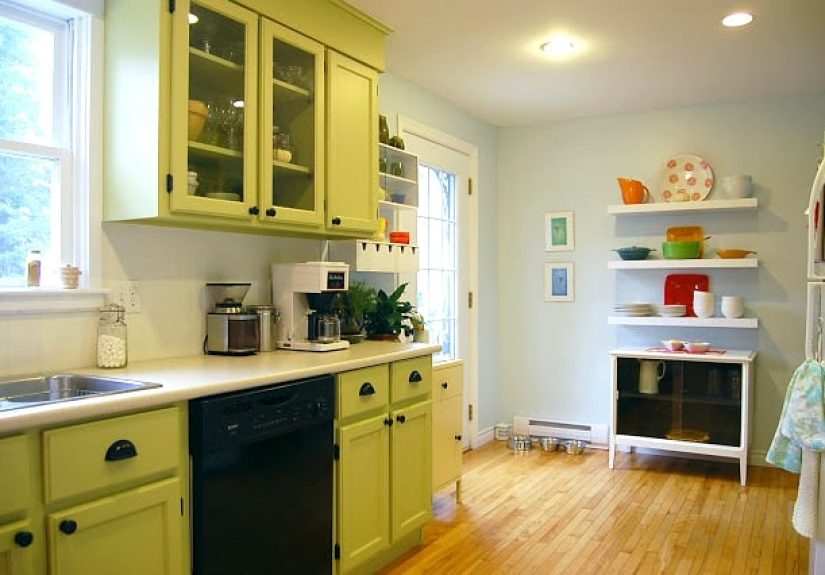
A kitchen with green cabinets can read classic or current depending on the shade, finishes, and lighting, which is exactly why it’s become a favorite in
everything from cozy cottages to sleek modern remodels.
This guide breaks down how to choose the right green, what colors and materials pair best, the “don’t do this” mistakes that make green look muddy,
and practical tips for painting or ordering green cabinetry. Expect specific examples, realistic trade-offs, and a little humorbecause cabinet decisions
should not feel like a courtroom drama.
Why Green Cabinets Work So Well in Kitchens
Green acts like a “nature neutral”
Many greensespecially sage, olive, and muted tonesbehave like neutrals. They’re colorful, but not loud. That makes them flexible with stone, wood,
metal finishes, and changing decor. Designers often describe green as grounding and calming, which is a nice personality trait for a room where people
argue about how to load the dishwasher.
It bridges warm and cool materials
Kitchens usually mix temperatures: cool tile and quartz, warm wood floors, stainless appliances, brass hardware, painted walls. Green is the rare color
that can comfortably sit in the middleespecially if you choose a green with the right undertone (more on that in a second).
It fits multiple design styles
Green cabinets show up in English cottage kitchens, modern spaces, farmhouse rooms, and even mid-century-inspired designs. That style range is one reason
trend forecasters keep calling green “staying power,” not a blink-and-you-miss-it moment.
Picking the Right Shade of Green for Your Cabinets
Not all greens are created equal. Some look sophisticated and expensive. Others look like a sports drink. The goal is to pick a green that works with your
fixed elements (countertops, flooring, backsplash) and your lighting (natural + artificial).
1) Soft Sage Green: the crowd-pleaser
Sage is popular for a reason: it’s gentle, versatile, and tends to read timeless. It’s especially strong in kitchens with warm woods, creamy whites,
and traditional details like Shaker doors. Sage also plays nicely with brass or brushed nickel.
- Best for: farmhouse, cottage, organic modern, transitional
- Pairs well with: warm whites, light oak, natural stone, handmade tile
- Watch out for: sage can look grayish in low lightplan lighting accordingly
2) Olive and Moss: warm, earthy, and grown-up
Olive and moss greens lean warmer and feel “grounded.” They look great with creamy paint colors, travertine, warm veined marble-look quartz,
and aged brass. If your kitchen has a lot of warm tones already (wood floors, beige stone, warm white walls), olive can tie it all together beautifully.
3) Deep Forest, Hunter, or Emerald: dramatic and elegant
Dark green cabinets can look seriously luxeespecially with high-contrast counters (white quartz, marble-look slabs) and thoughtful hardware.
Deep greens can also hide everyday scuffs better than very pale colors, which is great if your kitchen is more “busy family” than “museum exhibit.”
- Best for: classic, modern, moody, upscale traditional
- Pairs well with: white stone, black accents, walnut, brass, aged bronze
- Watch out for: dark cabinets need good lighting, or the kitchen can feel cave-like
4) Mint or Celadon: airy, playful, and surprisingly sophisticated
Light greens can feel fresh and cheerful, especially in smaller kitchens where you want brightness but still want color.
These shades often work best with simple counters and clean-lined tile to avoid visual clutter.
Undertones matter more than you think
Two greens can look the same on a paint chip… until they’re on cabinets next to your countertop. Greens often lean:
yellow (warmer), blue (cooler), or gray (muted).
If you want a cozier feel, many paint brands note that yellow-leaning greens can warm a space compared with blue-leaning greens.
What Goes With Green Cabinets
Countertops: easiest wins
-
White quartz or marble-look counters: crisp contrast, clean, brightespecially strong with darker greens.
This combo is popular because it feels both classic and fresh. - Warm white or creamy counters: best for sage/olive kitchens that want softness instead of stark contrast.
- Butcher block: instant warmth and a cozy, lived-in look. Great with sage, olive, and moss tones.
- Dramatic stone (veined quartzite, bold marble-look): pairs well with deep green for a “designer kitchen” feeljust keep other finishes calm.
Backsplashes: the secret to making green feel intentional
The backsplash is where green cabinets either look high-end… or like you picked a color and hoped for the best.
Strong options include:
- Classic white subway tile: clean, timeless, lets green be the star.
- Handmade-look zellige tile: adds texture and a warm glow, especially with brass hardware.
- Marble slab or quartz slab splash: modern, seamless, and visually calming.
- Soft patterned tile: works best when the pattern includes warm whites/creams that relate back to the cabinets.
Hardware: brass, black, or nickel?
Hardware is basically the jewelry of your kitchenexcept it gets touched by hands that may or may not have been holding peanut butter.
Here’s the easiest way to choose:
- Brass / champagne bronze: warms up green and feels classic-luxe. Looks especially good with sage and olive.
- Matte black: modern contrast and graphic edgesgreat with deep green and white counters.
- Brushed nickel / stainless: safe, clean, and works with most greensespecially cooler, blue-leaning tones.
- Aged bronze: rich and traditional, perfect for moody greens and warmer palettes.
Flooring: keep it grounded
If your green is bold, your floor should be calmer (light wood, medium oak, warm neutral tile). If your floor is already busy (strong pattern, dark stain),
choose a softer green to avoid visual overload. Green plus wood is a classic pairing for a reason: it feels natural and balanced.
Design Layout Ideas: How Much Green Is the Right Amount?
Option A: All-green cabinets (full commitment, full payoff)
All-green cabinetry can look stunning, especially when paired with bright counters and a lighter backsplash.
It works best when the rest of the room is edited: simple lighting, not too many competing finishes, and a consistent color temperature.
Option B: Two-tone cabinets (lower green, upper light)
This is the “best of both worlds” approach: green lowers ground the room; white or cream uppers keep things airy.
Two-tone layouts are a smart choice for smaller kitchens or spaces with limited natural light.
Option C: Green island only (low-risk, high style)
If you want green but fear commitment, a green island is the gateway decision. It gives you color and personality without changing every cabinet.
Pair it with perimeter cabinets in warm white or light wood and let the island do the talking.
Option D: Green lowers + open shelving
Replacing some uppers with open shelves can reduce visual weight, especially with darker greens. Keep shelf styling minimal so the kitchen doesn’t feel cluttered.
Lighting: The Make-or-Break Factor
Green is famously sensitive to lighting. The same paint can look warm and earthy in morning light, then moody and gray at night.
Plan lighting like it’s part of the color selectionnot an afterthought.
- Use layered lighting: recessed + under-cabinet + pendants for a balanced glow.
- Choose consistent bulb temperature: mixing warm and cool bulbs can make green look “off.”
- Test paint samples: view them morning, afternoon, and night before committing.
Practical Tips for Painting Existing Cabinets Green
Painting cabinets can be a budget-friendly way to get the green kitchen lookif you do it properly. Cabinets get touched, bumped, cleaned,
and occasionally judged by guests who think they’re on a home renovation show.
Prep like you mean it
- Remove doors, drawers, and hardware. Label everything (future-you will thank you).
- Degrease thoroughlykitchens collect invisible grime like it’s a hobby.
- Lightly sand or degloss so primer sticks.
- Use a bonding primer suitable for your cabinet material.
Choose the right sheen
For cabinets, many pros prefer satin or semi-gloss for durability and cleanability. Matte can look gorgeous but may show marks more easily.
The “right” sheen is the one that fits your lifestyle, not just your Pinterest board.
Don’t skip cure time
Paint may feel dry quickly, but full curing takes longer. Be gentle with cabinets in the first couple of weeks: avoid harsh cleaners and
don’t slam doors like you’re auditioning for a reality show.
Mistakes That Make Green Cabinets Look Wrong
Choosing a green that’s too bright or too “primary”
Very intense, primary greens can feel overwhelming in kitchens, especially on large cabinet runs.
Many designers recommend more muted or complex greens for a welcoming, livable result.
Ignoring undertones in fixed materials
If your countertop pulls pink or your tile pulls blue, the wrong green can clash. Always compare samples against the countertop and backsplash,
not just the wall paint.
Not planning enough contrast
Green cabinets need a supporting cast. If everything is similar in tone (green + beige + warm gray), the room can look flat.
Add contrast through counters, backsplash, hardware, or lighting.
Forgetting the “unsexy” details
Trash pull-outs, vent hoods, outlet covers, and even the faucet finish matter. A great green kitchen is usually the result of boring consistency
done well.
Style Recipes: Green Cabinets for Different Looks
Modern Green Kitchen
- Deep green flat-panel cabinets
- Simple white quartz counters + slab backsplash
- Matte black hardware and faucet
- Minimal open shelving
Farmhouse or Cottage Green Kitchen
- Sage or olive Shaker cabinets
- Warm white walls + natural wood accents
- Brass hardware
- Textured tile backsplash (handmade look)
Sage green cottage kitchens show up frequently in designer and TV-featured spaces because the color reads calm and classic rather than trendy.
Vintage-leaning, Colorful Kitchen
- Soft green cabinets
- Playful floor tile or subtle terrazzo
- Brass accents and warm lighting
- One statement element (like a bold range hood or patterned runner)
Some editorial examples pair sage cabinetry with warm metals and unexpected textures to keep the space whimsical but still polished.
FAQ: Quick Answers About Green Kitchen Cabinets
Are green cabinets a good idea for resale?
Generally, muted greens (sage, olive, forest) tend to have broader appeal than very bright greens because they read more “neutral.”
If resale is a major concern, consider two-tone cabinets or a green island instead of full green everywhere.
Do green cabinets make a kitchen darker?
Dark greens can, especially in rooms with limited natural light. Balance with lighter counters, reflective backsplash tile, and layered lighting.
In many cases, the contrast looks intentional and upscale rather than gloomy.
What wall color looks best with green cabinets?
Warm whites and soft creams are the safest, most flexible choices. If you want color, consider a very pale greige or a muted, complementary tone
that doesn’t compete with the cabinets.
Conclusion: Make Green Cabinets Look Like You Did It on Purpose
A kitchen with green cabinets can be soothing, sophisticated, and surprisingly timelessif you choose the right shade and support it with the right
materials. Start with your fixed finishes, test samples in real lighting, and decide how much green you want to commit to (island-only? two-tone?
full green glory?). Pair green with a confident backsplash, a countertop that provides contrast, and hardware that reinforces your style. Do that,
and your kitchen won’t just be “green”it’ll be the kitchen people remember.
Real-World Experiences: Living With Green Cabinets (500+ Words)
If you’ve only seen green cabinets online, here’s what real life tends to add: movement. Not like the cabinets start dancing (though that would be a
fun feature), but the color shifts throughout the day. In the morning, a sage cabinet often looks softer and more “garden fresh.” At night, the same
cabinet can read deeper and moodier, especially under warm bulbs. Homeowners who love their green kitchens usually say the secret wasn’t just the paint
colorit was getting the lighting right and sticking to one consistent bulb temperature.
Another common experience: green cabinets collect compliments in a way neutral cabinets rarely do. People walk into a white kitchen and think,
“Nice!” People walk into a green kitchen and ask, “What color is that?” That little moment of curiosity is part of the appeal. Green feels personal
without being chaotic. It’s the difference between a kitchen that’s “fine” and a kitchen that has a point of view.
Daily upkeep is also more practical than many expectespecially with mid-tone and darker greens. Smudges and small scuffs often show less than they do on
very white cabinets. But there’s a trade-off: dust and crumbs can be more visible on dark, moody greens in certain lighting. The good news is that this
doesn’t mean you need to clean more; it just means you might notice it more (and if you’re the type who finds one rogue breadcrumb emotionally damaging,
pick a softer green or a slightly higher sheen).
People also discover that green cabinets affect decorating choices in a helpful way. With white cabinets, you can accidentally drift into a sea of beige
and stainless steel. Green creates an instant anchor, which makes it easier to choose a runner, barstools, or pendant lights. It’s like the cabinets are
quietly saying, “Relax. We already brought personality to the party.” Seasonal decor tends to pop nicely toowarm wood tones in fall, citrus bowls in
summer, and even simple winter greenery (yes, green-on-green can still look amazing when you mix tones and textures).
Renovators who painted their cabinets green often mention one unexpected lesson: sample size is everything. A tiny paint chip can feel “cute,” but once it
covers an entire wall of cabinetry, it might suddenly feel too intenseor too gray. Real projects often require testing at least two or three greens on
large sample boards and moving them around the kitchen. This is not indecisiveness; it’s avoiding a situation where your cabinets look perfect at noon and
questionable at 8 p.m. while you’re trying to make pasta.
Lastly, there’s a social benefit nobody puts in the budget spreadsheet: green cabinets make a kitchen feel calmer. That sounds dramatic, but many people
describe green as “less sterile” than bright white and “less heavy” than all-navy. In a room where life happenshomework at the island, late-night snacks,
family conversationsgreen can feel like a gentle backdrop. It’s a color that doesn’t demand attention every second, but it still makes the space feel
designed. And honestly, that’s the dream: a kitchen that looks great, lives well, and doesn’t require you to apologize for being a human.