Table of Contents >> Show >> Hide
- The Quick Answer
- What Exactly Is Spelt?
- What Is Gluten (and Why Do People Care So Much)?
- Why People Think Spelt Might Be Gluten-Free (Spoiler: It Isn’t)
- Can People Who Avoid Wheat Eat Spelt?
- How to Spot Spelt on Labels (Because It Loves Hiding in Plain Sight)
- If You Can Eat Gluten: Is Spelt “Healthier” Than Wheat?
- Gluten-Free Alternatives That Feel “Spelt-Like”
- Eating Out and Cross-Contact: The Sneaky Part of “Gluten-Free”
- FAQ: Spelt and Gluten, Answered Like a Friend Who Reads Labels for Fun
- Real-Life Experiences People Share About Spelt (Plus Lessons You Can Steal)
- Conclusion
Spelt has a wholesome, “ancient grain” vibe. It shows up in fancy bakery loaves, crunchy crackers, and
that one granola brand that looks like it was designed by a rustic cabin. So it’s totally fair to wonder:
Is spelt gluten-free?
Here’s the simple truth (no dramatic music required): spelt is not gluten-free. It’s a type of
wheat, which means it contains glutenno matter how artisanal the packaging looks.
The Quick Answer
No. Spelt contains gluten because it’s a form of wheat. If you have celiac disease or must avoid
gluten for medical reasons, spelt belongs in the “thanks, but absolutely not” category.
What Exactly Is Spelt?
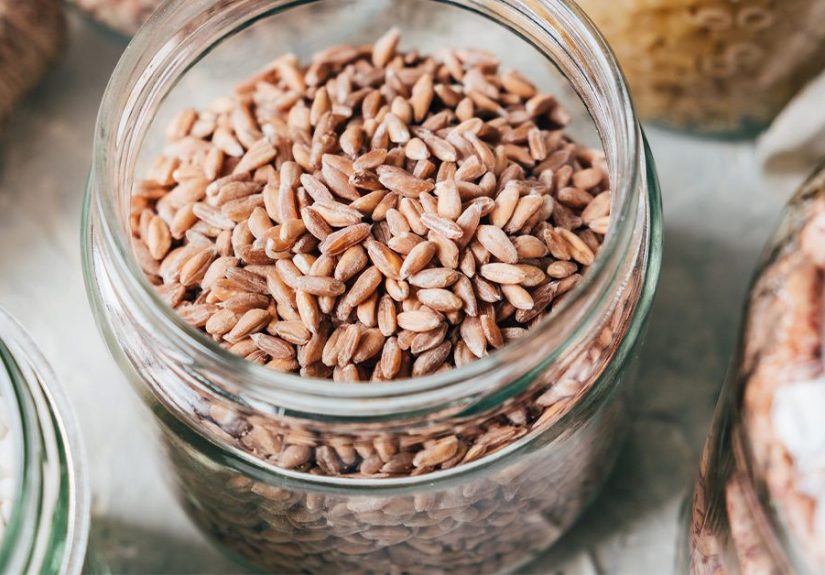
Spelt (often listed as Triticum spelta) is an older variety of wheat sometimes called an “ancient grain.”
It has a slightly nutty flavor and can be used as a whole grain (like rice) or milled into flour for baking.
Spelt vs. Modern Wheat: Cousins, Not Strangers
Spelt isn’t a gluten-free “alternative” to wheatit’s in the wheat family. Think of it like this:
spelt is wheat wearing a vintage jacket. Still wheat.
Where You’ll See Spelt
- Spelt flour in bread, muffins, pancakes, and cookies
- Spelt berries (the whole kernel) in salads and grain bowls
- Spelt pasta and “healthier” noodles
- Crackers, cereals, granola, and snack bars featuring “ancient grains”
What Is Gluten (and Why Do People Care So Much)?
Gluten is a group of proteins naturally found in certain grains, especially wheat. It helps dough stretch,
trap air, and bake into bread that’s chewy instead of crumbly sadness.
Gluten’s Job in Baking
In bread dough, gluten forms a stretchy network that holds gas bubbles created by yeast. That’s why wheat-based
breads rise well and have that satisfying pull-apart texture. Spelt has gluten too, although its gluten behaves
a little differently than some modern wheat varietiesmore on that soon.
Who Needs to Avoid Gluten?
Not everyone needs to ditch gluten. But for some people, avoiding it is medically important:
-
Celiac disease: An autoimmune condition where gluten triggers immune damage in the small intestine.
Even small amounts can be harmful. - Wheat allergy: An allergic reaction to wheat proteins (which can include gluten and other wheat components).
- Non-celiac gluten sensitivity (NCGS): Symptoms triggered by gluten-containing foods without the intestinal damage of celiac disease.
- Some digestive conditions (like IBS): People may feel better limiting certain wheat products for reasons that aren’t strictly “gluten.”
Important: if you suspect celiac disease, get tested before going gluten-free, because removing gluten can affect test results.
Why People Think Spelt Might Be Gluten-Free (Spoiler: It Isn’t)
Myth #1: “It’s an Ancient Grain, So It Doesn’t Count”
“Ancient grain” is a marketing phrase, not a medical exemption. Many ancient grains are gluten-free
(like millet or sorghum), but some are notspelt included. “Ancient” just means “has been around a long time,”
not “magically safe for celiac disease.”
Myth #2: “Spelt Is Easier to Digest, So It Must Be Gluten-Free-ish”
Some people report they tolerate spelt better than modern wheat. That can happen for a few reasonsdifferent
baking methods, different wheat strains, or differences in other compounds in wheat. But here’s the key:
tolerating a food better does not make it gluten-free.
If you have celiac disease, “I feel okay” isn’t a reliable safety test. Internal damage can still occur even without obvious symptoms.
Can People Who Avoid Wheat Eat Spelt?
This is where things get personalbecause “avoiding wheat” can mean very different things depending on why you’re avoiding it.
If You Have Celiac Disease
Spelt is not safe. Because it’s wheat, it contains gluten, and a strict gluten-free diet is the only treatment for celiac disease.
That means avoiding spelt flour, spelt bread, spelt pasta, and anything made with spelt.
If You Have a Wheat Allergy
Spelt is also not a good idea. Since spelt is a type of wheat, it can trigger wheat-allergy reactions. If you have a diagnosed wheat
allergy, follow your allergist’s plan and avoid wheat varieties, including spelt.
If You Have Non-Celiac Gluten Sensitivity (NCGS)
Many people with NCGS choose to avoid gluten-containing grains, which includes spelt. Some individuals experiment (carefully, ideally with
a clinician or dietitian) and find certain wheat products bother them more than others. But since NCGS can overlap with other issueslike
IBSself-testing can get confusing fast.
Practical takeaway: if gluten is your trigger, spelt is still gluten. If wheat in general is your trigger, spelt is still wheat.
If You’re Managing IBS or Digestive Symptoms
Here’s where nuance sneaks in: some people feel better eating long-fermented sourdough breads (including some made with spelt) because
fermentation can change certain carbohydrate profiles. But that does not remove gluten enough to make spelt safe for
celiac disease. “Easier on my stomach” is not the same as “gluten-free.”
How to Spot Spelt on Labels (Because It Loves Hiding in Plain Sight)
Spelt often shows up in products marketed as “natural,” “ancient grain,” or “better-for-you.” Translation: it may appear where you least expect it.
Common Ingredient Names
- Spelt
- Spelt flour
- Dinkel (a common name for spelt in some contexts)
- Hulled wheat (sometimes used to describe spelt)
- Farro (often an ancient wheat; not gluten-free)
“Wheat-Free” Doesn’t Automatically Mean “Gluten-Free”
This one trips people up. A product can be labeled “wheat-free” and still contain other gluten-containing grains.
And because spelt is a form of wheat, it also doesn’t belong in gluten-free eating for medical reasons.
What “Gluten-Free” Means in the U.S.
In the United States, “gluten-free” labeling follows a standard that aims to keep gluten below a defined threshold.
Foods labeled gluten-free should not be made with gluten-containing grains (including wheat varieties such as spelt)
unless processed to remove gluten and still meet the standard.
Translation: if it’s made with spelt flour, it’s not gluten-freefull stop.
If You Can Eat Gluten: Is Spelt “Healthier” Than Wheat?
For people who tolerate gluten, spelt can be a nutritious whole-grain option. But it’s not a nutritional superhero
that leaps tall baguettes in a single bound.
Nutrition Snapshot
Whole spelt contains fiber and a range of nutrients found in whole grains. Choosing whole grains (including spelt,
if you can eat it) can support heart and digestive health as part of an overall balanced diet.
Baking With Spelt Flour: What to Expect
Spelt flour often produces a softer dough that can get sticky if overmixed. Many bakers use it for pancakes, muffins,
quick breads, and rustic loaves. If you swap it 1:1 for all-purpose flour, you may need slightly less liquid and a gentler hand.
Gluten-Free Alternatives That Feel “Spelt-Like”
If you’re avoiding gluten for medical reasons, you can still get hearty, nutty flavorsjust from truly gluten-free grains.
Great Naturally Gluten-Free Grains
- Brown rice (mild, versatile)
- Quinoa (protein-rich, slightly nutty)
- Buckwheat (not wheat; earthy, bold flavor)
- Millet (mild, great in porridge and baked goods)
- Sorghum (whole-grain taste that works well in flour blends)
- Certified gluten-free oats (only when tolerated and advised)
For Baking: Think Blends, Not Single Flours
Wheat (and spelt) bakes differently because gluten provides structure. Gluten-free baking often works best with a flour blend plus a binder
(like xanthan gum or psyllium husk) to mimic elasticity. If you miss spelt’s rustic vibe, try a blend featuring sorghum and buckwheat.
Eating Out and Cross-Contact: The Sneaky Part of “Gluten-Free”
Even when a food is naturally gluten-free, preparation can make it unsafe for people with celiac disease. Shared toasters, shared cutting boards,
and the infamous “same pasta water” situation can cause cross-contact.
Common Real-World Risk Zones
- Bakeries: flour dust gets everywhere (it’s basically glitter, but worse)
- Pizza shops: shared surfaces and ovens
- Pasta kitchens: shared water, colanders, or pots
- Toasters and grills: crumbs are tiny but powerful
If you need strict gluten avoidance, tell restaurants it’s a medical requirement, ask about dedicated prep areas, and don’t be shy about questions.
Your health is worth a 30-second conversation.
FAQ: Spelt and Gluten, Answered Like a Friend Who Reads Labels for Fun
Is spelt safe for celiac disease?
No. Spelt contains gluten because it’s wheat.
Is spelt the same as wheat?
Spelt is a type of wheat (a close relative in the wheat family). It’s not a gluten-free substitute.
Is spelt sourdough bread gluten-free?
No. Fermentation can change some components of bread, but it doesn’t make spelt safe for people who must avoid gluten.
If spelt “feels better” than wheat, can I eat it?
If you’ve been medically told to avoid gluten (especially for celiac disease), don’t use symptoms as your guideavoid spelt.
If you’re exploring digestive triggers without a celiac diagnosis, talk to a clinician before making major diet changes.
Real-Life Experiences People Share About Spelt (Plus Lessons You Can Steal)
The spelt confusion usually starts innocently. Someone wants to “eat cleaner,” sees a spelt loaf at a café, and thinks,
“Ancient grain… that sounds basically gluten-free-adjacent.” Next thing you know, they’re Googling from the passenger seat
while their friend insists, “But it’s not regular wheat!”
One common experience is the “healthy bakery trap.” A bakery might offer spelt muffins or spelt sourdough and describe them as
“easier to digest.” People who are simply trying to reduce ultra-processed foods might genuinely feel better eating thembecause
they’re eating fewer additives, less sugar, or smaller portions of refined flour overall. The lesson: feeling better can be real,
but it doesn’t mean spelt is gluten-free or safe for celiac disease.
Another story pops up a lot: “I can eat spelt, but regular bread wrecks me.” Sometimes that’s because the person is reacting to
something other than glutenlike certain fermentable carbs, portion size, or even the difference between long-fermented bread and
fast-rise commercial bread. Sometimes it’s because they changed multiple things at once (new bread, new toppings, less snacking)
and spelt gets the credit. The lesson: food experiments are tricky when you change five variables at the same time.
For people who must eat strictly gluten-free, the experiences are usually less cute. A frequent frustration is “wheat-free” labeling.
Someone sees “wheat-free” crackers, assumes they’re safe, and later discovers the product contains spelt or another gluten grain.
The lesson: “wheat-free” is not the same as “gluten-free,” and label-reading matters more than marketing language.
Restaurants create their own spelt stories. You might order a salad that looks safe… until it shows up topped with spelt berries
for “texture.” Or a server recommends the “gluten-friendly” bread, which turns out to be spelt. The lesson: ask directly,
“Does this contain wheat, spelt, barley, or rye?” You’ll often get a clearer answer than “Is it gluten-free?”
Home kitchens can be another learning curve. Some families keep spelt flour because one person “tolerates it better,” while another
needs strict gluten avoidance. Flour dust and shared utensils can become an issueespecially with baking, where particles travel.
The lesson: if someone in the household has celiac disease, consider dedicated baking tools, separate storage, and clear rules
(like “no wheat flour clouds in the same kitchen zone”).
The most helpful experience people report is the moment things “click”: spelt is not a special loophole grain. Once you treat spelt
as wheat (because it is), decisions get simpler. You stop wasting money on the wrong products, your pantry gets clearer, and you spend
less time arguing with labels like they’re trying to gaslight you. The lesson: clarity beats trendy ingredients every time.