Table of Contents >> Show >> Hide
- Yes, It Can HurtBut the Story Is More Complicated
- What IUD Insertion Usually Feels Like
- Why the Pain Varies So Much
- How Long Does the Pain Last After IUD Insertion?
- Does the Type of IUD Affect the Experience?
- Pain Management Options Worth Discussing Before Your Appointment
- When Pain After IUD Insertion Is Not Normal
- What Experts Want Patients to Know
- Frequently Asked Questions
- Final Thoughts
- What the Experience Often Feels Like in Real Life
Note: This article is for educational purposes only and is not a substitute for personal medical advice.
Let’s address the question without sugarcoating it or turning it into a horror movie trailer: yes, IUD insertion can be painful. But the experience is not the same for everyone, and that one detail matters more than almost anything else. For some people, the procedure feels like a few strong menstrual cramps and then it is over. For others, it is sharp, intense, sweaty-palms uncomfortable for a few minutes, followed by cramping later in the day. In other words, this is not a one-size-fits-all uterus situation.
The good news is that modern guidance from major medical organizations now takes IUD insertion pain much more seriously than in the past. That means patients have more reason than ever to ask questions, discuss pain control options, and expect honest counseling instead of a casual “you’ll feel a little pinch” speech that somehow belongs in the same museum as dial-up internet.
Yes, It Can HurtBut the Story Is More Complicated
If you are wondering whether IUD insertion is painful, the most accurate answer is this: it can range from mild discomfort to intense cramping. The insertion itself is brief, but the sensation may be strong while the cervix is held steady and the device is passed through it into the uterus. That is why some people say, “That was not fun, but it was fast,” while others say, “I wish someone had warned me better.”
What many experts agree on is that the pain is real, not exaggerated, and worth discussing before the appointment. That shift in tone is important. Patients should not have to choose between effective birth control and feeling unheard.
What IUD Insertion Usually Feels Like
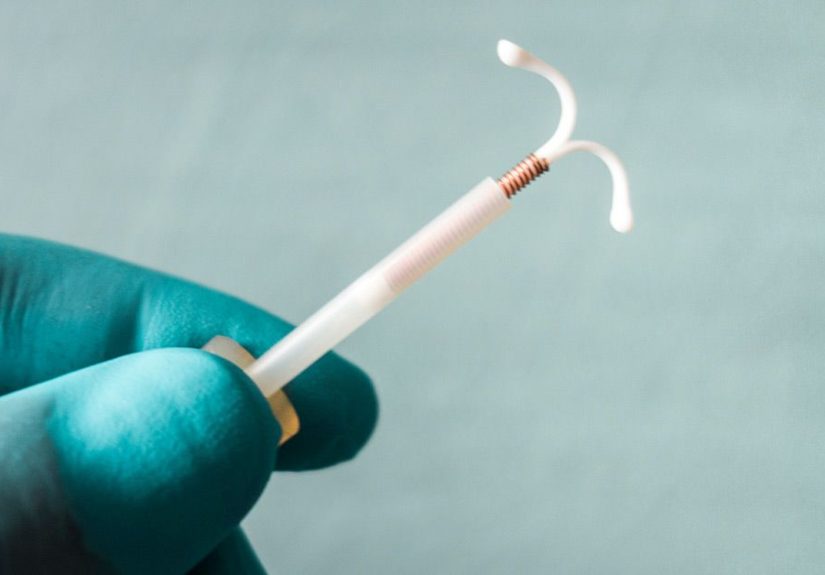
During an IUD insertion appointment, a clinician places a speculum into the vagina, cleans the cervix, may steady the cervix with an instrument, measures the uterus, and then inserts the IUD through a thin tube. The procedure is usually done in an office and the placement step itself only takes a few minutes.
Common sensations include:
- pressure in the pelvis
- sharp or pinchy discomfort as the cervix is handled
- strong cramping as the IUD enters the uterus
- brief dizziness or lightheadedness afterward
- spotting, low backache, or period-like cramps later that day
That range may sound wide because it is. One person may walk out thinking, “That was manageable.” Another may need to lie down, sip water, and silently renegotiate their trust with humanity for the next twenty minutes.
Why the Pain Varies So Much
There is no single reason that explains every experience. Several factors can influence how painful IUD insertion feels:
1. Your cervix and uterus are not identical to anyone else’s
The cervix is naturally closed, so guiding an IUD through it can feel intense. Some people simply have anatomy that makes the process easier, while others have a tighter cervix or more sensitivity.
2. Previous vaginal childbirth may change the experience
People who have never had a vaginal birth are often more likely to report stronger pain during insertion. That does not mean they cannot get an IUD or that the experience will definitely be awful. It just means expectations should be realistic and pain planning should be part of the conversation.
3. Anxiety, trauma history, or depression can influence pain perception
This is not “all in your head.” Stress and fear can amplify pain signals, and medical trauma or prior difficult pelvic exams may make the procedure feel harder. A thoughtful clinician should treat that as relevant medical information, not as a side note.
4. Some people cramp more afterward than during the procedure
For certain patients, the insertion is brief and tolerable, but the uterus complains afterward with cramps for hours or days. Others have the opposite experience: a rough few minutes, then quick recovery.
How Long Does the Pain Last After IUD Insertion?
For many people, the strongest pain happens during placement and fades within minutes. After that, it is common to have cramping, spotting, or a backache later the same day. Some people feel period-like cramps for a few days, and some continue to notice intermittent cramping or spotting for weeks as the body adjusts.
That said, the trend should generally move in the right direction: less pain, less spotting, less drama. A little post-insertion grumbling from the uterus is common. Escalating pain is not.
Does the Type of IUD Affect the Experience?
There are two main categories of IUDs: hormonal IUDs and the copper IUD. The actual insertion process is fairly similar for both, so the pain during placement is not usually about the material of the device as much as the procedure itself.
Hormonal IUDs
Hormonal IUDs release progestin and often lead to lighter periods over time. Spotting and irregular bleeding are common in the first few months, but many users later experience lighter bleeding or even no periods at all.
Copper IUD
The copper IUD does not contain hormones and works for years as long-acting birth control. After insertion, it is more likely to be linked with heavier periods and stronger menstrual cramps, especially in the first several months.
So if someone says, “My friend’s copper IUD made her cramps worse,” that can happen. If another person says, “My hormonal IUD made my periods much lighter after the adjustment phase,” that also tracks.
Pain Management Options Worth Discussing Before Your Appointment
One of the biggest updates in recent years is that pain control for IUD insertion is finally getting the attention it deserves. You do not need to arrive at the clinic pretending to be a stoic marble statue.
Over-the-counter pain relievers
Many clinicians recommend taking an NSAID such as ibuprofen or naproxen before the procedure, mainly to help with cramping afterward. This is a common option and may be part of a simple pain plan, though it may not completely prevent pain during the actual insertion.
Local anesthetic or a cervical block
This is one of the most important things to ask about. Current expert guidance supports offering local anesthetics, including forms of lidocaine, to reduce pain during IUD insertion. A cervical or paracervical block involves numbing medication around the cervix. Some clinics also use topical lidocaine sprays, gels, or creams.
Extra support for anxiety
Even when the main issue is physical pain, anxiety can raise the volume on everything. Some patients benefit from a calm explanation of each step, breaks during the procedure, slower pacing, or other clinic-specific options. Feeling informed is not the same as feeling pampered. It is basic good care.
Recovery basics that are boring but useful
Bring a pad, keep a heating pad ready at home, and avoid planning a heroic productivity sprint right afterward. Your calendar does not need to include “IUD at 2:00 p.m., power meeting at 2:30 p.m., emotional stability at 3:00 p.m.” Give yourself breathing room.
What about misoprostol?
Some people have heard of misoprostol being used before gynecologic procedures. Current recommendations do not support routine use of misoprostol for standard IUD placement because it generally does not reduce pain and may cause extra cramping or other side effects. It may still have a role in selected cases, such as after a failed insertion attempt, but it is not the default comfort tool many patients assume it is.
When Pain After IUD Insertion Is Not Normal
Some discomfort is expected. Severe or worsening symptoms deserve medical attention. Contact a clinician promptly if you have:
- severe pelvic or abdominal pain that is not improving
- pain that gets worse instead of better
- fever, chills, or flu-like symptoms
- heavy bleeding, foul-smelling discharge, or leaking fluid
- concern that the IUD has shifted or partially come out
- persistent new pain during sex after insertion
Serious complications are uncommon, but they do exist. Rare risks include expulsion, when the IUD slips out, and perforation, when the uterine wall is pierced during insertion. These are not everyday outcomes, but they are good reasons to take unusual pain seriously rather than brushing it off.
What Experts Want Patients to Know
If there is one message that keeps showing up in current medical guidance, it is this: patients should be counseled honestly about potential pain and offered options. That may sound obvious, but for years many people felt underprepared for what the procedure could feel like.
Here is the more modern and more useful approach:
- ask how the procedure is done
- ask what type of pain relief the clinic offers
- share whether you have anxiety, trauma history, or a difficult exam history
- plan for rest afterward instead of assuming it will be nothing
- know the red flags that mean it is time to call
That is not being “high maintenance.” That is being informed.
Frequently Asked Questions
Can I go back to work after getting an IUD?
Many people can, but not everyone wants to. Some feel fine after a short rest. Others have cramps, dizziness, or fatigue and would rather go home. A flexible schedule on insertion day is ideal.
Is IUD insertion more painful if I have never given birth?
It can be. People who have never had a vaginal birth often report more pain during placement, though experiences still vary widely.
Can I ask for numbing medicine?
Absolutely. Asking about lidocaine, a cervical block, or other pain relief options is reasonable and increasingly supported by professional guidance.
Will the cramps last for months?
Some cramping and irregular bleeding can continue during the adjustment period, especially in the first few months. But the pattern should gradually improve. Worsening pain is a different story and should be checked out.
Final Thoughts
Is IUD insertion painful? It can be, yes. But that does not mean it is automatically unbearable, and it definitely does not mean you should walk into the appointment unprepared. The more accurate message is this: IUD insertion is a brief medical procedure that can cause real pain, yet there are ways to make it more manageable, and patients deserve clear information before it happens.
An IUD remains one of the most effective long-acting birth control options available. For many people, a few uncomfortable minutes are worth years of reliable contraception. Still, “worth it” should not require silence, guesswork, or white-knuckling your way through an appointment. Ask questions. Ask for pain control. Ask for honesty. Your cervix does not hand out trophies for suffering in silence.
What the Experience Often Feels Like in Real Life
When people talk about IUD insertion pain, their stories usually fall into a few familiar patterns. One common experience is the “That was intense, but it was quick” version. In this scenario, the patient feels nervous before the appointment, gets on the table expecting discomfort, and then feels a strong cramp when the cervix is steadied and the IUD is placed. It may feel sharp, deep, or wave-like for a minute or two. Then the worst part passes. The person might sit up slowly, drink water, and go home thinking, “I would not call that fun, but I survived and the buildup was almost worse than the procedure.”
Another common experience is the “The insertion was rough, and the rest of the day was the real event” version. These patients often report that the office procedure itself was short, but afterward they had cramping similar to a heavy period, plus light spotting and fatigue. Some want a heating pad, sweatpants, and zero social obligations. By the next day they are better, though a little sore and annoyed. This kind of experience is one reason it helps to keep the rest of the day light instead of pretending you are going straight from a pelvic procedure to peak performance mode.
There is also the “I wish someone had talked to me more honestly beforehand” experience. This tends to happen when a patient is told the insertion will feel like a tiny pinch, then ends up having stronger pain than expected. Even if the procedure goes normally, the mismatch between expectation and reality can make it feel more distressing. A lot of people do not necessarily regret getting the IUD; they regret not being better prepared for what their body might feel during and after the insertion. Honest counseling can make a huge difference here.
Some people describe a very manageable experience. They feel pressure, maybe one or two cramps, then mild spotting and a backache later on. They rest, take an over-the-counter pain reliever, and by evening they are mostly fine. These stories matter too, because they remind people that not every insertion is dramatic. The internet often amplifies the loudest experiences, especially the worst ones, while quieter “it went okay” stories get less attention.
Then there are people whose experience is shaped heavily by anxiety, past trauma, or previous painful pelvic exams. For them, the emotional part of the appointment can be as significant as the physical part. A slower clinician, a clear explanation of each step, permission to pause, and a pain plan can change the entire experience. In many cases, patients do better not because the procedure becomes magically sensation-free, but because they feel informed, respected, and in control.
That is the real takeaway from patient experiences: the pain is unpredictable, but preparation helps. People do best when they know the procedure is brief, understand that cramping is common, have a plan for pain relief, and know when symptoms cross the line from normal to “call the clinic.”