Table of Contents >> Show >> Hide
Constipation is one of those everyday problems nobody wants to discuss, yet almost everyone has met it at least once. It arrives uninvited, ruins your mood, makes your jeans feel personally offensive, and turns a simple bathroom visit into a dramatic three-act play. The good news? Mild constipation often improves with simple home remedies, especially when the cause is not enough fiber, fluids, movement, or bathroom routine.
Before we begin, a quick health note: home remedies are best for occasional constipation. If constipation lasts longer than three weeks, comes with severe belly pain, vomiting, fever, blood in the stool, unexplained weight loss, black stools, or an inability to pass gas, it is time to contact a healthcare professional. Your digestive system may be shy, but it should not be ignored when it waves a red flag.
Below are nine practical, evidence-informed home remedies to help relieve constipation naturally, support regular bowel movements, and keep your gut from acting like it has joined a silent protest.
What Is Constipation?
Constipation usually means having fewer bowel movements than usual, passing hard or dry stools, straining, or feeling like you did not fully empty your bowels. Some people go daily, while others naturally go only a few times a week. The key is not hitting a perfect number; it is noticing what is normal for you and whether your stool is comfortable to pass.
Common triggers include a low-fiber diet, dehydration, lack of physical activity, travel, stress, changes in routine, ignoring the urge to go, certain medications, and some medical conditions. In other words, your colon is extremely sensitive to lifestyle chaos. It is basically the coworker who notices when someone moves one pen on the desk.
9 Home Remedies To Get Rid of Constipation
1. Drink More Water and Fluids
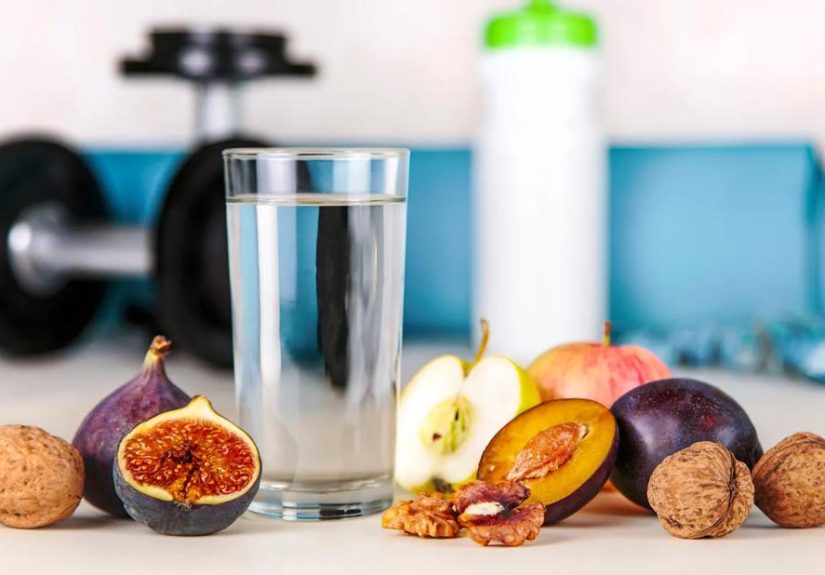
Water is the quiet hero of constipation relief. Fiber needs fluid to work properly. Without enough liquid, fiber can become more like traffic cones than a smooth-moving highway. Drinking water, clear soups, and naturally sweetened fruit or vegetable juices can help soften stool and make it easier to pass.
A simple approach is to start your morning with a glass of water and continue sipping throughout the day. You do not need to turn into a walking aquarium, but pale yellow urine is often a helpful sign that you are reasonably hydrated. If you exercise, sweat, live in a hot climate, or eat more fiber than usual, your body may need extra fluids.
Warm liquids may also help some people. A cup of warm water, herbal tea, or warm lemon water in the morning can gently encourage the digestive tract to wake up. Think of it as sending your intestines a polite calendar reminder.
2. Increase Fiber Slowly
Fiber is one of the most recommended natural remedies for constipation because it adds bulk to stool and helps it hold water. This can make stool softer, heavier, and easier for the colon to move along. Good high-fiber foods include beans, lentils, oats, bran cereal, whole-grain bread, brown rice, apples, berries, pears, leafy greens, broccoli, carrots, chia seeds, and flaxseeds.
The important word is slowly. Going from almost no fiber to a mountain of beans overnight may lead to gas, bloating, and regret. Add fiber gradually over several days or weeks. For example, try oatmeal at breakfast, add a serving of vegetables at lunch, and swap white bread for whole-grain bread at dinner.
Adults are often advised to aim for roughly 22 to 34 grams of fiber daily, depending on age, sex, and calorie needs. If you currently eat very little fiber, do not obsess over the number at first. Start by adding one fiber-rich food per day and pairing it with enough water.
3. Try Prunes or Prune Juice
Prunes have earned their reputation as nature’s tiny digestive negotiators. They contain fiber and sorbitol, a natural sugar alcohol that draws water into the intestines. This combination can help soften stool and encourage bowel movement. Prune juice may also help, especially for people who do not enjoy chewing prunes like they are in a vintage health commercial.
Start small. A few prunes or a small glass of prune juice may be enough for mild constipation. Too much too fast can cause gas, cramping, or an urgent appointment with the nearest restroom. Nobody wants a home remedy to become a home emergency.
Prunes can be added to oatmeal, yogurt, smoothies, or trail mix. If you prefer prune juice, choose 100% juice when possible and watch the portion size, especially if you are managing blood sugar.
4. Move Your Body Daily
Your intestines like movement. A walk after meals, light stretching, cycling, swimming, dancing in the kitchen, or even house cleaning can help stimulate the muscles that move stool through the colon. You do not need an intense gym session. Even a 10- to 20-minute walk can be helpful, especially if your constipation is linked to sitting for long periods.
Exercise supports digestion by increasing overall circulation and encouraging natural intestinal contractions. If your day involves a lot of screen time, set a reminder to stand, stretch, or walk around. Your colon may not send thank-you cards, but it will appreciate the effort.
For beginners, keep it simple: walk after breakfast, take stairs when possible, or do gentle yoga poses that feel comfortable. Avoid pushing through pain. Constipation relief should not require training like you are auditioning for the Olympics.
5. Create a Consistent Bathroom Routine
Your digestive system loves rhythm. Many people feel the urge to have a bowel movement after breakfast because eating can trigger the gastrocolic reflex, a natural response that gets the colon moving. Use that timing to your advantage.
Try sitting on the toilet for a few minutes after breakfast or another regular meal. Do not strain, scroll endlessly, or turn the bathroom into a second office. Just give your body calm, predictable time. If nothing happens, get up and try again later.
Also, do not ignore the urge to go. Holding it repeatedly can make stool harder and more difficult to pass. When your body sends the signal, treat it like an important text message, not a spam notification.
6. Improve Your Toilet Position
Modern toilets are convenient, but they do not always put the body in the easiest position for passing stool. Raising your knees above your hips can help straighten the anorectal angle, making bowel movements easier for some people.
You can use a small footstool, a stack of sturdy books, or a bathroom step. Sit with your feet supported, lean slightly forward, rest your elbows on your knees, and relax your belly. Avoid straining. Breathe slowly and let your body do the work.
This remedy is simple, inexpensive, and surprisingly effective for many people. It also gives you a great excuse to own a tiny bathroom stool with the confidence of someone who has their life together.
7. Eat More Gut-Friendly Fruits
Certain fruits are especially helpful for constipation because they contain fiber, water, and natural compounds that support bowel movement. Apples and pears contain pectin, a soluble fiber that helps soften and bulk stool. Berries provide fiber with relatively low sugar. Kiwi has been studied for digestive benefits and may help improve stool frequency in some people.
For best results, eat fruit with the skin when appropriate, because much of the fiber lives there. Try sliced apple with peanut butter, berries in oatmeal, kiwi with breakfast, or a pear as an afternoon snack.
If you have irritable bowel syndrome or are sensitive to certain carbohydrates, some fruits may cause gas or bloating. In that case, pay attention to your own tolerance. A remedy that makes one person feel like a graceful digestive swan may make another person feel like a balloon animal.
8. Add Seeds and Whole Grains
Chia seeds, ground flaxseeds, oats, barley, bran cereal, and whole-grain bread can be powerful additions to a constipation-friendly diet. Chia seeds absorb liquid and form a gel-like texture, which may help stool hold moisture. Ground flaxseed offers both soluble and insoluble fiber. Oats contain beta-glucan, a soluble fiber that supports stool softness.
Try adding one tablespoon of chia seeds or ground flaxseed to oatmeal, yogurt, smoothies, or cereal. Always drink enough water with high-fiber seeds. Dry chia seeds chased by no fluids are not a wellness plan; they are a digestive plot twist.
Whole grains can also replace refined grains. Choose oatmeal instead of sugary cereal, brown rice instead of white rice, and whole-grain toast instead of white bread. These swaps are small, but your colon is very much keeping score.
9. Reduce Stress and Support Sleep
The gut and brain are deeply connected. Stress can affect digestion, appetite, gut movement, and bathroom habits. Poor sleep can also disrupt normal body rhythms, including the timing of bowel movements. If constipation shows up during exams, deadlines, travel, or emotional stress, your nervous system may be part of the story.
Try simple stress-reducing habits such as deep breathing, a short walk, gentle stretching, journaling, or a calming bedtime routine. Going to bed and waking up at consistent times can help your body settle into a more predictable rhythm.
This does not mean constipation is “all in your head.” It means your gut listens to your lifestyle more closely than a nosy neighbor. Calm routines, regular meals, enough sleep, and movement can help your digestive system feel safer and more cooperative.
Foods That May Help Relieve Constipation
A constipation-friendly plate usually includes a mix of fiber, fluid, and variety. Helpful foods may include oatmeal, beans, lentils, peas, berries, apples, pears, prunes, kiwi, leafy greens, broccoli, carrots, sweet potatoes with skin, whole-grain bread, brown rice, barley, chia seeds, flaxseeds, and yogurt with live cultures if you tolerate dairy.
One easy day might look like oatmeal with berries and ground flaxseed for breakfast, a lentil soup with whole-grain toast for lunch, a pear for a snack, and salmon or chicken with roasted vegetables and brown rice for dinner. Add water throughout the day, and suddenly your digestive system has a much better working environment.
Foods and Habits That Can Make Constipation Worse
Some foods and habits can slow things down, especially when they crowd out fiber-rich choices. Highly processed snacks, large amounts of cheese, refined grains, fried foods, and too little water may contribute to constipation in some people. Sitting for long periods, skipping meals, ignoring the urge to go, and changing routines during travel can also cause trouble.
This does not mean you must live on kale and moral superiority. It simply means balance matters. A cheeseburger now and then is not the villain; a low-fiber, low-fluid, low-movement pattern is usually the bigger issue.
When Home Remedies Are Not Enough
Occasional constipation often improves with lifestyle changes. However, if home remedies do not help, speak with a healthcare professional. A doctor or pharmacist may suggest a fiber supplement, stool softener, or osmotic laxative depending on your situation. These can be useful, but they should be chosen carefully, especially for children, older adults, pregnant people, or anyone with kidney disease, heart disease, bowel disease, or medication concerns.
Seek medical advice promptly if constipation is new and persistent, lasts longer than three weeks, causes severe pain, includes blood in the stool, comes with vomiting or fever, causes unexplained weight loss, or makes it impossible to pass gas. Your gut may be dramatic sometimes, but these symptoms deserve real attention.
Practical Experience: What Constipation Relief Looks Like in Real Life
In real life, constipation relief is rarely one magical trick. It is usually a combination of small habits that finally convince your digestive system to stop behaving like a locked filing cabinet. Many people try one remedy, give it twelve minutes, then declare it a failure. But the gut often responds better to consistency than panic.
For example, someone who skips breakfast, drinks mostly coffee, eats a low-fiber lunch, sits all day, and postpones bathroom trips may not fix constipation with one glass of prune juice. Prune juice can help, but it works better when the rest of the day supports digestion too. A more realistic plan might be warm water in the morning, oatmeal with berries, a short walk after lunch, more water in the afternoon, and a relaxed bathroom routine after dinner.
Another common experience is bloating when fiber is added too quickly. This does not always mean fiber is bad. It may mean the body needs a slower introduction. A person who suddenly eats bran cereal, beans, chia seeds, and broccoli in the same day may feel like their abdomen is hosting a brass band. A gentler approach works better: add one new fiber-rich food, drink more water, and increase gradually.
Travel constipation is also very real. New schedules, different foods, long car rides, flights, and unfamiliar bathrooms can all slow things down. A useful travel strategy is to pack portable fiber: apples, pears, oatmeal packets, whole-grain crackers, prunes, or chia seeds. Walking after arrival and drinking water during travel can also help. The goal is to make your gut feel like life is still normal, even when your suitcase is missing and your hotel pillow feels like a folded pancake.
Many people also discover that bathroom posture makes a bigger difference than expected. Raising the feet on a small stool can reduce straining and make the process feel more natural. This is especially helpful for people who spend too long sitting and pushing. Straining is not a badge of honor. The bathroom is not a gym.
Stress-related constipation can be trickier. During busy school weeks, work deadlines, family stress, or major schedule changes, digestion can slow down. In these cases, food and water still matter, but calming routines matter too. A predictable sleep schedule, a few minutes of deep breathing, a walk outside, or simply giving yourself enough bathroom time can help reset the pattern.
The most useful lesson is this: constipation relief is not about punishing your body. It is about making stool softer, helping the colon move, and giving yourself time to respond when nature calls. Start with water, fiber, movement, routine, and posture. Then adjust based on how your body responds. Your digestive system may be stubborn, but with the right habits, it usually becomes a lot more reasonable.
Conclusion
Constipation is uncomfortable, annoying, and occasionally capable of making a person question every snack choice they have ever made. Fortunately, many cases of mild constipation improve with simple home remedies: drink more fluids, increase fiber gradually, try prunes, move daily, create a bathroom routine, improve toilet posture, eat gut-friendly fruits, add seeds and whole grains, and reduce stress while supporting sleep.
The best approach is gentle consistency. Do not force, strain, or expect instant perfection. Give your body the basics it needs, notice your personal triggers, and seek medical advice if symptoms persist or warning signs appear. A happier gut may not solve every problem in life, but it can absolutely make the day feel lighter.