Table of Contents >> Show >> Hide
- What Is Ina Garten’s Coconut Cake, Exactly?
- First Impressions: Why This Cake Gets So Much Attention
- How It Tastes: The Real Flavor Review
- What Works Best About This Recipe
- What Might Not Work for Everyone
- How Difficult Is It to Make?
- Best Tips for Making Ina Garten’s Coconut Cake Even Better
- Is It Better Than Other Coconut Cake Recipes?
- Final Verdict: Is Ina Garten’s Coconut Cake Worth Making?
- Extended Experience: What It’s Like to Bake and Serve This Cake
- SEO Tags
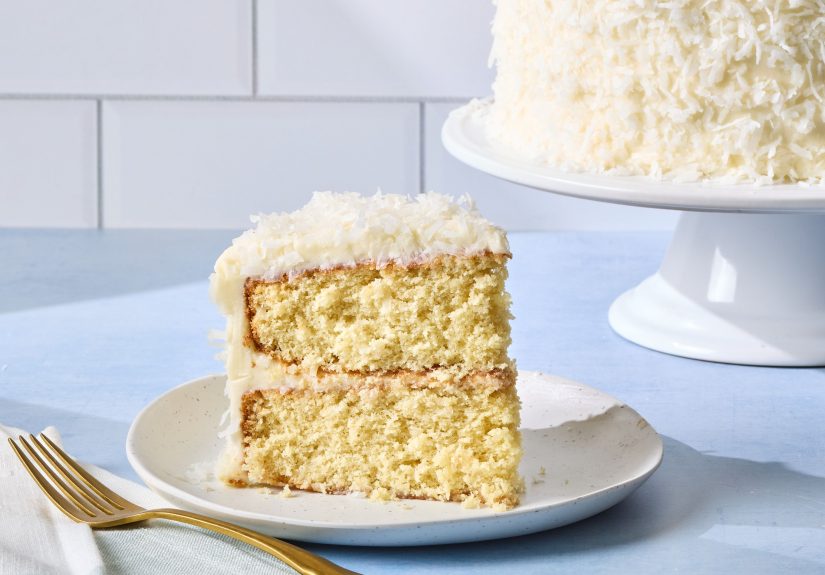
If ever there were a cake designed to make a grand entrance, it’s Ina Garten’s coconut cake. This is not a shy dessert. It does not whisper from the corner of the table. It arrives in a fluffy white coat of shredded coconut looking like it has somewhere important to be, preferably Easter brunch, a spring dinner party, or the kind of birthday where people pretend they are “just having a small thing” and then absolutely demolish three layers of dessert anyway.
Ina Garten’s coconut cake recipe has earned its reputation for a reason. It looks polished and bakery-level, but the structure of the recipe is actually straightforward: a classic layer cake with a rich cream cheese frosting and a full blizzard of sweetened coconut on the outside. The twist that makes it feel unmistakably Ina is almond extract. That little flavor note quietly turns the whole cake from “nice coconut dessert” into “wait, why is this so good?”
In this Ina Garten coconut cake recipe review, I’m breaking down what the cake tastes like, how hard it really is to make, what works beautifully, what might annoy certain bakers, and whether this famous coconut layer cake deserves a permanent spot in your recipe box. Spoiler: it is glamorous, slightly over-the-top, and exactly the kind of cake you make when you want compliments without pretending you don’t.
What Is Ina Garten’s Coconut Cake, Exactly?
At its core, this is a two-layer white cake made with butter, sugar, eggs, milk, flour, and sweetened shredded coconut folded into the batter. The cake itself is flavored with both vanilla and almond extract, then finished with a cream cheese frosting that also gets a touch of almond extract. Once assembled, the whole thing is coated with more sweetened shredded coconut for a snowy, textured finish.
That formula matters. This is not an ultra-light angel food situation, and it is not a tropical vacation cake loaded with coconut milk, lime, rum, or pineapple. Ina’s version sits somewhere else: rich, classic, and polished. It tastes like an East Coast dinner-party dessert that borrowed a beach sweater and somehow made it look expensive.
It also explains why so many home bakers end up pleasantly surprised. People often expect a coconut cake to be aggressively tropical or candy-sweet. Instead, this one is more restrained. The almond extract adds a nutty floral edge, the cream cheese frosting brings tang, and the coconut functions as both flavor and texture. That balance is the real secret sauce here.
First Impressions: Why This Cake Gets So Much Attention
Before you even cut into it, this cake wins on appearance. It’s dramatic in the least stressful way possible. The thick coating of shredded coconut gives it a soft, plush look that hides minor frosting imperfections, which is excellent news for anyone whose offset spatula skills are more “enthusiastic” than “professional.” If your layer cake decorating usually ends in emotional negotiations with buttercream, this recipe is refreshingly forgiving.
It also has that rare “special occasion” look without requiring advanced piping, sugar work, or architectural engineering. You frost it, throw coconut on it, press lightly, and suddenly you have a cake that looks like it came from a high-end bakery box. It is basically the dessert version of wearing an all-white outfit and somehow not spilling coffee on yourself.
That visual payoff is a big reason the recipe keeps circulating. It photographs well, slices beautifully, and looks festive for spring holidays, birthdays, showers, and old-school family gatherings. The coconut coating makes it memorable before anyone even takes a bite.
How It Tastes: The Real Flavor Review
The Cake Layers
The cake itself is buttery, tender, and pleasantly rich. Because it uses all-purpose flour, whole eggs, and milk, it has more substance than a feather-light bakery sponge. That is not a flaw. In fact, it gives the cake some backbone, which is useful when you’re stacking layers and slathering on a thick cream cheese frosting.
The coconut flavor inside the cake is present but not loud. Think “supporting actor who quietly steals the scene,” not “main character in a floral shirt.” The shredded coconut folded into the batter adds chew and sweetness, while the extracts do the heavy lifting on aroma. If you are hoping for intense natural coconut flavor from canned coconut milk or toasted coconut, this recipe is going for a different mood. It leans classic, not maximalist.
The Frosting
The frosting is where the recipe earns serious points. Cream cheese frosting can go wrong in two directions: too sweet and fluffy, or too tangy and dense. Ina’s lands in a happy middle. It is rich and creamy, but the cream cheese keeps the cake from tasting like one giant sugar bomb. The instruction not to whip it too much is smart, because overbeaten cream cheese frosting can become too airy, loose, or slightly weird in texture.
The almond extract in the frosting is especially clever. Coconut and almond are natural flavor friends, and together they create a more nuanced bite than plain vanilla frosting would. This is one reason the cake appeals even to people who think they are merely “fine” with coconut. The flavor reads elegant rather than novelty dessert.
The Coconut Finish
The shredded coconut on the exterior does more than look pretty. It adds texture, catches the frosting, and turns every bite into a mix of soft cake, creamy frosting, and chewy-sweet coconut. That contrast keeps the cake from feeling flat. If you love texture in desserts, this is a huge plus. If you prefer perfectly smooth, sleek cake bites, you may find the coconut coating a little shaggy. Personally, the shaggy charm is part of the appeal.
What Works Best About This Recipe
The biggest strength of Ina Garten’s coconut cake is balance. Many coconut cakes veer into one-note sweetness, but this one doesn’t. The tangy cream cheese frosting and almond extract keep the flavor layered. It is rich without being punishing, sweet without tipping into cavity-level chaos, and coconut-forward without tasting like sunscreen in cake form.
The second big win is presentation. This recipe delivers a lot of visual drama for a relatively reasonable amount of effort. You do not need to be a pastry chef. In fact, the coconut helps camouflage minor decorating errors, which makes the cake ideal for home bakers who want a showstopper without a side of panic.
Another advantage is that it feels both nostalgic and elevated. It has the charm of an old-fashioned American layer cake, but the almond note and fluffy white finish give it a more polished personality. It fits equally well at a church potluck, a bridal shower, or a dinner party where everyone suddenly becomes very serious about dessert forks.
What Might Not Work for Everyone
No honest Ina Garten cake review is complete without mentioning the caveats. First, this is a rich cake. Between the butter, cream cheese, confectioners’ sugar, and coconut, it is undeniably indulgent. If you prefer light, airy cakes with whipped cream frosting, this one may feel a bit substantial.
Second, the flavor profile is milder and more classic than some modern homemade coconut cake recipes. Bakers who want big coconut flavor from coconut milk, coconut oil, toasted coconut, or coconut cream filling may find Ina’s version a little conservative. It is more “beautiful traditional layer cake” than “full tropical fantasy.”
Third, the frosting quantity can feel generous. That is helpful for beginners and for coating the entire cake generously, but some bakers may choose to scale it back slightly if they prefer a thinner finish. This is especially true if you like a more restrained frosting-to-cake ratio.
Finally, sweetened shredded coconut is an unmistakable texture. Some people adore it; others take one bite and start wondering why the cake is wearing a tiny sweater. If you’re in the second group, this recipe may not convert you.
How Difficult Is It to Make?
For an intermediate cake, it is surprisingly manageable. You are not dealing with complicated fillings, unstable meringues, or fragile sponge layers. The steps are familiar: cream butter and sugar, add eggs and extracts, alternate dry ingredients and milk, fold in coconut, bake, cool, frost, and coat.
The main places where attention matters are basic cake technique. Room-temperature ingredients help the batter emulsify properly. You do not want to overmix once the flour goes in. You need the layers fully cool before frosting. And with cream cheese frosting, restraint is a virtue: beat until smooth, not until it looks like it’s training for a marathon.
Assembly is actually easier than it looks. The frosting is forgiving, and the coconut coating covers a multitude of sins. If your layers are a little uneven, the cake will survive. If the sides are not perfectly smooth, the coconut will politely mind its own business and hide the evidence.
Best Tips for Making Ina Garten’s Coconut Cake Even Better
Use Room-Temperature Ingredients
This matters more than people think. Butter creams better, eggs blend more smoothly, and cream cheese frosting stays silkier when the ingredients are not refrigerator-cold.
Don’t Rush the Cooling Time
If the cake layers are even slightly warm, the frosting will soften and slide. Patience here saves a lot of emotional damage later.
Toast a Small Portion of the Coconut if You Want More Contrast
This is not part of Ina’s classic look, but mixing in a little toasted coconut can add nuttier flavor and a subtle color contrast without changing the soul of the recipe.
Serve It at Cool Room Temperature
Fresh from the refrigerator, cream cheese frosting firms up and the cake can feel denser. Letting slices sit out briefly improves texture and flavor.
Lean Into the Occasion
This is not really a Tuesday “just because” snack cake. Could you make it on a random weekday? Of course. But it shines brightest when it gets a proper entrance.
Is It Better Than Other Coconut Cake Recipes?
That depends on what you want. If your dream coconut cake recipe review ends with a cake that is deeply tropical, ultra-moist from coconut milk, and filled with custard or curd, there are more intense options out there. But if you want a classic American coconut layer cake with cream cheese frosting that looks elegant, tastes balanced, and feels reliably crowd-pleasing, Ina’s version is an excellent choice.
It is especially strong for bakers who want dependable results without sacrificing style. Some coconut cakes aim for technical greatness. Ina’s aims for effortless generosity. It wants to look beautiful on a pedestal stand, feed a group happily, and leave people asking for the recipe in a tone that suggests they are already planning to steal your dessert identity.
Final Verdict: Is Ina Garten’s Coconut Cake Worth Making?
Yes, absolutely, with one tiny asterisk: you should make it if you want a rich, classic, company-worthy cake with soft coconut flavor, tangy frosting, and major visual payoff. If that sounds like your dessert love language, this recipe delivers.
What makes this cake memorable is not novelty. It is the opposite. It takes familiar ingredients and arranges them with just enough elegance that the whole thing feels a little more special than expected. The almond extract is subtle but crucial. The frosting is lush without becoming ridiculous. The coconut coating is theatrical in the best way. Altogether, it feels like the dessert equivalent of a crisp white button-down shirt: timeless, flattering, and somehow ready for almost any occasion.
So, is Ina Garten’s coconut cake recipe the most intense coconut cake ever made? No. Is it one of the most charming, crowd-friendly, and visually rewarding coconut cakes a home baker can pull off? Very much yes. It is the kind of dessert that makes people assume you are more composed than you actually were while frosting it, and frankly, that is one of baking’s finest gifts.
Extended Experience: What It’s Like to Bake and Serve This Cake
The experience of making Ina Garten’s coconut cake is one of those rare kitchen projects that feels special without crossing into exhausting. From the moment the butter and sugar start creaming together, the recipe has that familiar, comforting rhythm of a classic layer cake. Nothing about the method feels fussy for the sake of being fussy. You are not separating twelve eggs while whispering apologies to a stand mixer. You are building a proper cake with straightforward steps, and that alone makes the process more enjoyable than many “famous” recipes that seem determined to humble you before dessert.
As the batter comes together, the almond extract is the first clue that this cake is going to have a slightly more polished personality than your average coconut dessert. It smells warm, sweet, and faintly elegant, which is not a phrase people use enough in everyday life. When the shredded coconut gets folded in, the batter suddenly looks like it means business. It is thick, plush, and reassuringly homemade.
While the cake bakes, the kitchen takes on that buttery vanilla-almond aroma that makes people wander in and ask what you’re making, even if they had no prior interest in dessert. That is one of this recipe’s underrated strengths: anticipation. It smells festive. It smells like a holiday table, a family gathering, or the kind of dinner party where everyone says they’re full and then somehow still accepts cake.
Frosting and assembling the layers is where the recipe becomes genuinely fun. Because the cream cheese frosting is soft and spreadable, it does not feel like you are wrestling with a stiff bakery buttercream. Then comes the best part: pressing the coconut onto the sides and top. This step is delightfully low-pressure. The more imperfect and fluffy it looks, the prettier it becomes. A cake that rewards you for not obsessing over razor-sharp edges is a cake I can respect.
Serving it is even better. The first slice feels dramatic because the snowy exterior makes the reveal more satisfying. Inside, the pale cake layers and creamy frosting look clean and classic. On the plate, it reads as rich and celebratory, but not overly trendy or overdesigned. Guests tend to react in two stages: first to the look, then to the flavor. The texture usually seals the deal. You get soft cake, creamy frosting, and that sweet chew from the coconut all in one bite.
What really stands out in the experience, though, is how broadly appealing the cake is. Coconut lovers enjoy the coating and flavor, while people who are usually lukewarm on coconut often like this cake because it is not too aggressive. It tastes nostalgic and upscale at the same time. Leftovers also hold up well, which is important because a cake this size usually becomes tomorrow’s breakfast “just for quality control.”
Overall, the baking experience is deeply satisfying. It feels like making something generous, pretty, and unmistakably homemade. And when a cake makes people pause mid-bite, look at you, and ask, “Wait, did you really make this?” that is the kind of kitchen victory worth repeating.