Table of Contents >> Show >> Hide
- Why “Redneck Engineering” Never Fails to Grab Attention
- 50 Hilarious Examples, One Shared Personality
- The Internet Loves This Stuff Because It Feels Honest
- The Thin Line Between Genius and “Please Don’t Do That”
- What These 50 Posts Actually Reveal About People
- Why We Laugh, Even When We’re Secretly Taking Notes
- Extra Thoughts: What It Feels Like to Encounter Redneck Engineering in Real Life
- Conclusion
There are two kinds of problem-solvers in this world. The first kind reads the manual, watches three tutorials, and orders the factory-approved replacement part. The second kind stares at a broken object, looks around the garage, spots a hose clamp, an old lawn chair, half a pool noodle, and a suspicious amount of zip ties, then whispers the immortal words: “Oh, I got this.”
That second group is responsible for the internet’s enduring love affair with redneck engineeringthe gloriously chaotic art of fixing a problem with whatever happens to be nearby. It is part DIY culture, part survival instinct, part comedy special, and part OSHA nightmare. And when done with enough confidence, it produces the kind of result that makes viewers laugh, squint, and grudgingly admit, “Well… technically, it works.”
The now-legendary quote, “I’m impressed, disgusted, and tempted all at the same time,” perfectly captures the emotional cocktail these improvised creations inspire. That reaction is exactly why galleries of 50 bizarre, clever, and hilariously effective fixes keep spreading online. People are not just looking at oddball repairs. They are watching raw human ingenuity in its purest, messiest form.
Why “Redneck Engineering” Never Fails to Grab Attention
The appeal is simple: these creations are funny because they reject polish. They are not elegant. They are not refined. They often look like they were assembled during a power outage using whatever was left after a yard sale and a minor argument. But they also reveal something genuinely admirablepeople are astonishingly resourceful when money is tight, time is short, or convenience has left the building.
That is the strange magic of improvised engineering. A fix can look terrible and still solve a real problem. In fact, some of the funniest examples go viral precisely because they land in the narrow sweet spot between absurd and effective. The moment a solution works, no matter how ugly it is, the viewer’s brain has to admit defeat. You wanted to mock it. Now you kind of respect it. That is how a lawn mower with a homemade shade canopy turns into a work of folk genius.
Online communities built around this genre understand the formula perfectly. The best posts are never just random junk glued together for shock value. They tell a tiny story: there was a problem, there was no ideal tool, and someone refused to surrender. That stubbornness is what makes the whole category so entertaining. It is not simply chaos. It is chaotic purpose.
50 Hilarious Examples, One Shared Personality
When you look across dozens of viral examples, patterns start to emerge. The materials change. The setting changes. Sometimes it is a driveway, sometimes a backyard, sometimes a workshop that looks one sneeze away from becoming a documentary. But the personality behind the fix stays the same. These are solutions made by people who value function over aesthetics and would rather get moving today than wait for the correct part next Tuesday.
1. Vehicle Fixes That Shouldn’t Work, Yet Somehow Do
No category captures the spirit of redneck engineering quite like vehicle hacks. The automobile has always attracted a certain kind of improviser: a person who sees a manufacturer’s recommendation not as a rule, but as a polite suggestion from someone who clearly has not met their toolbox.
That is how you end up with backyard-tracked trucks, handmade roof contraptions, makeshift cargo systems, and replacement parts sourced from objects that definitely began life with a different job description. One viral fix might feature a weather shield built from foam and hope. Another might involve a machine modified just enough to survive another season, another trip, or another stubborn declaration that “it’ll be fine.”
The humor comes from the visual mismatch. Machines designed with millions in research and development are suddenly relying on solutions that look like they were inspired by a gas station parking lot and a dare. But the deeper reason people love these photos is that they expose a truth professionals sometimes hide: a lot of engineering is simply problem-solving under constraints. These folks just happen to have dramatically weirder constraints.
2. Household Repairs With Unreasonable Confidence
If vehicle hacks are the headline act, household repairs are the underappreciated comedy geniuses. This is where redneck engineering becomes deeply personal. It is one thing to witness a modified truck in the wild. It is another to see a toilet paper holder replaced with bungee cords, a gate secured with a multi-person lock system worthy of a low-budget heist film, or a broken chair reborn through conduit, clamps, and sheer emotional commitment.
The beauty of these funny DIY fixes is that they often reveal an unexpectedly practical mind at work. A normal person sees a problem and a store run. A redneck engineer sees an opportunity to raid the shed and invent a solution so specific it belongs in a museum called Things That Shouldn’t Be This Smart. Even when the result looks like an unlicensed collaboration between a hardware aisle and a fever dream, it often solves the exact issue it was built for.
That is why viewers keep scrolling. Every new image poses the same question: is this foolishness, brilliance, or both? The answer is usually “yes.”
3. Weatherproofing, Comfort, and the Pursuit of Maximum Laziness
Some of the most beloved redneck engineering posts are not really about repair at all. They are about comfort. Specifically, the deeply American dream of doing less while still technically accomplishing something.
This is the realm of improvised shade systems, pool-noodle rain guards, hacked-together hot tubs, and various add-ons designed to make hard work slightly less offensive. These builds often feel like the physical form of a sentence that begins with, “You know what would be nice?” and ends with a completely unhinged but oddly effective invention.
The quote in the title comes from exactly this kind of example: a homemade setup so questionable and so alluring that it triggers emotional whiplash. You do not know whether to call a genius, a plumber, or a priest. But you absolutely know you will stare at it longer than you meant to.
4. Tool Hacks and Franken-Devices
Then there are the creations that go beyond fixing an item and move into the world of making entirely new tools. This is where the line between joke and innovation gets extra blurry. A phone holder assembled from unrelated hardware. A custom adapter born from desperation. A one-off rig made from scraps because buying the “correct” version felt both expensive and personally insulting.
These are often the most impressive examples because they expose a very real engineering instinct: adaptation. When people lack the proper part, they start searching for shape, tension, leverage, and compatibility. Suddenly a spatula is not a spatula. It is a structural component with a destiny. A welding clamp is not a clamp. It is the missing link in a phone mount nobody asked for but everyone remembers.
Redneck engineering gets laughed at for being rough, but there is genuine creative intelligence hiding underneath the duct tape. It is not always pretty intelligence. Sometimes it smells faintly like gasoline and bad judgment. Still intelligence.
The Internet Loves This Stuff Because It Feels Honest
Part of the reason these posts travel so well is that they push back against the polished internet. Social feeds are full of perfect kitchens, perfect workshops, and perfect tutorials filmed by people who seem to own seventeen identical cordless tools. Redneck engineering is the opposite. It is not staged elegance. It is visible struggle. It says, “I had a problem, I had very little patience, and this happened.”
That honesty is weirdly refreshing.
It also taps into a larger cultural affection for repair. At a time when many products feel designed to be replaced rather than fixed, improvised solutions carry a rebellious charm. They remind people that objects do not always need to be tossed the minute they fail. Sometimes they can be coaxed back into service with ingenuity, stubbornness, and a complete disregard for interior decorating standards.
Of course, that does not mean every jury-rigged masterpiece deserves applause. Some belong in a comedy gallery, not a functioning home. But even the worst examples reveal a mindset that many people find relatable: the refusal to quit just because the official solution is expensive, delayed, or inconvenient.
The Thin Line Between Genius and “Please Don’t Do That”
This is the part where common sense walks into the room wearing a reflective vest. The funniest redneck engineering examples are entertaining precisely because they sit near the edge of acceptability. That edge matters. Plenty of makeshift fixes are clever but temporary. Others are clever and wildly unsafe. Those are not the same thing.
A truly smart reader can enjoy the humor without mistaking internet applause for engineering certification. A creation can be inventive and still be a terrible idea in practice. In fact, some of the most memorable examples go viral because viewers instinctively understand that they are witnessing an object lesson in creative chaos, not a tutorial.
That tension is part of the genre’s appeal. Redneck engineering invites admiration, but with a raised eyebrow. It says, “Look what I made,” while the rest of us reply, “That is both brilliant and concerning, and I need to inspect it for another 45 seconds.”
What These 50 Posts Actually Reveal About People
Beneath the jokes, these viral images show something very human. People want control over their environment. When something breaks, they want the satisfaction of solving it. When resources are limited, they want to prove they can still figure it out. And when the result looks hilariously wrong but works anyway, they want witnesses.
That last point matters. Redneck engineering is not just a repair style. It is a storytelling style. Every ridiculous fix is a tiny declaration of identity: I am the kind of person who would rather invent a weird answer than accept defeat. That spirit is half the reason the internet cannot get enough of it.
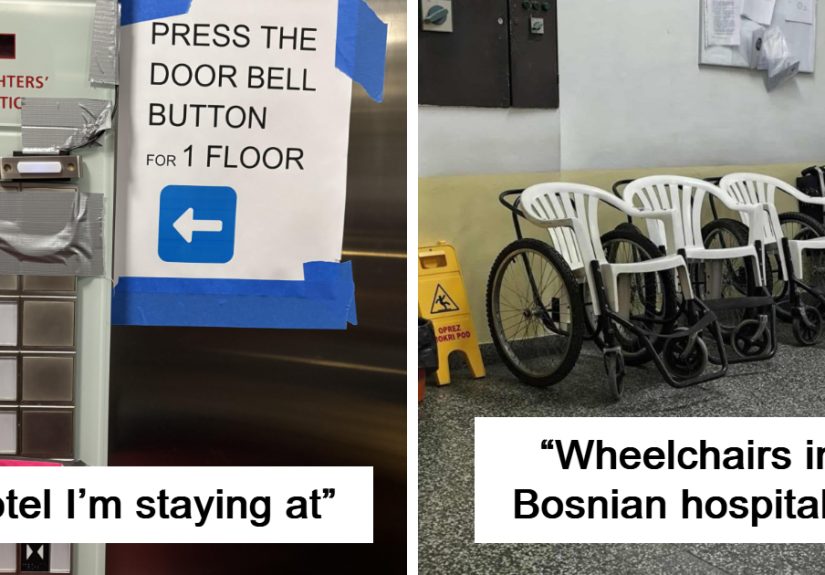
It also helps that many of these creations contain a kind of accidental design poetry. A hacked wheelchair made from everyday objects. A machine improved by rural shop-floor improvisation. A broken shoe revived mid-concert with whatever was available. These are not luxury solutions. They are practical mini-dramas, and practicality is often more interesting than perfection.
In a strange way, redneck engineering celebrates the same thing that professional design celebrates: solving the problem in front of you. The difference is that one arrives with CAD files and compliance testing, and the other arrives with a socket wrench, leftover hardware, and enough confidence to make the room nervous.
Why We Laugh, Even When We’re Secretly Taking Notes
The laugh is important. It keeps the whole thing from becoming preachy. Nobody opens a gallery of outrageous improvised fixes hoping for a lecture on design theory. They come for the visual punchline. But good humor often sneaks truth past the front desk, and these images do exactly that.
They remind us that creativity does not always look sophisticated. Sometimes it looks like a rough weld, a patched hinge, or a painfully homemade accessory that somehow solves the exact right problem. Sometimes innovation shows up in a clean laboratory. Sometimes it shows up in a yard with a cooler nearby and a sentence that begins, “Hear me out.”
That is why the best redneck engineering posts linger in memory. They are more than funny pictures. They are evidence that improvisation is alive, well, and still wearing work boots.
Extra Thoughts: What It Feels Like to Encounter Redneck Engineering in Real Life
If you have ever seen redneck engineering up close instead of on a screen, you know the experience hits differently. Online, you laugh first and zoom in second. In real life, there is always a brief pause where your brain tries to decide whether you are witnessing genius, budget constraints, or the opening scene of a cautionary tale.
The first emotion is usually disbelief. You spot a fix made from parts that absolutely did not attend the same product meeting, and your mind starts doing paperwork. Why is that attached to that? Why is that load-bearing? Why does this seem more stable than it has any right to be? Then the disbelief gives way to admiration, because the longer you study it, the more you realize somebody thought this through in a very specific, very survival-based way.
There is also a social element to it. Real-world redneck engineering tends to come with commentary. The creator is rarely shy. They will tell you how the problem started, why the store-bought answer was overpriced, and why their version is not only cheaper but “probably better, honestly.” They say this with the calm confidence of a person who has already won the argument in their own head. And the annoying part is, sometimes they are right.
Another thing people do not always understand until they experience it firsthand is how memorable these fixes become. You forget a standard replacement part almost immediately. But you never forget the gate that opened through a weird multi-lock puzzle, the rain guard that involved a foam noodle, or the homemade comfort upgrade that looked ridiculous until a storm rolled in and it suddenly made perfect sense. Redneck engineering burns itself into memory because it is visually absurd and emotionally persuasive at the same time.
It can also create a strange chain reaction. One improvised fix gives everyone nearby permission to start thinking a little less conventionally. Suddenly the room fills with sentences like, “You know what else might work?” This is how garages become laboratories and ordinary people become temporary inventors. Not polished inventors, obviously. More like enthusiastic raccoons with tools. But inventors nonetheless.
And yes, there is always a limit. Every real-world encounter with redneck engineering includes an invisible scoreboard where practicality, danger, thrift, and pride are all competing. The best examples earn respect because they solve a real problem without pretending to be elegant. The worst ones make you quietly step back and update your insurance preferences. The unforgettable ones do both.
That mix of feelings is exactly why the topic never gets old. We laugh because these creations are awkward. We admire them because they are resourceful. We keep talking about them because they expose something timeless: when people are cornered by inconvenience, they get weirdly creative. Maybe not architecturally beautiful. Maybe not code-compliant. But undeniably creative.
So if a gallery of 50 hilariously impressive examples leaves you impressed, disgusted, and a little tempted, that just means it worked. Redneck engineering is not trying to be perfect. It is trying to survive the moment, solve the issue, and maybe make the neighbors stare. On all three counts, it tends to deliver.
Conclusion
In the end, redneck engineering is funny because it is familiar. Most people have improvised something at least oncesome more successfully than others, and some with far more zip ties than the law of nature intended. These viral examples simply push that instinct to theatrical extremes. They celebrate the rough-and-ready creativity that appears when budgets shrink, patience disappears, and the human urge to “make it work” takes over.
That is why these 50 hilariously impressive results do more than entertain. They reveal a scrappy problem-solving culture that values function, speed, and invention over polish. You may not want every one of these fixes in your own home, garage, or backyard. But you cannot deny the charm of a solution so ugly, so clever, and so committed to the mission that it wins you over anyway.