Table of Contents >> Show >> Hide
- The Short Answer: Usually No for HEPA, Sometimes Yes for Pre-Filters
- Why So Many People Get This Wrong
- Know Your Filter: What Can Be Cleaned and What Usually Cannot
- What Happens If You Wash the Wrong Filter?
- How to Tell Whether Your Filter Is Reusable
- How to Clean the Parts You Actually Can Reuse
- When You Should Replace a Filter Instead of Cleaning It
- Can Cleaning Save Money? Yes, but Only in the Right Places
- Common Mistakes to Avoid
- Real-World Experiences: What People Learn the Hard Way
- Final Verdict
- SEO Tags
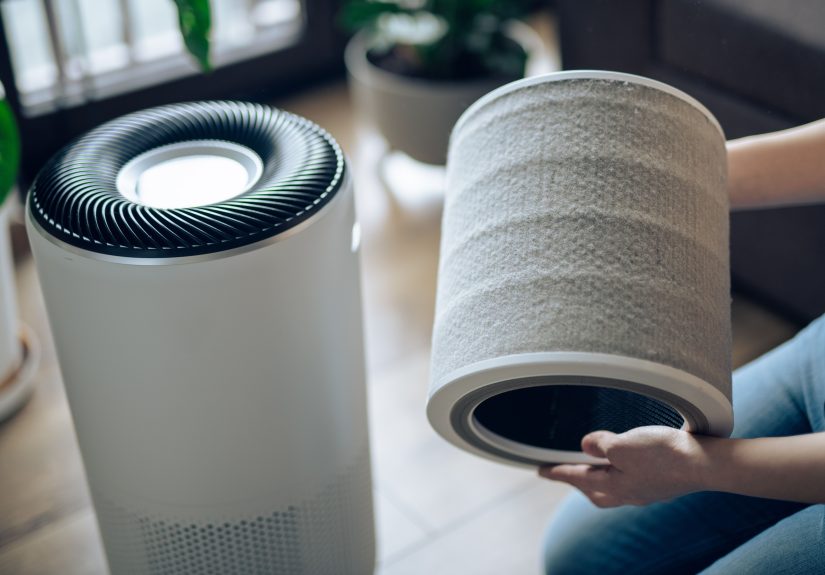
If you have ever pulled an air purifier filter out of the machine and stared at it like it just came back from a dust rodeo, you are not alone. The natural thought is simple: “This thing is dirty. Why not wash it, dry it, and put it back?” It feels practical, thrifty, and just a little heroic. After all, we rinse reusable water bottles, mop heads, and coffee filters. Surely an air purifier filter can handle one good spa day, right?
Well, yes and no. And that split answer is exactly what surprises people.
In most cases, the main air purifier filter should not be washed and reused. But some pre-filters can absolutely be cleaned, and a handful of units use permanent or explicitly washable filters that are designed for reuse. So the real answer is not “always” or “never.” It is: you can only clean and reuse the filter if the manufacturer says you can. Anything else is guesswork with a side of regret.
Let’s break down what is actually safe, what is a terrible idea disguised as a money-saving hack, and how to keep your purifier working without turning your living room into a science experiment.
The Short Answer: Usually No for HEPA, Sometimes Yes for Pre-Filters
Here is the headline version. If your air purifier uses a true HEPA filter, that filter is usually meant to be replaced, not washed. Washing can damage the fine fibers that trap tiny airborne particles such as dust, pollen, pet dander, and smoke. Once those fibers are weakened, bent, or clogged in the wrong way, the filter may look cleaner while actually performing worse. That is the kind of household win that turns into a loss.
On the other hand, many air purifiers also have a pre-filter. That first layer catches larger particles like hair, lint, and visible dust. In many models, the pre-filter can be vacuumed, brushed off, or even rinsed and dried completely before reinstalling. Some machines also include washable carbon or permanent electrostatic-style filters, but those are the exception, not the rule.
So if you were hoping for a universal trick that lets you skip replacement filters forever, your wallet may be disappointed. But if you were hoping for a smarter maintenance routine that stretches filter life the right way, good news: that part is very doable.
Why So Many People Get This Wrong
The confusion usually starts with one innocent detail: all filters look washable when they are dirty. Dust makes things look temporary. If a baking sheet gets gross, you scrub it. If a sponge looks tragic, you rinse it. So when a filter turns gray, many people assume the same logic applies.
It does not.
Air purifier filters are not just there to “hold dirt.” Many are engineered to catch microscopic particles while still allowing enough airflow for the purifier to do its job. That delicate balance is why the material matters so much. A HEPA filter is not a simple mesh screen. It is a densely layered filtration medium. Get it too wet, rub it too hard, reinstall it before it is fully dry, or break down its structure, and performance can drop fast.
In other words, your air purifier filter is not being dramatic. It is just specialized.
Know Your Filter: What Can Be Cleaned and What Usually Cannot
1. Pre-Filter
This is the easiest one. A pre-filter handles the bigger stuff: pet hair, lint, visible dust, fuzz, and airborne fluff that seems to reproduce overnight. Many pre-filters are reusable and can be vacuumed or washed, depending on the model.
If your purifier manual says the pre-filter is washable, great. Rinse it gently, let it dry completely, and reinstall it. If it says vacuum only, stick with vacuum only. This is not the time to freestyle.
2. True HEPA Filter
This is the filter most people are really asking about. And for most air purifiers, the answer is no: do not wash the HEPA filter. True HEPA filters are designed to trap very small particles, and water can damage the internal fiber structure. A washed HEPA filter may look fresh, but it can lose efficiency, create airflow issues, or become a mildew invitation if it is not perfectly dried.
Think of it this way: a soggy paper towel is still technically a towel, but nobody is bragging about its performance.
3. Activated Carbon Filter
Carbon filters are used for odors, smoke, cooking smells, and certain gases or volatile organic compounds. These usually are not washable either. Activated carbon works because of its porous surface area. Once that surface is loaded with odors and contaminants, washing does not magically reset it. In many cases, it just turns the filter into a damp, less effective version of its former self.
4. Permanent or Washable Filters
Some purifiers are built around permanent, washable, or reusable filters. These products are usually marketed that way very clearly. If your unit specifically says “washable filter,” “permanent filter,” or gives step-by-step washing instructions, then yes, clean it exactly as directed. These filters are designed differently from standard disposable HEPA cartridges.
The key phrase is specifically says. Not “probably.” Not “it seems sturdy.” Not “someone in a review section said they rinsed it in the sink and lived to tell the tale.”
What Happens If You Wash the Wrong Filter?
This is where the surprise gets a little less fun.
If you wash a filter that is not meant to be washed, several things can happen:
- The fibers can break down, which means worse filtration.
- Airflow can drop, making the purifier work harder and clean less effectively.
- Moisture can linger, leading to mold or musty smells.
- The filter can warp or tear, creating gaps where unfiltered air slips through.
- The machine can become less efficient, which defeats the whole point of owning it.
The sneakiest part is that you may not notice right away. Your purifier will still make noise. It may still light up. It may still look hardworking and noble in the corner. Meanwhile, the actual air-cleaning performance can be quietly taking a nap.
How to Tell Whether Your Filter Is Reusable
If you remember one rule from this article, make it this one: check the manual or the brand’s official support page.
Not the box from three apartments ago. Not a random forum post from a guy named DustDestroyer88. The actual manual.
Look for terms like:
- washable pre-filter
- permanent filter
- reusable filter
- vacuum only
- replace every X months
If the manual says replace it, replace it. If it says wash monthly, wash monthly. If it says vacuum lightly and do not use water, listen to that too. Air purifiers are one of those appliances where “close enough” can turn into “why does my room still smell like toast and dog?”
How to Clean the Parts You Actually Can Reuse
If your purifier includes a washable component, here is the safest general routine:
Step 1: Unplug the machine
It sounds obvious, yet history suggests obvious things deserve repeating.
Step 2: Remove the pre-filter or washable filter
Do this gently. No aggressive yanking. Your purifier is not a lawn mower.
Step 3: Follow the approved cleaning method
That may mean vacuuming, rinsing with cool water, or washing without soap. Some brands allow a gentle rinse; others prefer vacuum-only maintenance.
Step 4: Let it dry completely
This part matters more than people think. “Mostly dry” is not dry. “I waved it around for a bit” is definitely not dry. Wait until it is fully dry all the way through before reinstalling it.
Step 5: Wipe down the purifier exterior and air inlets
Dust on the machine itself can reduce performance over time. A microfiber cloth works well. Just do not get moisture inside the unit.
Step 6: Reset the filter light if needed
Some purifiers need a manual reset after maintenance. Otherwise the machine will keep judging you with a glowing icon.
When You Should Replace a Filter Instead of Cleaning It
Even a reusable pre-filter has limits, and disposable filters definitely do. It is time for replacement when:
- the manual says the replacement interval has arrived
- the filter is torn, warped, or misshapen
- odors are lingering longer than usual
- airflow seems weaker
- the filter stays dirty-looking after approved cleaning
- your home has heavy dust, pets, smoke exposure, or renovation debris
Homes with pets, wildfire smoke, heavy cooking, or lots of foot traffic often go through filters faster than the packaging suggests. Recommended timelines are helpful, but real-life messiness always gets a vote.
Can Cleaning Save Money? Yes, but Only in the Right Places
Cleaning a reusable pre-filter can absolutely save money because it helps the main filter last longer. That is the smart, sensible, adult version of thrift.
Trying to wash a disposable HEPA filter to avoid buying a replacement is the chaotic version. It may seem cheaper in the moment, but if the filter stops performing properly, you are paying for electricity to run an air purifier that is suddenly much less good at purifying air. That is like buying expensive coffee beans and then brewing them through a sock. Resourceful? Maybe. Ideal? Not even slightly.
The best value move is regular maintenance, not desperate filter resurrection.
Common Mistakes to Avoid
- Using soap when the brand says water only. Soap residue can affect filter material.
- Reinstalling damp filters. Moisture and enclosed spaces are not a charming combo.
- Vacuuming a filter too aggressively. Gentle means gentle.
- Ignoring the pre-filter. A neglected pre-filter can shorten the life of the main filter.
- Assuming all HEPA filters are washable. Most are not.
- Waiting until the purifier smells weird. By then, the maintenance reminder is basically screaming.
Real-World Experiences: What People Learn the Hard Way
Ask around, and you will hear the same pattern over and over. Someone buys an air purifier during allergy season, falls in love with the cleaner-feeling room, and then eventually opens the machine to discover a filter that looks like it has been collecting evidence. The immediate reaction is often panic mixed with denial. “Surely I can clean this.” That is usually the moment the internet sends them down two very different paths: one group saying “just rinse it,” the other yelling “absolutely not.”
People with pets tend to learn fastest. A home with two cats, a dog, and a couch that somehow produces its own lint economy will clog a pre-filter fast. Many owners say the first surprise is how much hair the pre-filter catches in just a couple of weeks. The second surprise is how much better the purifier runs once that reusable layer is cleaned on schedule. In those homes, the reusable part of the system really earns its keep.
Then there are the budget-minded households that try to stretch every filter as long as possible. That instinct makes sense. Replacement filters are not free, and some premium models can make your shopping cart feel slightly rude. But many people report the same mistake: washing a main HEPA filter, letting it dry overnight, reinstalling it, and noticing the purifier never quite works the same afterward. Sometimes airflow drops. Sometimes the room starts smelling stale. Sometimes the machine seems louder, as if it is working harder while accomplishing less. That is usually the point when “saving money” turns into “buying the replacement anyway.”
People living in smoky areas often have another lesson to share. During wildfire season or after heavy outdoor pollution, filters can load up much faster than expected. In that situation, cleaning the pre-filter can help, but it does not magically restore a saturated main filter. Many users say they were shocked by how quickly odor control dropped once the carbon layer was spent. That is when they discovered that some parts of an air purifier are maintenance items, not forever items.
Families with allergies often end up becoming the most disciplined purifier owners. Once they notice the difference between a well-maintained unit and a neglected one, they tend to keep a regular routine. Vacuum the pre-filter. Check the replacement light. Wipe down the intake. Replace the main filter on time. It is not glamorous, but neither is sneezing through your own living room.
And then there is the classic experience of finding the manual after making the wrong choice. It usually happens like this: the filter is already wet, the sink is already dirty, and then someone reads the words “do not wash” printed with devastating clarity. It is a humbling moment. Also, a very common one.
The biggest real-world takeaway is simple. People who get the best results from air purifiers do not treat every filter the same. They learn which layer is reusable, which layer is disposable, and which maintenance habits actually improve performance. Once that clicks, the whole system makes more sense. You stop guessing, stop risking damage, and stop expecting a soaked HEPA filter to rise heroically from the drying rack like a phoenix made of dust.
Final Verdict
So, can you clean and reuse an air purifier filter?
Sometimes. You can often clean and reuse a pre-filter, and you can clean a permanent or washable filter if the manufacturer says so. But for the main HEPA filter in most air purifiers, the answer is no. It is usually meant to be replaced, not washed.
That may not be the magical money-saving twist everyone wants, but it is the truth that keeps your purifier effective. And honestly, that is the more useful surprise. A little routine maintenance goes a long way, but the smartest move is still to follow the design of your specific machine.
Your air purifier can help clean the air. It just cannot fix a filter after an unauthorized bath.