Table of Contents >> Show >> Hide
- Why Live-Action Cartman Worked So Well
- The Episode Behind the Performance
- Brandon Hardesty: A Perfectly Weird Choice
- What the Live-Action Scene Says About South Park
- The Genius of Making Boredom Dangerous
- Why Fans Still Remember Live-Action Cartman
- Lessons from Playing a Human Cartman
- Extra Experience Section: What It Feels Like to Step Inside a Cartoon Joke
- Conclusion
Note: The “I” in this title points to actor and YouTuber Brandon Hardesty, the performer who brought Eric Cartman into live action for the unforgettable South Park episode “I Should Have Never Gone Ziplining.” This article retells and analyzes that strange, funny, and oddly revealing television moment using verified background information, not fiction.
There are many things a performer can expect when auditioning for television: a script, a callback, maybe a tasteful blazer if the role says “young professional who owns a mysterious amount of beige furniture.” What Brandon Hardesty got was something stranger: the chance to play a live-action version of Eric Cartman, one of the most infamous animated characters in American comedy, in a South Park episode about ziplining, boredom, diarrhea, survival television, and the emotional danger of tour-group small talk.
The episode, “I Should Have Never Gone Ziplining,” aired as Season 16, Episode 6 of South Park on April 18, 2012. On paper, the plot sounds almost too simple: Stan, Kyle, Kenny, and Cartman try ziplining on the last day of spring break. Instead of finding high-flying adventure, they discover forms, safety videos, awkward strangers, and the slow death of enthusiasm. Then, in classic South Park fashion, the whole thing escalates into a fake survival nightmare.
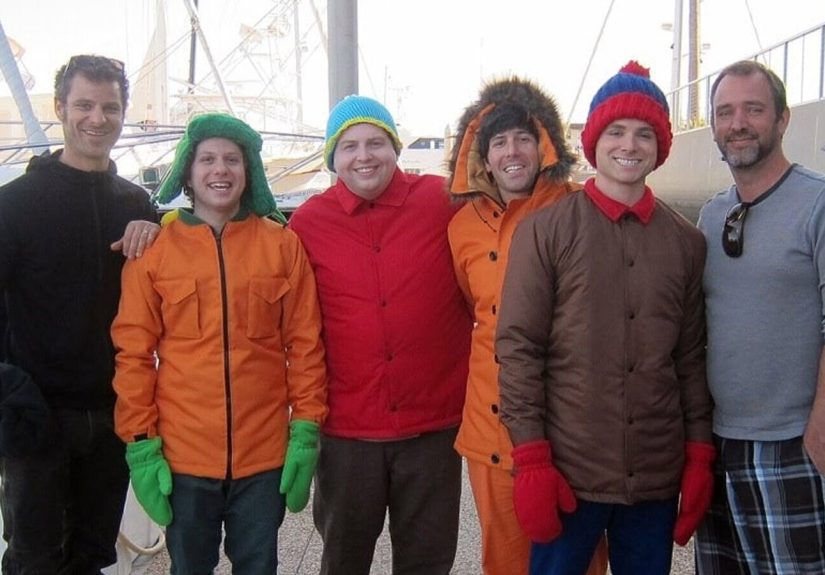
What made the episode stick in many fans’ memories was not just the satire of outdoor adventure tourism. It was the abrupt live-action reenactment sequence. Suddenly, the familiar paper-cutout boys are replaced by adult actors wearing simplified versions of the characters’ looks. Michael Zazarino appears as Stan, Eli Bildner as Kyle, Josh Beren as Kenny, and Brandon Hardesty as Cartman. The result is intentionally wrong in exactly the right way: too real, too awkward, and somehow more ridiculous than animation.
Why Live-Action Cartman Worked So Well
Cartman is not a character designed for realism. He is a round little chaos engine in a red jacket and blue hat, powered by entitlement, snack food, and the kind of confidence usually found in minor dictators and people who leave one-star Yelp reviews from the parking lot. Turning him into a flesh-and-blood person could have been horrifying. Actually, that was the point.
The live-action segment works because it does not try to make Cartman “believable.” Hardesty was not asked to do a perfect voice impression or transform into a child. According to his later recollection, the production stressed that he should not simply imitate the animated character. He was there to play the situation sincerely inside an intentionally stupid reenactment. That choice matters. A full Cartman impression might have felt like a cosplay contest. A grounded performance inside a ridiculous frame made the joke sharper.
The scene parodies survival docudramas such as I Shouldn’t Be Alive, where real-life disasters are often recreated with dramatic narration, reenacted panic, and actors who look close enough to the real people to pass if you squint from another county. South Park takes that format and applies it to the boys’ “ordeal”: a ziplining trip so boring it becomes life-threatening. The fake seriousness is the joke. The live-action actors are not there to make the show cinematic; they are there to make boredom feel like a bear attack.
The Episode Behind the Performance
“I Should Have Never Gone Ziplining” begins with a very recognizable vacation problem: four kids are desperate to do something fun before spring break ends. Ziplining sounds exciting. It promises speed, nature, and maybe a tiny moment where you feel like an eagle with liability insurance. Instead, the boys are trapped in the machinery of organized recreation: introductions, waiting, instructions, forced politeness, and other tourists who say “to make a long story short” right before turning a short story into a hostage situation.
Cartman makes everything worse. Fueled by fast food, Mountain Dew-style energy drinks, and his normal lack of concern for the human beings around him, he becomes a walking digestive incident. Meanwhile, the boys keep trying to escape one boring activity only to land in another. The zipline gives way to horseback riding, which gives way to a slow boat ride, which becomes the setting for the live-action reenactment.
That boat sequence is where the episode fully mutates. The live actors dramatize the boys’ collapse with dead-serious survival-show energy. Kenny is dying, everyone is exhausted, Cartman’s stomach has become a public-health event, and the narration treats mild inconvenience like a wilderness catastrophe. The humor comes from contrast: the stakes are presented as enormous, but the “danger” is mostly boredom, social discomfort, and Cartman being Cartman.
Brandon Hardesty: A Perfectly Weird Choice
Brandon Hardesty was already familiar to many early YouTube viewers before his South Park appearance. He became known for comedy videos, scene reenactments, impressions, and the kind of expressive performance style that made early internet comedy feel handmade and fearless. That background made him a surprisingly fitting match for South Park, a show that has always valued speed, absurdity, and the willingness to look completely foolish if the joke requires it.
Hardesty’s Cartman is not polished in a Hollywood reboot way. He is intentionally clunky, sweaty, and strange. That is the charm. Seeing an adult actor play Cartman reminds viewers that the animated character’s behavior would be unbearable in real life. The cartoon version can be hilarious because he is visually tiny and fake. The live-action version makes the same selfishness feel uncomfortably physical. It is still funny, but the laugh has teeth.
Hardesty later described a loose, playful atmosphere on the shoot, with a small crew, a boat, and Matt Stone and Trey Parker reportedly enjoying the absurdity of the whole setup. That matters because the live-action scene feels less like a corporate stunt and more like a group of comedy people daring each other not to laugh. The roughness is part of the texture. If it had looked too expensive, it would have been less funny.
What the Live-Action Scene Says About South Park
South Park has lasted because it is willing to break its own format. The show is famous for crude animation, fast production, topical satire, and the creative partnership of Trey Parker and Matt Stone. But every so often, it jumps outside the expected visual language: anime sequences, fake commercials, musical numbers, documentary parodies, video game aesthetics, and, in this case, live-action reenactment.
The live-action Cartman segment is funny because it understands something essential about adaptation. Not every cartoon should be translated into realism. In fact, sometimes realism exposes how absurd the cartoon already is. A live-action South Park movie played straight would probably collapse under the weight of its own cursed energy. But a short live-action burst inside an animated episode can work beautifully because it announces, “Yes, this is wrong. Please enjoy how wrong it is.”
Critics were divided on the episode when it aired. Some felt the joke about boredom became too repetitive. Others praised the live-action section as the moment when the episode found a fresh gear. That split reaction makes sense. “I Should Have Never Gone Ziplining” is intentionally one-note, and one-note comedy is risky. When it hits, it feels precise. When it drags, it becomes the very thing it is mocking. The episode almost dares viewers to ask, “Am I laughing at boredom, or am I just bored?” That is either brilliant or annoying, depending on how much patience you have and how recently you have been trapped in a tour group.
The Genius of Making Boredom Dangerous
The most clever idea in the episode is that boredom can feel catastrophic when you cannot escape it. Everyone has experienced a harmless activity that somehow becomes spiritually violent: a slow meeting, a bad group tour, a family outing with too many safety instructions, a boat ride moving at the speed of regret. South Park exaggerates that feeling until it becomes a survival crisis.
That is why the parody of I Shouldn’t Be Alive works. Survival shows rely on narration, reenactments, ominous music, and phrases that make every decision sound like life or death. South Park borrows those tools and applies them to minor misery. Cartman’s digestive disaster becomes a deadly environmental threat. Kenny’s boredom becomes fatal. The slow boat becomes a prison. The other tourists become psychological predators armed with small talk.
In this context, live-action Cartman is not a random gimmick. He is the punchline to the episode’s format. Survival reenactments often ask viewers to accept actors as stand-ins for real people in terrible danger. South Park asks viewers to accept adult men as stand-ins for cartoon fourth graders in a fake crisis caused by outdoor recreation. It is a parody layered on top of a parody, like a comedy lasagna with extra shame.
Why Fans Still Remember Live-Action Cartman
For longtime fans, the live-action sequence remains memorable because it is brief, bizarre, and impossible to confuse with anything else. Many South Park episodes are remembered for a quote or a target of satire. This one is remembered for an image: real people on a boat, dressed just enough like Stan, Kyle, Kenny, and Cartman to be recognizable, but not enough to be comfortable.
Hardesty’s performance stands out because Cartman is the most physically comic role in the reenactment. The character’s selfishness, panic, and bodily chaos all become visual gags. His famous animated shape is gone, yet the essence remains: Cartman is still loud, self-protective, rude, and convinced that his suffering matters more than everyone else’s. That is the real trick. A costume can suggest Cartman, but attitude sells him.
The scene also arrived at a moment when internet culture and television comedy were increasingly overlapping. Hardesty’s YouTube background made his casting feel like a small bridge between early online performance and mainstream cable comedy. South Park, itself born from viral short-film energy before “viral” became a marketing department’s favorite word, has always understood that rough, fast, strange comedy can sometimes beat polished perfection.
Lessons from Playing a Human Cartman
The first lesson is that comedy does not always need to look good. Sometimes it needs to look slightly cursed. Live-action Cartman is funny because he should not exist, and yet there he is, on a boat, making everyone’s day worse.
The second lesson is that parody works best when it respects the thing it mocks. “I Should Have Never Gone Ziplining” understands survival docudramas well enough to copy their rhythm: grave narration, reenacted dread, escalating stakes, and interviews that make ordinary decisions seem monumental. The episode is not merely saying, “Survival shows are silly.” It is saying, “This format is so dramatic that we can plug in ziplining boredom and it will still sound like a near-death experience.”
The third lesson is that a small performance can leave a long shadow. Hardesty appeared as live-action Cartman in one episode, but the scene remains part of the show’s oddball history. That is the magic of a long-running series. Not every memorable moment needs to be a season finale, celebrity guest spot, or world-shaking controversy. Sometimes it is an actor in a blue hat, committing completely to a joke about a terrible boat ride.
Extra Experience Section: What It Feels Like to Step Inside a Cartoon Joke
Playing a live-action version of Cartman is the kind of acting job that sounds simple until you think about it for more than five seconds. You are not just playing a character. You are playing the audience’s memory of a character. Millions of viewers already know Cartman’s voice, rhythm, silhouette, catchphrases, emotional immaturity, and volcanic relationship with authority. Walk too far toward imitation and you become a party trick. Walk too far away and viewers wonder why a random guy stole Cartman’s hat and wandered onto a boat.
The experience also demands a specific kind of humility. Most actors dream of flattering lighting, dramatic close-ups, and dialogue that suggests inner pain beneath a noble exterior. Live-action Cartman offers a different menu: exaggerated panic, ridiculous wardrobe, bodily-fluid comedy, and the privilege of looking intentionally absurd on one of television’s most recognizable comedy shows. That requires confidence, but not vanity. In fact, vanity would ruin it. The performance only works if the actor accepts that the joke is bigger than he is.
There is also the strange thrill of stepping into South Park history. The show’s production culture has always been famous for moving fast, staying loose, and chasing the joke until airtime practically kicks the door in. For a guest performer, that energy can feel freeing. Instead of months of over-rehearsal and careful smoothing, the live-action shoot carried the feeling of comedy being made by instinct. The rough edges were not mistakes to hide. They were part of the flavor.
Imagine standing there in partial Cartman costume, surrounded by other adult actors dressed as cartoon children, while the creators of the series laugh because the image is exactly as stupid as they hoped. That is a rare kind of creative environment. Everyone knows the premise is ridiculous. Nobody is pretending otherwise. The job is not to make it dignified. The job is to make it land.
That may be the deeper reason fans still enjoy the scene. It has the energy of people making each other laugh first and trusting the audience to catch up. The live-action Cartman sequence does not feel focus-grouped. It feels discovered. It feels like someone in the room said, “What if we suddenly made the boys real people?” and instead of filing the idea under “terrible,” everyone correctly filed it under “terrible, therefore excellent.”
For performers, that is a useful reminder: memorable comedy often lives in commitment. Hardesty did not need to become the definitive human Cartman for all time. He needed to serve one very specific joke in one very specific episode. He needed to be recognizable, ridiculous, and sincere enough that the fake survival drama could keep a straight face while the audience lost theirs.
In the end, playing live-action Cartman was not about translating animation into realism. It was about proving how funny the gap between animation and realism can be. Cartman belongs in construction-paper chaos, but letting him briefly escape into the real world made viewers appreciate both versions: the impossible cartoon monster and the brave human being willing to wear the hat.
Conclusion
“I Played the Live-Action Cartman on South Park” is more than a quirky behind-the-scenes headline. It is a window into how South Park turns simple ideas into strange television artifacts. A boring ziplining trip becomes a survival epic. A cartoon child becomes an adult actor on a boat. A parody of adventure tourism becomes a reminder that comedy can come from discomfort, repetition, and the bold decision to make something look deliberately wrong.
Brandon Hardesty’s live-action Cartman remains memorable because it captures the spirit of South Park: reckless, fast, rude, inventive, and oddly precise beneath the nonsense. The scene is not glamorous. It is not polished. It is not trying to launch a live-action franchise, thank goodness. It is a perfectly strange joke delivered with full commitment. And sometimes, in comedy, that is better than perfect. It is kewl. Seriously, you guys.