Table of Contents >> Show >> Hide
- Who Is Emily Bond?
- Why Bristol Matters to the Emily Bond Story
- The Signature Emily Bond Look
- Fabrics and Linens: What Makes Them So Appealing?
- How to Use Emily Bond Fabrics at Home
- Design Ideas by Room
- How to Care for Fabrics and Linens
- Why Emily Bond Still Feels Fresh
- Buying and Styling Tips
- Experience Notes: Living With Fabrics & Linens Inspired by Emily Bond
- Conclusion
Note: This article is written for web publication and synthesizes real information about Emily Bond, her Bristol roots, British countryside-inspired textile style, and practical guidance for decorating with fabrics and linens.
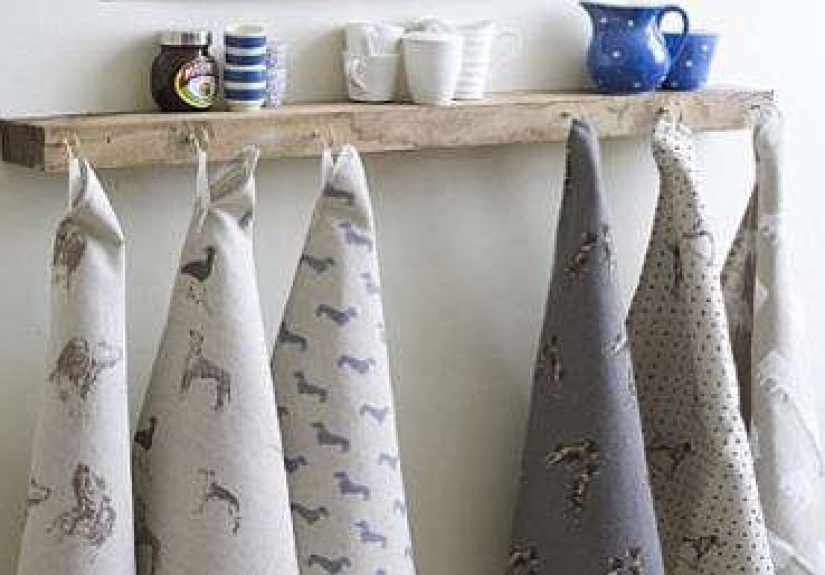
Some fabrics politely sit in the background. Emily Bond fabrics do not. They stroll into a room wearing wellies, followed by a dachshund, a dairy cow, and possibly a horse that looks suspiciously more organized than the rest of us. That is the charm of Emily Bond in Bristol: a textile world where British countryside motifs meet modern interiors without becoming fussy, overly precious, or trapped in a dusty manor-house fantasy.
Emily Bond is a British textile designer whose work is known for warm, character-filled prints inspired by country life, animals, farmhouse memories, and hand-drawn pattern traditions. After studying at Bristol University and spending time in London as a designer, she returned to Bristol in 2007 to build her own brand. What began as a small, personal design venture has grown into a recognizable name in fabrics, cushions, curtains, blinds, towels, and home accessories.
The appeal is easy to understand. Her fabrics feel familiar but not boring, whimsical but not childish, traditional but not stuck in a museum where touching the cushions gets you a stern look. They are designed for homes that want personality, texture, and warmthespecially rooms where linen, cotton, woven stripes, and countryside prints can make everyday living feel a little more considered.
Who Is Emily Bond?
Emily Bond is best known as a designer of British country-inspired fabrics and homeware. Her creative background includes studying at Bristol University, working in London, and eventually returning to Bristol to create a brand rooted in her own visual language. That language is instantly recognizable: animals, rural scenes, relaxed stripes, earthy palettes, and prints that feel hand-touched rather than machine-cold.
Her designs often draw from childhood memories of growing up in a farmhouse, family dogs, countryside views, and travel influences. The result is a style that feels personal rather than manufactured. In a world where many interiors are beige enough to require a search party, Emily Bond’s textiles bring in story, humor, and movement.
Why Bristol Matters to the Emily Bond Story
Bristol has long had a reputation for creativity, independent businesses, and a slightly rebellious artistic spirit. It is a fitting place for a designer who combines traditional motifs with a modern sense of pattern and scale. Emily Bond’s return to Bristol in 2007 marked the beginning of her own brand, and that connection still adds depth to the story behind the fabrics.
The phrase “Emily Bond in Bristol” matters because it places the brand in a creative city rather than an anonymous design office. Bristol gives the work a grounded, independent energy. It also helps explain why the textiles feel approachable. These are not fabrics that demand a drawing room and a butler named Nigel. They work in family kitchens, cottage bedrooms, city apartments, children’s rooms, boot rooms, and cozy reading corners where tea is a lifestyle, not a beverage.
The Signature Emily Bond Look
Emily Bond fabrics are often described as traditional and modern at the same time. That balance is the secret sauce. Country motifs can easily go too quaint, while modern prints can sometimes feel too sharp or impersonal. Bond’s work lands in the comfortable middle: charming, graphic, friendly, and surprisingly versatile.
Animal Motifs With Personality
Dogs, horses, cows, and other countryside animals are central to the Emily Bond aesthetic. These motifs are not random decorations; they act like characters in the room. A dachshund cushion can soften a formal chair. A cow print can make a kitchen bench feel playful. A horse pattern can add heritage style without making the space look like a riding club brochure.
Warm, Earthy Colors
The brand often uses warm, natural colors that fit beautifully into country-inspired interiors. Think soft neutrals, muted blues, gentle greens, warm browns, and earthy tones that pair easily with timber, stone, painted furniture, rattan, and vintage pieces. These palettes make the prints easier to live with because they add interest without shouting over every lamp, rug, and houseplant in the room.
Block-Print Influence
Emily Bond’s work is also associated with block-print-inspired design techniques. This gives many patterns a crafted, imperfectly perfect feeling. The eye reads them as more human than digital, which is why they work so well with natural materials like linen, cotton, wool, wood, and aged metal.
Fabrics and Linens: What Makes Them So Appealing?
Fabrics and linens are not just decorative extras. They change how a room feels, sounds, and functions. A bare room with hard floors and blank windows can feel like an echo chamber with furniture. Add curtains, cushions, table linens, and upholstery, and suddenly the space relaxes its shoulders.
Linen, in particular, has a long history in interiors because it is strong, breathable, and beautifully textured. It wrinkles, yes, but that is part of the charm. Linen wrinkles the way a good linen shirt wrinkles: confidently, as though it has more important things to do than chase perfection. Cotton, cotton-linen blends, and linen-look fabrics are also popular choices for home textiles because they balance softness, durability, and easy styling.
Emily Bond’s designs sit naturally in this world. Her prints work especially well on cushions, curtains, blinds, occasional upholstery, and small decorative pieces. They bring pattern into a room without requiring a full design overhaul. One cushion can shift the mood. A pair of curtains can frame the whole space. A Roman blind can turn a plain window into a focal point.
How to Use Emily Bond Fabrics at Home
The best way to decorate with characterful fabric is to let it lead without letting it take over the entire house like a very determined guest. Emily Bond prints have enough personality to become focal points, but they also mix well with solids, stripes, and natural textures.
Start With Cushions
Cushions are the easiest entry point. They are low commitment, highly visible, and excellent for people who want design impact without measuring curtain drops while standing on a chair and questioning every life decision. A dachshund or countryside print cushion can instantly warm up a sofa, reading chair, bench, or bed.
For a balanced look, pair one Emily Bond print with two quieter fabrics. A stripe, plain linen, or small-scale texture will keep the arrangement from feeling too busy. If the print includes blue, green, or brown, repeat that color elsewhere in the room through a throw, lampshade, rug, or artwork.
Use Curtains for Soft Drama
Curtains in a country-inspired print can make a room feel finished. They soften light, add privacy, and bring visual height. Emily Bond-style fabrics are especially effective in bedrooms, dining rooms, snug living rooms, and cottage kitchens.
For modern spaces, choose a simpler room palette and let the curtains add charm. For traditional homes, layer them with wood furniture, ceramic lamps, vintage artwork, and natural rugs. Lined curtains are often a smart choice because they improve the drape, help protect the fabric from sun exposure, and create a more polished finish.
Try Roman Blinds in Smaller Rooms
Roman blinds are ideal when you want pattern but not full-length fabric. They are especially useful in kitchens, bathrooms, breakfast nooks, and home offices. A printed Roman blind can create a tailored look while leaving window sills and floor space clear.
This approach works well with animal prints and botanical-inspired patterns because the fabric becomes a framed panel. It is like hanging art, except the art also blocks awkward views of the neighbor’s recycling bins. Practicality, meet charm.
Mix Prints With Stripes
One of the easiest ways to make Emily Bond fabrics feel designer-level is to pair playful prints with stripes. Stripes act as visual glue. They are structured enough to calm busy patterns but still interesting enough to avoid looking flat.
For example, use a countryside animal print on cushions and a coordinating stripe on a bench seat. Or choose a striped curtain with a printed cushion on a nearby chair. The room will feel layered, intentional, and relaxed rather than overly matched.
Design Ideas by Room
Living Room
In a living room, Emily Bond fabrics can add warmth to neutral sofas, armchairs, and window treatments. A linen or cotton-blend cushion featuring a dog, horse, or cow motif can make a formal sofa feel more welcoming. For a larger statement, choose curtains or blinds in a print and repeat the background color in smaller accessories.
Kitchen and Breakfast Nook
Country-inspired textiles are especially effective in kitchens because they feel relaxed and useful. A Roman blind, bench cushion, or set of chair pads can introduce pattern without overwhelming the hardworking nature of the room. Farm animal motifs are a natural fit here, and yes, a cow print in a kitchen is allowed to be charming rather than cheesy.
Bedroom
Bedrooms benefit from soft pattern and tactile fabrics. Use Emily Bond prints on cushions, a small upholstered stool, or curtains. Pair them with plain linen bedding, a quilted throw, or a simple stripe. The goal is comfort with character, not a room so coordinated it looks afraid of real life.
Children’s Rooms
Animal prints can work beautifully in children’s rooms because they are playful without being overly cartoonish. A dachshund cushion, horse blind, or countryside fabric lampshade can grow with the room better than many theme-heavy designs. Add painted furniture, baskets, and washable rugs for a practical finish.
Entryways and Boot Rooms
If any room deserves a dog motif, it is the boot room. Emily Bond-style fabrics are well suited to cushions on benches, storage baskets, and relaxed window coverings. Add hooks, woven baskets, and a durable mat, and the space becomes both useful and welcoming.
How to Care for Fabrics and Linens
Good fabric deserves good care. Always check the manufacturer’s care label first, especially for curtains, upholstery, and lined products. Natural fibers and linen-look fabrics can behave differently depending on weave, finish, dye, backing, and whether the item is removable or structured.
For washable linen and cotton items, cool or lukewarm water and mild detergent are usually safer than hot water and harsh products. Avoid bleach unless the care label specifically allows it. Linen often softens with washing, which is one of its best qualities. It does not need to be bullied into softness with heavy fabric softener.
Air drying is often preferable for removable cushion covers and delicate fabric items because high heat can cause shrinkage or distort shape. For curtains and blinds, regular vacuuming with a soft brush attachment helps remove dust before it settles deeply into fibers. If curtains are lined, heavily structured, or made with specialty fabric, professional cleaning may be the smarter route.
Why Emily Bond Still Feels Fresh
Design trends come and go. One year everyone wants gray walls; the next year everyone wants warm neutrals and pretends the gray era was a brief weather event. Emily Bond’s appeal lasts because it is not built on trendiness alone. It is built on story, pattern, natural inspiration, and the emotional pull of home.
Her fabrics fit into several current interior directions: cottage style, modern country, natural textures, layered rooms, nostalgic decorating, and pet-friendly personality. But they are not dependent on any single trend. A well-chosen animal print or stripe can still look good years from now because it carries character rather than novelty.
Buying and Styling Tips
Before buying fabric by the meter, order samples when possible. Pattern scale can look very different online than it does in your own room. A small dog print may feel subtle on a cushion but busy across full curtains. A stripe may look quiet in a swatch but become a strong architectural feature on a large window.
Look at the fabric in morning light, afternoon light, and artificial evening light. Colors shift more than people expect. A warm neutral can turn yellow under some bulbs. A blue can look crisp in daylight and moodier at night. Fabric is sneaky that way.
Also consider how the room is used. For decorative cushions, you can choose more delicate or special fabrics. For high-use seating, ask whether the fabric is suitable for upholstery and whether it has the durability needed for daily wear. For sunny rooms, lining and careful placement matter because strong sunlight can fade natural fibers over time.
Experience Notes: Living With Fabrics & Linens Inspired by Emily Bond
Decorating with fabrics like Emily Bond’s is a reminder that rooms do not need to be perfect to be beautiful. In fact, the best rooms usually have a little mischief in them. A dog cushion on a serious armchair. A stripe beside a floral. A cow print in a breakfast nook. These are the details that make a home feel lived in rather than staged for a magazine shoot where nobody is allowed to sit down.
One of the most useful experiences when working with printed fabrics is learning the value of restraint. It is tempting to fall in love with a print and put it everywhere: curtains, cushions, lampshades, napkins, maybe a matching outfit for the dog if the dog is patient. But pattern works best when it has breathing room. A single Emily Bond-style print can shine more when surrounded by plain linen, painted wood, woven baskets, and simple ceramics.
In practical terms, cushions are the easiest way to experiment. Place one printed cushion on a neutral sofa and the whole room changes. Add a second cushion in a coordinating stripe and suddenly the sofa looks designed, not abandoned. This small-scale approach is especially helpful for renters or homeowners who are not ready to commit to custom curtains or upholstery.
Curtains offer a bigger transformation. A room with plain walls and simple furniture can become warm and complete once patterned curtains are installed. The fabric softens the architecture and creates a sense of enclosure. This is especially noticeable in older homes with uneven walls, deep window reveals, or quirky proportions. Pattern distracts the eye from imperfections, which is wonderful news for anyone whose house has “character,” also known as walls that have made independent decisions.
Linen and linen-look textiles also teach patience. They are not always crisp, slick, or perfectly smooth. They have slubs, texture, and movement. They crease. They relax. They become softer with use. That natural behavior is part of their beauty. Instead of fighting every wrinkle, it is better to embrace the casual elegance. A slightly rumpled linen cushion looks inviting. A softly draped curtain feels relaxed. A textured blind adds depth even when the color is quiet.
Another useful lesson is that animal prints do not have to feel childish. Emily Bond’s countryside motifs work because they are graphic, balanced, and rooted in a mature color palette. A dachshund print can be witty in a grown-up living room. A horse motif can feel heritage-inspired rather than themed. A cow pattern can bring charm to a kitchen without turning the room into a novelty café.
For best results, repeat colors rather than patterns. If a fabric includes indigo, echo indigo in a vase, book spine, throw, or picture frame. If it includes warm brown, repeat that tone through wood, leather, or a woven basket. This creates harmony without making the room look like it came from a single catalog page.
The final experience-based takeaway is simple: textiles are the fastest way to give a room a point of view. Paint matters. Furniture matters. Lighting definitely matters. But fabric adds the personality. In the case of Emily Bond in Bristol, that personality is warm, rural, witty, and deeply livable. It is design with muddy boots at the door and good manners at the table.
Conclusion
Fabrics and linens by Emily Bond show how traditional inspiration can feel fresh when handled with personality, craft, and restraint. From Bristol beginnings to countryside motifs and modern home applications, the brand has built a distinctive place in the world of British textiles. Whether used as cushions, curtains, blinds, or small decorative accents, Emily Bond fabrics bring warmth, humor, and natural charm into everyday interiors.
The smartest way to use these textiles is to let them tell a story without forcing the whole room to speak in the same accent. Mix prints with stripes, balance pattern with plain linen, care for natural fabrics properly, and choose pieces that make your home feel more like you. After all, a room without texture is just a waiting room with better lighting.