Table of Contents >> Show >> Hide
- Why Ukraine Still Needs Help (Yes, Still)
- What “Adoptable Animals” Actually Means (No, I Didn’t Start a Zoo)
- Meet the Six: The Fundraiser Lineup
- How I Ran the Fundraiser (The Unsexy Steps That Make It Work)
- Step 1: I Chose Where the Money Would GoBefore I Sold Anything
- Step 2: I Built Trust With Receipts and Updates
- Step 3: I Picked a Simple Sales Format
- Step 4: I Made Payment Safety Non-Negotiable
- Step 5: I Added a Practical Tax Note (Because Reality Exists)
- Step 6: I Wrote Clear Usage Terms for the Adoptables
- What Worked: 7 Lessons I’d Absolutely Steal From Myself
- How You Can Copy This Idea (Without Copying My Art)
- FAQ
- Conclusion
- My Personal Experience Running This Fundraiser (Extra Notes From the Emotional Trenches)
I didn’t wake up one morning and think, “Today feels like a great day to learn the difference between ‘heartwarming’ and ‘chaotically stressful.’” And yetthere I was, staring at a blank canvas, trying to figure out how six tiny illustrated animals could do something meaningful for people living through a very un-tiny war.
The idea was simple: I’d create six “adoptable” animal characters (digital designs that supporters can purchase and “adopt” as their own), sell them in a mini event, and send the proceeds to vetted Ukraine relief organizations. The execution, however, involved spreadsheets, proof-of-donation screenshots, and the kind of emotional whiplash you get when your cute otter character is raising money for generators.
Why Ukraine Still Needs Help (Yes, Still)
If you’ve ever felt “Ukraine fatigue,” you’re not aloneand you’re also exactly who relief groups worry about losing. Needs don’t pause just because the news cycle does. Families are still dealing with displacement, damaged homes, interrupted medical care, and winter conditions made worse by attacks on energy infrastructure. Humanitarian organizations repeatedly warn about funding gaps while needs remain high.
That’s where small, repeatable fundraisers can matter. Not because a single art drop “solves” anything, but because it turns attention into actionand action into resources that keep services running: medical supplies, cash assistance, water systems, mental health support, and protection for children and vulnerable families.
What “Adoptable Animals” Actually Means (No, I Didn’t Start a Zoo)
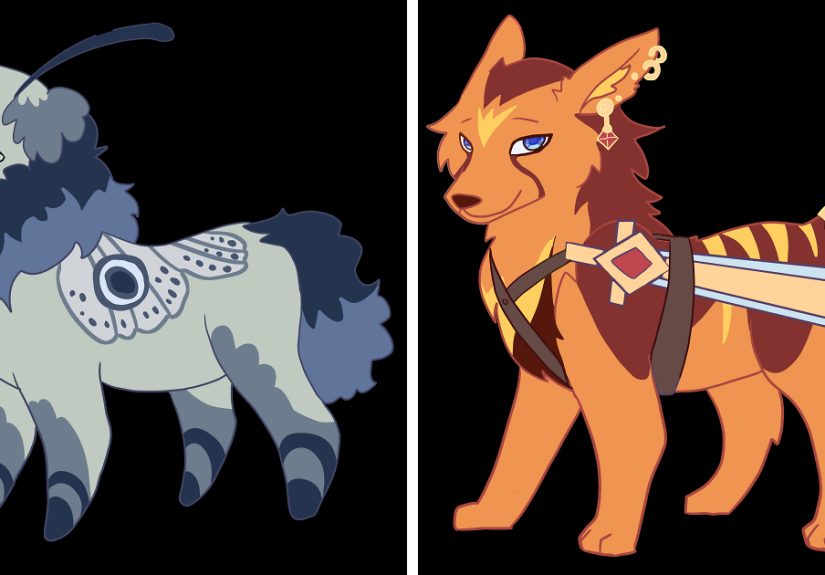
In art communities, an “adoptable” is a character design offered for saleoften a one-of-one design, sometimes with extra perks like a reference sheet, alternate outfits, or a little “bio.” Buyers get the rights to use the character as their persona, in their stories, or for commissions (depending on the terms you set). Think of it like adopting a mascot with paperwork, but without the fur on your couch.
For fundraising, adoptables are powerful because they’re:
- Finite and exciting (scarcity makes people show up on time)
- Easy to price transparently (buyers know exactly what they’re paying for)
- Community-friendly (people love supporting creators in a clear, tangible way)
Meet the Six: The Fundraiser Lineup
I designed the set around a theme: resilient, cozy creaturesbecause if you’re raising money in winter, your brain starts turning everything into scarves and hot tea. Each adoptable came with a short character description and a promise: every dollar raised (minus unavoidable platform fees) would go to Ukraine relief.
1) Nika the Night-Shift Fox
Nika is a fox with a reflective vest and a tiny lantern. She’s the kind of character who would make soup for the whole neighborhood and still be on time for a 6 a.m. volunteer shift. I linked her “theme” to funding that supports emergency and medical logisticsbecause “night shift” energy feels like the people keeping services running when everything is hard.
2) Bohdan the Blanket Bear
A bear wrapped in a patchwork quilt, stitched with little symbols of hope (and yes, I hid a tiny sunflower because I’m not made of stone). This one was tied to winterization needs: warmth, shelter support, and emergency supplies. It’s almost comical how quickly “cute bear” becomes “please let this help someone stay warm tonight.”
3) Larysa the Library Lynx
A lynx with round glasses and a messenger bag full of books. I wanted one character that quietly screamed “education matters,” because it doesespecially when schooling is disrupted and families are displaced. People loved her, which restored a small portion of my faith in humanity and librarians.
4) Odesa the Optimist Otter
An otter with a life vest and a little thermos of tea. Odesa was designed to feel buoyantlight, but not dismissive. She became the “community care” symbol: basic needs, support services, and practical aid that helps families get through the day-to-day.
5) Kharkiv the Hedgehog of Holding It Together
A hedgehog with a tool beltbandages, tape, and a tiny wrench. If you’ve ever “held it together” with duct tape, you will feel spiritually seen. This adoptable represented medical support and the reality that healthcare systems under pressure still need supplies, repairs, and capacity.
6) Svitlana the Sunrise Crane
A crane with soft gradient wings, meant to feel like morning after a long night. Her theme was mental health and psychosocial supportbecause resilience isn’t just “toughing it out.” People need real support for stress, trauma, and the emotional weight of prolonged conflict.
How I Ran the Fundraiser (The Unsexy Steps That Make It Work)
Step 1: I Chose Where the Money Would GoBefore I Sold Anything
This is the part where good intentions meet reality: you need a clear, credible destination for donations. I chose established organizations with public reporting and strong reputations, then wrote the plan in plain English: “Proceeds go to Ukraine humanitarian relief via vetted nonprofits.” I also made it clear whether I was donating to a U.S.-registered charity (often easier for U.S. donors) or an international partner.
If you’re doing something similar, use independent evaluators and official pages to verify legitimacy. Charity evaluators can help you find highly rated 501(c)(3) organizations supporting Ukraine relief and recovery, and consumer protection agencies publish guidance on donating safely.
Step 2: I Built Trust With Receipts and Updates
My “content plan” was basically:
- Before: Post the rules, the timeline, and where funds go.
- During: Share progress updates (“Fox is adopted!” is weirdly motivating).
- After: Show donation confirmations and totals, and thank supporters publicly (with permission).
Transparency turns a fundraiser from “trust me” into “here’s the proof.” It also helps supporters feel safebecause sadly, scams follow every major crisis like a mosquito that learned to use social media.
Step 3: I Picked a Simple Sales Format
You have three common options:
- Fixed price: First-come, first-served. Easy and clean.
- Auction: Higher potential revenue, but can feel intense.
- Raffle: Accessible, but check your local rulesraffles can trigger legal requirements.
I used a hybrid: two fixed-price adoptables (so people with smaller budgets could still participate) and four auction-style (for supporters who wanted to go bigger). I set minimum increments to avoid the “$1 bidding war” situation, which is adorable in theory and exhausting in practice.
If you’re nervous about pricing, remember that the internet has proven people will show up for well-organized bundles and charity sales when the value and mission are clear. Your mini-event doesn’t have to be massive to be effectiveit just has to be honest and easy to join.
Step 4: I Made Payment Safety Non-Negotiable
This is where I put on my “responsible adult” hat (it’s ugly, but it gets the job done). I only accepted payments through reputable platforms with buyer protections and clear transaction records. I did not accept gift cards, wire transfers, or “my cousin’s crypto wallet,” because consumer protection guidance is very clear: scammers love untraceable payments.
I also posted a checklist supporters could use to protect themselves:
- Donate/pay through known platforms (credit card or secure checkout is safer).
- Watch for fake accounts impersonating creators.
- Confirm the fundraiser details on the creator’s main profile.
- Keep receipts and verify totals.
Step 5: I Added a Practical Tax Note (Because Reality Exists)
If your fundraiser involves donations, be careful how you describe deductibility. In the U.S., donations to foreign organizations are generally not tax-deductible unless the recipient qualifies under specific rules. And even for deductible donations, people typically need proper records anddepending on their situationmay need to itemize. I’m not a tax professional, so I kept it simple: “Check the organization’s status and consult a tax pro if needed.”
Step 6: I Wrote Clear Usage Terms for the Adoptables
Nothing kills fundraiser joy faster than a rights dispute in the comments. I included a short “terms of adoption” section:
- You can: use the character as an avatar/OC, commission art, post stories, and credit the design.
- You can’t: mint as an NFT (unless explicitly allowed), resell without transfer rules, or claim you designed it.
- Commercial use: allowed up to a cap (or require an add-on feeyour call).
Clear terms reduce confusion and help buyers feel confidentbecause nobody wants to adopt a hedgehog and accidentally adopt a legal headache.
What Worked: 7 Lessons I’d Absolutely Steal From Myself
- Lead with clarity. People donate faster when the plan is obvious.
- Make participation easy. Simple rules beat complicated “engagement mechanics.”
- Price for dignity, not guilt. Let people choose what they can do.
- Show the math. Totals, fees, donation receiptsboring wins trust.
- Give people a story. Characters help supporters feel part of something hopeful.
- Use a tight timeline. Short events create momentum and reduce burnout.
- Protect supporters. Payment safety and scam warnings are part of being ethical.
How You Can Copy This Idea (Without Copying My Art)
If you want to run your own “adoptable animals for Ukraine” fundraiser, here’s a plug-and-play outline:
- Pick 4–10 designs with a shared theme (seasonal, mythic, cozy, whatever fits your style).
- Choose vetted beneficiaries and write one paragraph explaining the donation plan.
- Set one date for drop + one date for donation + one date for posting receipts.
- Offer multiple price points so more people can participate.
- Post terms of use (short, readable, not legalese soup).
- Keep records (transactions, fees, totals, donation confirmations).
FAQ
Should I donate to a person’s crowdfunding page?
Sometimes crowdfunding helps real people fast. But it’s also easier to impersonate individuals than established organizations. If you donate through a platform, verify the organizer, look for transparency, and avoid high-pressure tactics. When in doubt, donate directly to well-known, evaluated nonprofits.
Can I focus my fundraiser on animals affected by the war?
Yesmany organizations support animal welfare, veterinary care, shelter supplies, and pet evacuation. Just be clear whether your donations are for human relief, animal relief, or a mix, and choose reputable partners.
How much can a small creator realistically raise?
“Enough to matter” is the honest answer. A few hundred dollars can fund real supplies. A few thousand can support services at scale. And even when totals feel small, repeatability and community habits add upespecially when multiple creators run parallel fundraisers.
Conclusion
I didn’t create six adoptable animals because I thought cute characters could magically fix a war. I created them because people still need help, and I had a skillart, storytelling, community-buildingthat could be converted into practical support. When you pair creativity with transparency and safe giving practices, a fundraiser can be both joyful and useful, which is a rare and precious combination.
If you’re a creator, consider this your permission slip: you can make something charming without being shallow, and you can raise money without pretending you’re a giant organization. Start small. Be clear. Protect your supporters. And let the little fox with the lantern do what art does best: bring people together for something that matters.
My Personal Experience Running This Fundraiser (Extra Notes From the Emotional Trenches)
I expected the hard part to be the art. I was wrong. The hard part was the responsibilitythe moment you say “this supports Ukraine,” your work stops being just a creative project and starts being a promise. And promises require structure.
The first surprise was how quickly people asked the right questions: “Where does the money go?” “When will you donate?” “Can you show receipts?” At first, my ego wanted to respond with, “Of coursedo you think I’m a cartoon villain?” But then I remembered: scams exist, people are right to be cautious, and the best way to honor donors is to make transparency normal. So I posted a simple tracker: total received, estimated platform fees, and the exact date I would send the donation. Suddenly, the comments felt less like interrogation and more like teamwork.
The second surprise was the emotional contrast. One minute I’m drawing a hedgehog with a tool belt (joy!). The next minute I’m reading about winter needs and the strain on essential services (not joy!). It created a strange cognitive dissonance: I wanted the fundraiser to feel hopeful, but I didn’t want to be flippant. The solution was tone discipline. I let the adoptables be warm and uplifting, while the fundraiser posts stayed respectful and groundedno tragedy-as-marketing, no guilt-baiting, no “share this or you don’t care” nonsense. People responded better to calm clarity than emotional pressure.
Third: the community aspect hit me harder than expected. Supporters weren’t just buying art; they were telling storieswhy they cared, who in their family was affected by displacement, what they hoped would happen next. I kept moderation tight and prioritized kindness, because comment sections can spiral fast. But what I saw most often was generosity: buyers boosting bids for strangers, people sharing the drop with no benefit to themselves, and other creators offering to match donations or contribute extra designs. It reminded me that “online” doesn’t automatically mean “cold.”
The most practical lesson was also the simplest: document everything. I saved invoices, platform statements, screenshots of the donation confirmation, and a final summary image that showed totals in plain numbers. It felt excessiveuntil it didn’t. When someone asked later, “How much did you raise?” I didn’t have to guess or approximate. I could answer confidently, and confidence builds credibility for the next fundraiser.
Finally, I learned to pace myself. The internet rewards urgency, but your brain needs oxygen. I kept the event short, set a donation deadline, and then intentionally closed the loop with a final update. That closure mattered. It turned a chaotic week into a complete story: a beginning (announcement), a middle (adoptions), and an end (proof of donation and gratitude). And once I had that, I didn’t feel drainedI felt ready to do it again, which is the whole point of sustainable giving.