Table of Contents >> Show >> Hide
- Why algae keeps showing up (so you can stop it)
- 10 steps to keep algae out of water fountains
- Pick a smarter spot (or create shade)
- Keep water movingalgae hates a good cardio routine
- Skim debris daily (yes, daily… but it takes 30 seconds)
- Top off with clean water (and don’t let the basin “shrink”)
- Clean the pump and intake monthly (the hidden algae hotel)
- Do partial water changes (little and often beats dramatic and exhausting)
- Scrub the bowl before it turns into a slip-n-slide
- Sanitize occasionally (only when the fountain is empty)
- Use fountain-safe treatments (clarifiers, algaecides, beneficial bacteria)
- Add “upgrades” when algae is persistent (UV clarifier, better filtration, fewer nutrients)
- Troubleshooting: match the fix to the algae type
- FAQ (because algae is annoyingly creative)
- Conclusion: clear water is a routine, not a miracle
- Real-world experiences: what actually works (and what people learn the hard way)
- SEO tags (JSON)
Algae is basically nature’s glitter: it shows up everywhere, sticks to everything, and somehow multiplies when you’re not looking. If your water fountain keeps turning into a green science project, you’re not alonesmall basins + sunshine + “mystery nutrients” (leaves, pollen, dust, fertilizer runoff… you get the idea) are algae’s love language.
The good news: you don’t need to become a part-time marine biologist to keep your fountain water clear. You just need a simple routine that tackles algae’s three favorite things: light, still water, and nutrients. Below are 10 practical stepswritten for real people who own real fountains and would rather be sipping iced coffee than scrubbing slime.
Why algae keeps showing up (so you can stop it)
Algae isn’t “dirty water” so much as “happy water.” When sunlight hits water that contains nutrients (especially nitrogen and phosphorus), algae can bloom quickly. Warm temperatures speed it up, and stagnant water makes it easier for algae to settle and spread.
In fountains, the usual nutrient sources are sneaky: decomposing leaves, grass clippings, pollen, soil, bird droppings, leftover fish food (if you’ve got a pond-style setup), and fertilizer washed in by rain or overspray. Add sun, and boomgreen water and slippery walls.
10 steps to keep algae out of water fountains
-
Pick a smarter spot (or create shade)
If your fountain sits in full sun all day, algae is basically getting VIP bottle service. Move the fountain to a spot with morning sun and afternoon shade if possible. If moving isn’t realistic, create shade with a patio umbrella, pergola slats, a strategically placed shrub, or even a shade sail.
Example: A small patio fountain that gets 6–8 hours of direct summer sun can go from “clear” to “green” in a week. Cut that light in half and your maintenance often drops dramatically.
-
Keep water movingalgae hates a good cardio routine
Algae loves calm, stagnant water. Run your fountain pump consistently to keep circulation strong. If you use a timer, avoid long “off” windows during the hottest, sunniest part of the day.
Quick win: If the flow seems weak, it may not be “algae season”it may be a clogged intake or dirty impeller. (We’ll fix that in Step 5.)
-
Skim debris daily (yes, daily… but it takes 30 seconds)
Leaves, petals, grass clippings, and dead bugs break down into algae fuel. Make it a micro-habit: do a quick skim whenever you’re already outside. Think of it as flossing, but for your fountain.
Tool tip: A small pond net, kitchen mesh strainer (dedicated to fountain duty), or even a gloved hand works.
-
Top off with clean water (and don’t let the basin “shrink”)
Low water makes pumps struggle and reduces circulation. It also concentrates nutrients. Keep the water level where the manufacturer recommends, especially during hot spells when evaporation spikes.
Specific example: If you have a 10-gallon basin and lose 1 gallon to evaporation, that’s a 10% reduction. Nutrients don’t evaporateso their concentration rises.
If your tap water is very hard (lots of minerals), consider occasionally topping off with distilled water to reduce scale buildup (scale creates rough surfaces algae clings to).
-
Clean the pump and intake monthly (the hidden algae hotel)
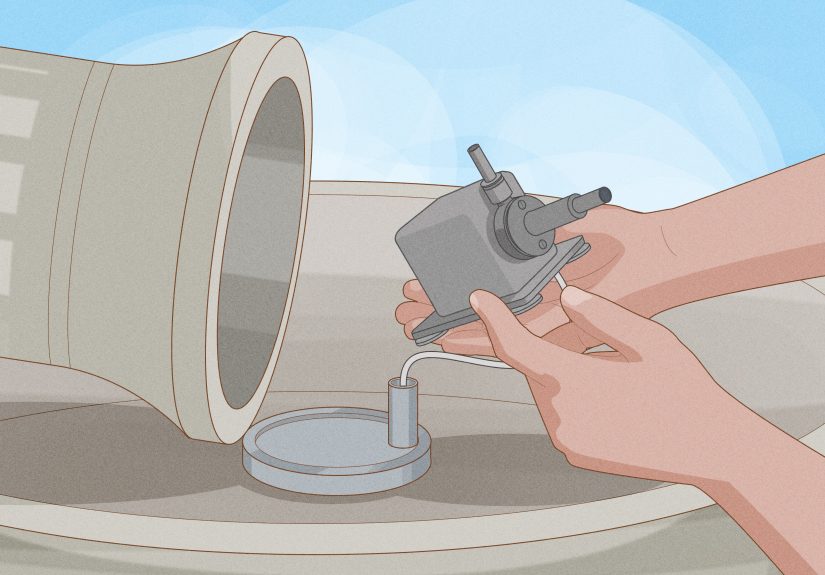
Even if the bowl looks fine, pumps collect biofilm and gunk that feed algae and reduce flow. Once a month (or every 2–3 weeks in peak summer), unplug the pump, remove it, and rinse it thoroughly.
- Remove the intake screen and rinse away debris.
- Open the impeller housing (if accessible) and clean out sludge.
- Use a soft brush or old toothbrushno need to go full power-sander.
Pro clue: If your fountain gets loud, sputters, or “spits,” it often means the pump is partially clogged or running low on water.
-
Do partial water changes (little and often beats dramatic and exhausting)
You don’t always need to dump the entire basin. Partial changes help remove dissolved nutrients before algae uses them. A practical rhythm for most home fountains:
- Weekly in hot months: replace 20–30% of the water.
- Every 2 weeks in mild weather: replace 20–30%.
- After storms or heavy pollen: do an extra partial change.
This is especially helpful if your fountain sits near lawn areas where fertilizer or soil can wash in.
-
Scrub the bowl before it turns into a slip-n-slide
The “first layer” of algae (a thin slime) is easy to remove. The “I forgot for a month” layer is where you start bargaining with the universe. Light scrubbing every 2–4 weeks keeps surfaces unfriendly to algae.
Use a soft brush or non-scratch pad and plain dish soap. Rinse well. Avoid wire brushes that can damage finishes and create grooves algae can grab onto later.
Material note: Natural stone and concrete are porous and hold biofilm more easily than glazed ceramic or smooth resin. If you have a porous fountain, your best friend is consistent light cleaning.
-
Sanitize occasionally (only when the fountain is empty)
For fountains without fish, plants, or wildlife use (like bird baths), an occasional sanitize can reset things after a bad bloom. Always clean first (soap + scrub), then sanitize, then rinse thoroughly.
Important safety rules: Never mix bleach with vinegar, ammonia, or other cleaners. Use regular, unscented household bleach, follow label directions, and keep kids and pets away while cleaning.
One widely cited public-health option for disinfecting hard surfaces is a diluted bleach solution of 5 tablespoons (1/3 cup) bleach per gallon of room-temperature water. After contact time per guidance, rinse thoroughly and let surfaces air dry.
Best practice for fountains: Treat bleach like a “once in a while” tool, not a weekly ritual. If your fountain supports fish, aquatic plants, or you’re intentionally providing drinking water for birds, skip bleach and use wildlife/pond-safe products instead.
-
Use fountain-safe treatments (clarifiers, algaecides, beneficial bacteria)
If you want low-effort prevention, fountain treatments can helpespecially in summer. The trick is choosing the right type and using it correctly:
- Clarifiers help clump fine particles so filtration can remove them (useful for “cloudy” water).
- Algaecides kill algae (helpful during outbreaks, but follow labels carefully).
- Beneficial bacteria products help consume organic waste so algae has less to eat (best as a preventive routine).
Specific example: If your fountain sits under a tree, bacteria-based maintenance can reduce the nutrient surge from pollen and leaf bits but you’ll still need debris skimming and occasional pump cleaning.
If your fountain shares water with a pond that has fish, always choose pond-safe products and dose based on the full water volume.
-
Add “upgrades” when algae is persistent (UV clarifier, better filtration, fewer nutrients)
If algae keeps winning despite your best efforts, it usually means the fountain has a strong combination of sun + nutrients + warm water. At that point, prevention needs reinforcement:
- UV clarifier: UV units expose circulating water to ultraviolet light that damages free-floating algae cellsespecially helpful for “green water.” These are common in pond/fountain systems and can noticeably improve clarity when properly sized.
- Better filtration: A pre-filter sponge on the pump intake or an external filter (for larger setups) helps remove organic debris before it breaks down.
- Nutrient control: Keep fertilizers away, don’t blow grass clippings toward the fountain, and place a small gravel strip or barrier around the base to reduce soil splash-in.
Reality check: If your fountain basin is very small and sits in blazing sun, algae prevention is like dieting next to a donut factory. You can still succeedyou’ll just need either shade, more frequent water changes, or a treatment + UV combo.
Troubleshooting: match the fix to the algae type
Problem: “Green water” (water looks like pea soup)
- Most likely cause: Sun + nutrients + warm water.
- Best moves: Shade (Step 1), partial water changes (Step 6), fountain-safe treatment (Step 9), UV clarifier (Step 10).
Problem: Stringy “hair algae” clinging to walls and rocks
- Most likely cause: Surfaces + nutrients + strong light.
- Best moves: Scrub early (Step 7), debris control (Step 3), pump cleaning (Step 5), reduce nutrients (Step 10).
Problem: Slimy film returns 2 days after cleaning
- Most likely cause: Basin is in full sun and nutrients are constantly entering (tree pollen, lawn runoff, bird activity).
- Best moves: Add shade, increase partial water changes, and consider a preventive treatment routine.
FAQ (because algae is annoyingly creative)
Can I use vinegar to clean algae?
Vinegar can help loosen mineral deposits and mild buildup, and many people use it for routine cleaningespecially on some stone or ceramic fountains. Rinse thoroughly and avoid soaking pump components unless the manufacturer says it’s okay. For heavy outbreaks, physical scrubbing plus a preventive routine (water changes + debris control + treatment) usually works better than vinegar alone.
Is bleach safe for fountain algae?
Bleach can disinfect surfaces only when the fountain is emptied and then thoroughly rinsed. It’s not appropriate for fountains with fish, aquatic plants, or wildlife that drink from it. When in doubt: skip bleach and use fountain/pond-safe products.
How often should I fully drain the fountain?
For most home fountains: a full drain and deep clean every 1–3 months during warm seasons is common, with partial water changes weekly. If your fountain is shaded and debris-free, you may stretch deep cleaning further. If it’s in full sun or under trees, you may need more.
Conclusion: clear water is a routine, not a miracle
Keeping algae out of water fountains isn’t about a single magic productit’s about making your fountain a terrible place for algae to throw a party. Reduce sunlight when you can, keep water moving, remove debris fast, and swap out nutrient-loaded water before it turns into algae fuel. Then add treatments or upgrades (like UV) only if your setup needs extra help.
If you do the “small stuff” consistently, algae stops being a weekly crisis and becomes an occasional chorelike taking out the trash, but wetter.
Real-world experiences: what actually works (and what people learn the hard way)
In real homes, algae prevention usually comes down to whether the fountain fits into someone’s lifestyle. The fountains that stay clear aren’t always the fanciestthey’re the ones that get tiny bits of attention at the right times. One common pattern: people do a big spring clean, admire the sparkle, and then forget the fountain exists until it smells “pondy” in July. By then, the pump is half clogged, the basin walls have a biofilm layer, and the water has become a nutrient smoothie.
What tends to work best is small maintenance on a schedule. Many fountain owners report that once they commit to a weekly 2-minute routine (skim debris + top off water + quick look at the pump flow), algae outbreaks drop sharply. It’s not glamorousbut it beats spending a Saturday afternoon scrubbing like you’re trying to erase evidence.
Another big “aha” moment people share: location is everything. A fountain that looks perfect in the center of a sun-drenched patio can be an algae magnet. Some owners solve the problem by moving the fountain just a few feetunder an overhang, near a taller plant that casts afternoon shade, or beside a fence that blocks the harshest light. Others get the same benefit by adding a simple umbrella. The fountain still looks great, and algae loses its main superpower: nonstop sunshine.
People with fountains near lawns often discover that algae isn’t only a “fountain problem”it’s a yard runoff problem. After fertilizing the lawn, a heavy rain can wash nutrients right into the basin, and algae responds like it just got free delivery. Homeowners who add a small gravel border, redirect sprinklers, or avoid blowing grass clippings toward the fountain often see a noticeable difference. It’s the same fountain, same pump… just fewer algae snacks getting dropped into the water.
There’s also a learning curve with treatments. A lot of people try an algaecide once, see improvement, and then assume the job is doneuntil algae returns, because the nutrient source never changed. The owners who get the best results tend to use treatments as support, not a substitute: they still skim debris, clean the pump, and do partial water changes. In those cases, beneficial bacteria products are often described as “quietly helpful”less sludge, less odor, and fewer surprise bloomsespecially when used early in the season.
Finally, almost everyone eventually learns to respect the pump. When the flow slows, algae can gain a foothold fast. People who set a monthly reminder to clean the intake and impeller (even if everything “looks fine”) avoid the classic spiral: slow flow → more algae → more gunk → even slower flow. Once you break that cycle, fountains become what they were supposed to be in the first place: relaxing background vibes, not a weekly biology quiz.