Table of Contents >> Show >> Hide
- What Is Human Papillomavirus (HPV)?
- What Causes HPV?
- HPV Symptoms: What Does HPV Look or Feel Like?
- Can HPV Cause Cancer?
- How Is HPV Diagnosed?
- HPV Treatment: Can HPV Be Cured?
- HPV Vaccine: Prevention That Actually Works
- HPV and Cervical Cancer Screening Guidelines
- How to Lower Your Risk of HPV
- When Should You See a Doctor?
- Common Myths About HPV
- Living With HPV: What Happens After Diagnosis?
- Experience-Based Perspective: What People Often Learn While Dealing With HPV
- Conclusion
- SEO Tags
Human papillomavirus (HPV) is one of those health topics that sounds scarier than it usually isbut ignoring it is not a great life strategy either. HPV is extremely common, often invisible, and in most cases, the immune system clears it without drama. No flashing lights, no soundtrack, no villain cape. However, certain types of HPV can cause genital warts, abnormal cervical cell changes, and several cancers if the infection persists for years.
The good news? HPV is not a mystery box. We know how it spreads, how it is detected, what symptoms to watch for, and how vaccination and routine screening can dramatically lower the risks. This guide explains HPV treatment, symptoms, causes, prevention, testing, and real-life experiences in plain American Englishbecause medical information should not feel like it was written by a robot wearing a lab coat two sizes too small.
What Is Human Papillomavirus (HPV)?
HPV is a group of more than 200 related viruses. Some types affect the skin and cause common warts on the hands or feet. Other types are spread through intimate skin-to-skin contact and can infect the genital area, anus, mouth, or throat.
Sexually transmitted HPV is usually divided into two major categories: low-risk HPV and high-risk HPV. Low-risk HPV types can cause genital warts, which may be uncomfortable or embarrassing but are not cancer. High-risk HPV types can cause cell changes that may eventually lead to cancer if they do not clear and are not monitored or treated.
It is important to understand one thing early: having HPV does not mean someone is careless, unhealthy, or unfaithful. HPV can remain silent for years, and most sexually active people are exposed at some point. It is less a “rare scandal” and more a very common virus that happens to be excellent at keeping a low profile.
What Causes HPV?
HPV is caused by infection with the human papillomavirus. The virus spreads through close skin-to-skin contact, most often during vaginal, anal, or oral sex. It can spread even when a person has no visible symptoms, which is one reason HPV is so common.
Common Ways HPV Spreads
HPV may spread through direct contact with infected genital skin, mucous membranes, or oral tissues. Penetration is not required. Condoms and dental dams can reduce risk, but they do not cover every area of skin where HPV may live. That means safer sex helps a lot, but it is not a full-body force field.
HPV can also spread through oral sex and, less commonly, through deep kissing if oral HPV is present. Rarely, HPV may pass from a pregnant person to a baby during childbirth, though this is uncommon.
Risk Factors for HPV
Anyone who has intimate skin-to-skin sexual contact can get HPV. The risk may be higher for people with multiple sexual partners, a partner who has had multiple partners, a weakened immune system, smoking habits, or inconsistent condom use. People with HIV or other immune-suppressing conditions may have more difficulty clearing HPV infections.
HPV Symptoms: What Does HPV Look or Feel Like?
Here is the frustrating part: most HPV infections cause no symptoms at all. You can have HPV and feel completely fine. You can also pass it without knowing. HPV is basically the introvert of sexually transmitted infectionspresent, quiet, and often unnoticed.
Genital Warts
Some low-risk HPV types cause genital warts. These may appear as small bumps or groups of bumps around the vulva, vagina, cervix, penis, scrotum, anus, or groin. They may be raised, flat, smooth, rough, or shaped a bit like cauliflower. They may itch, feel uncomfortable, or cause mild bleeding, but many cause no pain.
Genital warts can appear weeks, months, or even years after exposure. They may go away on their own, stay the same, increase in number, or return after treatment. The HPV types that usually cause genital warts are different from the high-risk types most linked to cancer.
High-Risk HPV Symptoms
High-risk HPV usually does not cause symptoms at first. This is why cervical cancer screening matters so much. A person may have high-risk HPV for years before any warning sign appears. If persistent infection causes precancerous or cancerous changes, symptoms may include unusual bleeding, pelvic pain, pain during sex, a lump, persistent sore throat, trouble swallowing, or unexplained mouth or throat changes depending on where the infection is located.
These symptoms do not automatically mean cancer. Many common conditions can cause similar signs. Still, symptoms that are unusual, persistent, or worsening deserve medical attention.
Can HPV Cause Cancer?
Yes, some high-risk HPV types can cause cancer, especially when infection persists for many years. HPV is strongly linked to cervical cancer and can also contribute to cancers of the anus, vulva, vagina, penis, and oropharynx, which includes the back of the throat, tonsils, and base of the tongue.
The most well-known high-risk types are HPV 16 and HPV 18, but several others can also contribute to cancer. The key point is that HPV-related cancers usually develop slowly. This gives screening and follow-up care time to catch abnormal changes before they become dangerous.
How Is HPV Diagnosed?
Diagnosis depends on the type of HPV problem. Genital warts are often diagnosed by a healthcare provider simply by looking at them. For high-risk HPV, testing is usually done through cervical screening.
HPV Test
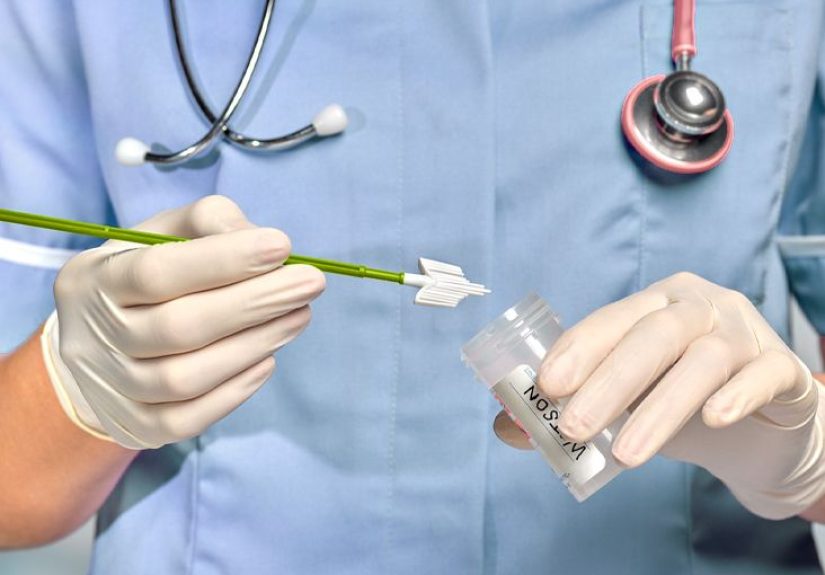
An HPV test checks cervical cells for high-risk HPV types that can lead to cervical cancer. It does not test for every HPV type and is not generally used to diagnose genital warts.
Pap Test
A Pap test, also called a Pap smear, looks for abnormal cervical cell changes that may become cancer if not monitored or treated. It does not directly diagnose all HPV infections, but abnormal Pap results may be related to HPV.
HPV/Pap Cotest
A cotest combines an HPV test and Pap test. This gives healthcare providers information about both high-risk HPV infection and cervical cell changes.
Testing in Men and Oral HPV
There is no routine approved HPV test for men in the same way there is cervical HPV testing. Healthcare providers may diagnose visible warts by exam. Some people at higher risk, such as men who have sex with men or people with HIV, may be advised to ask about anal Pap testing. There is also no routine screening test for early oral HPV infection, so persistent mouth, throat, or neck symptoms should be checked.
HPV Treatment: Can HPV Be Cured?
There is no medication that “kills” HPV itself. In most cases, the immune system controls or clears the virus over time. Treatment focuses on the health problems HPV may cause, such as genital warts or abnormal cervical cells.
Treatment for Genital Warts
Genital warts may go away without treatment, but many people choose treatment because warts can spread, grow, itch, bleed, or cause emotional stress. Treatment options may include prescription creams or solutions, cryotherapy to freeze warts, surgical removal, laser therapy, or other procedures performed by a healthcare provider.
Do not use over-the-counter wart removers meant for hands or feet on genital skin. That skin is more sensitive, and using the wrong product can turn a small problem into a painful “why did I do that?” situation.
Treatment for Abnormal Cervical Cells
If screening finds abnormal cervical cells, your provider may recommend monitoring, repeat testing, colposcopy, biopsy, or treatment to remove precancerous tissue. Common procedures may include LEEP, cone biopsy, cryotherapy, or laser treatment. The goal is to prevent cervical cancer before it starts.
Treatment for HPV-Related Cancer
If HPV-related cancer develops, treatment depends on the cancer type, stage, location, and overall health. Options may include surgery, radiation therapy, chemotherapy, immunotherapy, targeted therapy, or a combination of treatments. Early detection usually improves treatment options and outcomes.
HPV Vaccine: Prevention That Actually Works
The HPV vaccine helps prevent new infections from HPV types most likely to cause genital warts and HPV-related cancers. In the United States, Gardasil 9 is the HPV vaccine currently used. It protects against nine HPV types, including HPV 16 and 18, which are strongly linked to cancer, and HPV 6 and 11, which cause most genital warts.
HPV vaccination is recommended for children around ages 11 to 12, though it can begin at age 9. Teens and young adults through age 26 who did not start or finish the series should also be vaccinated. Some adults ages 27 through 45 may consider vaccination after discussing personal risk and potential benefit with a healthcare provider.
The vaccine works best before exposure to HPV, which is why it is recommended before most people become sexually active. However, vaccination may still benefit some people later. It prevents future infections; it does not treat an HPV infection someone already has.
HPV and Cervical Cancer Screening Guidelines
Screening recommendations vary slightly among organizations, but the main idea is consistent: people with a cervix should be screened regularly to find cervical precancer before it becomes cancer.
Many U.S. guidelines recommend Pap testing beginning at age 21. From ages 30 to 65, options may include primary HPV testing every five years, HPV/Pap cotesting every five years, or Pap testing every three years. Some American Cancer Society guidance recommends starting primary HPV testing at age 25 when available. Your best schedule depends on age, health history, previous results, immune status, and your provider’s recommendations.
Even if you received the HPV vaccine, you still need cervical cancer screening if you have a cervix. The vaccine is powerful, but it does not protect against every high-risk HPV type.
How to Lower Your Risk of HPV
You cannot reduce HPV risk to zero unless you avoid all intimate skin-to-skin sexual contact, which is not exactly a popular lifestyle plan for everyone. But you can reduce risk in practical ways.
Get Vaccinated
Vaccination is one of the strongest tools for preventing HPV-related cancers and genital warts. Parents can protect children early, and adults who missed vaccination can ask whether catch-up vaccination makes sense.
Use Condoms and Dental Dams
Barrier protection lowers the risk of HPV and other sexually transmitted infections. It does not fully eliminate HPV risk because exposed skin can still transmit the virus, but it is still a smart move.
Keep Up With Screening
For people with a cervix, regular Pap and HPV testing can catch abnormal changes early. Screening is not glamorous, but neither is ignoring preventable cancer. Choose the boring appointment. Boring can be lifesaving.
Do Not Smoke
Smoking can weaken local immune defenses and is linked with higher risk of persistent HPV-related disease. Quitting smoking supports immune health and lowers several cancer risks.
Communicate With Partners
Talking about HPV can feel awkward, but silence does not prevent transmission. A calm conversation about vaccination, screening, STI testing, and safer sex can make relationships healthier and less stressful.
When Should You See a Doctor?
Make an appointment with a healthcare provider if you notice genital bumps, warts, sores, unexplained bleeding, pelvic pain, pain during sex, persistent anal discomfort, a lump in the neck, a sore throat that does not improve, difficulty swallowing, or mouth lesions that last more than two weeks.
You should also follow up promptly after an abnormal Pap or HPV test. An abnormal result does not mean you have cancer. Often, it means your provider needs more information or wants to watch changes closely. Think of it as your body waving a yellow flagnot necessarily a red one.
Common Myths About HPV
Myth: HPV Means Someone Cheated
Not necessarily. HPV can stay silent for years. A new diagnosis does not prove recent exposure or infidelity.
Myth: Only Women Need to Care About HPV
False. HPV can affect anyone. Men can get genital warts and HPV-related cancers of the penis, anus, and throat. Vaccination matters for all genders.
Myth: If You Have No Symptoms, You Do Not Have HPV
Also false. Most people with HPV have no symptoms. That is why vaccination, safer sex, and screening are so important.
Myth: The HPV Vaccine Encourages Risky Behavior
HPV vaccination is cancer prevention. It does not change a person’s values, decision-making, or common sense. It simply gives the immune system a head start against dangerous HPV types.
Living With HPV: What Happens After Diagnosis?
An HPV diagnosis can bring anxiety, confusion, and a sudden urge to search the internet at 2 a.m. Please step away from the panic spiral. HPV is common, manageable, and often temporary. Your next steps usually involve understanding your test result, following your provider’s plan, and keeping up with recommended screening.
If you have genital warts, treatment can remove visible warts, though recurrence is possible. If you have high-risk HPV, your provider may recommend repeat testing or closer monitoring. Many infections clear without causing long-term problems.
The emotional side matters too. People may feel shame after an HPV diagnosis, but shame is not medically useful. HPV is a virus, not a character review. Compassion, accurate information, and follow-up care are far more helpful than blame.
Experience-Based Perspective: What People Often Learn While Dealing With HPV
Many people first learn about HPV after an abnormal Pap test, a visible genital wart, or a partner’s diagnosis. The first reaction is often fear. The word “virus” sounds serious, and when cancer enters the conversation, anxiety can jump from zero to full disaster mode. But in real life, many HPV experiences are less dramatic and more about learning, waiting, following up, and making better health decisions.
One common experience is surprise. A person may have been in a long-term relationship, had no symptoms, and still receive a positive HPV result. This can lead to uncomfortable questions: “Where did this come from?” “How long have I had it?” “Does this mean my partner cheated?” Healthcare providers often explain that HPV can remain dormant or undetected for a long time. That explanation does not always erase the emotional sting immediately, but it helps people understand that HPV timing is rarely simple.
Another common experience is frustration with uncertainty. Unlike a simple infection where you take medicine and receive a clear “all done,” HPV may require repeat testing. A provider might say, “Let’s check again in a year,” which can feel like being told to relax while sitting next to a suspicious-looking toaster. Still, monitoring is often the safest and most evidence-based approach because many infections clear naturally.
People treated for genital warts often describe mixed feelings: relief that the warts can be removed, annoyance that treatment may sting or require multiple visits, and concern that warts might return. This is normal. Removing warts treats the visible symptom, but the immune system still needs time to control the underlying virus. During this period, communication with partners and avoiding sex during active outbreaks can help reduce transmission risk.
For parents, the HPV vaccine can bring a different kind of decision-making moment. Some parents feel awkward because the vaccine is connected to a sexually transmitted virus. But many healthcare providers frame it more clearly: this is a cancer-prevention vaccine. Getting vaccinated at 11 or 12 is not about predicting a child’s future sex life. It is about giving protection before exposure, the same way sunscreen works best before the sunburn.
Adults considering vaccination later in life often weigh their relationship status, future partners, previous vaccination history, and personal risk. Someone who is newly single after a long marriage, for example, may ask whether vaccination still offers benefit. The answer depends on individual circumstances, which is why shared decision-making with a clinician is useful.
People also learn that HPV conversations become easier with practice. A calm, honest sentence such as “I had an HPV-related test result, and I’m following up with my doctor” can be enough. Partners do not need a courtroom-level investigation. They need respect, accurate information, and a shared plan for safer sex and health care.
Perhaps the biggest lesson is that HPV is common but not meaningless. It should not cause shame, but it should inspire action: get vaccinated if eligible, attend follow-up appointments, use barrier protection, stop smoking if possible, and take unusual symptoms seriously. HPV is manageable when handled with facts instead of fear.
Conclusion
Human papillomavirus is common, often silent, and usually cleared by the immune system. But persistent high-risk HPV can cause serious health problems, including cervical and other cancers. The smartest approach is not panicit is prevention, screening, and timely care.
HPV vaccination can prevent many infections linked to cancer and genital warts. Pap and HPV tests can detect cervical changes early, often before cancer develops. Genital warts and abnormal cells can be treated, even though there is no direct cure for the virus itself. If you notice symptoms or receive an abnormal test result, follow up with a healthcare provider. Your future self will be grateful, and frankly, your calendar can survive one appointment.