Table of Contents >> Show >> Hide
- What Are Early Cataracts?
- Early Cataract Symptoms: What to Watch For
- Who Is at Risk for Early Cataracts?
- How Early Cataracts Are Diagnosed
- Early Cataract Treatment: What Works?
- When Is Cataract Surgery Needed?
- What Happens During Cataract Surgery?
- Can Cataracts Come Back After Surgery?
- Can Early Cataracts Be Prevented?
- When to See an Eye Doctor
- Living With Early Cataracts: Practical Daily Tips
- Common Myths About Early Cataracts
- Experience-Based Insights: What Early Cataracts Often Feel Like in Real Life
- Conclusion
Early cataracts are sneaky. They rarely arrive with dramatic music, flashing warning lights, or a villain cape. More often, they tiptoe in like a houseguest who slowly dims every lamp in the room. One day your vision seems fine; the next, night driving feels like trying to read a menu through a windshield during a rainstorm.
A cataract forms when the eye’s natural lens becomes cloudy. The lens normally helps focus light onto the retina, giving you crisp, colorful, useful vision. When proteins in the lens begin to break down and clump together, light scatters instead of passing cleanly through. The result can be blurred vision, glare, faded colors, trouble reading, and difficulty seeing at night.
The good news? Early cataracts are common, manageable, and highly treatable. The even better news? You do not need to panic-buy ten pairs of reading glasses and name each one. With regular eye exams, smart lifestyle habits, and timely treatment, most people can protect their vision and keep daily life running smoothly.
What Are Early Cataracts?
Early cataracts are the beginning stages of clouding in the eye’s lens. At first, the cloudy area may be small and may not noticeably affect vision. Many people do not realize they have early cataracts until an optometrist or ophthalmologist spots them during a comprehensive eye exam.
Cataracts usually develop slowly. They are most often associated with aging, but they can also appear earlier because of diabetes, eye injury, long-term corticosteroid use, heavy sunlight exposure, smoking, previous eye surgery, radiation exposure, or family history. In rare cases, babies and children can have cataracts too, although age-related cataracts are far more common.
Think of the lens like a camera lens. When it is clear, the picture is sharp. When it gets cloudy, even the best camera body in the world will struggle. The eye is similar: the retina and optic nerve may be doing their jobs, but if the lens is foggy, the final image becomes less reliable.
Early Cataract Symptoms: What to Watch For
One tricky thing about early cataracts is that they may cause no obvious symptoms at first. That is why regular eye exams matter. Still, many people begin noticing small changes long before cataracts become advanced.
1. Blurry, Cloudy, or Foggy Vision
The most familiar cataract symptom is vision that looks blurred, hazy, dim, or cloudy. It may feel like your glasses are dirty even after you clean them with heroic determination. In the early stage, this blur may come and go or affect only certain activities, such as reading small print or recognizing faces from a distance.
2. More Glare and Light Sensitivity
Bright sunlight, headlights, and indoor lights may feel harsher than before. Some people describe halos around lights, especially at night. Driving after sunset can become stressful because oncoming headlights seem to bloom like tiny supernovas. Beautiful in space, less charming on the highway.
3. Trouble Seeing at Night
Early cataracts often make low-light vision worse. You may need extra lamps to read, feel less confident walking in dim spaces, or avoid night driving. If restaurants suddenly seem too dark to read the menu, it may not be the restaurant trying to create “mystery soup” ambiance. Your lens may be changing.
4. Colors Look Faded or Yellowed
Cataracts can make colors appear less bright. Whites may look creamier, blues may seem dull, and your favorite red sweater may lose its visual punch. This happens because the cloudy lens changes how light enters the eye.
5. Frequent Prescription Changes
If your glasses prescription keeps changing and the improvement does not last, early cataracts may be part of the explanation. Some people also experience a temporary improvement in near vision, sometimes called “second sight,” especially with certain cataract types. Before celebrating a miracle, schedule an eye exam.
6. Double Vision in One Eye
Cataracts can sometimes cause double vision or ghost images in one eye. This is different from double vision caused by eye alignment problems. Any new double vision should be evaluated promptly because several eye and neurological conditions can cause it.
Who Is at Risk for Early Cataracts?
Age is the biggest risk factor, but early cataracts can develop before older adulthood. Risk is higher for people with diabetes, smokers, people with obesity, those who drink excessive alcohol, people with a family history of cataracts, and anyone with previous eye injury, inflammation, surgery, or radiation exposure. Long-term sunlight exposure without UV protection and prolonged corticosteroid medication use can also raise risk.
Some risk factors cannot be changed, such as family history. Others can. Wearing UV-blocking sunglasses, not smoking, managing diabetes, controlling blood pressure, eating a nutrient-rich diet, and keeping regular eye appointments can support long-term eye health. These habits will not guarantee a cataract-free life, but they do give your eyes a better fighting chance.
How Early Cataracts Are Diagnosed
Early cataracts are diagnosed during a comprehensive eye exam. An eye doctor does not simply glance at you from across the room and say, “Yep, cloudy lens.” Diagnosis involves several tests that evaluate both vision quality and eye health.
Visual Acuity Test
This is the familiar eye chart test. It checks how clearly you can see letters or symbols at different distances. If your vision has changed, this test helps measure the change and determine whether glasses, contacts, cataracts, or another condition may be involved.
Slit-Lamp Examination
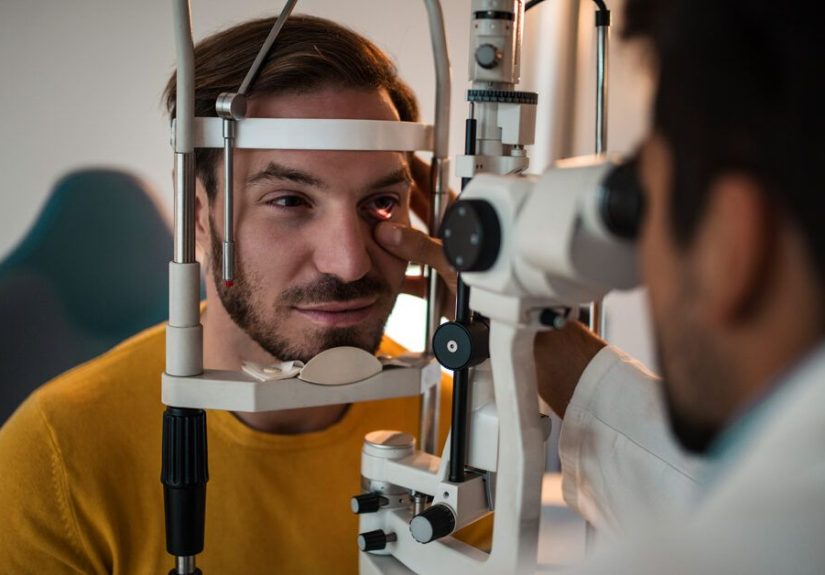
A slit lamp is a special microscope with a bright light that lets the eye doctor examine the front structures of the eye, including the cornea, iris, and lens. This test can reveal cloudiness in the lens and help identify the type and location of the cataract.
Dilated Eye Exam
During dilation, eye drops widen the pupil so the doctor can examine the lens, retina, and optic nerve more thoroughly. Your near vision may be blurry for a few hours afterward, and bright light may feel stronger. Bring sunglasses unless you enjoy leaving the clinic looking like a surprised cartoon owl.
Glare Testing and Contrast Sensitivity
Some people can read the eye chart fairly well in normal lighting but struggle badly with glare or low contrast. Additional tests may show how cataracts affect real-world tasks such as driving at night, reading gray text, or seeing in bright sunlight.
Checking for Other Eye Conditions
Blurred vision is not always caused by cataracts. Dry eye, glaucoma, diabetic eye disease, macular degeneration, corneal problems, and retinal disease can also affect vision. A proper exam helps separate cataracts from other conditions and prevents the “I diagnosed myself on the internet” adventure from going off-road.
Early Cataract Treatment: What Works?
The treatment plan depends on how much the cataract affects daily life. In the early stage, surgery is usually not needed immediately. Many people manage symptoms with practical changes while their eye doctor monitors progression.
Update Glasses or Contact Lenses
A new prescription may improve vision in the early stage. However, if prescription changes become frequent or glasses no longer make vision clear enough, cataracts may be advancing.
Use Brighter, Better Lighting
Reading, cooking, sewing, and other detailed tasks may become easier with brighter lighting. Aim for focused, even light rather than harsh glare. A good reading lamp can be the quiet MVP of early cataract management.
Reduce Glare
Anti-glare lenses, UV-blocking sunglasses, wide-brimmed hats, and careful night-driving choices can help. Many people also adjust screen brightness, increase font size, and use high-contrast settings on phones and computers.
Monitor Changes Over Time
Early cataracts do not always progress at the same speed. Your eye doctor may recommend follow-up exams to track changes. Keep notes about symptoms: difficulty driving at night, reading problems, glare, color changes, or daily tasks that feel harder. Specific examples help your doctor understand how vision changes affect real life.
When Is Cataract Surgery Needed?
Cataract surgery is usually recommended when vision problems interfere with daily activities. That may mean difficulty driving, reading, working, cooking, recognizing faces, enjoying hobbies, or managing household tasks. Surgery may also be recommended if a cataract prevents the doctor from clearly seeing or treating another eye disease.
There is no universal “perfect time” for cataract surgery. The right timing depends on symptoms, health, lifestyle, safety needs, and personal goals. Someone who drives at night for work may need surgery sooner than someone whose cataract causes only mild reading inconvenience.
What Happens During Cataract Surgery?
Cataract surgery removes the cloudy natural lens and replaces it with a clear artificial lens called an intraocular lens, or IOL. It is usually an outpatient procedure, meaning most people go home the same day. If both eyes need surgery, they are typically treated on separate dates.
Before surgery, measurements are taken to choose the right IOL power. Patients may discuss lens options with the surgeon, including standard monofocal lenses and other designs that may reduce dependence on glasses for certain distances. Not every lens is right for every eye, budget, or lifestyle, so this conversation matters.
During the procedure, the surgeon makes a small incision, breaks up and removes the cloudy lens, and places the artificial lens inside the eye. Recovery instructions often include using prescribed eye drops, avoiding eye rubbing, keeping follow-up visits, and temporarily limiting certain activities. Vision often improves as the eye heals, though recovery timing varies by person.
Can Cataracts Come Back After Surgery?
A true cataract does not return after the natural lens is removed. However, some people later develop cloudy vision from posterior capsule opacification, sometimes called a “secondary cataract.” It is not a new cataract. It happens when the capsule that holds the artificial lens becomes cloudy. The condition is commonly treated with a quick laser procedure called YAG capsulotomy.
Can Early Cataracts Be Prevented?
No lifestyle habit can promise total cataract prevention. Aging happens, and the eye lens is not a museum artifact sealed behind climate-controlled glass. Still, certain choices may lower risk or slow progression.
- Wear sunglasses that block UVA and UVB rays.
- Use a brimmed hat in strong sunlight.
- Do not smoke, and seek support if quitting is difficult.
- Manage diabetes and blood pressure with professional guidance.
- Eat a balanced diet with fruits, vegetables, lean proteins, and healthy fats.
- Use protective eyewear during sports, yard work, and high-risk jobs.
- Follow medication instructions and discuss long-term steroid use with your doctor.
- Schedule regular comprehensive eye exams, especially after age 40 or sooner if you have risk factors.
When to See an Eye Doctor
Make an appointment if you notice blurred vision, glare, halos, poor night vision, faded colors, double vision in one eye, frequent prescription changes, or difficulty doing normal tasks. Seek urgent care for sudden vision loss, severe eye pain, eye injury, flashes of light, new floaters, or sudden double vision.
Early cataracts are usually not an emergency, but ignoring vision changes is not a productivity hack. It is more like refusing to check the smoke alarm because the beeping is annoying. An eye exam is simple, useful, and often reassuring.
Living With Early Cataracts: Practical Daily Tips
Small adjustments can make life easier while cataracts are still mild. Increase contrast around the home by using dark cutting boards for light foods and light cutting boards for dark foods. Add brighter bulbs where you read, cook, or handle medications. Keep glasses clean, because cataracts and smudged lenses together form a tag team nobody asked for.
For screens, increase font size and contrast. Use night mode carefully; while it may reduce eye strain for some people, very low contrast can make reading harder. While driving, keep the windshield clean inside and out, replace worn wiper blades, and avoid unnecessary night trips if glare becomes unsafe.
For reading, try large-print books, e-readers, audiobooks, or magnifiers. These tools are not signs of defeat. They are signs that you enjoy seeing things clearly, which is a perfectly reasonable hobby.
Common Myths About Early Cataracts
Myth 1: Cataracts Only Happen to Very Old People
Cataracts are more common with age, but they can develop earlier due to diabetes, steroid use, trauma, genetics, or other factors.
Myth 2: Eye Drops Can Cure Cataracts
At this time, no eye drop has been proven to remove cataracts. Drops may treat other eye problems, such as dryness or inflammation, but the only definitive cataract treatment is surgery when needed.
Myth 3: You Must Wait Until Cataracts Are “Ripe”
Modern cataract surgery is usually based on how vision affects daily life, not on waiting until the cataract becomes extremely advanced. The old “wait until it is ripe” idea belongs in the same attic box as expired coupons and mystery cables.
Myth 4: Cataract Surgery Is Only About Seeing Far Away
Surgery replaces the cloudy lens, but lens choice can influence vision at different distances. Some people still need glasses after surgery, depending on the IOL selected and their eye health.
Experience-Based Insights: What Early Cataracts Often Feel Like in Real Life
People with early cataracts often describe the experience less like “I cannot see” and more like “something is slightly off.” That “off” feeling matters. It may show up during ordinary moments: reading a pill bottle, checking a receipt, driving home after dinner, or wondering why the living room suddenly feels like it was lit by a single shy candle.
One common experience is frustration with glasses. A person may update their prescription and enjoy clearer vision for a while, then notice the improvement fades. They may clean the lenses repeatedly, adjust the frames, blame the lighting, blame the font, blame the poor innocent lamp, and eventually realize the problem is not on the glasses. It is inside the eye’s lens.
Another real-life clue is night driving. Early cataracts can make headlights appear larger, brighter, or surrounded by halos. A driver may feel comfortable during the day but anxious at night, especially in rain. Wet roads reflect light, and cataracts scatter it, creating the visual equivalent of a disco ball with a driver’s license. If night driving starts feeling unsafe, that is a strong reason to speak with an eye doctor.
Color changes can be subtle too. Many people do not realize how yellowed or faded their vision has become until after cataract surgery in one eye. Suddenly, the treated eye sees cooler whites and brighter blues, while the untreated eye sees a warmer, dimmer version of the same room. It can feel as if someone quietly updated the world’s display settings.
Early cataracts may also affect hobbies. A person who loves needlework may need stronger light. A woodworker may struggle with fine measurements. A home cook may find chopping herbs harder in evening light. A golfer may lose sight of the ball against a bright sky. A reader may drift toward large print and then wonder why regular paperbacks seem to be printed for ants with law degrees.
The emotional side is worth mentioning. Vision changes can make people feel older, less independent, or nervous about medical treatment. That reaction is understandable. Eyes are personal. Nobody enjoys the phrase “surgery on your eye” popping into conversation like an uninvited raccoon. But cataract care is one of the most common and successful areas of modern eye medicine, and early diagnosis gives people time to plan instead of panic.
The best experience-based advice is simple: track what changes, and be specific. Instead of saying, “My vision is bad,” write down examples: “I avoid driving after 7 p.m.,” “I need two lamps to read,” “colors look dull,” or “my glasses no longer help enough.” These details help your eye doctor decide whether observation, a prescription update, lifestyle adjustments, or surgery discussion is appropriate.
It also helps to bring questions to the appointment. Ask what type of cataract you have, how advanced it is, how often it should be monitored, whether other eye conditions are present, and what signs mean treatment should change. If surgery is discussed, ask about lens options, recovery, risks, cost, follow-up visits, and realistic expectations. Clear answers reduce fear, and fewer fears mean fewer late-night internet searches involving dramatic worst-case scenarios.
Living with early cataracts is often a season of adjustment, not an immediate crisis. Many people manage well for months or years with better lighting, updated glasses, glare reduction, and routine monitoring. When cataracts begin to interfere with life, treatment is available. The main goal is not just sharper vision on an eye chart; it is safer driving, easier reading, brighter colors, more confidence, and the pleasure of seeing the people and places you love without feeling like the world needs a windshield wiper.
Conclusion
Early cataracts can be quiet at first, but they are not mysterious once you know the signs. Blurry vision, glare, halos, faded colors, poor night vision, and frequent prescription changes are all clues worth taking seriously. A comprehensive eye exam can diagnose cataracts, check for other eye diseases, and guide the next step.
In the early stage, treatment may be as simple as new glasses, brighter lighting, anti-glare lenses, and regular monitoring. When cataracts begin interfering with daily life, surgery can replace the cloudy lens with a clear artificial lens and often restore useful vision. The smartest move is not to wait until life becomes difficult. Protect your eyes, schedule exams, ask questions, and let your eye doctor help you decide when treatment makes sense.