Table of Contents >> Show >> Hide
- First, Decide: What Kind of “Value” Are You Trying to Find?
- The 5-Step Antique Trunk Valuation Method
- Step 1: Identify the Trunk Style (Because Style Drives Demand)
- Step 2: Hunt for Maker Marks Like You’re on a Low-Stakes Treasure Quest
- Step 3: Date the Trunk (Without Guessing Based on Vibes)
- Step 4: Grade Condition the Way Buyers Actually Do
- Step 5: Price It Using Comparable Sales (Not Just Listings)
- Realistic Value Ranges (With Context, Not Hype)
- Restoration: When It Helps Value (and When It Hurts)
- How to Get a Professional Appraisal (and Why It’s Sometimes Worth It)
- Quick Identification Checklist (Print This, Save It, Tattoo It on Your Heart)
- FAQ: Antique Trunks, Valuation, and Common Panic Questions
- Collector “Experiences” in the Real World (500+ Words of What It’s Actually Like)
- Experience #1: The “It’s Perfect!” Moment (Until You Open It)
- Experience #2: The “Mystery Brand” That Turns Out to Be a Big Deal
- Experience #3: The Restoration Temptation (and the Regret Spiral)
- Experience #4: The Pricing Whiplash Between Retail and Auction
- Experience #5: The Emotional Value Surprise
- Conclusion
Antique trunks are basically time machines with hinges. One minute you’re admiring the hand-tacked leather handle,
the next you’re wondering whether that “mysterious smell” is history… or just 1897 gym socks. Either way, if you
want to value an antique trunk accurately, you need two things: smart identification and a realistic
pricing method (spoiler: “I saw one online for $4,000” is not a method).
This guide walks you through an easy, collector-friendly process to identify common trunk styles, spot maker clues,
judge condition like a pro, and translate all that into a fair value range. You’ll also get real-world examples and
“what to do next” advicewithout turning the whole experience into a graduate thesis on rivets.
First, Decide: What Kind of “Value” Are You Trying to Find?
Before you price anything, choose the definition of value. Antique trunks can have wildly different numbers depending on the goal:
- Fair Market Value (FMV): What a typical buyer might pay in a typical sale (often closest to auction “sold” results).
- Retail/Dealer Price: What you might see in an antique shop or curated marketplace (usually higher).
- Insurance Value: Replacement costoften requires a written appraisal and can be higher than FMV.
- Sentimental Value: Priceless, and also unhelpful when someone asks, “So… how much is it worth?”
The 5-Step Antique Trunk Valuation Method
If you follow these steps in order, you’ll avoid the two classic mistakes: (1) overpricing a common trunk because it’s “old,”
and (2) underpricing a special trunk because it’s “just a trunk.”
Step 1: Identify the Trunk Style (Because Style Drives Demand)
The fastest way to narrow value is to identify what style you have. Trunk styles also give clues about era and how the trunk was used.
Here’s a cheat sheet to get you oriented.
| Trunk Type | How to Spot It | Typical Demand | Value Clue |
|---|---|---|---|
| Flat-top / Cabin Trunk | Flat lid; stackable; often canvas or wood with metal/wood bands | Good (decor + storage) | Common; value rises with condition, interior, and maker |
| Dome-top / Barrel-top / Camelback | Rounded lid; often wood slats, metal bands, or embossed metal panels | Very good (classic “antique trunk look”) | Condition + original hardware matter a lot |
| Monitor / Waterfall | Flat-ish top with rounded front/back edges; looks like a gentle “wave” | Good (distinct silhouette) | Often decorative; watch for replaced coverings |
| Saratoga | Ornate, high-style trunk; often domed; may have fancy straps/hardware | High (collectors love the drama) | Decoration and completeness can push value up |
| Jenny Lind (Stagecoach/Breadloaf) | Distinctive hourglass/keyhole silhouette when viewed from the side | High (rarer form) | Shape is a big value driverif it’s intact |
| Wardrobe Trunk | Stands upright; drawers, hangers, compartments; often heavy | High (function + wow factor) | Completeness (drawers/hangers) is everything |
Quick sanity check: trunk style doesn’t guarantee age. Plenty of vintage (not antique) trunks mimic older shapes. Style helps you
narrow possibilitiesthen you confirm with maker clues and construction details.
Step 2: Hunt for Maker Marks Like You’re on a Low-Stakes Treasure Quest
Maker marks can turn a “nice old trunk” into a documented collectible. Check these locations:
- Interior lid: paper label, brand decal, or stenciled name
- Inside tray or compartment walls: hidden labels, retailer stamps, or serial numbers
- Locks and latches: stamped maker names or patent dates
- End panels: monograms/initials, travel labels, shipping stickers
- Hardware backs: sometimes stamped on the inside of metal pieces
Don’t panic if you find only initials. Initials are common, and they often signal ownership (monogramming was the original “phone case customization”).
They can add charm, but they rarely add major value unless the trunk has strong provenance (famous owner, documented history, etc.).
Step 3: Date the Trunk (Without Guessing Based on Vibes)
Dating is where most people either (a) get overly confident or (b) give up and call everything “circa old.” Here’s a smarter middle path.
Use “Not Earlier Than” Dating With Patent Marks
If the lock or hardware shows a patent date, treat it like a floor: the trunk can’t be older than that patent date. It might be newer by years.
Patent dates are especially useful on trunk locks because manufacturers often stamped them right on the face.
Check Construction Clues
- Materials: wood slats, canvas, leather, metal cladding, vulcanized fiberboard, or combinations
- Fasteners: nails, tacks, rivets, and whether things look handmade vs. factory-uniform
- Interior: paper linings, trays, straps, and whether the inside layout matches trunk purpose (travel vs. storage)
A helpful mindset: you’re building a date range, not solving a murder mystery. You’re trying to land the trunk in the right “era neighborhood.”
Step 4: Grade Condition the Way Buyers Actually Do
In trunk world, condition isn’t just “good” or “bad.” Buyers pay for originality, completeness, and structural stability.
Here’s what matters most:
Exterior Condition
- Covering: original canvas/leather/metal intact? Tears, rot, peeling, or heavy repainting?
- Odor & moisture damage: musty smell, visible mold, water staining, warped wood
- Edges & corners: these get destroyed firstmissing corners can drop value fast
Hardware & Function
- Locks and latches: present, matching, and working?
- Handles: original leather handles are a plus; replacements may be fine but should be disclosed
- Straps: decorative exterior straps are often missing; originals add desirability
Interior Completeness
- Tray: many trunks had removable trays; missing trays reduce value
- Paper lining: original lining can be beautiful, but torn or moldy lining can be a turnoff
- Wardrobe parts: drawers, hangers, shoe boxes, and compartments must be present for top value
Practical example: two similar dome-top trunks might look equally charming as decor, but the one with its original tray, intact straps,
and matching latches will usually command a noticeably higher price.
Step 5: Price It Using Comparable Sales (Not Just Listings)
Comparable sales are the closest thing to trunk truth. Listings show what sellers want. Sold results show what buyers actually paid.
Your best approach is to compare:
- Same style (flat-top vs dome-top vs wardrobe)
- Similar size
- Similar condition and completeness
- Same maker/brand when possible
- Similar location/market (shipping a trunk is not cheap, and buyers know it)
Realistic Value Ranges (With Context, Not Hype)
Most everyday steamer trunksespecially common, unbranded examplestend to land in modest ranges when sold in typical markets.
But “modest” doesn’t mean “worthless.” It means your value is driven by condition and usability.
- Common, unbranded steamer trunks: often sell in the lower hundreds when condition is decent and demand is normal.
- Decorative, nicer-condition dome-tops or trunks with attractive hardware/interiors: can move into mid-range pricing, especially in curated retail settings.
- Wardrobe trunks (complete): can command higher prices because they’re functional furniture, not just storage.
- Luxury brand trunks: are a different category; maker authentication and condition become major price drivers.
A useful way to keep your expectations grounded: if your trunk is heavy, plain, missing parts, and has no maker label,
it’s probably valued more as decor/storage than as a high-end collectible.
Restoration: When It Helps Value (and When It Hurts)
Restoration is where good intentions go to fight with the antique market. The goal is usually to stabilize and cleannot to erase age.
Restoration That Often Helps
- Structural repairs that make the trunk usable (loose boards, broken hinges, failing bottom panels)
- Gentle cleaning that removes grime without removing original finish or materials
- Replacing missing screws or non-original hardware with period-appropriate matches (clearly documented)
Restoration That Can Hurt
- Heavy sanding and refinishing that removes original surface and patina
- Painting over original coverings, labels, or stencils
- Over-conditioning leather with products that can darken, attract dirt, or create long-term conservation problems
If the trunk has rare features, luxury branding, or a fragile original interior, consider consulting a professional conservator or a specialized restorer.
“I watched a video and bought three bottles of miracle oil” is a risky restoration plan.
How to Get a Professional Appraisal (and Why It’s Sometimes Worth It)
If you suspect your trunk could be valuableespecially if it’s branded, unusually ornate, historically documented, or needed for insurance or an estate
a professional appraisal can be the smartest next step.
What to Look for in an Appraiser
- Accreditation through a recognized professional organization
- Experience with furniture/decorative arts and travel goods (not just fine art or jewelry)
- Clear purpose of the appraisal (FMV vs insurance vs donation)
- Transparency about fees and methods
What to Prepare Before You Call
- Photos: exterior (all sides), interior, close-ups of locks, labels, damage, hardware
- Measurements: height, width, depth
- Any story/provenance: who owned it, where it came from, travel stickers, receipts
Quick Identification Checklist (Print This, Save It, Tattoo It on Your Heart)
- Style: flat-top, dome-top, monitor, Jenny Lind, Saratoga, wardrobe?
- Maker clues: labels, stencils, lock stamps, serial numbers?
- Dating clues: patent dates, materials, interior design?
- Condition: structural soundness, odor/mold, missing parts, hardware function?
- Comps: sold results for similar style/size/condition (adjust for brand and completeness)
FAQ: Antique Trunks, Valuation, and Common Panic Questions
Is a trunk automatically “antique” if it looks old?
Not always. Many “vintage” trunks (often mid-20th century) have older styling. The difference matters for collector pricing,
but vintage trunks can still have good decor value.
Do travel stickers increase value?
Sometimes. If they’re original and visually appealing, they can add charm and provenance. But if stickers are modern, peeling,
or covering maker marks, they may not help. Think “character,” not “guaranteed jackpot.”
Should I clean the interior paper lining?
Carefully. Loose dirt can often be removed gently, but paper linings can be fragile and prone to damage. If there’s mold,
strong odor, or extensive deterioration, stop and consider professional help.
What’s the biggest value mistake people make?
Using the highest online listing they can find as “the price.” A realistic valuation comes from comparable sales and an honest
condition assessment.
Collector “Experiences” in the Real World (500+ Words of What It’s Actually Like)
Reading a valuation guide is neat and tidy. Valuing an antique trunk in real life is… less tidy. It’s part research project,
part archaeology, part “why is there glitter in here?” Below are common experiences people run into while identifying and pricing trunksshared in a
practical, real-world way so you can recognize the patterns.
Experience #1: The “It’s Perfect!” Moment (Until You Open It)
Many first-time buyers fall in love with the exterior: a handsome dome-top, charming metal banding, maybe a faded travel label.
Then the lid opens and the mood changes. The interior might be missing its tray, the lining could be torn, and the smell can hit you like a
time-travel punch. This is where value reality begins. The trunk may still be a great decor pieceespecially if it’s sturdybut the missing
tray and compromised interior usually reduce collector interest. The takeaway: always value with the trunk open, not just “Instagram closed.”
Experience #2: The “Mystery Brand” That Turns Out to Be a Big Deal
Another common scenario: the trunk looks ordinary until you notice a label tucked behind a compartment or a lock stamp you almost missed.
Suddenly you’re not just pricing “a trunk,” you’re pricing a trunk with a traceable maker, location, and era clues. People often discover
that a maker mark can explain why one trunk commands higher prices even when the shape is similar. The fun part is the detective work:
matching labels, comparing lock styles, and noticing repeating details in known examples. The caution: don’t assume a famous brand just because
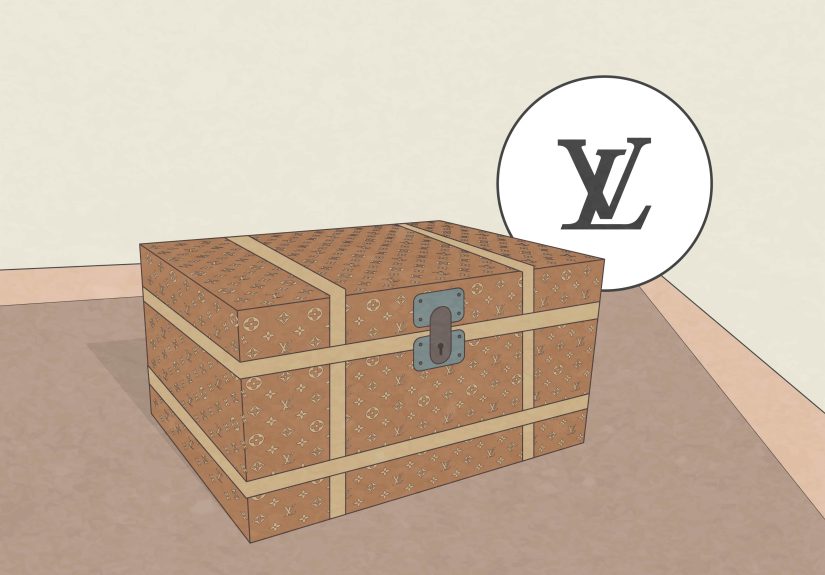
someone told you it’s “like Louis Vuitton.” Confirmation matters, especially with luxury-style trunks.
Experience #3: The Restoration Temptation (and the Regret Spiral)
Almost everyone has the same thought: “If I just clean it up a little, it’ll be worth more.” Sometimes that’s true. Often, “a little” becomes
sanding, repainting, new fabric, shiny hardware, and suddenly you’ve created a trunk that looks freshbut lost the original surfaces that collectors
pay for. A common collector story is wishing they’d done less: stabilized the structure, cleaned gently, and left the original character alone.
If you’re restoring for your home and you love the look, go for it. If you’re restoring for resale, the safest path is minimal, reversible work and
lots of documentation.
Experience #4: The Pricing Whiplash Between Retail and Auction
People are often shocked by how different prices can be across markets. A curated retail site might list a dome-top trunk for over a thousand dollars,
while an auction estimate for a similar trunk may land in the low hundreds. This doesn’t mean one is “wrong.” Retail pricing often includes curation,
storage, photography, customer service, and the convenience of “buy it now.” Auction pricing reflects competitive bidding (or lack of it) on a specific day.
The best real-world approach is to treat retail listings as an upper boundary and auction sold results as a grounded baseline, then adjust based on condition,
maker, and local demand.
Experience #5: The Emotional Value Surprise
Sometimes the biggest “value” discovery isn’t financial. Families find initials that match a relative, an old hotel label, or a shipping sticker that ties
the trunk to a migration story. Even if the trunk’s market value is modest, those details can make it an heirloom. If you’re in this situation, consider
documenting the trunk: take clear photos, write down the story you know, and store that record with the trunk. A trunk with a story doesn’t just sit in a
roomit becomes a conversation piece with receipts.
Conclusion
Valuing antique trunks is less about guessing a number and more about building a case: style, maker clues, dating evidence, condition, and comparable sales.
When you do that, pricing becomes far less mysteriousand you’re much less likely to overpay, undersell, or accidentally “restore” the value right out of
your own trunk.
If you want a final, practical rule: common trunks are priced by condition and usefulness; rare trunks are priced by identity and provenance.
When you’re unsure, start with conservative comps, document what you see, and call in a pro for anything that looks unusually high-end or historically special.