Table of Contents >> Show >> Hide
- What Is Trigger Finger, Exactly?
- Step 1: Stop Doing the Thing That Keeps Making It Mad
- Step 2: Use Ice or Heat the Smart Way
- Step 3: Try a Night Splint
- Step 4: Add Gentle Stretching and Finger Motion
- Step 5: Use Pain Relief Wisely
- Step 6: Consider Hand Therapy or Occupational Therapy
- Step 7: Ask About a Cortisone Injection
- Step 8: Consider a Procedure or Surgery if It Keeps Locking
- When to Call a Doctor
- How Long Does Trigger Finger Take to Improve?
- Common Experiences People Have With Trigger Finger
- Conclusion
Trigger finger sounds like the name of a cowboy villain, but it is actually a very common hand problem that can make a finger or thumb catch, click, or lock when you try to bend or straighten it. The issue usually starts when the tendon that moves your finger gets irritated and has trouble gliding through its snug little tunnel. The result? Pain, stiffness, and a finger that behaves like it missed the memo on teamwork.
The good news is that trigger finger treatment often starts with simple, non-surgical steps. In many cases, a combination of rest, smart activity changes, splinting, and anti-inflammatory care can calm things down. When that is not enough, injections, hand therapy, or a quick outpatient procedure may help restore smooth motion.
This guide breaks the process into eight clear steps, from early home care to knowing when it is time to call a specialist. Whether your symptoms are mild and annoying or your finger is staging a dramatic lock-up in the middle of your day, here is how to treat trigger finger in a practical, informed way.
What Is Trigger Finger, Exactly?
Trigger finger, also called stenosing tenosynovitis, happens when the tendon that bends your finger becomes irritated and swollen. That swelling can make it harder for the tendon to slide through the pulley system in the hand, especially near the base of the finger. As movement becomes less smooth, you may notice clicking, catching, pain in the palm, or a finger that locks in a bent position before suddenly popping straight.
Symptoms are often worse in the morning. Some people notice a tender lump in the palm. Others only realize something is wrong when gripping a mug, holding a steering wheel, opening a jar, or trying to type without their finger acting like it has personal boundaries.
Trigger finger can affect any finger, including the thumb. It is more common in adults, especially people in midlife and older. It also tends to show up more often in people with diabetes, rheumatoid arthritis, gout, thyroid disease, or jobs and hobbies that involve repetitive gripping, squeezing, or forceful hand use.
Step 1: Stop Doing the Thing That Keeps Making It Mad
The first step in trigger finger treatment is often the least glamorous and the most useful: give the irritated tendon a break. If symptoms started after repetitive gripping, lifting, tool use, gaming marathons, gardening, racket sports, or long stretches of texting with a death grip, scale those activities back for a while.
This does not mean wrapping yourself in bubble wrap and never touching a frying pan again. It means identifying what increases pain, catching, or locking and reducing those motions for a few days or weeks. Sometimes even small changes help, such as:
- Using a larger grip on tools or pens
- Switching hands when possible
- Taking short breaks during repetitive tasks
- Avoiding prolonged tight gripping
- Using voice-to-text instead of endless thumb tapping
If your trigger finger is mild, activity modification may be enough to settle symptoms before they get more stubborn.
Step 2: Use Ice or Heat the Smart Way
People often ask whether they should use ice or heat for trigger finger. The honest answer is: sometimes both can help, depending on the moment.
When ice makes sense
If the finger feels sore, irritated, or swollen after activity, a cold pack wrapped in a thin cloth can help calm things down. Try it for 10 to 15 minutes at a time, especially after hand-heavy tasks.
When heat makes sense
If the biggest problem is morning stiffness, warmth may help loosen the finger before you start moving it. A warm washcloth, warm water soak, or heat pack can be soothing. Think of it as a gentle wake-up call for a cranky tendon.
You do not need an elaborate spa ritual. Simple, consistent comfort care often works best.
Step 3: Try a Night Splint
Splinting is one of the most common early treatments for trigger finger. A night splint helps keep the finger in a more neutral or straight position while you sleep, which may reduce irritation from hours of unconscious curling. Many people wake up with less stiffness and less catching after giving the tendon some overnight peace and quiet.
A hand specialist or therapist can recommend the best type of splint, but many people start with a basic finger splint designed for trigger finger or trigger thumb. The key is comfort and proper fit. A splint that is too tight, too loose, or wildly annoying will probably end up in a drawer by day three.
Splinting usually works best when paired with activity changes. It is not magic armor. It is more like a helpful coworker that makes the job easier.
Step 4: Add Gentle Stretching and Finger Motion
Once severe pain or locking settles a bit, gentle motion can help reduce stiffness and maintain range of motion. The word here is gentle. This is not the time to yank your finger straight like you are starting a lawn mower.
Simple movements that may help
- Slowly open and close the hand several times
- Gently straighten the affected finger with the other hand
- Practice light tendon-gliding style movements
- Stretch after warming the hand, not when it feels cold and stiff
If motion makes the finger catch harder or causes sharp pain, back off and get personalized advice. Hand therapy can be useful when you are not sure whether you are helping your finger or just irritating it in a more organized way.
Step 5: Use Pain Relief Wisely
Over-the-counter pain relief can make day-to-day life more manageable while the finger settles down. Nonsteroidal anti-inflammatory drugs, such as ibuprofen or naproxen, may help reduce pain and inflammation for some people. Acetaminophen may help with pain if anti-inflammatory medicines are not a good fit for you.
That said, pain medicine is support, not a full treatment plan. If you keep taking medication while continuing the exact same aggravating activity, your tendon may file a formal complaint. Follow label directions carefully, and if you have stomach issues, kidney disease, bleeding concerns, or take other medications, check with a clinician or pharmacist before using NSAIDs.
Topical anti-inflammatory products may also be considered for some people, especially when they want localized relief without taking an oral medication.
Step 6: Consider Hand Therapy or Occupational Therapy
If your symptoms are sticking around, working with a hand therapist or occupational therapist can be a smart next step. Therapy for trigger finger is not about turning your hand into a tiny Olympic gymnast. It is about restoring smoother movement, reducing strain, improving flexibility, and teaching you how to use your hand without constantly re-irritating the tendon.
A therapist may help with:
- Custom splinting
- Targeted stretching and tendon-glide exercises
- Swelling control strategies
- Grip modifications for work or hobbies
- Advice on pacing and ergonomics
This step is especially useful for people whose jobs require a lot of hand use, such as mechanics, stylists, healthcare workers, cashiers, musicians, cooks, and anyone whose hobby collection includes “anything involving squeezing.”
Step 7: Ask About a Cortisone Injection
When home care is not enough, a corticosteroid injection is often the next major treatment option. This injection is usually placed near or into the tendon sheath at the base of the affected finger to reduce inflammation and improve gliding. For many people, it works very well and may relieve symptoms for a long time. Some people need more than one injection.
This is often the point where treatment goes from “annoying but manageable” to “finally, this finger remembers how to be a finger.” It is not instant for everyone, though. Relief may take days to weeks.
Who may especially need a conversation before injection?
People with diabetes should talk through expectations carefully. Steroid injections can temporarily raise blood sugar, and in some cases they may be less effective than they are in people without diabetes. That does not mean they are off the table. It just means the plan should be thoughtful.
If the first injection helps but symptoms return, some clinicians may recommend a second shot. If repeated injections do not solve the problem, surgery may be the more durable option.
Step 8: Consider a Procedure or Surgery if It Keeps Locking
If trigger finger remains painful, keeps locking, affects daily activities, or does not improve with conservative care, a procedure may be recommended. There are two main approaches often discussed.
Needle release
In some cases, a clinician can use a needle procedure to break up the tissue that is blocking smooth tendon movement. This is less invasive than open surgery and may be guided by ultrasound.
Trigger finger release surgery
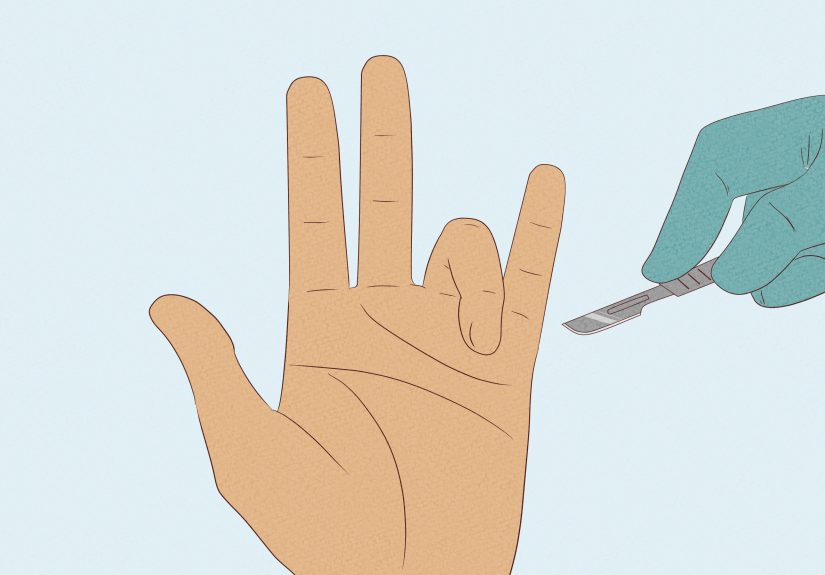
This is a common outpatient procedure, usually done with local anesthesia. The surgeon makes a small incision near the base of the finger and releases the tight part of the tendon sheath, which gives the tendon more room to glide. Many patients can begin moving the finger soon after the procedure.
Surgery is often considered when:
- The finger is locked in a bent position
- Pain or stiffness significantly affects function
- Splinting, rest, therapy, and injections have not helped enough
- Symptoms keep returning
Recovery varies, but soreness, swelling, and temporary stiffness are common at first. Even after the incision heals, it may take weeks or even a few months for everything to feel fully normal again. Most people do very well, but full recovery can be slower when symptoms were severe for a long time before treatment.
When to Call a Doctor
Do not wait forever hoping your finger will negotiate with you. It is time to get medical attention if:
- Your finger locks and you cannot straighten or bend it normally
- Pain, stiffness, or swelling persists for more than a few weeks
- You notice numbness, tingling, major weakness, or color changes
- Your hand becomes red, hot, or has drainage, which could suggest infection
- You have diabetes or inflammatory arthritis and symptoms are worsening
A clinician can confirm that the problem is really trigger finger and not something else, such as arthritis, nerve compression, tendon injury, or another hand condition.
How Long Does Trigger Finger Take to Improve?
That depends on severity, how long symptoms have been present, and which treatment you use. Mild cases may improve in a few weeks with rest, splinting, and activity changes. More stubborn cases can take a few months. If you need an injection or surgery, improvement may still happen gradually rather than overnight.
The biggest mistake many people make is stopping treatment as soon as the finger is “kind of better.” Tendons love consistency. Keep following the plan long enough for the irritation to truly settle.
Common Experiences People Have With Trigger Finger
These are composite examples based on common patient experiences, not individual medical case reports.
One of the most common experiences is realizing the problem sneaks up slowly. A person might first notice a little stiffness in the morning and brush it off as sleeping funny. Then comes a tiny click when gripping a toothbrush, a coffee mug, or the steering wheel. At that stage, many people keep going because the discomfort is mild and the hand still “mostly works.” The lesson here is simple: early treatment is often easier than late treatment. People who cut back on aggravating activities early, use a night splint, and address the inflammation tend to feel more in control of the problem.
Another frequent experience involves work. Someone who uses clippers all day, lifts boxes, types nonstop, or handles tools may discover that every workday resets the irritation clock. They rest over the weekend, feel a little better, and then Monday arrives like an uninvited sequel. These people often do best when treatment includes practical changes, not just medication. A larger grip, better ergonomics, more breaks, and therapy-guided hand mechanics can make a major difference. In other words, recovery improves when daily habits stop poking the bear.
People with diabetes often describe a slightly different journey. Their trigger finger may be more persistent, and they may need a longer conversation about injections, blood sugar changes, and the chance that symptoms could return. Some feel frustrated because they expected one quick fix and instead need a more layered plan. What helps is understanding that slower improvement does not mean failure. It just means the hand may need a more customized strategy and closer follow-up.
There is also the emotional side, which does not get enough attention. Hands are involved in everything: buttoning clothes, tying shoes, cooking, working, driving, scrolling, writing, and opening snack wrappers with dignity. When a finger suddenly locks or hurts, people often feel surprisingly rattled. Some worry they have permanent damage. Others get embarrassed when their finger freezes during a handshake or when paying at a register. One of the most reassuring experiences patients describe is finally hearing, “Yes, this is common, and yes, it is treatable.” That reassurance matters.
For people who end up getting a cortisone shot, the experience is often a mix of nervousness and relief. Many say the idea of the injection sounded worse than the injection itself. Some feel improvement quickly; others notice it over the next couple of weeks. The most common reaction is not dramatic celebration. It is quiet gratitude that the finger stopped acting like a rusty door hinge.
Those who need surgery often say they wish they had not been so afraid of the word “surgery.” Trigger finger release is usually a short outpatient procedure, and many people are relieved to find that recovery is manageable, especially when they start gentle motion as advised. The recovery is not always instant, but regaining smooth function can feel like getting a small but important piece of daily life back.
The overall pattern is clear: people do best when they treat trigger finger early, stay consistent, and seek help before the finger becomes severely locked. A stubborn finger may be dramatic, but with the right care, it usually does not get the final word.
Conclusion
Treating trigger finger usually starts with simple steps: rest the hand, avoid aggravating activities, use ice or heat strategically, try a night splint, and keep the finger gently moving. If symptoms continue, therapy and cortisone injections can help. When locking is severe or conservative treatment fails, a minor outpatient procedure or surgery can restore smoother motion and reduce pain.
The main takeaway is this: do not ignore a finger that keeps clicking, catching, or locking. Early treatment is often easier, less disruptive, and more successful. And while your finger may currently be auditioning for a mechanical sound-effects role, it can usually be coaxed back into civilized behavior.